

Are you tired of your generator not delivering the power you need? You’re not alone.
Many people face the frustration of inadequate power output, especially during outages or while camping. But what if you could boost your generator’s performance with just a few simple tweaks? You’ll discover effective techniques to make your generator more powerful, ensuring it meets your demands.
From adjusting fuel types to upgrading components, each step can help maximize your generator’s efficiency. Keep reading to unlock the potential of your generator and never worry about running out of power again!
Boosting Generator Efficiency
Improving generator efficiency can lead to better performance. Simple steps like regular maintenance, using high-quality fuel, and ensuring proper ventilation can help. These actions can make a generator more powerful and reliable for your needs.
Boosting generator efficiency is essential for maximizing performance and reducing operating costs. Whether you rely on a generator for home backup power or as part of your business operations, enhancing its efficiency can lead to significant benefits. Let’s dive into practical strategies that can help you make your generator more powerful and efficient.Optimizing Fuel Usage
Fuel is the lifeblood of your generator. Using the right fuel type can dramatically improve its efficiency. Always check the manufacturer’s recommendations for the best fuel to use. Consider using high-quality fuel additives. These can improve combustion, reducing waste and enhancing power output. Additionally, maintain your fuel system regularly to prevent clogs and ensure a steady flow of fuel. Monitor your generator’s load. Running it at maximum capacity all the time can lead to increased fuel consumption. Aim for a load of 70-80% of the generator’s capacity for optimal fuel efficiency.Upgrading Engine Components
Sometimes, the best way to boost efficiency is by upgrading key components of your generator. Replacing older parts with high-performance alternatives can lead to better fuel economy and more power. Look into upgrading the air filter. A clean, high-flow air filter can improve airflow, enhancing combustion and overall efficiency. Consider an enhanced exhaust system. A more efficient exhaust can reduce back pressure and improve engine performance, leading to a more powerful output.Reducing Energy Loss
Energy loss can occur in many forms, impacting the overall efficiency of your generator. Inspect and seal any leaks in your electrical connections. Even small gaps can lead to significant energy loss over time. Use high-quality extension cords and connectors. Poor-quality cords can waste energy and reduce performance. Always choose the right gauge for your needs to minimize resistance. Regular maintenance is key. Schedule routine check-ups to catch potential issues early. This proactive approach can prevent energy loss and keep your generator running smoothly. By focusing on these practical strategies, you can significantly enhance your generator’s efficiency and performance. What steps will you take to boost your generator’s power today?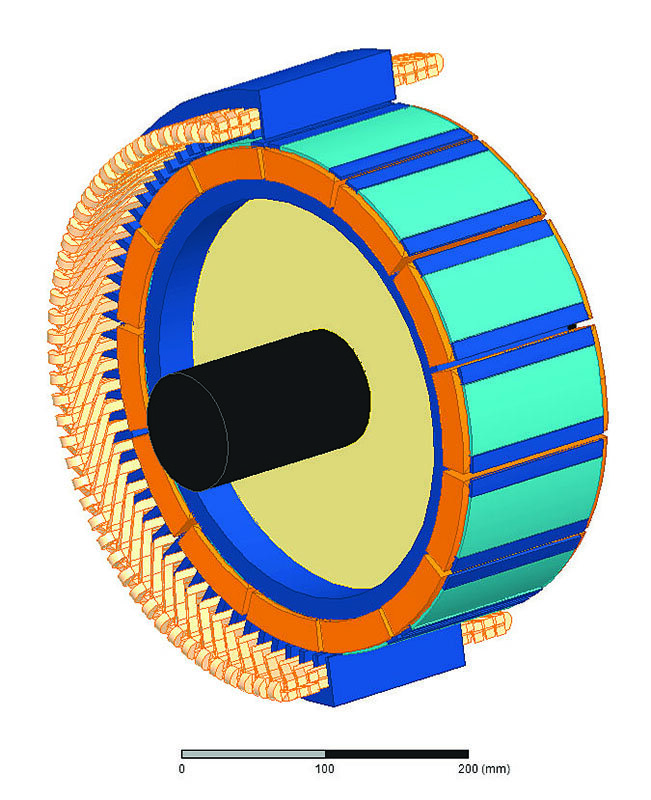
Credit: phys.org
Enhancing Power Output
Boosting a generator’s power can be simple. Focus on regular maintenance, upgrade components, and ensure proper fuel quality. These steps can lead to better performance and increased output.
Enhancing power output is crucial for maximizing the efficiency and performance of your generator. Whether you rely on it for home backup power or for professional use, a more powerful generator can make a significant difference. Let’s dive into some practical methods to boost your generator’s power output.Installing High-performance Alternators
One of the most effective ways to increase your generator’s power output is by installing a high-performance alternator. A standard alternator may not be capable of providing the electricity you need for heavy-duty applications. Upgrading to a high-performance model can significantly enhance your generator’s efficiency. – Research the options: Look for alternators that have higher wattage ratings. – Consider compatibility: Ensure the new alternator fits your generator’s specifications. You’ll notice the difference immediately. More power means you can run multiple devices without worrying about overloading your generator.Adjusting Voltage Settings
Adjusting the voltage settings on your generator can also lead to improved power output. Most generators have a built-in voltage regulator that manages the output. – Check the manual: Your generator’s manual often provides specific instructions on how to adjust voltage settings. – Use a multimeter: This tool helps you monitor the voltage output accurately. Be cautious with adjustments. Setting the voltage too high can damage your equipment. Have you ever experienced flickering lights or fluctuating power? Proper voltage settings can eliminate these issues.Using Advanced Cooling Systems
Heat can be a significant enemy to your generator’s performance. An advanced cooling system can help mitigate this problem. – Consider liquid cooling systems: They are often more efficient than air cooling, especially in high-demand situations. – Regular maintenance: Make sure to clean and check your cooling system frequently to ensure it operates effectively. My own generator struggled during a hot summer, leading to power drops. After installing a better cooling system, I noticed a remarkable improvement in performance. Keeping your generator cool not only enhances power output but also extends its lifespan. Are you ready to take your generator’s performance to the next level?Improving Load Management
Improving load management helps maximize generator power. It ensures your generator runs efficiently. Proper load management also extends its lifespan. Follow these tips to enhance your generator’s performance.
Balancing Electrical Loads
Balancing electrical loads is key. It prevents overloading and improves efficiency. Distribute power evenly across circuits. Use a load calculator to help with this task.
Check the total wattage of connected devices. Ensure the generator can handle this load. Keep heavy appliances on separate circuits. This reduces strain on the generator.
Adding Automatic Transfer Switches
Automatic transfer switches (ATS) are useful. They switch power sources automatically during outages. ATS helps manage loads without manual intervention.
Install an ATS to improve response times. It helps maintain power to essential devices. This setup can prevent overload during power restoration.
Integrating Smart Monitoring Systems
Smart monitoring systems provide real-time data. They track usage and alert you to issues. This information helps manage loads effectively.
Set up alerts for peak usage times. Adjust loads based on this data. Smart systems can enhance your generator’s efficiency.

Credit: www.prostarsolar.net
Upgrading Generator Design
Upgrading the design of a generator can increase its power. Small changes can lead to better performance. Focus on key areas to enhance efficiency and output. Let’s explore effective strategies for generator upgrades.
Incorporating Modular Components
Modular components allow for easy upgrades. You can replace parts without changing the whole system. This flexibility improves maintenance and customization. Use modules that fit your generator’s needs. They can enhance power and efficiency.
Using Lightweight Materials
Lightweight materials reduce the overall weight of the generator. A lighter generator uses less energy to operate. Materials like aluminum and composite plastics are great choices. These materials can improve speed and performance. They also make transport easier.
Enhancing Aerodynamics
Aerodynamic design reduces drag. Less drag means more efficient operation. Shape the generator to allow smooth airflow. Use streamlined covers and components. This change can boost overall power output significantly.
Maintaining Peak Performance
To keep your generator running strong, regular care is key. A well-maintained generator works better and lasts longer. Simple tasks can make a big difference. Follow these tips for peak performance.
Regular Maintenance Practices
Start with regular checks. Clean the generator’s exterior to prevent dirt build-up. Dust and grime can harm parts. Check the oil level often. Fresh oil keeps the engine running smoothly.
Replace the oil and oil filter as needed. This helps in reducing wear. Inspect air filters too. Clean or replace them regularly. A clean air filter ensures proper airflow.
Examine fuel lines for leaks. Replace any damaged hoses. This prevents fuel loss and keeps the engine safe. Lastly, keep the battery charged. A charged battery is essential for starting the generator.
Replacing Worn-out Parts
Worn-out parts affect performance. Identify and replace them quickly. Look for signs of wear on belts and hoses. Cracks or fraying signal it’s time for a change.
Check spark plugs regularly. Worn spark plugs can cause starting issues. Replacing them ensures better ignition. Inspect the fuel filter as well. A clogged filter can reduce power.
Don’t ignore the exhaust system. Any leaks can reduce efficiency. Replace any damaged parts to maintain output. Keeping everything in good shape is vital for performance.
Conducting Performance Testing
Testing your generator regularly is important. It shows how well it runs. Start with load tests. This checks if the generator can handle its rated load.
Monitor voltage and frequency during tests. This helps you find any irregularities. Use a multimeter for accurate readings. Record results to track performance over time.
Consider professional testing every year. Experts can identify hidden issues. Regular testing keeps your generator in top shape.

Credit: www.prostarsolar.net
Leveraging Renewable Energy
Improving a generator’s power can be achieved through various methods. Using high-quality fuel and regular maintenance boosts performance. Adding renewable energy sources, like solar panels, can enhance efficiency and reduce reliance on traditional fuels. These steps help maximize energy output while supporting eco-friendly practices.
Leveraging renewable energy is a smart way to enhance your generator’s performance. By tapping into natural resources, you can boost efficiency and reduce reliance on traditional fuels. This approach not only increases power output but also promotes sustainability.Integrating Solar Panels
Adding solar panels to your generator setup can significantly enhance its power capacity. Solar energy is abundant and free, making it an excellent supplement. Imagine being on a camping trip, using your generator to power lights and devices. If you had solar panels, you could recharge your generator during the day while enjoying the outdoors. This means more energy and less noise, making your experience even better. To integrate solar panels: – Choose the right size based on your energy needs. – Connect solar charge controllers to manage energy flow. – Use high-quality batteries to store excess energy for cloudy days. You can enjoy a continuous power supply while reducing your carbon footprint.Using Hybrid Generator Systems
Hybrid generator systems combine traditional fuel sources with renewable energy. This fusion offers the best of both worlds: reliability and sustainability. You might have heard of people using a hybrid generator during power outages. They can switch between diesel and solar, ensuring they never run out of power. This flexibility makes a hybrid system an attractive option. To set up a hybrid generator: – Choose a generator that supports both fuel types. – Install a transfer switch to easily switch between power sources. – Monitor fuel levels and battery status to maximize efficiency. This setup allows you to tailor your energy use to your needs while keeping costs down.Exploring Alternative Fuels
Alternative fuels can boost your generator’s power and performance. Options like biodiesel, propane, or natural gas can be more efficient and cleaner than traditional fuels. Consider a time when you used a generator that ran on biodiesel. You noticed fewer emissions and a better overall performance. This not only benefits your environment but also enhances your generator’s lifespan. To explore alternative fuels: – Research local suppliers of alternative fuels in your area. – Check if your generator is compatible with these fuels. – Experiment with blends to find the most efficient combination. Switching to alternative fuels can lead to cost savings and a more powerful generator. Leveraging renewable energy is not just a trend; it’s a practical way to enhance your generator’s capabilities. Are you ready to make the switch?Frequently Asked Questions
How Can I Increase My Generator’s Wattage?
To increase your generator’s wattage, consider upgrading its engine. Installing a higher-capacity alternator can also boost output. Ensure your fuel supply is optimal for maximum performance. Regular maintenance, like changing the oil and air filter, can keep your generator running efficiently and at peak wattage.
What Modifications Boost Generator Performance?
Modifications like installing a high-performance exhaust and air intake can enhance performance. Consider upgrading the ignition system for better combustion efficiency. Also, using high-quality fuel can lead to improved power output. Regularly check and maintain components to ensure optimal functionality.
Does Adding Fuel Additives Help Generators?
Yes, fuel additives can significantly help generators. They improve fuel quality and increase combustion efficiency. Additives can also prevent fuel degradation and clogging. Regular use can lead to better performance and longer engine life, resulting in a more powerful generator.
Can I Use A Larger Fuel Tank For My Generator?
Using a larger fuel tank can extend your generator’s runtime. This allows for longer periods of operation without refueling. However, ensure the generator’s design supports a larger tank to avoid safety issues. Always follow manufacturer guidelines to maintain safety and efficiency.
Conclusion
Improving your generator’s power is achievable with simple steps. Regular maintenance keeps it running well. Upgrading parts can enhance performance. Using high-quality fuel makes a difference. Avoid overloading to prevent damage. These tips help you get the most from your generator.
Remember, a powerful generator gives you reliable energy. Follow these suggestions for better performance and efficiency. You can enjoy a more effective generator with little effort. Make your generator work better today.