
Build a simple atmospheric water generator using a dehumidifier or Peltier cooler at home.
I’ve built a few DIY atmospheric water setups and tested them in several climates. This guide walks you step by step through how to make atmospheric water generator at home, explains the science, lists parts, and shows safe ways to filter and store the water. Read on and you’ll gain a clear, practical plan you can try with common parts and basic tools.

How atmospheric water generators work
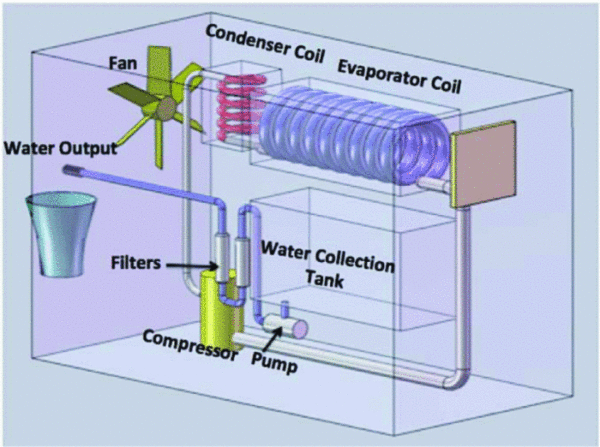
An atmospheric water generator pulls moisture from air and turns it into liquid water. The two main ways are cooling air below its dew point or using desiccants that absorb moisture and then release it with heat. Cooling systems use a cold coil. Air flows over the coil and water condenses. Desiccant systems use materials like silica gel or zeolites.
Key terms to know:
- Dew point: the temperature where air can no longer hold all its moisture.
- Relative humidity: the percent of moisture in air compared to max at a given temperature.
- Condensation: vapor turning to liquid on a cool surface.
Understanding these basics helps when you try to make atmospheric water generator at home. The method you pick shapes parts, power needs, and output.
Is building an AWG at home realistic?
Yes, but there are limits. A small DIY unit can produce a few hundred milliliters to several liters per day depending on climate. High humidity and warm air give the best yield. If your goal is daily drinking water for one person, a home build can work in the right conditions.
From my experience, a converted dehumidifier is the easiest route for beginners. A Peltier-based unit is quieter and lower-power for testing, but it is less efficient. Commercial AWGs are more efficient and safer long term, but they cost much more.

Materials and tools you’ll need
Below is a practical parts list for a basic cooling-type AWG using a used window dehumidifier or a Peltier module. You can adapt this for other designs.
Materials
- Small dehumidifier or Peltier module with heatsink
- Fan or blower to move air over coils
- Food-grade water collection tray or stainless steel pan
- Inline sediment filter (5 micron)
- Activated carbon filter cartridge
- UV-C water sterilizer or UV LED module (optional but recommended)
- Tubing and connectors (food-grade)
- Water storage container with cover (food-grade)
- Silicone sealant and weather stripping
- Power supply and wiring rated for your parts
- Basic insulation material
Tools
- Screwdrivers and pliers
- Hole saw or drill
- Wire stripper and crimper
- Multimeter
- Soldering iron (if needed)
This list will help if you want to make atmospheric water generator at home with safe output.

Step-by-step: build a simple AWG from a dehumidifier
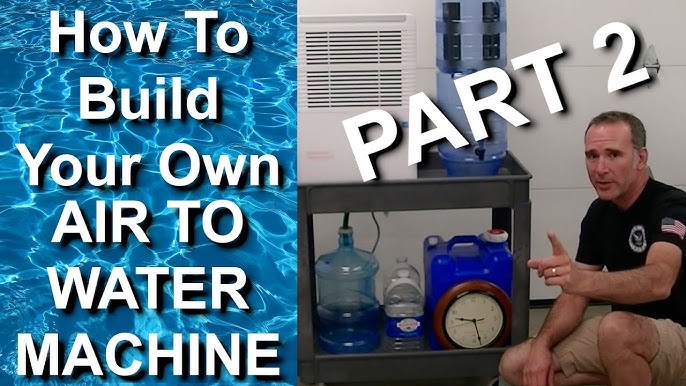
This step-by-step plan converts an old dehumidifier into an AWG. It’s a reliable way to learn how to make atmospheric water generator at home while keeping risk low.
- Inspect the dehumidifier
- Clean it fully. Replace any worn electrical parts.
- Ensure the compressor and coils work.
- Create a clean collection path
- Remove the factory water bucket if it is porous or dirty.
- Fit a stainless steel tray under the drain line to collect condensate.
- Direct airflow
- Add a pointing duct to bring room air to the intake.
- Add a second fan to exhaust air if needed to keep airflow steady.
- Filter and treat the water
- Run collected water through a sediment filter.
- Then pass through an activated carbon filter.
- Add a UV-C sterilizer inline before storage.
- Store safely
- Use a sealed food-grade tank.
- Fit a float valve or sensor to avoid overflow.
- Test and measure
- Run the unit for 24 hours.
- Record water volume, power draw, and room humidity.
If you prefer a smaller unit, follow the same steps but use a Peltier cooler plate with a heatsink and fan. Peltier builds use low voltages and are good for learning.
Safety tips during the build
- Unplug before servicing electrical parts.
- Do not modify sealed refrigerant systems unless certified.
- Use food-safe materials for any surface that touches water.
This process is a practical way to learn how to make atmospheric water generator at home while keeping safety in mind.

Filtration and water quality
Condensed air water is not sterile by default. Dust, microbes, and volatile compounds from air can end up in the condensate. Good treatment keeps the water safe.
Recommended treatment chain
- Sediment filter to remove particulates.
- Activated carbon to remove odors and organic traces.
- UV-C sterilizer to inactivate bacteria, viruses, and protozoa.
- Optional final micron filter or reverse osmosis if you need extra purity.
Always test the water initially with a home test kit for coliforms and chlorine-like compounds. If you find contamination, do not drink the water until treated.
From my builds, UV plus carbon removes taste and most microbes. I still recommend periodic lab tests if you rely on the system for drinking water.
Efficiency, output expectations, and factors that matter
How much water you get depends on three main things:
- Temperature: Warmer air holds more moisture.
- Relative humidity: Higher percent equals more yield.
- Power and coil size: Bigger coils and more airflow increase output.
Typical yields
- Peltier desktop unit: 50–500 mL/day in moderate humidity.
- Small dehumidifier conversion: 1–5 liters/day in 50–80% RH.
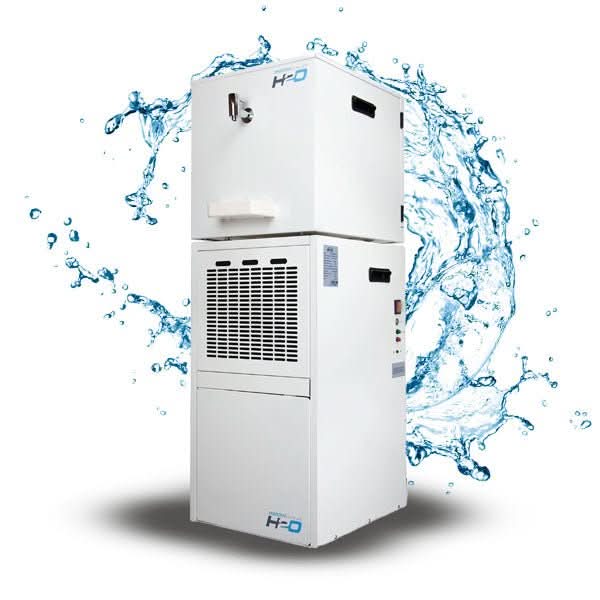
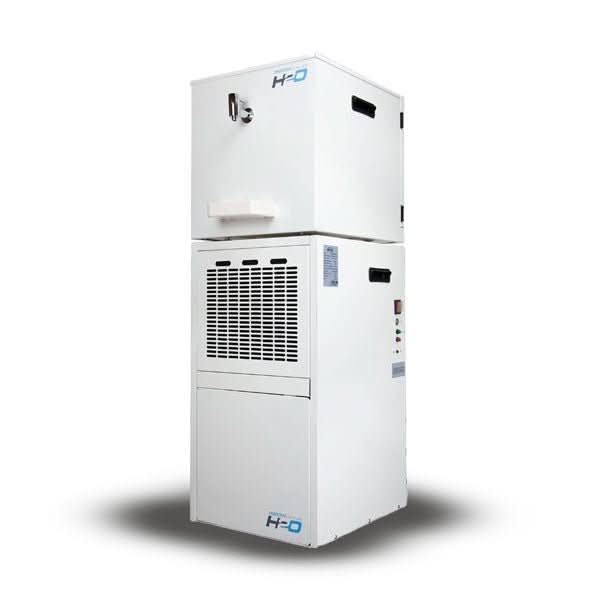
- Commercial AWG units: 10–500+ liters/day with industrial power.
Energy use
- Cooling-based units are energy intensive. Expect 200–800 Wh per liter for small DIY setups.
- Desiccant systems can save power if paired with waste heat.
PAA-style questions
How much water can a DIY AWG produce?
A DIY unit can produce 0.5 to 5 liters per day depending on humidity, temperature, and power.
What climate is best for an AWG?
Tropical and coastal areas with high humidity and warm temperatures yield the most water.
Is an AWG cheaper than bottled water?
Not usually at small scale. DIY AWGs cost more per liter when accounting for energy and maintenance, but they add resilience in some settings.

Costs, limitations, and environmental impact
Costs
- Small DIY build: $50–$400 depending on parts.
- Energy cost: can be the largest ongoing expense.
- Filters and UV bulbs: replace annually or semiannually.
Limitations
- Low output in dry climates.
- Energy-intensive for meaningful yields.
- Requires maintenance to stay safe.
Environmental considerations
- Using renewable power cuts emissions significantly.
- Reusing old dehumidifiers prevents electronic waste.
- Balance benefits: AWGs offer local water but at energy cost.
If your goal is off-grid drinking water, weigh costs versus alternatives like rain capture, boreholes, or delivered water.
Maintenance and troubleshooting
Routine tasks
- Clean coils and fans every 1–3 months.
- Replace sediment and carbon filters per manufacture intervals.
- Check and clean the collection tray weekly to prevent biofilm.
- Test water periodically for bacterial counts.
Common problems and fixes
- Low output: check humidity, airflow, and coil frost. Improve ventilation or heat load.
- Bad taste: replace carbon filter and sanitize storage.
- Electrical faults: inspect wiring and fuses; seek a pro for major fixes.
I learned the hard way to seal the collection path well. Small leaks invite dust and bugs. Good seals and routine cleaning prevent most issues.
Safety, legal, and ethical notes
Safety
- Do not work on refrigerant systems without certification.
- Use food-grade parts where water contacts surfaces.
- Ensure electrical parts are properly grounded.
Legal and ethical
- Some areas regulate water treatment devices. Check local rules for selling or sharing water.
- If you plan to provide water to others, get lab tests and follow standards.
Be transparent about limits. DIY water systems are useful but not a replacement for certified public supply without proper testing.
Frequently Asked Questions of how to make atmospheric water generator at home
How much does it cost to build an AWG at home?
A basic DIY unit can cost $50–$400 for parts. Energy and filter changes are ongoing costs.
Is the water from an AWG safe to drink?
It can be safe if you filter and disinfect it with carbon and UV. Always test water before regular use.
Which method is best for a home AWG, Peltier or dehumidifier?
A dehumidifier conversion is more efficient and makes more water. Peltier is cheaper and good for small tests or learning.
Can I run an AWG off solar panels?
Yes, but you need enough solar capacity and storage. Power needs may require a large panel or battery bank for consistent output.
How much maintenance does a home AWG need?
Plan for monthly cleaning and filter replacement every 3–12 months. UV bulbs need periodic checks.
Can I use a desiccant instead of cooling?
Yes. Desiccant systems absorb moisture and release it when heated. They can be more efficient in low temperatures if waste heat is available.
Conclusion
Building an atmospheric water generator at home is doable and educational. You can make water with a dehumidifier conversion or a Peltier setup. Know the limits: yield varies with humidity, and energy use can be high. Keep safety and filtration top of mind. Start small, test your water, and improve the design as you learn. If this guide helped, try a simple build, share your results, or subscribe for more DIY water projects.