
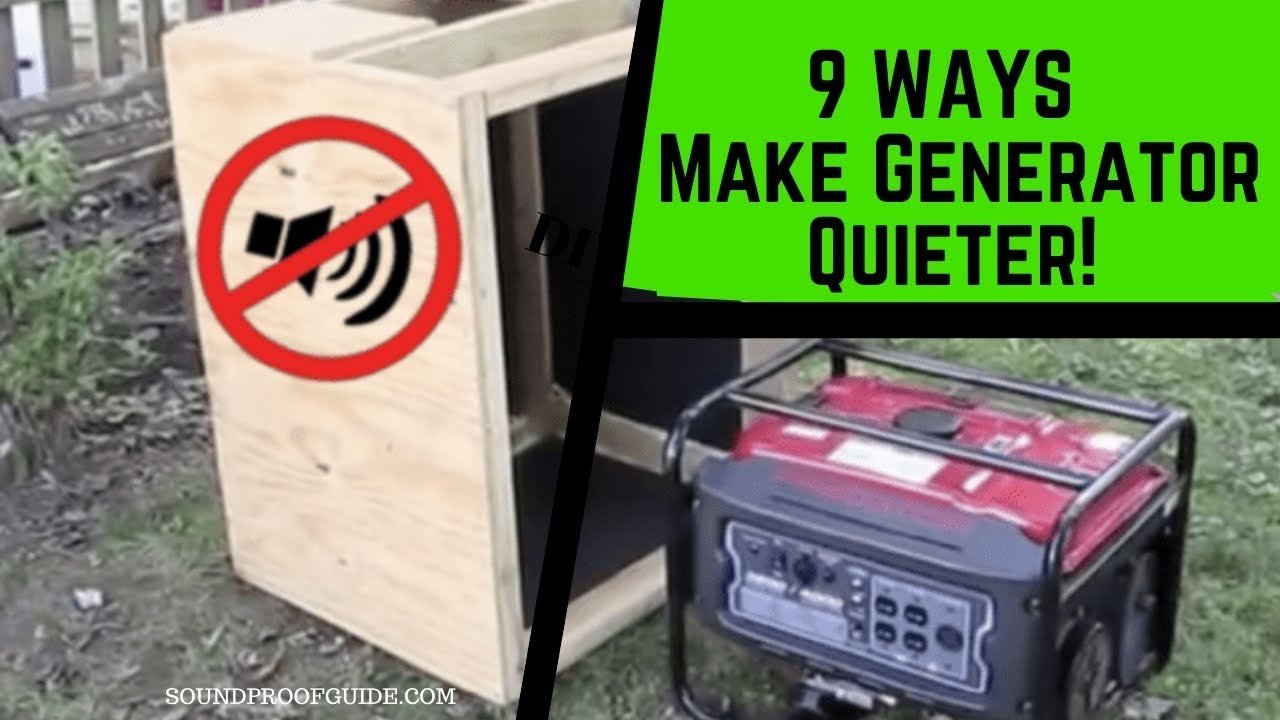
Are you tired of the loud noise your generator makes? You’re not alone.
Many people struggle with the disruptive sound of their generators, especially when they just want some peace and quiet. Imagine being able to enjoy your outdoor activities, family gatherings, or simply relax at home without the constant hum of machinery.
You’ll discover effective tips and tricks to make your generator quieter. From simple adjustments to clever soundproofing techniques, you’ll learn how to transform your noisy generator into a more peaceful companion. Stick with us, and you’ll find that silence is just a few steps away. Let’s dive in!
Credit: bb-rv.com
Reasons For Generator Noise
Generators are useful tools. They provide power during outages or in remote areas. However, they can be quite noisy. Understanding the reasons for generator noise can help reduce it.
Engine Operation
The engine is the heart of the generator. It creates power through combustion. This process generates vibrations and sound. The size and type of engine affect noise levels. Larger engines tend to be louder.
Cooling System
Generators need cooling systems to prevent overheating. Fans and water pumps create noise while operating. The design of these systems also impacts sound levels. Poorly designed cooling can increase noise significantly.
Exhaust System
The exhaust system directs harmful gases away. It also produces noise when gases exit. A loud exhaust can make the generator unbearable. Installing a muffler can help reduce this noise.
Vibration And Resonance
Vibration occurs during generator operation. This vibration can cause noise. Poorly mounted generators may resonate more. Ensuring proper mounting can help minimize this issue.
Load And Usage
The amount of load on a generator affects noise. Heavier loads often lead to louder operation. Running the generator at optimal load can reduce sound. Regular maintenance also keeps noise levels low.
Credit: tinylifeconsulting.com
Choosing A Low-noise Generator
Finding a low-noise generator is essential for comfort. Generators can be loud. This can disturb your peace or disrupt activities. A quiet generator makes life easier.
Many factors affect noise levels. The design, size, and type of generator matter. Understanding these factors helps you choose wisely.
Understanding Generator Noise Ratings
Generators have noise ratings measured in decibels (dB). Lower dB numbers mean quieter operation. Look for generators with a rating below 60 dB. This is similar to normal conversation levels.
Some manufacturers provide noise ratings at specific loads. Check the rating at both half-load and full-load. This gives a clearer picture of performance.
Types Of Low-noise Generators
Inverter generators are generally quieter. They produce clean power and run efficiently. They adapt to the load, which helps reduce noise. Conventional generators can be louder, especially at high loads.
Portable generators vary in noise levels too. Some models are designed for quiet operation. Check customer reviews for real-world experiences.
Features To Look For
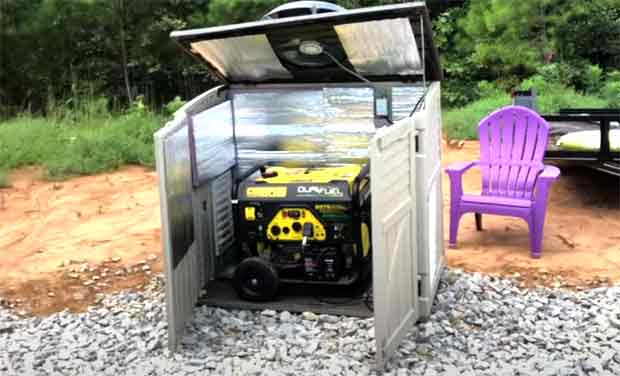
Look for soundproofing features. Some generators have enclosures that reduce noise. Rubber feet can also minimize vibrations. This helps keep the noise down.
Consider generators with adjustable throttle settings. This feature allows you to control the engine speed. Lower speeds mean less noise.
Brand Comparisons
Research different brands. Some are known for quieter models. Popular brands often have low-noise options. Compare specifications and user feedback for best results.
Check warranty and service options. Reliable brands offer better support. This ensures you have help when needed.
Adding Soundproofing Materials
Adding soundproofing materials can greatly reduce generator noise. A few simple methods can make a big difference. Two effective ways include using acoustic foam and building a soundproof enclosure. Both methods can help you enjoy a quieter environment.
Using Acoustic Foam
Acoustic foam is a popular choice for soundproofing. It absorbs sound waves effectively. You can easily find it in many stores. Cut the foam into manageable pieces. Place them around the generator. The more foam you use, the better the noise reduction.
Install the foam on walls or ceilings nearby. This will help trap sound. Ensure the foam is thick enough for good results. Regularly check for wear and tear. Replace any damaged pieces to maintain effectiveness.
Building A Soundproof Enclosure
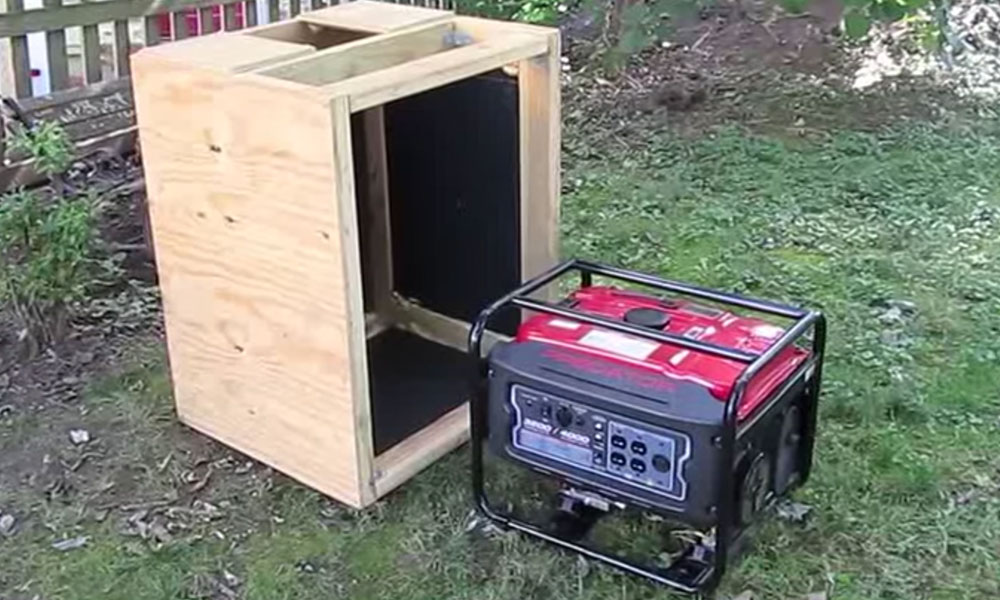
A soundproof enclosure can significantly reduce noise. Start with a sturdy frame. Use wood or metal for strength. Then, cover it with soundproofing materials. Plywood or MDF works well for the outer layer.
Leave space for air circulation. Generators need air to operate safely. Add insulation inside the enclosure. This will help absorb sound even more. Ensure the enclosure is accessible for maintenance.
Seal any gaps or cracks. This will prevent sound from escaping. A well-built enclosure can lower noise levels considerably. Test the noise levels after completion. Make adjustments if necessary.
Credit: www.youtube.com
Positioning For Noise Control
Generator noise can be a real issue. Proper positioning helps reduce sound. Smart placement can make a big difference. Here are some tips to control noise.
Avoiding Hard Surfaces
Hard surfaces amplify sound. Place your generator on soft ground. Grass or dirt absorbs noise better. Avoid concrete or pavement. These surfaces reflect sound waves. This increases the noise you hear.
Try to build a barrier around the generator. Use materials like wood or foam. These absorb sound and reduce noise. A simple fence can help. It will not only block sound but also protect the generator.
Using Distance As A Barrier
Distance lowers sound levels. Place the generator far from living areas. Move it as far as safely possible. This reduces the noise that reaches you.
Consider the layout of your space. Keep the generator away from bedrooms and patios. A few extra feet can make a big difference. The more distance, the quieter it will seem.
Upgrading Exhaust Systems
Upgrading exhaust systems can significantly reduce generator noise. Soundproofing materials and mufflers help create a quieter environment. Simple changes can make a big difference in noise levels and improve your overall experience.
Upgrading your generator’s exhaust system is one of the most effective ways to reduce noise levels. A quieter generator not only enhances your outdoor experience but also keeps your surroundings peaceful. Let’s look at two practical solutions: installing a muffler and using a silencer.Installing A Muffler
A good muffler can significantly lower your generator’s noise output. Most generators come with basic exhaust systems that are not designed for quiet operation. Choose a high-quality aftermarket muffler specifically designed for your generator model. These mufflers are usually more effective at dampening sound waves. Installation is straightforward. You typically need basic tools and a little mechanical knowledge. Follow the manufacturer’s instructions, and you’ll be enjoying a quieter generator in no time.Using A Silencer
A silencer can further enhance the performance of your generator’s exhaust system. This device works by dissipating sound waves and reducing noise levels. You can find various types of silencers available in the market. Some are designed for specific models, while others are universal. Make sure to select one that fits your generator perfectly. Installation is often as simple as attaching the silencer to the exhaust outlet. This added layer can make a noticeable difference in sound reduction, improving your overall experience. Have you ever been interrupted by the loud hum of a generator while trying to relax outdoors? Upgrading your exhaust system can help you avoid such disturbances. Your neighbors will thank you too!Routine Maintenance For Noise Reduction
Routine maintenance helps make your generator quieter. Regularly check and tighten loose parts. Clean the air filter to reduce noise. Using soundproofing materials can also help. Simple steps like these keep your generator running smoothly and quietly.
Routine maintenance is key for keeping your generator running smoothly and quietly. By regularly tending to your machine, you can significantly reduce noise levels and prolong its lifespan. Let’s dive into two essential maintenance tasks that can make a noticeable difference: checking loose components and lubricating moving parts.Checking Loose Components
Loose components can amplify noise and lead to vibration issues. Start by inspecting all bolts, nuts, and screws. Tighten any that feel loose. Make it a habit to check these parts every few months. A quick visual inspection can save you from bigger problems later. If you hear unusual rattling sounds, that’s your cue to investigate further. Addressing loose components not only quiets your generator but also enhances its performance.Lubricating Moving Parts
Proper lubrication is crucial for reducing friction and noise. Over time, moving parts can become dry, leading to increased wear and louder operation. Use high-quality oil recommended by the manufacturer. Apply it to bearings, gears, and any other moving components. Regularly lubricating these parts can help maintain a smooth operation. You’ll notice a significant drop in noise levels after this simple step. Have you ever experienced a quieter operation after routine lubrication? Keeping your generator well-lubricated ensures it runs efficiently and quietly. By focusing on these maintenance tasks, you can enjoy a quieter generator while boosting its longevity. Your neighbors will appreciate it too!Natural Noise Absorption Techniques
Generators can be loud. Reducing their noise helps create a peaceful space. Natural noise absorption techniques use plants and materials to help. These methods are simple and effective.
Planting Shrubs Around The Generator
Using shrubs is an easy way to lower noise levels. Dense bushes can absorb sound waves. Choose tall and thick plants for better results.
Place the shrubs close to the generator. Make sure they cover the sides facing your home. This helps block the noise that reaches your ears.
Consider native plants. They grow well in your area. This means less maintenance for you.
Using Barriers Made Of Natural Materials
Natural barriers can also reduce noise. Fences made of wood or bamboo work well. They block sound effectively while looking good.
Ensure the barrier is tall enough. A height of at least six feet is ideal. This helps prevent sound from traveling over the top.
Use materials like straw bales or earth mounds. These options blend into the environment. They also absorb noise without looking out of place.
Position the barrier between the generator and your living space. This will create a buffer zone. Enjoy a quieter home with these simple changes.
Professional Solutions For Quiet Generators
Professional solutions for quiet generators can significantly enhance your outdoor experience. You don’t have to settle for a noisy generator that disrupts your peace. Whether you need a quieter environment for camping or a serene backyard for gatherings, there are effective ways to achieve this.
Hiring Noise Reduction Experts
If noise is a major concern, consider hiring noise reduction experts. These professionals specialize in soundproofing and can provide tailored solutions for your generator. They assess your specific situation and recommend the best noise reduction techniques.
Many experts utilize sound barriers or acoustic panels to minimize noise. They might also suggest relocating your generator to a less disruptive area. Investing in their expertise can save you time and ensure effective results.
Have you ever thought about how much quieter your outdoor space could be? A professional can help you achieve that tranquility you desire.
Investing In Commercial Soundproof Systems
Commercial soundproof systems are another excellent option for quieting your generator. These systems are specifically designed to absorb and block sound, making them ideal for noisy environments. They can be a bit of an investment, but the payoff in peace is invaluable.
Look for soundproof enclosures or acoustic blankets made for generators. These products can drastically reduce noise levels while still allowing for proper ventilation. Your neighbors will thank you, and you’ll enjoy your space so much more.
Think about how you can transform your outdoor experience. A soundproof system might be the key to enjoying your generator without the unwanted noise.
Frequently Asked Questions
How Can I Make My Generator Quieter?
To make your generator quieter, consider using soundproofing materials like acoustic panels or blankets. You can also place the generator in a soundproof enclosure. Additionally, using a muffler can significantly reduce noise levels. Always ensure proper ventilation to maintain the generator’s performance while reducing noise.
What Are The Best Soundproofing Materials For Generators?
The best soundproofing materials include acoustic foam, heavy blankets, and soundproof mats. Acoustic foam absorbs sound waves, while heavy blankets can dampen noise. Soundproof mats help reduce vibrations and noise transmission. Combining these materials can create an effective sound barrier for your generator.
Is There A Quiet Generator Model Available?
Yes, there are many quiet generator models available on the market. Inverter generators are known for their low noise levels. Brands like Honda, Yamaha, and WEN offer models specifically designed for quiet operation. Always check the decibel rating to ensure it meets your noise reduction needs.
Can I Use A Generator Indoors?
No, using a generator indoors is extremely dangerous. Generators emit carbon monoxide, which is toxic and can be fatal. Always operate generators in well-ventilated outdoor areas. If noise is a concern, consider using soundproof enclosures or barriers to minimize disturbance while ensuring safety.
Conclusion
Making your generator quieter can be simple. Start with soundproofing materials. They can absorb noise effectively. Keep the generator in a shed or enclosure. Regular maintenance helps too. Check for loose parts and tighten them. Using quieter models is another option.
Remember to choose the right spot for placement. A flat surface can reduce vibrations. With these tips, enjoy a peaceful environment. Less noise means more comfort for everyone. Take action today for a quieter generator experience.