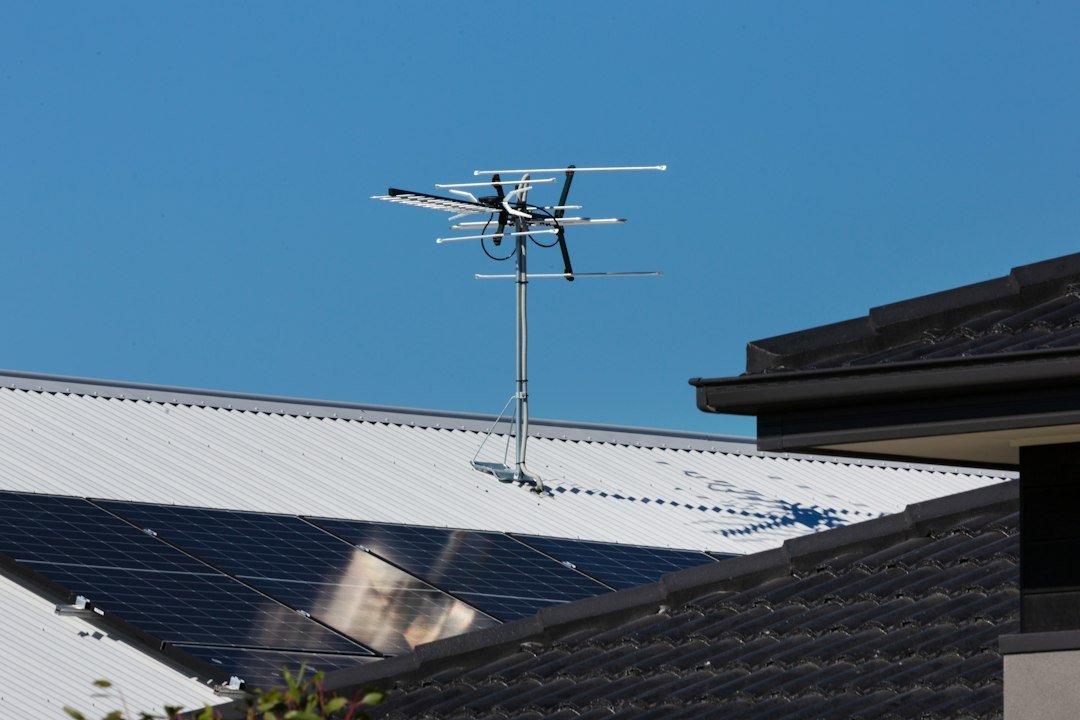
How to power your home with solar panels: start by measuring your household electricity use, then design a solar photovoltaic (PV) system that can produce an appropriate amount of energy for your location. A typical grid-connected setup includes rooftop or ground-mounted panels, an inverter, electrical protection equipment, and an approved connection to the utility. If you want electricity during a grid outage, you also need a system specifically designed for backup, usually including compatible battery storage and an appropriate inverter and isolation equipment.
Home solar is not simply a matter of putting a few panels on the roof and plugging them into an outlet. A successful system needs the right capacity, a suitable roof or ground location, electrical engineering, permits, utility approval, and professional installation. This step-by-step homeowner guide explains how to plan the project, calculate a preliminary system size, choose between grid-connected and off-grid designs, and avoid the most common mistakes.
Step 1: Decide What You Want Solar Power to Do
Before comparing equipment, define your goal. Do you want to reduce the electricity purchased from your utility over a year? Keep essential circuits running during a blackout? Operate a remote property without grid service? These are three different design problems. The answer changes the size and type of the system, the need for batteries, and the amount you should budget.
For most U.S. homes that already have reliable utility service, a grid-connected solar array is the simplest starting point. Solar electricity supplies household loads when it is available; the grid supplies any shortfall, and excess production may be exported according to the utility’s rules. A solar-plus-storage system adds a battery and backup-capable controls. An off-grid system must be designed to cover demand when sunlight is weak for extended periods, making storage and backup planning much more important.
The U.S. Department of Energy’s Homeowner’s Guide to Solar provides an overview of these options. If your goal is outage protection, do not assume an ordinary grid-tied array will continue running when the utility fails.
Step 2: Calculate Your Home’s Electricity Consumption
Gather 12 months of electric bills and look for monthly energy use in kilowatt-hours (kWh). Add the monthly figures to estimate your annual use. If your bill includes a daily average, use it as a cross-check, but do not assume that one unusually mild month represents the whole year. Air conditioning, electric space heating, pool pumps, water heating, and electric vehicles can make demand vary dramatically by season.
For example, suppose a household uses 10,800 kWh over 12 months. That works out to an average of 900 kWh per month, or approximately 29.6 kWh per day. These are hypothetical numbers for explaining the calculation; they are not a claim about average U.S. household consumption. Your actual bills are the better starting point.
Think about future changes. Replacing a gas water heater with an electric heat-pump model, buying an EV, adding air conditioning, or improving insulation could change the load significantly. If you are planning major upgrades, ask the installer to model both current and future consumption. Energy efficiency improvements made before sizing the system can sometimes reduce the amount of solar equipment required.
Step 3: Check Your Roof, Shade, and Sunlight
The same number of solar panels can generate different amounts of electricity in different locations. Climate, shading, roof direction, tilt, local weather, and system losses all matter. In the northern hemisphere, south-facing roof surfaces often offer favorable annual exposure, but east- and west-facing roofs can also be useful. A roof’s structural condition, remaining life, and usable area are just as important as its direction.
Ask a qualified installer or structural professional to evaluate the roof before committing to a design. Consider whether trees, chimneys, neighboring buildings, or dormers cast shade at different times of day and in different seasons. A roof that needs replacement soon may be worth repairing before panels are installed, rather than paying to remove and reinstall an array later.
The Department of Energy recommends evaluating roof age, shape, slope, and solar potential before installation. Ground-mounted solar may be an alternative where roof space is unsuitable, subject to land availability, zoning, and installation cost. For detailed orientation and weather questions, see our guide to when solar panels are most efficient.
Step 4: Estimate How Many Solar Panels You Need
Solar system size is commonly expressed in kilowatts of direct-current panel capacity (kW DC). A preliminary estimate starts with annual electricity demand and the expected annual production per installed kilowatt at your location. That production rate must account for sunlight and system losses. Avoid sizing from roof square footage alone or multiplying the panel’s laboratory watt rating by 24 hours a day.
As a simple illustration, assume a household uses 10,800 kWh per year and a site-specific estimate suggests 1,350 kWh of annual electricity production per installed kW DC. Dividing 10,800 by 1,350 gives an approximately 8-kW DC system. If the chosen panels are rated at 400 watts each, 8,000 ÷ 400 equals 20 panels. This is a hypothetical sizing example, not a guaranteed output estimate for any city or roof.
To replace the example assumptions with real site data, use a reputable solar production model such as PVWatts and have the installer refine the estimate using roof geometry, shading, equipment, and utility requirements. Solar generation and household consumption will not perfectly match hour by hour, even when estimated annual totals are similar. Our panel-count sizing guide explores this calculation in more detail.
Step 5: Choose Grid-Tied, Solar Plus Battery, or Off-Grid
Grid-tied solar
In a conventional grid-tied setup, panels generate DC electricity and an inverter converts it to AC electricity for use in the home. When solar output is below household demand, the utility supplies the balance. Depending on local rules, the system may export surplus energy to the grid. The financial value of exports varies, so review your actual utility tariff instead of assuming every exported kWh offsets a purchased kWh at the same rate.
For safety, ordinary grid-tied inverters shut down when the grid goes out. This protects utility workers and prevents uncontrolled power delivery into a de-energized network. A roof covered with panels therefore does not automatically mean your lights will remain on during a blackout. The Department of Energy’s solar resilience guidance explains this distinction.
Solar with battery backup
A properly engineered solar-plus-storage system can reserve stored energy for an outage and may continue charging from solar while the grid is unavailable, if the equipment and controls support that operation. A backup-capable inverter and suitable transfer or isolation equipment are essential. Not every battery installation backs up every circuit, and not every solar inverter can operate independently from the grid.
You can often reduce cost by backing up a dedicated essential-loads panel rather than the entire house. Refrigeration, lighting, communications, and selected outlets may be higher priorities than electric resistance heating or central air conditioning. See our guide to whether solar panels need batteries for the trade-offs.
Off-grid solar
A true off-grid house must manage electricity production, battery storage, peak appliance demand, and poor-weather periods without relying on a utility connection. It may need a larger solar array, substantial battery capacity, careful load management, and a properly integrated backup generator. Off-grid design is usually more demanding than offsetting annual grid consumption, because it must keep the house running during unfavorable conditions.
Step 6: Choose the Right Inverter and Electrical Design
Panels produce DC power, while most U.S. household circuits use AC power. The inverter converts DC to AC and helps control the solar system. Common configurations include a central or string inverter, microinverters installed at individual modules, and hybrid or battery-capable equipment. There is no universal best choice: shading patterns, roof layout, expansion plans, serviceability, and the required backup functions influence the decision.
Ask the installer to explain how the system handles partial shade, panel-level monitoring, rapid shutdown, grid interruptions, and future battery additions. Inverter continuous output must be matched to the design, and any backed-up circuits need appropriate starting-power calculations. A system can have enough annual energy production yet still fail to start a large motor during an outage if its inverter is undersized.
Your installer should also evaluate the main service panel, circuit protection, grounding, equipment disconnects, and utility interconnection requirements. Do not connect solar panels or inverters to a household receptacle as a shortcut. Improper backfeeding can cause serious electrical hazards. The DOE’s PV system design guide outlines the major system components.
Step 7: Decide How Much Battery Storage You Need
Battery capacity is usually specified in kWh, but the useful amount depends on allowed depth of discharge, inverter losses, reserve settings, and operating conditions. To estimate backup needs, list the essential devices, their average watts, and the number of hours they must operate. Multiply watts by hours for each load, add the results, and include a realistic margin for system losses and changing demand.
For example, a 100-watt combined load running for 12 hours uses 1.2 kWh. A 150-watt average refrigerator load over eight hours would use another 1.2 kWh if it truly averaged 150 watts over that period. Together that is 2.4 kWh before losses. These numbers are hypothetical; real refrigerators cycle and their energy use varies. Backup designs should use measured or manufacturer-supported consumption data.
A battery that is large enough for a few essential circuits may not be adequate for overnight whole-home air conditioning. If your priority is several days of resilience, model low-sunlight weather rather than assuming the battery will fully recharge every day. Our solar panels and battery cost guide helps separate array cost from storage cost.
Step 8: Compare Quotes, Equipment, and Financing
Obtain detailed written proposals from qualified local solar installers. Ask each contractor to use the same estimated annual household consumption and explain its proposed array size, annual kWh production, panel model, inverter model, roof work, warranties, monitoring, and any battery backup functions. Comparing a low-priced 5-kW system with a higher-priced 9-kW system without considering output is not a meaningful price comparison.
A complete quote should identify permits, inspections, utility interconnection, roof penetrations, electrical upgrades, monitoring subscriptions, and potential change orders. It should also state who is responsible if the utility requires modifications. Check workmanship warranties separately from equipment warranties. Ask how service requests will be handled if the installer changes ownership or goes out of business.
Evaluate cash purchase, loans, leases, and power purchase agreements according to your financial situation. Financing charges, escalators, transfer restrictions, and the value of electricity exports can change long-term economics. Incentives and tax treatment depend on current law and eligibility; confirm them with authoritative sources and a qualified tax adviser rather than assuming a historic federal credit still applies. See our residential solar cost guide.
Step 9: Complete Permits, Installation, Inspection, and Utility Approval
A typical project includes a site survey, engineered design, local permit application, installation of racking and modules, inverter and electrical work, inspections, and utility permission to operate. The exact order and paperwork depend on the jurisdiction. An installer may coordinate much of the process, but homeowners should know what approvals are required and retain copies of signed documents.
Do not turn on a grid-connected system before the utility authorizes operation. Your local authority may inspect electrical safety and structural work, while the utility may review interconnection equipment and metering. The DOE permitting and inspection guide describes why these checks matter. For a broader overview, our home solar installation guide covers the installation process.
Step 10: Monitor Production and Use Solar Electricity Wisely
After commissioning, learn to read your inverter’s monitoring portal and utility bills. Track solar energy production in kWh, not only instantaneous watts. Compare actual output with the installer forecast while allowing for normal weather and seasonal differences. If production drops unexpectedly, investigate shading, dirt, equipment alerts, or a system fault before assuming the panels have failed.
You may be able to increase direct use of solar electricity by scheduling flexible loads during productive daylight hours, such as running a dishwasher or charging an EV when it suits your household. The value of doing so depends on your tariff and whether you have a battery. In some areas exported energy is credited differently from electricity bought from the grid, making self-consumption especially relevant.
Keep manufacturer documentation, warranty records, monitoring credentials, and installer contact information. Arrange safe inspections when needed, and never climb onto a roof or handle energized electrical components without appropriate training and equipment. Solar panels require little routine attention, but the complete system still deserves periodic review.
How Much of Your House Can Solar Panels Power?
Solar panels can offset a portion or potentially all of a home’s annual electricity consumption if there is enough suitable space and the system is sized appropriately. That does not mean the panels continuously power every appliance by themselves. Solar output changes through the day and season, while appliances draw electricity whenever they are switched on. The grid, batteries, or another energy source fills the gap when generation is insufficient.
This difference between annual energy and instant power is one of the most common sources of confusion. A system that generates 10,000 kWh in a year may still import electricity every night. A battery can shift some daytime production into evening hours, but it has limited storage capacity. If you want to run your entire home through a blackout, design the inverter and storage for peak demand and backup duration—not just the annual kWh total.
Common Mistakes to Avoid
- Guessing system size from panel count: annual production depends on location, shading, panel rating, and system losses.
- Assuming solar works during outages: standard grid-tied systems generally shut down when utility power fails.
- Ignoring roof condition: a roof nearing replacement may add major future removal costs.
- Confusing kW with kWh: power capacity and stored or generated energy are different measurements.
- Buying a battery without a backup plan: the inverter, transfer equipment, and backed-up circuits must be compatible.
- Skipping permits or interconnection: grid connection requires applicable approvals and inspections.
- Trusting guaranteed savings without assumptions: verify projected output, utility rates, financing terms, and maintenance costs.
Frequently Asked Questions
Can I power my entire house with solar panels?
Potentially, yes, if the system has enough annual generation and appropriate electrical equipment. For reliable power at night or during outages, you also need the grid, batteries, or another suitable backup source. Whole-home outage backup requires special design and may be substantially more expensive than ordinary grid-tied solar.
How many solar panels do I need to power a house?
There is no single correct number. Divide your annual electricity use by the expected annual production per installed kW, then convert system kW to panel count using the chosen panel rating. Roof shading and layout may change the final design. A site-specific solar model is more useful than a nationwide rule of thumb.
Do solar panels power a house at night?
Solar panels do not produce useful electricity in darkness. At night, a grid-connected home draws electricity from the utility, from a charged battery, or from another approved power source. A home battery can store some daytime solar production for nighttime use.
Can I install home solar panels myself?
Some jurisdictions permit owner-installed systems, but electrical work, roof structure, utility interconnection, and inspections remain serious concerns. Rules vary. Most homeowners should use qualified professionals for design and installation, especially for grid-tied and battery-backed systems. Never bypass electrical protection or utility approval.
Do I need a battery to run my home on solar?
Not necessarily. A conventional grid-connected system can use solar during the day and utility power when production is low. A battery becomes relevant if you want stored energy for evenings or outages, or if the utility tariff makes storage economically useful. Outage operation requires compatible backup hardware.
How long does it take to switch a house to solar power?
The physical installation may be relatively short, but design, financing, permits, inspections, and utility permission can extend the overall schedule. The timeline depends on your local jurisdiction and utility. Ask your installer for a written milestone plan rather than relying on a universal estimate.
Final Checklist: Powering a Home With Solar Panels
Begin with a year of electric bills and a clear goal: savings, outage backup, or off-grid independence. Assess the roof and shading, estimate annual production with a location-specific model, choose a grid-tied or storage-capable design, and compare detailed installer proposals. Then complete the required permits and inspections before operating the system. Finally, monitor production and revisit your energy use as household needs change.
The key takeaway: powering a home with solar panels is a complete electrical-system project, not a panel-only purchase. Correct sizing, safe installation, utility approval, and realistic expectations about night and outage operation are what make home solar practical.
Sources and Editorial Note
- U.S. Department of Energy — Homeowner’s Guide to Solar
- U.S. Department of Energy — Step-by-Step Guide for Consumers Going Solar
- U.S. Department of Energy — Solar PV System Design Basics
- U.S. Department of Energy — Solar and Resilience Basics
- U.S. Department of Energy — Permitting and Inspection for Rooftop Solar
- PVWatts — Site-Specific Solar Production Modeling
Editorial note: All sizing, energy-use, and battery-runtime examples are hypothetical arithmetic illustrations, not performance guarantees. Project design, local rules, and financial incentives should be confirmed with qualified professionals and current authoritative sources. Featured image credit: Troy Mortier / Unsplash.