
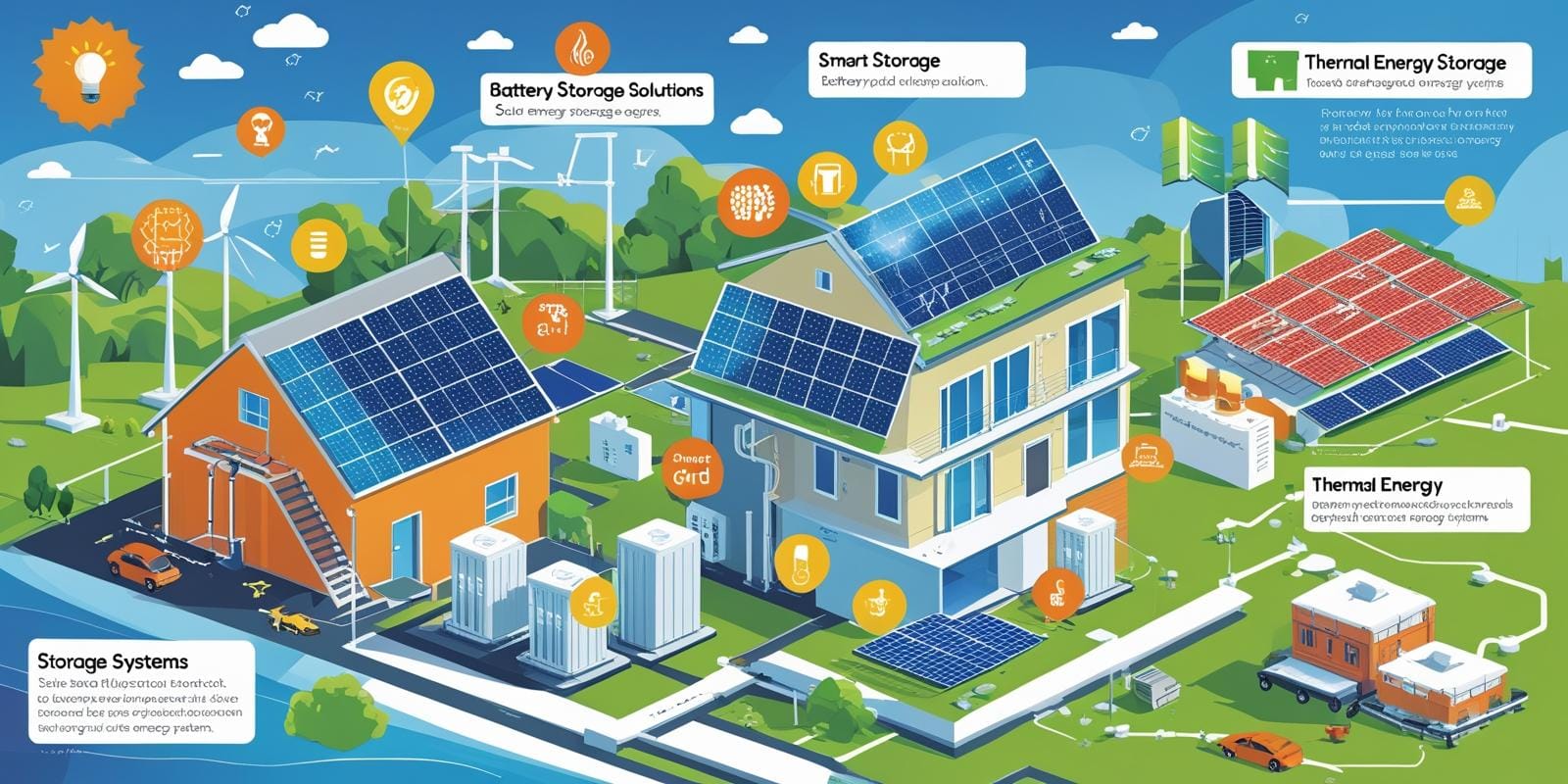
Are you curious about how to make the most of solar energy? Imagine harnessing the sun’s power and keeping it for when you need it most.
Preserving solar energy is not just smart; it’s essential for maximizing your investment and reducing your energy bills. In this guide, you’ll discover practical tips and innovative methods to store solar energy effectively. Whether you’re a homeowner or a business owner, learning how to preserve solar energy can help you save money and contribute to a greener planet.
Ready to unlock the secrets of solar energy preservation? Let’s dive in!
Benefits Of Preserving Solar Energy
Preserving solar energy brings many advantages. It helps reduce energy costs. It also supports a cleaner environment. Saving solar energy is good for everyone.
Cost Savings
Using stored solar energy cuts electricity bills. Homeowners can save money each month. This benefit adds up over time. Lower energy costs mean more money for other needs.
Environmental Impact
Solar energy is clean and renewable. It reduces greenhouse gas emissions. This helps fight climate change. Protecting our planet is vital for future generations.
Energy Independence
Storing solar energy promotes energy independence. It reduces reliance on fossil fuels. Communities can become more self-sufficient. This builds stronger local economies.
Job Creation
The solar energy sector creates jobs. More jobs are needed for installation and maintenance. This boosts local economies. A growing industry benefits everyone.
Increased Energy Security
Storing solar energy enhances energy security. It provides a backup during outages. Homes and businesses stay powered. This increases overall resilience in the community.
Encouragement For Renewable Energy Use
Preserving solar energy encourages more use of renewables. It shows people the benefits of solar technology. More interest leads to innovation and growth. This can shape a sustainable future.
Credit: www.bullsbattery.com
Choosing The Right Solar Battery
Picking the right solar battery is crucial. It stores energy for later use. This helps you maximize your solar power. Understanding your options is key. Different batteries fit different needs.
Let’s explore the types of solar batteries. Then, we’ll cover what to consider before buying.
Types Of Solar Batteries
Solar batteries come in several types. The most common are lithium-ion, lead-acid, and saltwater. Each type has its own features.
Lithium-ion batteries are popular. They have a long lifespan and high efficiency. Lead-acid batteries are cheaper. They require more maintenance.
Saltwater batteries are eco-friendly. They use safe materials. This makes them a good choice for some users.
Factors To Consider Before Buying
When buying a solar battery, consider capacity. This tells you how much energy it can store. Think about your energy needs. A larger capacity is better for higher demand.
Check the battery’s lifespan. Some batteries last longer than others. A longer lifespan means less replacement cost.
Look at the warranty. A good warranty shows the battery’s reliability. Also, consider the cost. Balance quality with your budget.
Finally, think about installation. Some batteries are easier to install. Choose one that fits your home setup.
Optimizing Solar Panel Placement
Choosing the right spot for solar panels is key to preserving energy. Panels should face the sun and avoid shade. Proper placement maximizes sunlight exposure, leading to better energy capture and efficiency.
Optimizing solar panel placement is crucial for maximizing energy efficiency. Proper positioning can significantly enhance the amount of solar energy your panels capture. Whether you’re planning to install new panels or adjust your existing setup, focusing on the placement can lead to substantial energy savings.
Maximizing Sunlight Exposure
To make the most of your solar panels, aim to position them where they will receive the maximum amount of sunlight throughout the day. Consider the direction your panels face. South-facing panels generally capture more sunlight in the Northern Hemisphere, while north-facing panels work better in the Southern Hemisphere. It’s also beneficial to tilt your panels at an angle that matches your geographical latitude. This adjustment allows your panels to absorb sunlight more effectively, especially during winter months when the sun is lower in the sky. Have you checked how the sun moves across your property? Observing the sun’s path can help you determine the best locations for your panels.
Reducing Shade And Obstructions
Shade can dramatically reduce the efficiency of your solar panels. Even partial shading can lead to significant energy losses. Inspect your property for potential obstructions like trees, buildings, or even chimneys. Trim any overhanging branches or consider relocating your panels to a sunnier spot. If you can’t eliminate the shade, consider using micro-inverters or power optimizers. These devices can help minimize the impact of shading, allowing your system to function more efficiently. Are you ready to take control of your solar energy production? Making informed decisions about panel placement can lead to lasting benefits for your energy bills and the environment.
Regular Maintenance For Efficiency
Keeping solar panels in good shape is vital. Regular maintenance ensures they work well. It also helps you get the most from your solar energy system.
Two key tasks are cleaning the panels and checking the wiring. These steps are simple but very important. They keep your system running smoothly and efficiently.
Cleaning Solar Panels
Dust, dirt, and leaves can block sunlight. This reduces energy production. Clean solar panels often to keep them efficient.
Use a soft brush or a cloth. Avoid harsh chemicals that can harm the panels. Rinse with water to remove debris. Do this at least twice a year.
In areas with heavy rainfall, panels may need less cleaning. Check them regularly to see if they need a wash.
Inspecting Wiring And Connections
Wires and connections can wear out over time. Regular checks can catch issues early. Look for loose wires or damaged connections.
Inspect these parts at least once a year. Tighten any loose connections. Replace any damaged wires to prevent problems.
Good wiring ensures safety and efficiency. Keeping everything in order helps your solar system run its best.
Using Smart Energy Management Systems
Smart Energy Management Systems help preserve solar energy. They monitor and control energy use. This technology makes solar energy more efficient. It allows you to save money and reduce waste.
These systems use data to optimize energy use. They can track your solar production and consumption. This helps you understand your energy needs better.
Tracking Energy Usage
Tracking energy usage is crucial for efficiency. Smart systems provide real-time data. You can see how much energy your solar panels produce. You can also track how much energy you consume.
Knowing your energy patterns helps you adjust habits. You can use energy during peak solar hours. This maximizes your solar power use.
Automating Power Distribution
Automating power distribution improves energy management. Smart systems can direct energy where needed. They can store excess energy for later use.
This means using solar energy even at night. Automation helps balance energy loads in your home. It ensures no energy goes to waste.
Storing Excess Energy Effectively
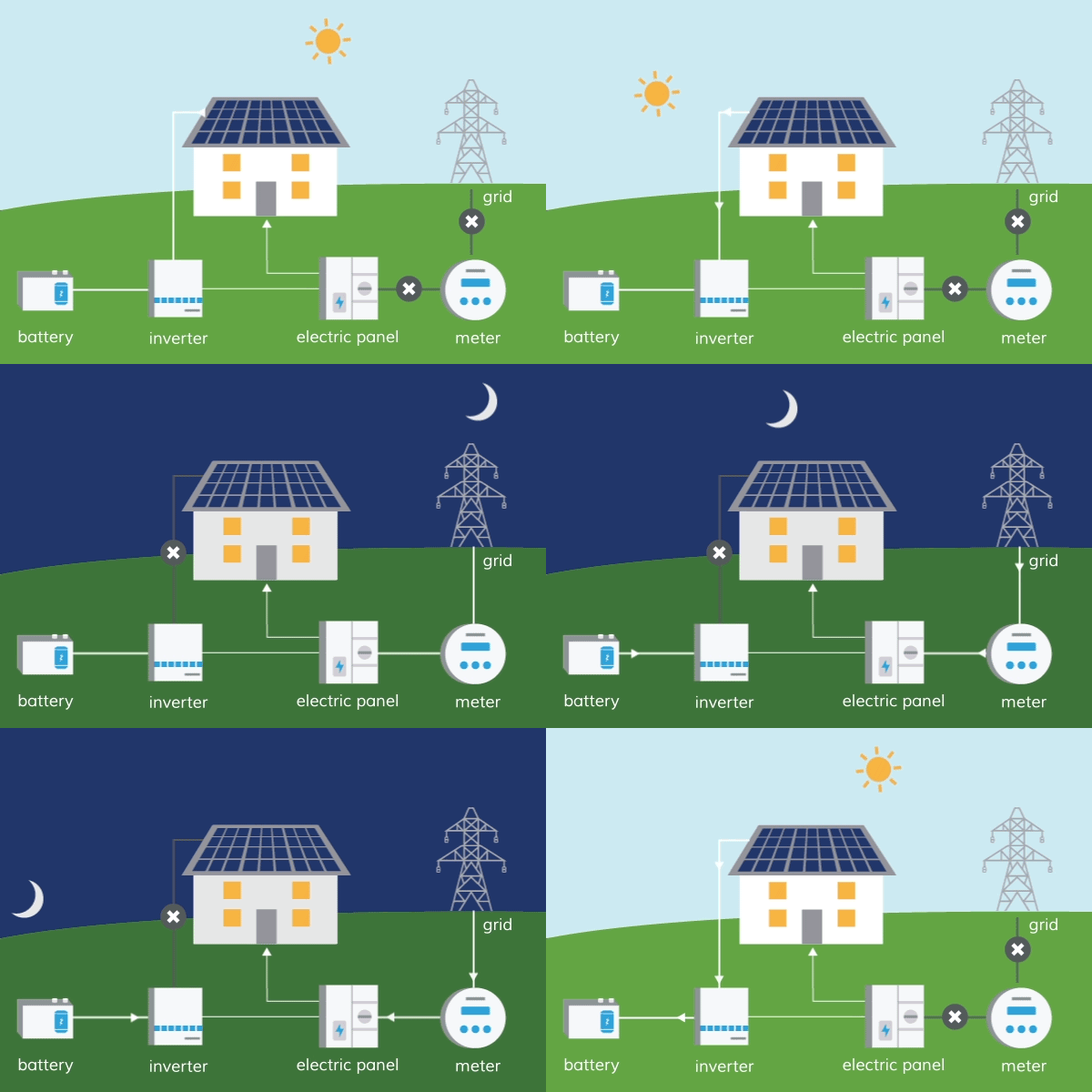
Storing excess solar energy is important. It allows you to use energy when needed. This helps reduce waste and save money. Two main methods exist: using solar batteries and connecting to the grid. Each has its own benefits and functions.
Using Solar Batteries
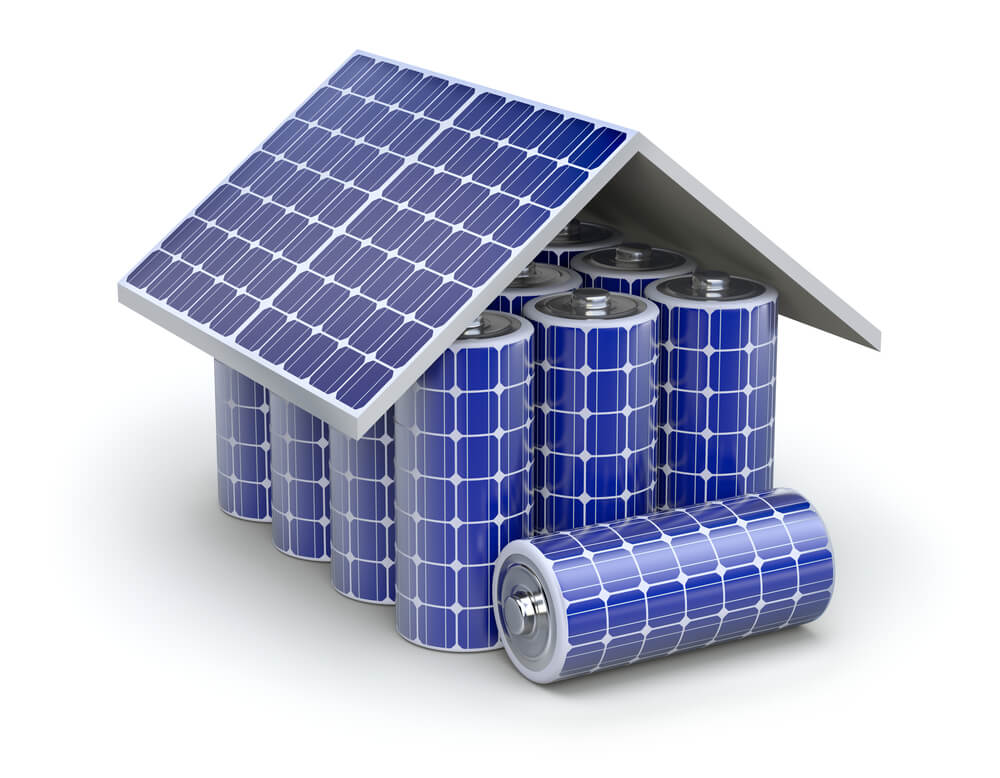
Solar batteries store energy generated by your solar panels. They keep energy for later use. This is helpful during cloudy days or at night.
Many types of batteries exist. Lithium-ion batteries are common for home use. They have a long lifespan and high efficiency.
Consider battery capacity. A larger capacity holds more energy. This means more power for your home.
Installing a battery system may cost more upfront. However, it provides energy independence. You rely less on your local utility. This can lead to long-term savings.
Connecting To The Grid
Connecting your solar system to the grid is another option. This allows you to send excess energy back to the grid. You earn credits for this energy.
This setup is called net metering. It reduces your electricity bill. You only pay for the energy you use beyond what you generate.
Grid connection offers reliability. You have energy available when solar production is low. This means you never run out of power.
Check local regulations. They may affect your ability to connect. Understand the benefits and limitations of this system.
Reducing Energy Loss
Solar energy is a powerful resource. To use it well, we must reduce energy loss. This means keeping as much energy as possible from wasted. Simple changes can make a big difference. Let’s explore ways to improve your solar energy efficiency.
Improving Insulation
Good insulation keeps your home comfortable. It also helps keep energy inside. Check your walls, roof, and floors. Make sure they are well insulated. Use materials like foam, fiberglass, or cellulose. These materials slow down heat loss.
Windows and doors are common problem areas. Use weatherstripping to seal gaps. Consider double-glazing for windows. This adds a layer of air that helps insulate. Insulated curtains can also help maintain temperature.
Improved insulation leads to less energy use. This means your solar energy can go further. You will save money on energy bills too.
Upgrading Inverters
Inverters convert solar energy into usable electricity. Old or inefficient inverters can waste energy. Upgrading to a modern inverter can help. Look for one with a high efficiency rating. This ensures more solar energy is used.
Smart inverters offer extra benefits. They can monitor energy production. They also adjust to changing conditions. This ensures optimal performance. Regular maintenance of inverters is important too. It keeps them working well over time.
Choosing the right inverter maximizes your solar system. Better inverters reduce energy loss significantly. This way, you enjoy more of the sun’s energy.
Credit: www.intermtnwindandsolar.com
Adopting Energy-saving Habits
Adopting energy-saving habits helps preserve solar energy. Simple changes can make a big impact. Small actions lead to significant savings and benefits. Here are two effective ways to save energy.
Timing Energy Usage
Time your energy use wisely. Use appliances during sunny hours. This way, you take full advantage of solar power. Avoid using heavy appliances in the evening. Shift tasks like laundry to daylight hours. This helps save energy and reduces costs.
Monitor your energy consumption. Check your energy bills regularly. Understand when you use the most power. Adjust your habits based on this information. Simple shifts can lead to big savings.
Switching To Energy-efficient Appliances
Switch to energy-efficient appliances. Look for the ENERGY STAR label. These appliances use less energy, saving you money. They help reduce your carbon footprint.
Old appliances waste a lot of energy. Replacing them can make a difference. Choose LED bulbs for lighting. They last longer and use less energy.
Small changes in your home make a big impact. Energy-efficient choices lead to long-term savings. Start today to see the benefits tomorrow.

Credit: ecoaffect.org
Frequently Asked Questions
How Can Solar Energy Be Stored Effectively?
Solar energy can be stored effectively using battery storage systems. These systems store excess energy generated during sunny periods for later use. Lithium-ion batteries are popular due to their efficiency and longevity. Additionally, other storage methods include pumped hydro and thermal energy storage, providing flexible options for energy preservation.
What Are The Benefits Of Preserving Solar Energy?
Preserving solar energy reduces reliance on fossil fuels and enhances energy security. It allows for energy availability during cloudy days or nighttime. This practice also minimizes energy waste and lowers utility costs. Ultimately, it contributes to a more sustainable and eco-friendly energy future for everyone.
What Technologies Help In Solar Energy Preservation?
Key technologies for solar energy preservation include solar batteries, thermal storage, and grid integration systems. Solar batteries, like lithium-ion, store excess energy for later use. Thermal storage systems retain heat for heating applications. Grid integration optimizes energy distribution, ensuring efficient usage and reducing energy loss.
How Long Can Solar Energy Be Stored?
The duration for which solar energy can be stored varies by technology. Lithium-ion batteries can store energy for several hours to days. Thermal storage can maintain energy for longer periods, depending on the system. However, the efficiency of storage decreases over time, highlighting the importance of timely energy usage.
Conclusion
Preserving solar energy is vital for a sustainable future. Use storage systems to save energy for cloudy days. Regular maintenance keeps your solar panels efficient. Explore smart technology to manage energy use. Educate yourself about local incentives for solar energy.
Each small step contributes to a greener planet. Embrace solar energy today for a better tomorrow. Your choices matter. Together, we can make a difference. Start preserving solar energy now for a brighter future.