

When the power goes out, a generator can be your best friend. But using one incorrectly can lead to safety hazards and damage.
You might be wondering, how do you ensure you’re using your generator properly? This guide is here to help you navigate the essential steps and tips for safe generator usage. By following these guidelines, you can keep your home powered and secure during outages.
Stick with us, and you’ll learn how to maximize your generator’s efficiency while protecting yourself and your loved ones. Let’s dive in!
Choosing The Right Generator
Choosing the right generator is crucial for your needs. It ensures reliable power during outages or outdoor events. Understanding your options helps you make an informed decision.
Generators come in different types and sizes. Knowing what you need will guide your choice.
Portable Vs Standby
Portable generators are versatile and easy to move. They are great for camping, tailgating, or small home backup. You can store them when not in use.
Standby generators are stationary. They connect directly to your home’s electrical system. They automatically turn on during a power outage. This option provides seamless power supply but requires professional installation.
Power Capacity Considerations
Power capacity is key in generator selection. Assess your power needs before buying. Consider appliances and devices you want to run.
Check the wattage requirements for each item. Add them up to find your total power needs. Choose a generator that meets or exceeds this total.
Fuel Type Options
Generators use different fuel types. Common options include gasoline, propane, and diesel. Each fuel type has its pros and cons.
Gasoline is widely available but can be less stable. Propane is cleaner and has a longer shelf life. Diesel generators are often more efficient but can be costlier.
Think about your fuel availability and preferences. Your choice affects running costs and maintenance.

Credit: www.instagram.com
Setting Up Your Generator
Setting up your generator correctly is very important. A good setup ensures safety and efficiency. Follow these steps to make the most of your generator.
Placement And Ventilation
Choose a flat, dry area for your generator. Keep it at least three feet away from walls and other objects. This distance allows proper airflow.
Never place your generator indoors or in a garage. It can produce harmful carbon monoxide. Always set it outside in a well-ventilated space. Check the weather too. Avoid places where rain can reach the generator.
Grounding Requirements
Grounding your generator is crucial for safety. This helps prevent electrical shock. Use a grounding rod if your generator requires it.
Follow the manufacturer’s instructions for grounding. Connect the grounding wire to the rod and the generator. This step keeps you safe while using your generator.
Connecting To Appliances
Know your generator’s wattage limit. This limit tells you what appliances you can connect. Start with essential devices like lights and refrigerators.
Use heavy-duty extension cords for connections. Ensure they are rated for the power you need. Plug your appliances directly into the generator if possible.
Always turn off the generator before connecting or disconnecting appliances. This step protects both you and your devices. Make sure the generator is stable while in use.
Operating The Generator Safely
Using a generator can provide power in times of need. However, safety is key. Understanding how to operate it properly can prevent accidents. Follow these guidelines for safe generator use.
Starting And Stopping Procedures
Always read the user manual before starting your generator. Each model may have specific steps. Start the generator outdoors to avoid carbon monoxide buildup.
Check the fuel level and fill it as needed. Use fresh fuel and avoid overfilling. Turn on the fuel valve before starting.
Use the starter switch or pull the cord to start. Allow the generator to warm up for a few minutes. This step is essential for smooth operation.
To stop, turn off all connected devices first. Then, switch off the generator and the fuel valve. Let it cool down before storing.
Managing Power Loads
Know the power needs of your devices. Check the wattage before connecting them. Never exceed the generator’s capacity. This can cause damage.
Plug devices directly into the generator. Avoid using extension cords if possible. If you must use them, ensure they are rated for the load.
Turn on devices one at a time. This helps manage the power load effectively. Monitor the generator for unusual sounds or overheating.
Handling Emergencies
Prepare for emergencies by having a plan. Keep your generator in a dry, safe place. Know how to disconnect it quickly if needed.
In case of a power outage, stay calm. Check your generator’s fuel level and start it if needed. Ensure all devices are unplugged before starting.
If you smell gas or see signs of a leak, turn off the generator. Move away from the area immediately. Call for help if necessary.
Stay alert for any changes in the generator’s performance. If something seems off, turn it off. Safety always comes first.

Credit: www.crawfordelec.com
Maintaining Your Generator
Proper maintenance keeps your generator running smoothly. Regular care helps prevent issues. It also extends the life of your machine. Follow these simple steps to ensure your generator stays in good shape.
Regular Cleaning And Inspection
Cleaning your generator is vital. Dust and dirt can affect performance. Start by wiping down the exterior. Use a damp cloth to remove grime. Check the air intake for blockages. A clean air filter helps the engine run better.
Inspect the generator regularly. Look for any signs of wear. Check for leaks, loose wires, or corrosion. Fix any issues immediately. Regular inspections can prevent bigger problems later.
Replacing Filters And Fluids
Replace filters and fluids at regular intervals. Change the oil after every 50 hours of use. Fresh oil keeps the engine lubricated. Replace the air filter every season. A clean filter improves airflow and efficiency.
Check the fuel filter too. A clogged fuel filter can cause engine issues. Replace it as needed. Use the right fluids recommended by the manufacturer. This ensures optimal performance and longevity.
Storing During Off-season
Proper storage is key during the off-season. Drain fuel to prevent damage. Fuel can degrade over time. Store the generator in a dry, cool place. Cover it to keep dust and moisture out.
Run the generator for a few minutes every month. This keeps the engine lubricated and functional. Check the battery regularly. A charged battery ensures your generator is ready when needed.
Common Mistakes To Avoid
Using a generator safely requires attention to detail. Avoid overloading the unit, which can cause damage. Always place it outdoors to prevent carbon monoxide buildup. Regular maintenance is key to keeping it running smoothly. Stay informed to ensure safe and effective use.
Understanding common mistakes when using a generator can save you time, money, and even prevent dangerous situations. Many people overlook critical safety measures and operational guidelines, leading to frustrating and sometimes hazardous outcomes. Here are some key mistakes to avoid that can help you use your generator effectively and safely.Overloading The Generator
Overloading your generator is a frequent mistake. It might be tempting to power every appliance you have, but exceeding the generator’s capacity can cause it to fail or even damage your devices. Always check the wattage of your appliances. Calculate the total wattage and ensure it stays within the generator’s limits. Keep in mind that starting appliances often require more power than running them. Make a list of what you need to power and prioritize essential items. This way, you can avoid the frustration of an overloaded generator.Using In Enclosed Spaces
Using a generator in enclosed spaces is a serious hazard. Carbon monoxide poisoning is a silent threat that can occur quickly without any warning. Never operate your generator indoors, in a garage, or near windows. Always set it up outdoors, at least 20 feet away from your home and any open windows. Consider using a carbon monoxide detector if you’re working nearby. This simple step can be a lifesaver.Ignoring Manufacturer Guidelines
Ignoring manufacturer guidelines is another common pitfall. These guidelines are there for a reason—they ensure safe and efficient operation. Take the time to read the user manual carefully. It contains vital information on setup, maintenance, and safety practices. Following the manufacturer’s recommendations can extend the life of your generator and enhance its performance. Have you ever skipped reading instructions and regretted it later? That’s a lesson learned the hard way! Avoid these common mistakes and you’ll not only prolong the life of your generator but also ensure your safety and the safety of those around you. What steps will you take today to use your generator more effectively?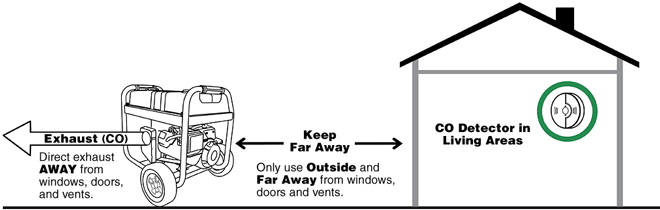
Credit: www.firstenergycorp.com
Frequently Asked Questions
How Do I Choose The Right Generator Size?
Choosing the right generator size depends on your power needs. Calculate the total wattage of the devices you want to run. Consider starting and running watts, especially for appliances with motors. A generator that meets or exceeds your wattage requirements will ensure optimal performance.
What Fuel Types Can I Use For Generators?
Generators typically run on gasoline, propane, or diesel. Gasoline is widely available but may require more frequent refueling. Propane is cleaner and has a longer shelf life. Diesel generators are more efficient for larger power needs but may be pricier upfront.
How Can I Maintain My Generator?
Regular maintenance is essential for optimal generator performance. Check and change the oil regularly, and replace air filters as needed. Inspect fuel lines and connections for leaks. Always run the generator periodically to ensure it remains in good working condition.
Can I Use A Generator Indoors?
Never use a generator indoors or in enclosed spaces. Generators produce carbon monoxide, which is highly toxic. Always operate generators outdoors, at least 20 feet away from windows and doors. Proper ventilation is crucial for safety when using a generator.
Conclusion
Using a generator properly is essential for safety and efficiency. Always read the manual before use. Follow safety guidelines to avoid accidents. Regular maintenance keeps your generator running smoothly. Store fuel safely and away from heat. Knowing how to connect appliances helps prevent overloads.
With these tips, you can make the most of your generator. Stay prepared for any situation. A well-used generator can be a reliable power source when needed. Take these steps to ensure safe and effective operation. Your generator can be a valuable tool.