
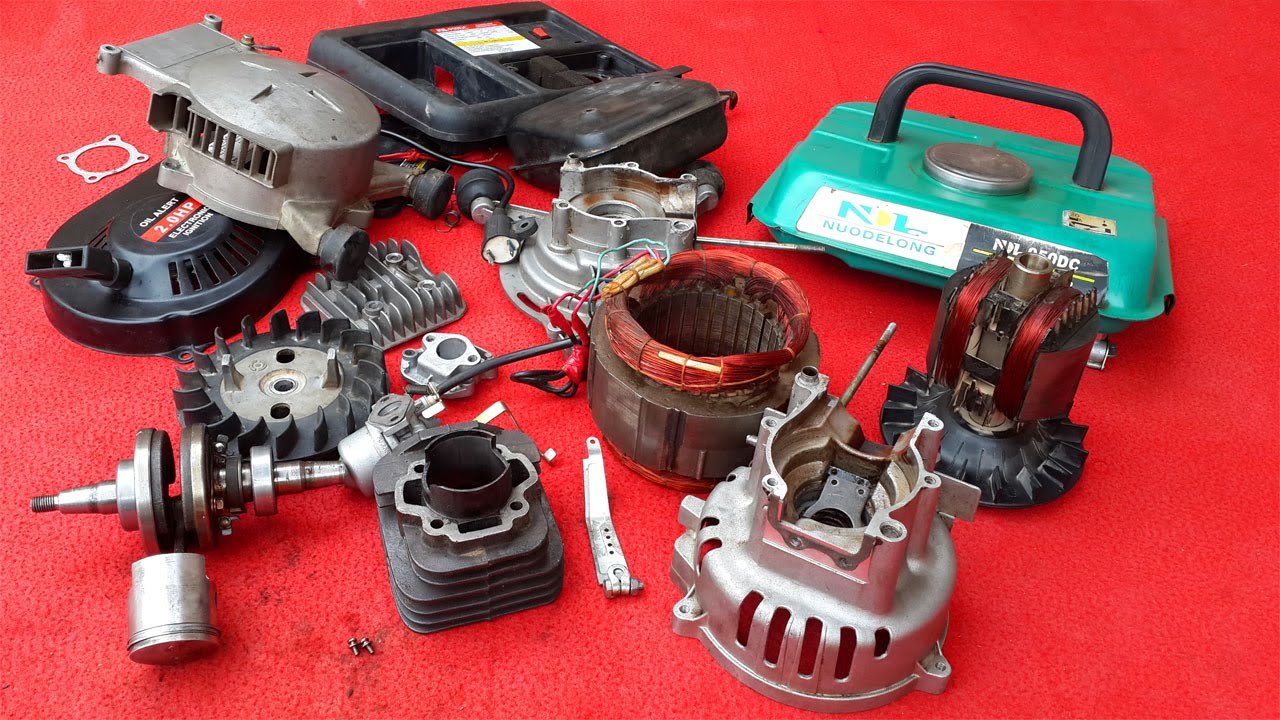
Is your generator letting you down when you need it most? You’re not alone.
Many people face issues with their generators, especially during power outages or emergencies. But don’t worry—repairing your generator can be simpler than you think. With the right guidance, you can troubleshoot common problems and get your generator back to working condition in no time.
You’ll discover step-by-step instructions and practical tips to tackle repairs confidently. You’ll learn how to identify issues, gather the right tools, and fix problems without needing a professional. Imagine the peace of mind you’ll have when your generator is ready to power your home again. Let’s dive in and get your generator running smoothly!
Common Generator Problems
Generators can face various issues over time. Understanding these problems helps in quick repairs. Below are some common generator problems and their signs.
Engine Won’t Start
One of the most frustrating issues is when the engine won’t start. This problem can stem from several causes. A dead battery is a frequent culprit. Check the battery connections for corrosion. Fuel issues can also prevent starting. Ensure there is enough fuel in the tank. A clogged fuel filter can block fuel flow. Inspect the filter and replace it if needed.
Generator Not Producing Power
Another common issue is the generator not producing power. This can happen even if the engine runs smoothly. Check the circuit breaker first. It may have tripped due to overload. Inspect the output connections for damage. Loose wires can disrupt power flow. Lastly, test the generator with a multimeter. This helps confirm if it produces any voltage.
Overheating Issues
Overheating can damage your generator. It often happens due to low oil levels. Regularly check and top up the oil as needed. Clogged air filters can also cause overheating. Clean or replace the air filter to improve airflow. Ensure the cooling vents are not blocked. Proper ventilation is crucial for generator health.
Unusual Noises
Generators should run quietly. Unusual noises may indicate problems. Listen for grinding or rattling sounds. These can signal internal damage. Check for loose parts or foreign objects. A knocking sound often points to engine trouble. Shut off the generator and inspect it carefully.

Credit: pleavinpower.co.uk
Essential Tools And Materials
Repairing a generator requires the right tools and materials. Having these items on hand makes the job easier. Proper tools help you work efficiently and safely. Each tool serves a specific purpose. Understanding what you need is key.
Basic Hand Tools
Start with basic hand tools. These are essential for any repair job. A screwdriver set is a must. Use it to remove screws easily. Pliers help grip and twist wires. A wrench set is also important. It allows you to tighten or loosen bolts. A hammer can assist in small adjustments. Keep a utility knife handy for cutting tasks.
Specialized Equipment
Some repairs need specialized equipment. A multimeter measures voltage and current. This tool helps diagnose electrical issues. A compression tester checks engine performance. It shows if the engine is working well. A spark plug wrench is necessary too. It removes and installs spark plugs easily.
Replacement Parts
Having the right replacement parts is crucial. Check the generator’s manual for part numbers. Common parts include air filters, oil filters, and spark plugs. Fuel lines and batteries may also need replacement. Stocking these parts saves time during repairs. Always choose quality parts for better performance.
Safety Precautions
Repairing a generator requires careful attention to safety. Following safety precautions can prevent accidents. Understanding potential dangers is key. Always prioritize your safety before starting any repairs.
Handling Fuel Safely
Fuel is highly flammable. Store fuel in a cool, dry place. Use approved containers to avoid spills. Always check for leaks before use. Avoid smoking or using open flames near fuel. Wear gloves when handling fuel. Clean up spills immediately to prevent fire risks.
Avoiding Electrical Hazards
Generators produce electricity. Electricity can cause serious injuries. Always turn off the generator before making repairs. Use insulated tools to reduce shock risks. Keep the generator dry at all times. Never work on a generator in wet conditions. Wear rubber-soled shoes for added safety.
Proper Ventilation
Generators emit carbon monoxide. This gas is deadly in enclosed spaces. Always work in well-ventilated areas. Open windows and doors for fresh air. Use fans to improve airflow. Avoid running the generator indoors. Check for proper exhaust flow to keep air safe.

Credit: www.youtube.com
Troubleshooting Steps
Troubleshooting your generator can seem tough. Follow these steps to find the problem. Each step helps you check a different part of the generator. You can fix many issues with simple checks.
Inspecting Fuel System
Start by checking the fuel tank. Make sure it has enough fuel. Look for any leaks around the fuel lines. Clean the fuel filter if it is dirty. A clogged filter can stop the fuel flow. Check the carburetor for dirt or blockages. Clean it if needed. Ensure the fuel is fresh. Old fuel can cause starting problems.
Checking Electrical Connections
Next, inspect all electrical connections. Look for loose or corroded wires. Tighten any loose connections you find. Check the fuses; replace any that are blown. Ensure the wiring is not damaged. Frayed wires can lead to short circuits. A good connection is key for your generator to work.
Testing Battery And Starter
The battery is vital for starting the generator. Check the battery voltage. A low voltage means it may need charging. Clean the battery terminals to remove corrosion. Test the starter motor next. Listen for any unusual sounds when starting. A faulty starter may need replacement.
Examining Circuit Breaker
Finally, check the circuit breaker. Make sure it is not tripped. Reset it if it has tripped. Look for signs of damage on the breaker. A damaged circuit breaker may need replacing. This step is crucial for safety and proper operation.
Quick Fix Techniques
Generators can fail for many reasons. Quick fix techniques can help. These simple methods can get your generator running again. Let’s explore some easy steps to repair your generator.
Resetting Circuit Breakers
Circuit breakers protect your generator from overload. Sometimes, they trip during use. Check the breaker box for any tripped switches. Flip the switch back to the “on” position. This simple step often solves power issues.
Cleaning Carburetor
A dirty carburetor can cause starting problems. Remove the carburetor from the generator. Use a cleaning solution to remove dirt and fuel residue. Make sure to clean all small parts carefully. Reattach the carburetor once it’s clean. This can improve engine performance.
Replacing Spark Plug
The spark plug ignites the fuel in the engine. A worn or faulty spark plug can cause starting issues. Remove the old spark plug using a wrench. Replace it with a new one. Make sure it fits snugly. This can help your generator start smoothly.
Adjusting Voltage Regulator
The voltage regulator controls the electrical output. An adjustment may fix voltage problems. Locate the regulator on your generator. Use a screwdriver to adjust the settings. Test the generator after making changes. This helps ensure it produces the right voltage.
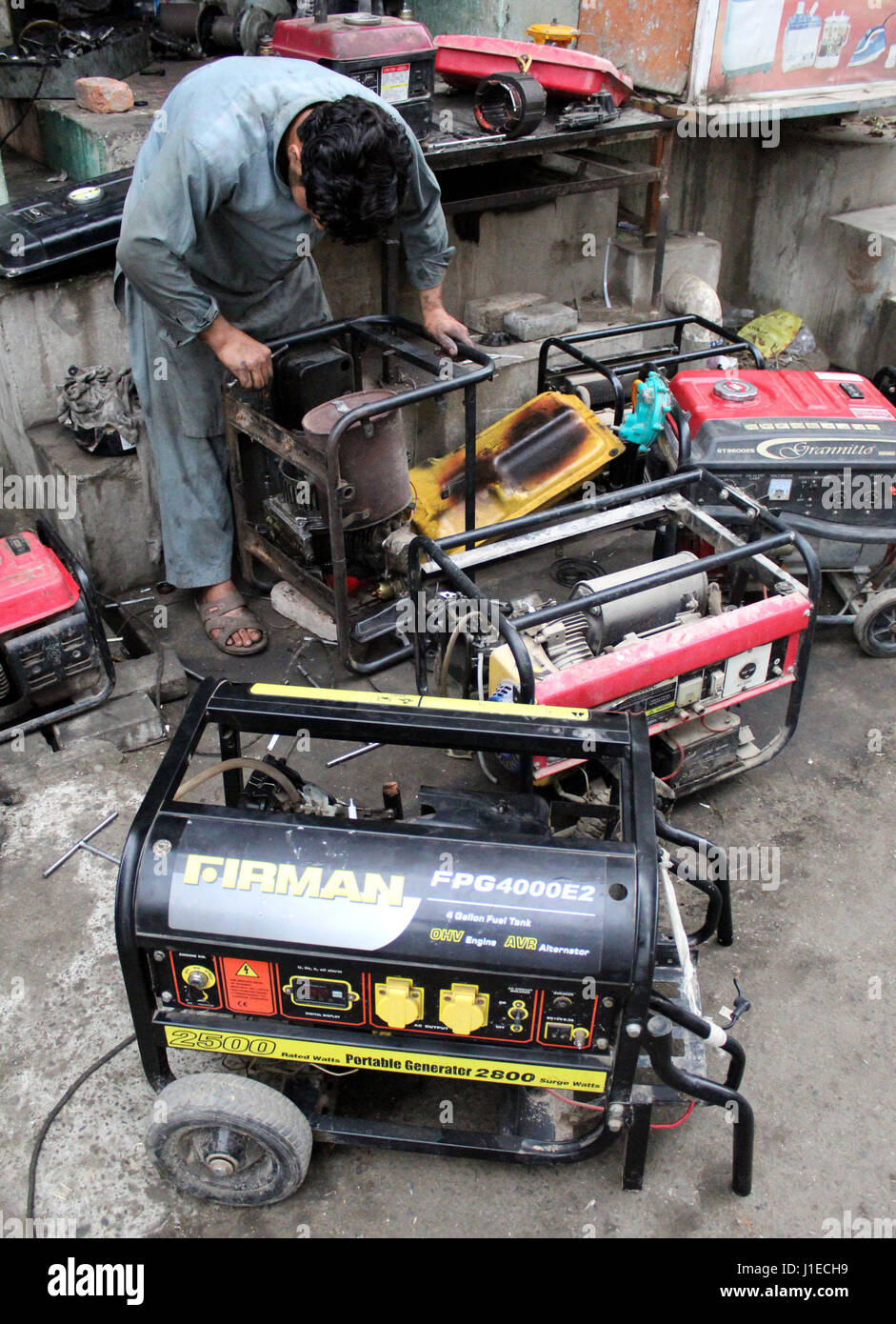
Credit: www.alamy.com
When To Call A Professional
Calling a professional is wise if your generator won’t start or makes strange noises. Also, seek help if there are fuel leaks or electrical issues. Experts can ensure safe and effective repairs, giving you peace of mind.
When it comes to repairing your generator, knowing when to call a professional is crucial. Certain situations require expertise that goes beyond basic troubleshooting. Here’s a look at specific scenarios where reaching out for help is the best option.Persistent Issues
If your generator keeps breaking down, it’s time to get a professional involved. Repeated problems could indicate underlying issues that you may not be able to identify. After my generator failed multiple times in a single month, I decided to call in an expert. They discovered a faulty component that I would have never found on my own. If you find yourself constantly making repairs, consider whether it’s worth the time and effort. A professional can help you determine if it’s better to repair or replace your generator altogether.Complex Repairs
Some repairs are simply too complicated to handle without the right training. If you encounter electrical issues, fuel system problems, or major mechanical failures, don’t hesitate to call a technician. I once tried to fix a fuel leak and ended up making the situation worse. A professional not only fixed the leak but also ensured everything was safe for operation. Complex repairs require specialized tools and knowledge. Trying to tackle these on your own can lead to further damage or even injury.Warranty Considerations
If your generator is still under warranty, tampering with it might void your coverage. Many manufacturers require certified technicians for repairs to keep your warranty intact. Before attempting any repairs, check the warranty terms. You could save money in the long run by having a professional handle the work. Consider this: would you risk voiding your warranty just to save a few bucks? Think about the potential costs of a major repair if something goes wrong after attempting a DIY fix. Recognizing when to call a professional can save you time, money, and stress. Don’t hesitate to reach out for help when the situation calls for it. Your generator will thank you.Preventative Maintenance Tips
Taking care of your generator is essential. Regular maintenance helps it run smoothly. This also extends its lifespan. Here are some important tips to keep your generator in good shape.
Regular Oil Changes
Changing the oil is vital for your generator’s health. Old oil can cause damage. Check the oil level often. Change the oil every 50 to 100 hours of use. Use the right type of oil for your model.
Keep the oil clean. Dirty oil can lead to engine problems. Always follow the manufacturer’s guidelines. This simple step can save you time and money.
Cleaning Air Filters
Air filters keep dirt out of the engine. A clean filter allows better airflow. Check the air filter every month. Clean or replace it as needed. A clogged filter can harm performance.
Use compressed air to clean the filter. This removes dust and debris. Always ensure it is dry before reinstallation. A clean air filter helps your generator run efficiently.
Inspecting Wiring
Wiring issues can cause major problems. Inspect all wires for damage. Look for frayed or corroded connections. Tighten loose wires to prevent issues.
Regular checks can avoid unexpected failures. Replace damaged wires immediately. This ensures safety and reliability.
Running Periodic Tests
Testing your generator is important. Run it for a few minutes every month. This keeps the engine lubricated. It also helps identify any issues early.
Check the battery during tests. Make sure it holds a charge. Running tests can prevent surprises during an outage. Keep your generator ready for any situation.
Frequently Asked Questions
How Do I Know If My Generator Needs Repair?
Signs your generator needs repair include unusual noises, difficulty starting, and inconsistent power supply. Additionally, check for warning lights or error codes on the control panel. Regular maintenance can help prevent issues, so pay attention to any changes in performance to ensure reliable operation.
What Are Common Generator Problems?
Common generator problems include fuel issues, battery failures, and overheating. Other frequent issues are electrical faults and oil leaks. Identifying these problems early can help prevent more significant damage and costly repairs. Routine inspections and maintenance are essential for keeping your generator in optimal condition.
Can I Repair My Generator Myself?
Yes, many minor generator repairs can be done yourself. Simple tasks like changing oil, replacing filters, or checking spark plugs are manageable. However, for complex issues or electrical repairs, it’s best to consult a professional. Always prioritize safety and refer to the user manual for guidance.
How Often Should I Maintain My Generator?
Regular maintenance is crucial for optimal generator performance. It’s recommended to perform maintenance every 50 to 100 hours of use or at least once a year. This includes changing oil, checking filters, and testing the battery. Proper upkeep extends the life of your generator and ensures reliability during use.
Conclusion
Repairing a generator is essential for its long life. Follow the steps provided in this guide. Regular maintenance can prevent many common issues. Always check fuel levels and filters. Keep the generator clean and dry. If you face problems, consult a professional.
This can save you time and money. With proper care, your generator will serve you well. Take action now to ensure it runs smoothly. Stay prepared for power outages and enjoy peace of mind.