
Turn fuel on, set choke, switch to run, then pull the starter rope firmly and steadily.
I’ve run and maintained many generators, including the Westinghouse 7500. This guide explains exactly how to run westinghouse 7500 generator pull start with clear steps, safety checks, troubleshooting tips, and real-world advice. Read on to learn safe startup technique, common problems, and maintenance habits that keep the pull-start reliable.
Source: mscdirect.com
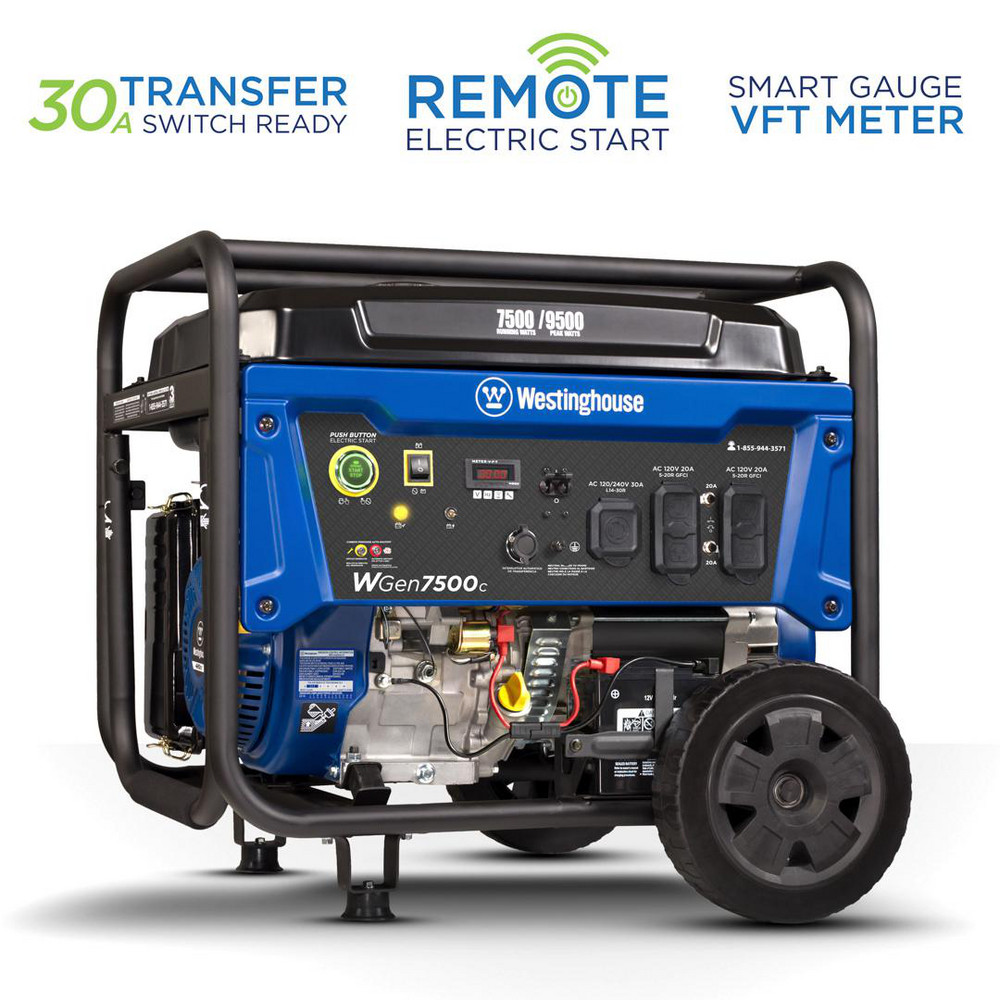
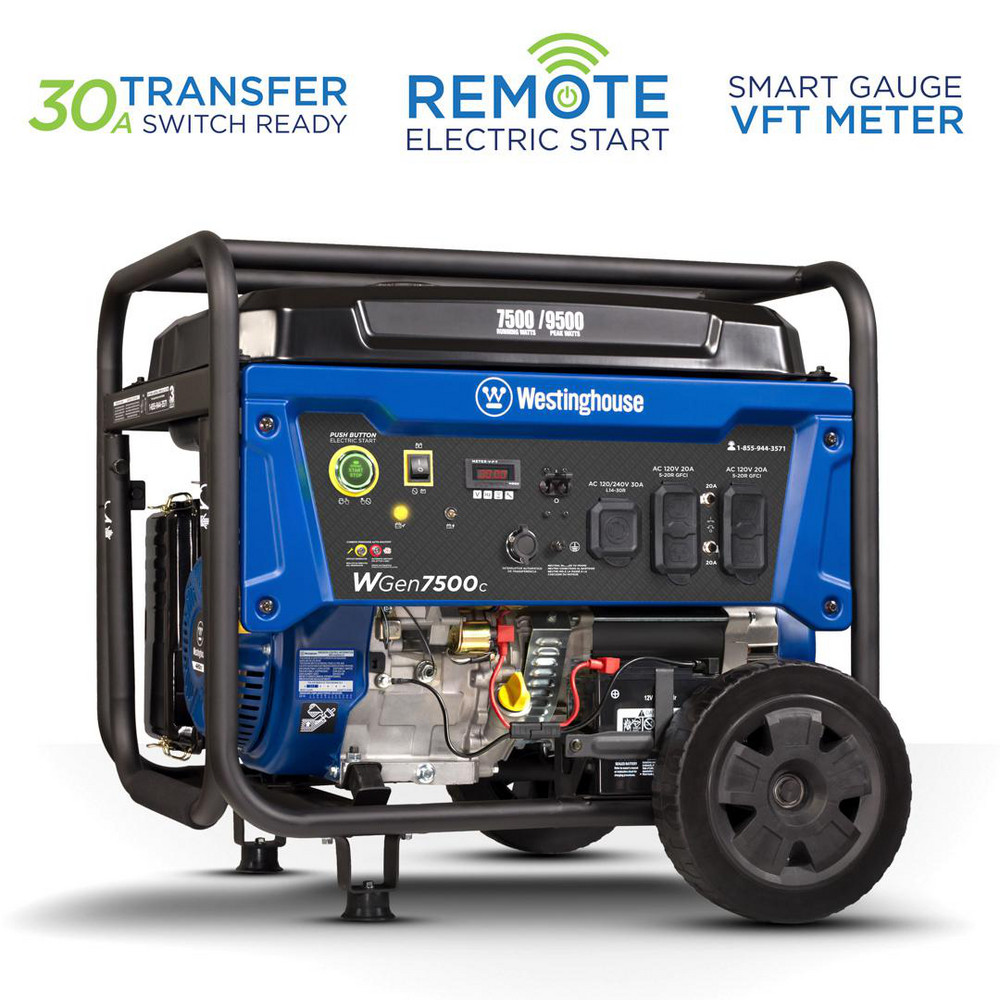
Parts and controls you must know before you start
Before you try the pull start, identify the key parts. Learn where the fuel valve, choke, engine switch, recoil starter, oil fill/dipstick, circuit breakers, and outlets sit. Knowing these controls helps you follow safe startup steps.
The Westinghouse 7500 has an oil alert sensor that prevents starting with low oil. It may also have a run/off/start switch and a manual choke lever. Familiarizing yourself reduces mistakes and speeds troubleshooting when a pull-start fails.
Source: homedepot.com
Safety checklist before attempting a pull start
Safety first. Work in a well-ventilated outdoor area. Keep the generator on a flat surface and clear of flammable material.
- Check oil level on the dipstick and top up if below the safe mark.
- Ensure fuel is fresh and the fuel valve is closed while doing inspections.
- Turn off all connected appliances and breakers before starting.
- Inspect the recoil rope for frays and the spark arrestor for soot.
- Keep bystanders and children away during startup and while running.
Source: westinghouse.com
Step-by-step: how to run westinghouse 7500 generator pull start
Follow these short steps for a reliable pull-start. Read them once, then try them in order.
- Check oil and fuel. Make sure oil is at the correct level and fuel valve is closed before you move the unit.
- Open the fuel valve. Turn the valve so fuel can flow to the carburetor.
- Set the choke. For a cold engine, place the choke in the CLOSED or choke position. For a warm engine, set it to OPEN or RUN.
- Turn the engine switch to the RUN or ON position. Confirm circuit breakers are off to prevent load during startup.
- Position yourself for a safe pull. Stand with one foot forward. Grip the recoil handle firmly. Keep your wrist straight.
- Pull the starter rope smoothly and briskly. Use a firm, even pull. Avoid jerking or yanking. If it doesn’t start after 3 pulls, let the engine rest a moment.
- If engine starts and sputters, gradually move the choke to OPEN as it warms. Do not flood the engine with fuel.
- Let the generator run unloaded for 3–5 minutes to warm up. Confirm stable idling before switching on breakers.
- Turn on breakers and connect appliances one at a time. Add loads gradually to avoid overloading.
If it does not start, repeat the sequence. If flooding occurs, set choke to OPEN and pull rope several times to clear excess fuel. For persistent issues, consult troubleshooting below.

Source: generatorbible.com
Cold start tips and common troubleshooting for pull starts
Cold starts need a full choke and patience. A cold carburetor needs fuel enrichment. Use the choke fully until the engine catches and runs briefly, then open the choke in stages.
Common problems and fixes:
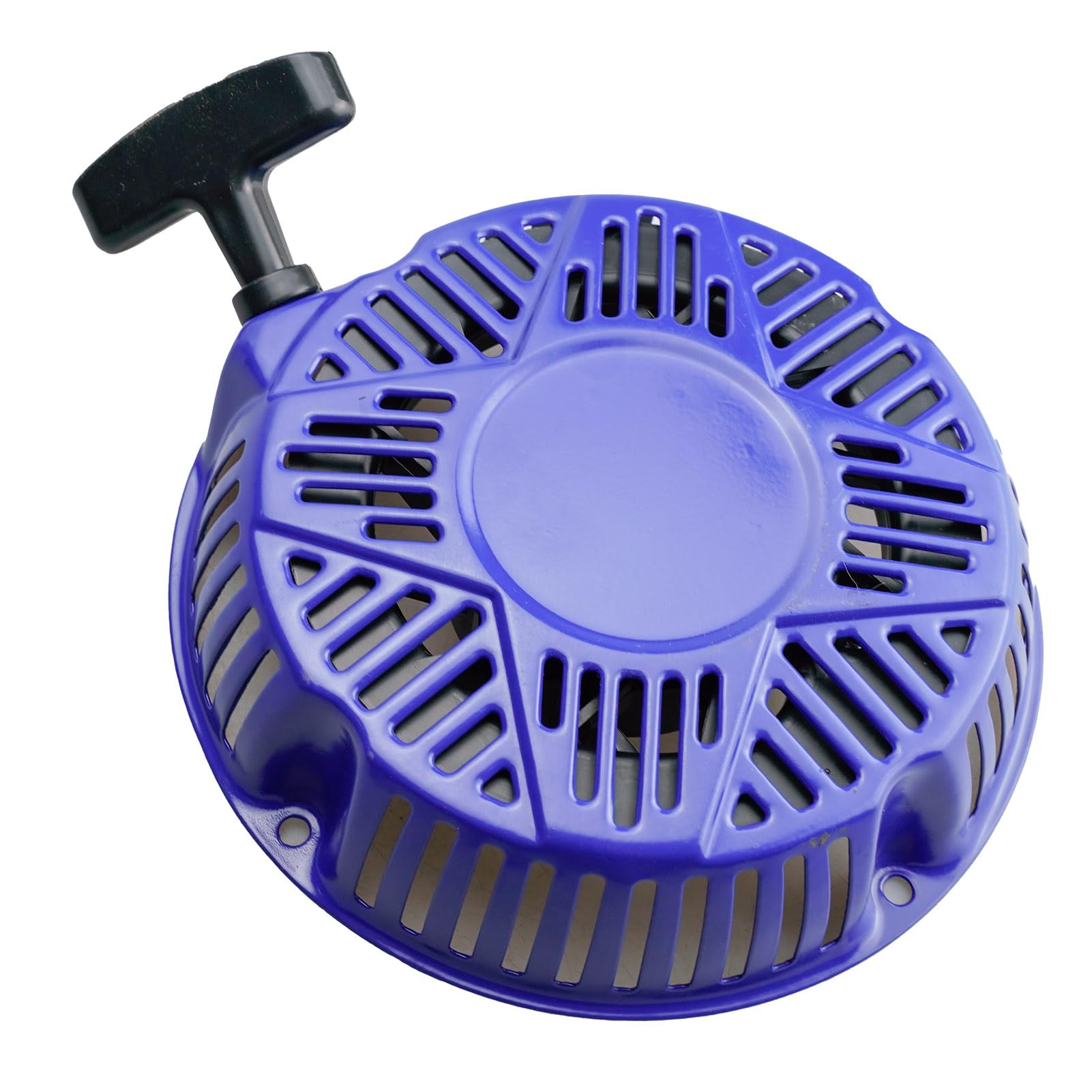
- Engine won’t pull or rope hard to pull: Check recoil assembly for damage, inspect rope, and examine starter pawls. Replace worn rope or lubricate moving parts.
- Engine cranks but won’t start: Check fuel valve, choke position, and spark plug. A fouled spark plug or stale fuel often causes no-start.
- Engine floods: Set choke to OPEN and pull several times. Remove and dry the spark plug if soaked with fuel. Reinstall after drying.
- Low oil shutdown: If the oil sensor trips, top up oil to recommended level and reset by starting per normal steps.
- Hard starting after storage: Drain old fuel or add stabilizer and clean the carburetor if necessary.
If you need to remove the spark plug for testing, always ground the engine and follow the manual’s safety steps. Regular checks reduce surprises when you need to run westinghouse 7500 generator pull start.
Source: amazon.com
Maintenance and storage to keep pull start reliable
Small maintenance keeps the pull system working. Replace worn parts early to avoid a failed pull when you need power.
- Change oil after the first 20 hours, then every 100 hours or seasonally.
- Inspect and clean the air filter every 50 hours or sooner in dusty conditions.
- Replace spark plug annually or every 100 hours. Use the manufacturer’s recommended gap.
- Use fresh fuel and add stabilizer before long storage. Drain carburetor for extended storage.
- Check and replace the recoil rope and spring if frayed or stiff.
- Store in dry, covered space to prevent corrosion and grit in the starter assembly.
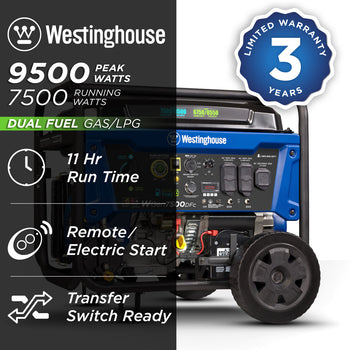
Following these steps ensures you can confidently run westinghouse 7500 generator pull start whenever you need it.
Source: westinghouse.com
Personal experience, mistakes to avoid, and practical tips
I once tried to start a Westinghouse 7500 on a cold morning with old gas. It coughed but wouldn’t run. After draining and replacing the fuel and replacing the spark plug, it started on the first pull. Lesson: fresh fuel and a good plug matter.
Practical tips from hands-on use:
- Always try 2–3 controlled pulls instead of many frantic yanks.
- Keep a small starter kit with spare spark plug, rope, and a dipstick in your generator box.
- Mark the choke positions with a small tag if they are worn or unclear.
- Warm the generator for a few minutes before loading high-demand appliances.
These small habits cut startup time and reduce stress during power outages.

Source: amazon.com
Frequently Asked Questions of how to run westinghouse 7500 generator pull start(make it h2 tag)
How often should I check the oil before pulling the starter?
Check oil before every start if the generator has been unused for a while. Regular checks prevent automatic shutdowns and engine damage.
What choke position should I use for a cold start?
Use the full choke or closed position for a cold engine. Open the choke gradually as the engine warms to prevent stalling.
How many pulls should it take to start the Westinghouse 7500?
A healthy engine typically starts in 1–3 firm pulls when properly set up. If it takes more, check fuel, spark plug, and choke settings.
What do I do if the engine floods during starting?
Set the choke to open and pull the rope several times to clear fuel. Remove and dry the spark plug if the engine remains flooded.
Can I run the generator immediately after starting?
Run it unloaded for 3–5 minutes before applying heavy loads. This warm-up stabilizes engine speed and reduces stress on the alternator.
Is it okay to use old gasoline in the generator?
Old gasoline can cause starting and performance problems. Use fresh gas or add a stabilizer to prevent varnish and clogged jets.
Conclusion
You now have a clear, step-by-step approach to how to run westinghouse 7500 generator pull start safely and reliably. Check oil and fuel, set the choke correctly, use a firm steady pull, and warm the unit before loading. Keep simple maintenance habits and a small parts kit to avoid common failures.
Try these steps next time you need power. If this guide helped, subscribe for more practical generator tips or leave a comment with your questions or experiences.