
Turn on fuel, set choke, switch to ON, pull the recoil starter until it runs.
I’ve spent years working with portable power gear, and I’ll walk you through exactly how to start a Honda 2000 generator safely and reliably. This guide covers pre-start checks, a clear step-by-step start routine, troubleshooting for common issues, maintenance tips that improve starting performance, and real-world lessons from my own use of the Honda 2000. Read on to get confident with your unit and avoid common mistakes.
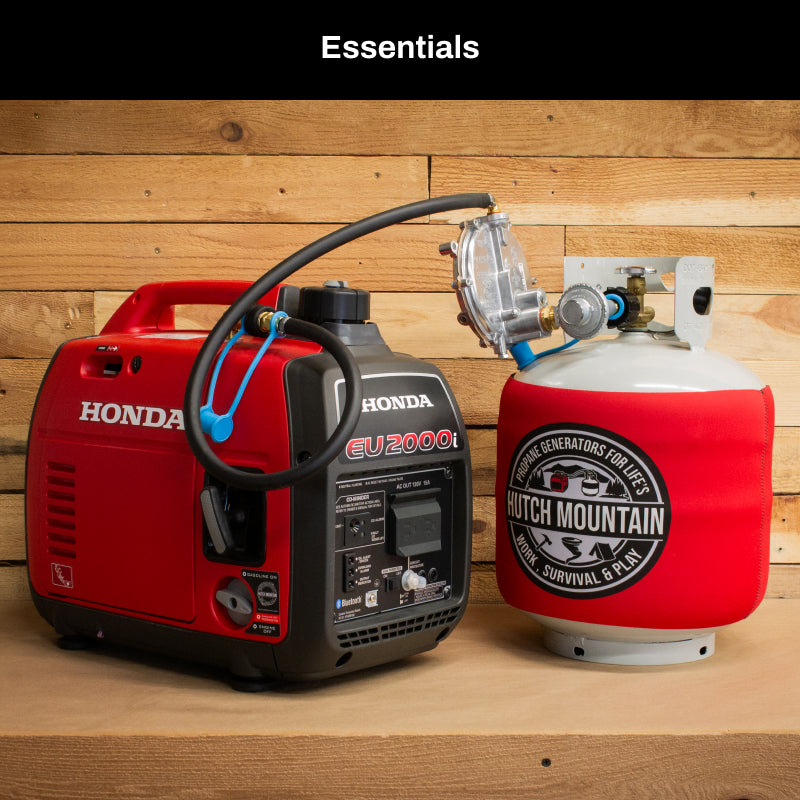
Quick preparation and safety checks
Before you learn how to start a honda 2000 generator, perform simple prep and safety checks. These reduce risk and improve the chance of a smooth first pull.
- Check the fuel level and use fresh unleaded gasoline. Old fuel causes hard starting.
- Confirm engine oil level. Low oil may prevent starting or damage the engine.
- Inspect for visible damage or loose parts. Tighten anything loose by hand.
- Place the generator on a flat, well-ventilated surface outdoors. Never run indoors.
- Remove any connected loads. Start the generator with no load, then plug in devices.
- Make sure the fuel valve is closed before moving the unit to avoid spills.
These steps take a minute and prevent most starting problems. Treat the owner’s manual as the authority for specs like oil type and capacity.
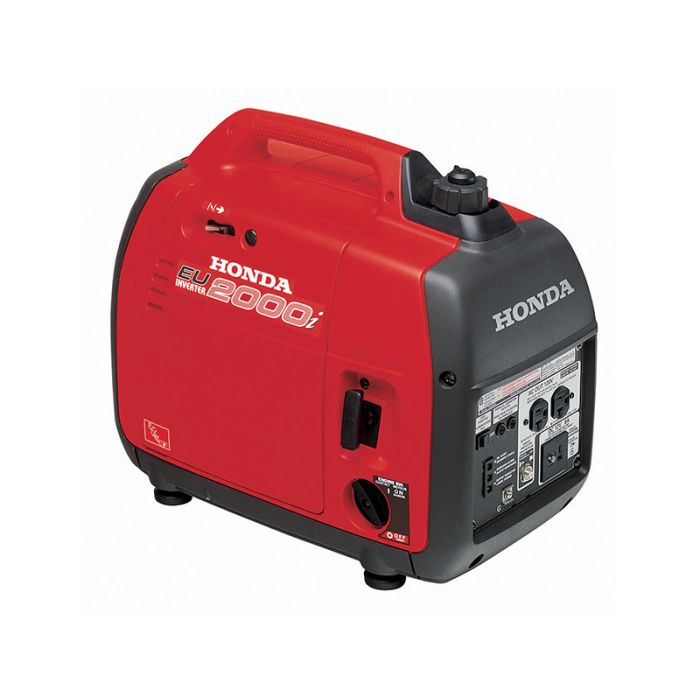
Step-by-step starting procedure
Follow these clear steps to start a Honda 2000 generator. This exact routine has worked for me across multiple models.
Position and secure
- Put the generator on a flat surface outdoors.
- Make sure exhaust is clear and pointing away from people and structures.
Set controls
- Turn the fuel valve to the ON position.
- Move the engine switch to the ON position.
- If the unit has a choke lever and the engine is cold, set the choke to CLOSED or CHOKE.
Prime and throttle
- If your model has a primer bulb, press it 2–3 times to move fuel into the carburetor.
- Set the throttle to the RUN or slightly above idle (follow your manual).
Pull the recoil starter
- Grip the starter handle firmly.
- Pull smoothly and quickly until the engine fires. Repeat as needed.
- Once it starts, gradually move the choke to OPEN as the engine warms.
Warm up and connect load
- Let the generator warm for 2–5 minutes.
- Plug in devices or transfer load. Avoid overloads on initial startup.
If the engine floods, set the choke to OPEN, wait a minute, and pull slowly until it fires. Practicing a few starts makes the process feel natural.

Common startup problems and fixes
Even with the right steps, you may hit issues. Here are the most common problems I’ve encountered and simple fixes.
Won’t start at all
- Check the fuel valve, fuel level, and engine switch first.
- Confirm there is spark and fresh fuel. Replace old gasoline.
Starts then dies
- Often a clogged carburetor jet or stale fuel. Use fresh fuel and run a fuel stabilizer.
- Check the choke; it may be set too rich.
Hard to pull starter
- Inspect for engine hydro-lock from fuel or oil. Remove spark plug and pull slowly to clear fluid.
- Check recoil spring and starter assembly for wear.
Smokes or runs rough
- Old fuel, dirty air filter, or incorrect oil can cause poor running.
- Clean the air filter and change oil if overdue.
PAA-style question 1: Why won’t my Honda 2000 start after sitting long-term?
Short answer: Old fuel and a gummed carburetor are the usual culprits; drain fuel, add fresh gas, and clean or rebuild the carburetor.
PAA-style question 2: Should I use choke every time I start the Honda 2000?
Short answer: Use choke only for a cold start. Move the choke to open once the engine runs smoothly to avoid flooding.
These quick fixes handle most start troubles. For deeper issues, consult a technician or the service manual.

Maintenance tips to improve starting reliability
Routine care keeps your Honda 2000 starting on the first pull. My experience shows small habits pay off.
- Change engine oil every 6–12 months or after specified hours.
- Use a fuel stabilizer if the generator sits more than 30 days.
- Run the generator monthly for 20 minutes to circulate fuel and oil.
- Clean or replace the air filter when dirty. A clogged filter chokes the engine.
- Inspect the spark plug yearly and replace if fouled or worn.
- Store the unit with fuel drained for long-term storage to prevent carburetor gumming.
A little maintenance makes starting predictable. I once lost power before a job because I skipped a monthly run; that taught me to keep a maintenance checklist.

Personal experience and pro tips
I’ve used several Honda 2000 units for camping and job sites. Here are honest lessons and tips from real use.
- Keep a small fuel can with fresh gas on hand. That prevented a missed start for me after seasonal storage.
- Label the choke and fuel valve positions with a small sticker so others can start the unit properly.
- If you expect cold weather starts, use a winter-grade oil and keep the generator sheltered but ventilated.
- Practice starting the generator once or twice before you actually need it. Familiarity reduces panic in outages.
- Carry a compact tool kit and spare spark plug. They solve more issues than you might expect in the field.
These tips come from actual on-site experience. They help you master how to start a honda 2000 generator in real situations.
Frequently Asked Questions of how to start a honda 2000 generator
How long should I pull the recoil starter?
Pull firmly and smoothly until the engine fires. Most starts take one to three pulls when the unit is tuned and has fresh fuel.
Do I need to choke every time I start?
No. Use the choke for cold starts only. Open the choke after the engine runs smoothly to avoid flooding.
What fuel should I use in the Honda 2000?
Use fresh unleaded gasoline. Add a fuel stabilizer for storage longer than 30 days to prevent varnish in the carburetor.
Why does my generator start then stall?
Stalling often points to fuel delivery issues, a clogged carburetor, or a dirty air filter. Check fuel flow and clean or replace parts as needed.
Can I start the Honda 2000 indoors?
No. Always start and run the generator outdoors in a well-ventilated area to avoid carbon monoxide hazards.
How often should I run my generator to keep it ready?
Run it monthly for about 20 minutes under light load. This keeps the fuel and oil circulated and helps ensure easy starts.
Conclusion
Starting a Honda 2000 generator is simple when you follow the right prep, clear steps, and routine care. Check fuel and oil, set the choke properly, pull the recoil starter with confidence, and do basic maintenance. Try the start routine a few times to build muscle memory and avoid surprises during a power outage. If you found this guide useful, try the steps on your unit, subscribe for more practical tips, or leave a comment with your experience or questions about how to start a honda 2000 generator.