
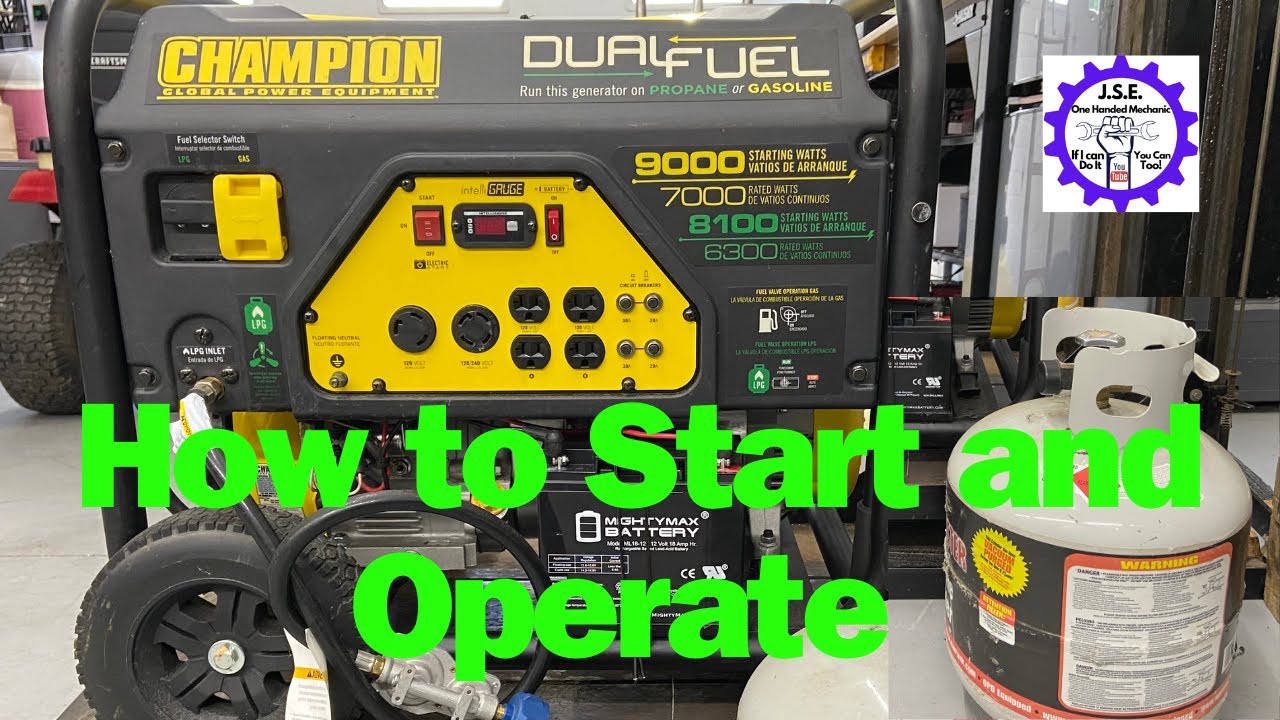
If you own a dual fuel generator, you already know the advantage of having two fuel options at your fingertips. But do you really know how to switch between fuels safely and efficiently?
Whether you’re running on gasoline or propane, making the switch the right way can save you time, prevent damage, and keep your generator running smoothly when you need it most. In this guide, you’ll discover simple, clear steps to switch fuels like a pro—no confusion, no hassle.
Keep reading to master your dual fuel generator and get the most out of every drop of fuel.
Dual Fuel Generators Basics
Dual fuel generators offer flexibility by running on two types of fuel. Usually, these fuels are gasoline and propane. This feature helps users choose fuel based on availability and cost. Understanding the basics of dual fuel generators makes switching fuels easier.
These generators have a simple design to support both fuels. They contain separate fuel tanks or connections and a selector switch. The switch controls which fuel powers the engine. This setup allows quick changes without stopping the generator.
What Is A Dual Fuel Generator?
A dual fuel generator can run on two different fuels. It uses either gasoline or propane to produce electricity. This design adds convenience and saves money during fuel shortages. Users can pick the fuel type that suits their needs best.
How Dual Fuel Generators Work
Dual fuel generators have two fuel inputs. One input connects to a gasoline tank. The other connects to a propane tank or cylinder. A fuel selector switch directs fuel to the engine. The engine runs smoothly on the chosen fuel without extra adjustments.
Benefits Of Dual Fuel Generators
They provide fuel flexibility and reduce running costs. Propane burns cleaner and stores longer than gasoline. Gasoline is easy to find and refuel. Dual fuel generators help during emergencies by using available fuel sources. They also reduce emissions compared to gasoline-only models.
Common Fuel Types Used
Dual fuel generators provide flexibility by running on two different fuel types. Understanding common fuels helps you use the generator properly. It also ensures safety and efficiency during fuel switching. The most popular fuels are gasoline and propane. Each fuel has unique benefits and storage needs.
Gasoline
Gasoline is the most common fuel for generators. It is easy to find and refuel. Gasoline offers high energy output and quick starts. However, it has a shorter shelf life and can be flammable. Store gasoline in a cool, dry place and use fresh fuel for best results.
Propane
Propane is a clean-burning fuel stored as a liquid gas. It burns more efficiently than gasoline. Propane lasts longer in storage and produces less odor. Generators running on propane produce fewer emissions. It is safer to store but requires a tank and regulator for use.
Natural Gas
Natural gas is used mainly for stationary generators. It is supplied through pipelines, offering an endless fuel source. Natural gas burns cleaner than gasoline but less than propane. It is cost-effective for long-term use. Installation requires professional setup and access to gas lines.
Fuel Selector Switch Function
Switching fuels in dual fuel generators involves using the fuel selector switch to choose between gasoline and propane. Turn off the current fuel source, then move the switch to the desired fuel. This simple step allows seamless fuel change without stopping the generator.
What Is The Fuel Selector Switch?
The fuel selector switch controls which fuel powers the generator.
It lets you choose between gasoline and propane easily.
This switch is usually a knob or lever on the control panel.
How To Use The Fuel Selector Switch
Turn the switch to the fuel you want to use.
Make sure the generator is off before switching fuels.
Switching fuels while running can damage the engine.
Safety Tips For Using The Fuel Selector Switch
Always check that the fuel lines are properly connected.
Close the valve on the fuel source you are not using.
Keep the area well-ventilated to avoid gas buildup.
Preparing For Fuel Switch
Preparing to switch fuels in a dual fuel generator ensures safe and smooth operation. It prevents damage to the engine and fuel system. Taking the right steps before the switch helps maintain generator performance.
Follow these key steps to get ready for a fuel switch in your dual fuel generator.
Check Fuel Levels
Make sure both fuel tanks have enough fuel for operation. Running out of fuel during the switch can cause engine problems. Fill the tank with clean, fresh fuel to avoid contamination.
Turn Off The Generator
Always switch off the generator before changing fuels. This stops the engine and prevents fuel mixing. Wait for the engine to cool down for a few minutes to avoid burns.
Close Fuel Valves
Shut off the valve for the current fuel source. This stops fuel flow and reduces the risk of leaks. Confirm the valve is fully closed before proceeding to the next step.
Disconnect Fuel Lines If Needed
Remove hoses or connectors linked to the fuel source being switched off. Handle fuel lines carefully to avoid spills. Clean any fuel residue on connectors before attaching new lines.
Inspect Fuel System Components
Check fuel filters, valves, and connectors for dirt or damage. Replace or clean parts if needed to keep the system running well. Proper inspection prevents clogs and fuel flow issues.
Select The New Fuel
Use the fuel selector knob or switch on your generator. Set it to the new fuel type carefully and firmly. Confirm the setting matches the fuel you plan to use next.
Switching From Gasoline To Propane
Switching fuels in dual fuel generators involves turning off one fuel source and using the selector knob to choose the other. Ensure the propane valve is closed before switching to gasoline, and fill the gas tank with fresh fuel. This simple process lets your generator run smoothly on either fuel.
Prepare The Generator For Fuel Change
Turn off the generator and let it cool down fully.
Close the gasoline valve to stop fuel flow.
Remove the gasoline from the fuel tank carefully.
Check the generator’s manual for any specific instructions.
Connect The Propane Supply
Attach the propane hose securely to the generator’s propane inlet.
Make sure the propane tank valve is closed before connecting.
Inspect the hose and connectors for leaks or damage.
Open the propane tank valve slowly after connection.
Switch The Fuel Selector To Propane
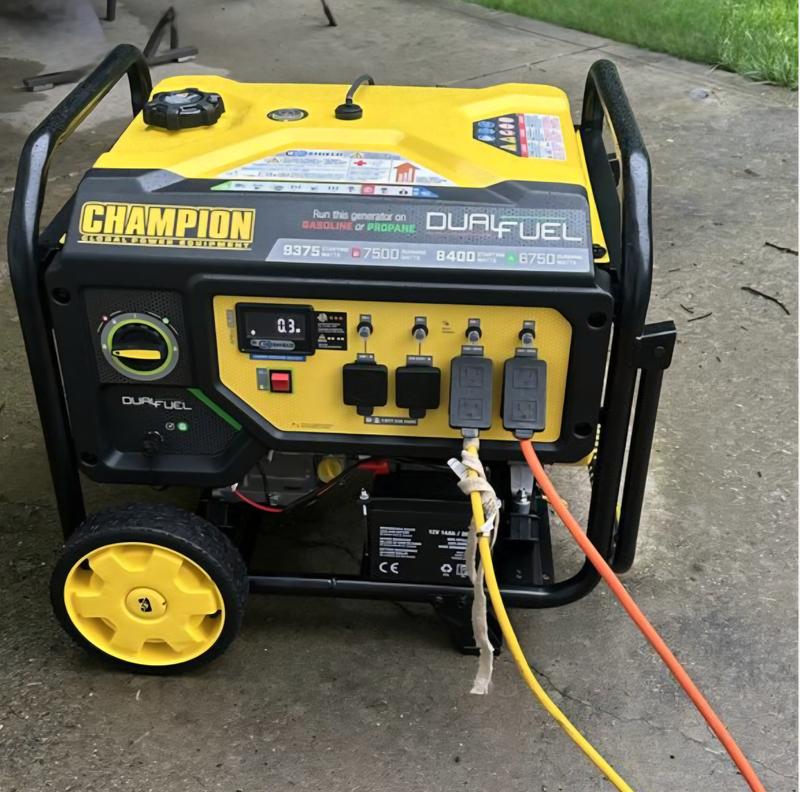
Locate the fuel selector switch or knob on the generator panel.
Turn the switch from gasoline to propane position firmly.
Confirm the switch is in the propane setting.
This action directs the generator to use propane as fuel.
Start The Generator Using Propane
Follow the normal startup procedure as per your manual.
The generator should ignite using propane fuel.
Listen for smooth engine operation without sputtering.
If the engine stalls, check propane connections and switch position.
Credit: www.championpowerequipment.com
Switching From Propane To Gasoline
Switching from propane to gasoline in a dual fuel generator is a simple process. It helps you use the fuel type that is more available or cost-effective. Knowing how to do this safely keeps your generator running smoothly and extends its life.
Turn Off The Generator And Propane Supply
First, shut down your generator completely. Make sure the engine stops running. Then, close the valve on the propane tank. This stops any propane from flowing to the generator. It is important to avoid fuel leaks or accidents.
Disconnect The Propane Hose
Once the generator is off and the propane valve is closed, disconnect the propane hose. Remove it carefully from both the generator and the propane tank. This step prevents propane from entering the engine while using gasoline.
Switch The Fuel Selector To Gasoline
Locate the fuel selector knob or switch on your generator. Turn it from the propane (LP) position to the gasoline (GAS) position. This switch tells the generator to use gasoline as its fuel source.
Fill The Gasoline Tank
Open the gasoline fuel tank cap. Fill the tank with fresh, clean, unleaded gasoline. Avoid overfilling. Securely close the tank cap to prevent spills and evaporation.
Start The Generator On Gasoline
Turn on the generator according to the manufacturer’s instructions. The engine will now run on gasoline. Monitor the generator to ensure it is working properly after the switch.
Checking For Fuel Leaks
Checking for fuel leaks is a critical safety step when switching fuels in dual fuel generators. Leaks can cause fires or damage the generator. Always inspect fuel lines, connections, and tanks carefully before operation.
Small drips or wet spots around the fuel system may indicate a leak. Take your time and look closely. A thorough check can prevent accidents and keep your generator running smoothly.
Visual Inspection Of Fuel Lines And Connections
Start by examining all fuel hoses for cracks or wear. Look at the connections for any loose fittings. Tighten any loose clamps or screws. Replace damaged hoses immediately to avoid leaks.
Using Soapy Water To Detect Leaks
Mix soap with water and apply it to fuel connections. Bubbles will form if there is a leak. This method helps find small leaks that are hard to see. Perform this check regularly for safety.
Smell Test For Gasoline Or Propane Odors
Sniff around the fuel area for strong gasoline or propane smells. A noticeable odor often means a leak. If you detect any smell, stop and fix the issue before starting the generator.
Checking Fuel Tank And Valve Seals
Inspect the fuel tank and valve seals for cracks or damage. These seals keep fuel contained. Replace any worn or broken seals to prevent leaks during fuel switching.
Monitoring Fuel Pressure Gauges
Some dual fuel generators have fuel pressure gauges. Watch the gauges for unusual drops. A sudden drop may indicate a leak in the system. Address the problem before running the generator.
Safety Tips During Fuel Change
Switching fuels in a dual fuel generator requires care and attention. Safety during the fuel change protects you and your equipment. This section highlights key safety tips to follow.
Turn Off The Generator Completely
Always switch off the generator before changing fuels. Let it cool down for a few minutes. This prevents sparks and reduces fire risk.
Work In A Well-ventilated Area
Change fuels outdoors or in open spaces. Good airflow helps disperse fuel vapors. Avoid enclosed spaces to stop harmful gas build-up.
Avoid Open Flames And Sparks
Keep away from cigarettes, matches, and sparks. Fuel vapors are highly flammable. Any ignition source can cause fire or explosion.
Use Proper Containers And Tools
Use clean, approved containers for fuel. Avoid mixing fuels in the same container. Use the correct tools to disconnect and connect fuel lines.
Check For Leaks Before Starting
Inspect all fuel connections after switching. Look for drips or wet spots. Tighten fittings if needed to stop leaks.
Wear Protective Gear
Wear gloves and eye protection. Fuel can irritate skin and eyes. Protective gear adds a safety layer during the change.
Troubleshooting Fuel Switch Issues
Troubleshooting fuel switch issues in dual fuel generators ensures smooth operation. Problems may arise from improper switching or fuel supply. Understanding common issues helps maintain generator performance and avoid damage.
Fuel switch problems often stem from fuel valve or selector knob faults. Dirt or debris can block fuel lines, causing the engine to stall or fail to start. Electrical issues with the switch mechanism also affect fuel selection. Addressing these troubles quickly restores normal function.
Checking The Fuel Selector Knob
First, inspect the fuel selector knob for proper position. The knob must firmly click into place on the chosen fuel. Loose or damaged knobs cause poor contact and fuel delivery errors. Clean the knob area to remove dirt and check for wear. Replace the knob if it feels broken or stuck.
Inspecting Fuel Lines And Connections
Fuel lines carry gas or propane to the engine. Check for cracks, leaks, or blockages in the lines. Tighten loose fittings to prevent air entering the fuel system. Clear any dirt or debris around connections. Replace damaged hoses to ensure steady fuel flow. Leaks waste fuel and can be hazardous.
Verifying Fuel Supply And Quality
Use clean, fresh fuel to avoid clogging and engine issues. Old gasoline or contaminated propane reduces efficiency. Confirm that propane tanks are full and valves open fully. For gasoline, check the fuel level and fill if needed. Avoid mixing fuels during switching to prevent engine damage.
Testing The Electrical Fuel Switch Mechanism
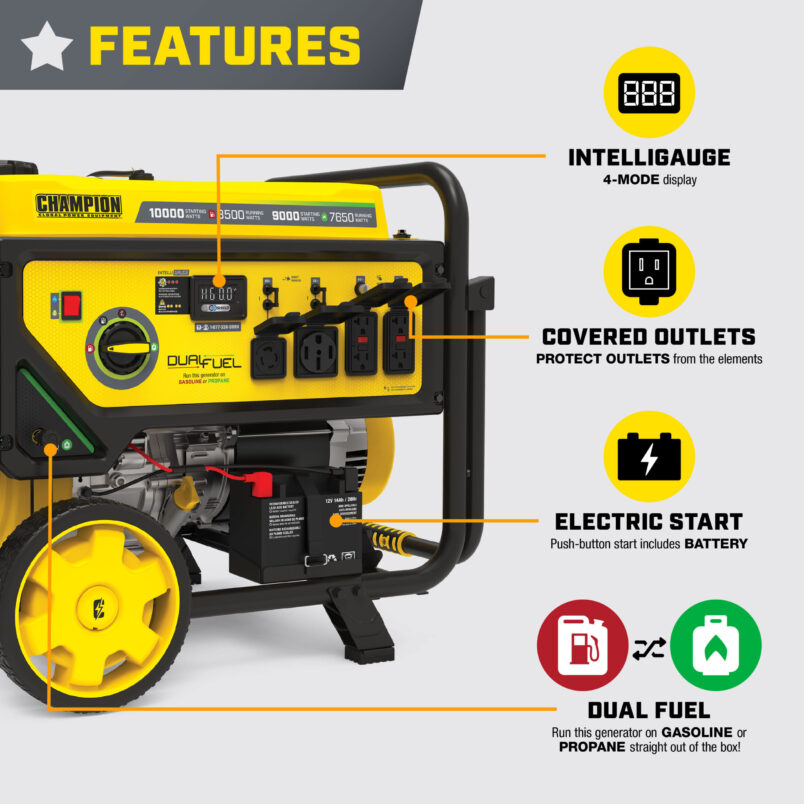
Some dual fuel generators use an electrical switch to change fuels. Test the switch for continuity with a multimeter. Faulty wiring or switch contacts cause switching failures. Repair or replace damaged wires and switches. Ensure power to the switch is stable during operation.
Credit: www.championpowerequipment.com
Maintaining Dual Fuel Generators
Maintaining dual fuel generators ensures they run smoothly and last longer. Regular care helps avoid breakdowns and costly repairs. Proper maintenance also keeps fuel switching easy and safe.
Checking Fuel Lines And Connections
Inspect fuel lines for cracks or leaks often. Tighten all connections to prevent fuel spills. Replace damaged hoses immediately to avoid hazards.
Cleaning The Carburetor
A clean carburetor improves engine performance. Remove dirt and deposits regularly. Use carburetor cleaner sprays for best results.
Changing Oil And Filters
Change the oil after the first 20 hours of use. Then, replace oil every 50 hours or as the manual suggests. Clean or replace air filters to keep the engine healthy.
Testing The Fuel Selector Switch
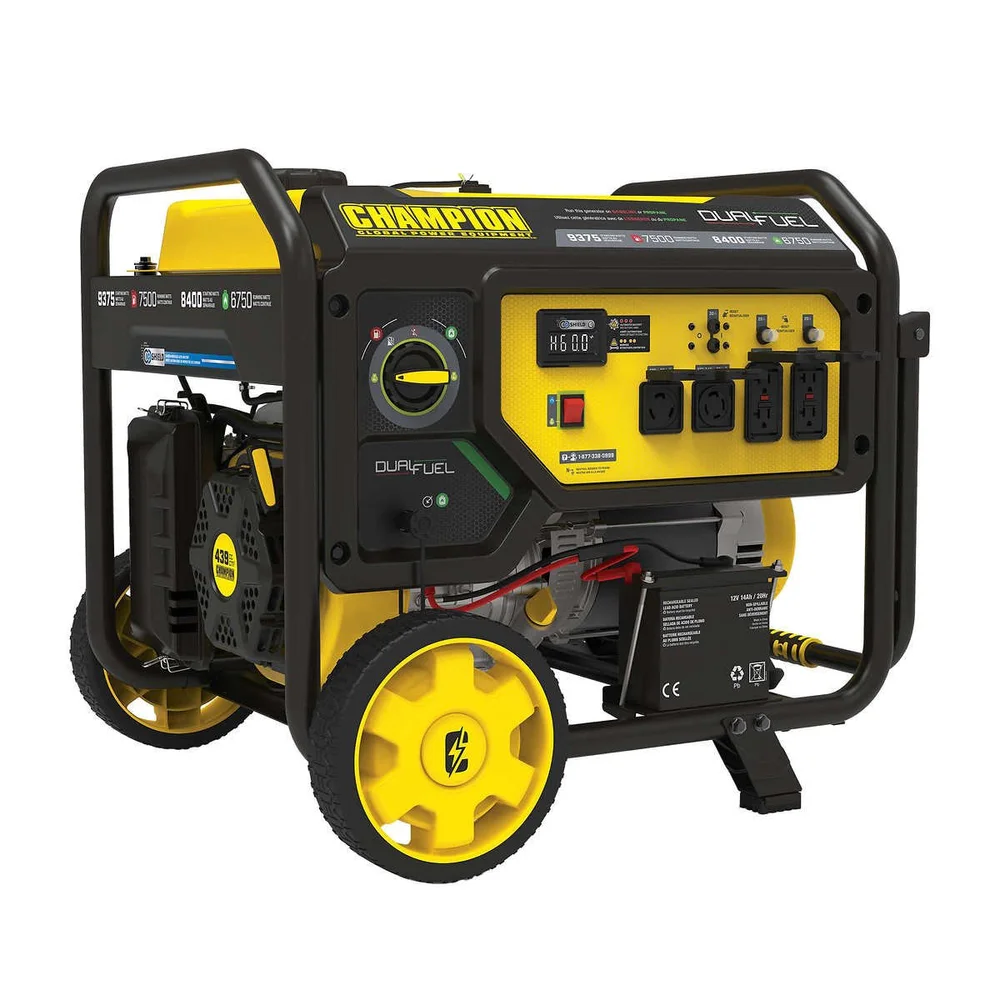
Test the fuel selector switch regularly. Switch between gasoline and propane to ensure smooth operation. Fix or replace the switch if it feels stiff or unresponsive.
Running The Generator On Both Fuels
Run the generator on gasoline and propane separately. This practice prevents fuel system clogging. It also helps identify any fuel-related issues early.
Credit: www.primarydirectliquidation.ca
Frequently Asked Questions
How Do You Switch Fuels In A Dual Fuel Generator?
Turn off the generator and let it cool. Close the current fuel valve. Open the other fuel valve. Use the fuel selector switch or knob to change fuels. Restart the generator and check for proper operation.
Can You Switch Back And Forth Between Propane And Gas On A Generator?
Yes, dual fuel generators allow switching between propane and gas using a fuel selector knob. Turn off the engine first, then switch fuels safely.
What Is The 20/20/20 Rule For Generators?
The 20/20/20 rule for generators means running the generator for 20 minutes every 20 days at 20% load. This keeps the engine and fuel system fresh.
Does A Dual Fuel Generator Run Longer On Gas Or Propane?
A dual fuel generator typically runs longer on propane due to its higher energy efficiency. Propane burns cleaner and lasts longer per unit compared to gasoline.
How Do You Switch Fuels In A Dual Fuel Generator?
Turn off the generator, switch the fuel selector knob, and connect the chosen fuel source.
Can You Switch Between Propane And Gasoline While Running?
No, always turn off the generator before switching fuel types for safety.
What Safety Steps Are Needed Before Switching Fuels?
Turn off the engine, close fuel valves, and disconnect fuel lines if needed.
How Does The Fuel Selector Knob Work?
It lets you choose between gasoline and propane by turning to the desired fuel.
Does Switching Fuels Affect Generator Performance?
Performance may vary slightly, but dual fuel generators are designed to run efficiently on both.
How Often Should You Switch Fuels In A Dual Fuel Generator?
Switch fuels based on availability or preference; no set schedule is needed.
Conclusion
Switching fuels in dual fuel generators is simple with the right steps. Always turn off the engine before changing fuel types. Use the fuel selector knob to choose between gasoline and propane. Check all connections to avoid leaks or damage.
Regular maintenance keeps your generator running smoothly on both fuels. Understanding this process helps you stay prepared during power outages. Stay safe and enjoy the flexibility that dual fuel generators offer.