
When it comes to choosing a generator, you might find yourself torn between an inverter generator and a normal generator. Both have their strengths, but which one is right for you?
If you’re looking for reliable power for camping trips, emergency backup, or home use, understanding the differences is crucial. Imagine enjoying the peace and quiet of nature without the loud hum of a generator ruining your experience. Or think about the comfort of knowing you have a dependable power source during an outage.
These scenarios are possible, but the choice you make can make all the difference. We’ll break down the key features, benefits, and drawbacks of inverter generators versus normal generators. By the end, you’ll have the knowledge to make an informed decision that suits your needs and lifestyle perfectly. Let’s dive in!
What Is An Inverter Generator?
An inverter generator is a type of portable power source. It produces electricity in a safe and stable way. These generators are popular for camping, tailgating, and emergency power. They are smaller and quieter than regular generators.
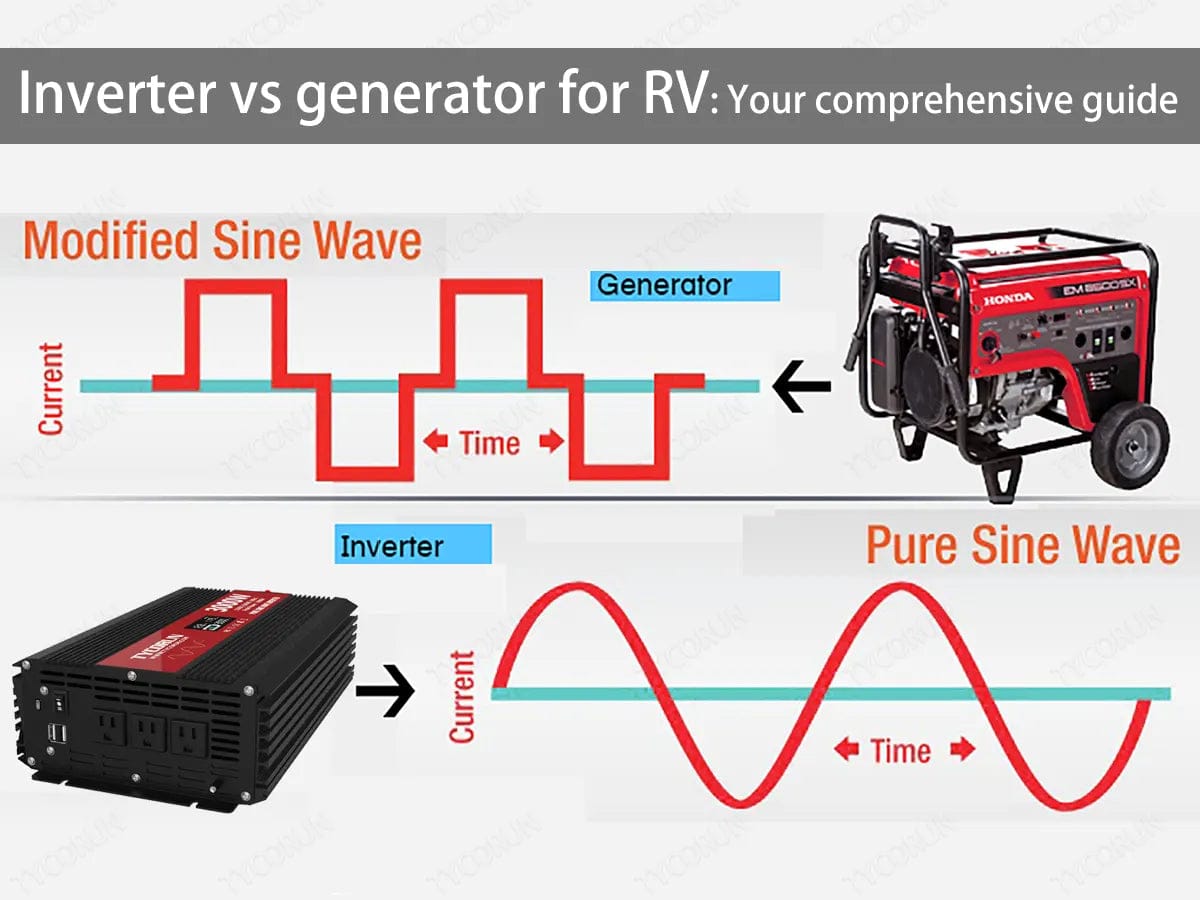
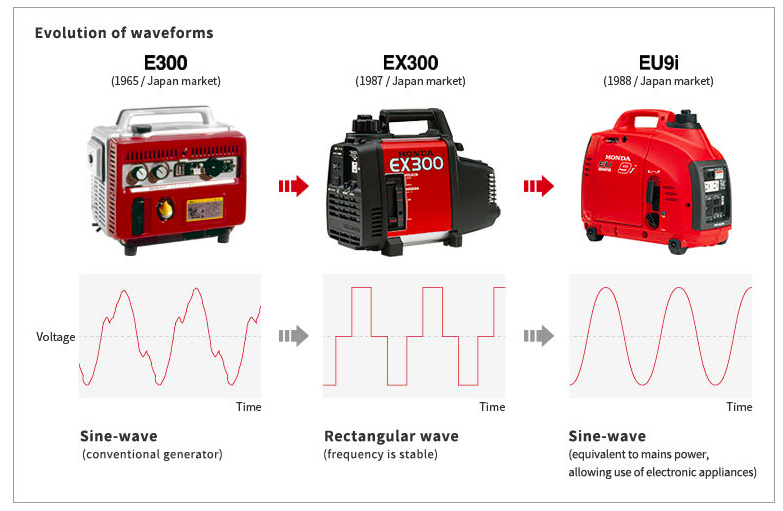
Inverter generators convert raw power into clean power. This clean power is safe for sensitive devices. Laptops, phones, and other electronics work well with this electricity. Regular generators produce a lot of noise. Inverter generators run quietly, making them ideal for peaceful settings.
How Does An Inverter Generator Work?
Inverter generators use advanced technology to create power. They generate electricity with an engine. This electricity is then converted to DC power. After that, an inverter changes the DC power back to AC power.
This process ensures a stable flow of electricity. It also allows for varying output based on demand. As a result, inverter generators are more efficient. They use less fuel compared to regular generators.
Benefits Of Inverter Generators
One major benefit is their portability. Inverter generators are lightweight and easy to carry. You can take them anywhere with little effort. They are also quieter than traditional generators. This makes them perfect for outdoor events.
Another advantage is their fuel efficiency. Inverter generators use less gas. This means longer runtimes on a single tank. They are also safe for electronics, preventing damage.
Common Uses For Inverter Generators
People use inverter generators for many activities. Camping is a popular use. They provide power for lights and cooking appliances. Tailgating parties also benefit from their convenience.
Inverter generators are great for home backup power. They can keep essential devices running during outages. This includes refrigerators, fans, and medical equipment. Their versatility makes them a smart choice for many situations.
Credit: offgridham.com
How Traditional Generators Work
Traditional generators have been around for years. They convert mechanical energy into electrical energy. This process helps power homes, tools, and appliances. Understanding how they work can help you choose the right generator.
Basic Components Of A Traditional Generator
A traditional generator has a few key parts. It includes an engine, alternator, fuel system, and control panel. Each part plays a vital role in producing electricity.
The Role Of The Engine
The engine is the heart of the generator. It burns fuel to create mechanical energy. This energy spins a rotor inside the alternator. The rotor’s movement creates an electromagnetic field.
How The Alternator Works
The alternator converts mechanical energy into electrical energy. It has a stator and rotor. As the rotor spins, it generates alternating current (AC). This is the type of electricity most homes use.
Fuel System And Its Importance
Fuel systems supply energy to the engine. Generators can run on gasoline, diesel, or propane. The choice of fuel affects performance and efficiency.
Control Panel Functions
The control panel monitors the generator’s operation. It shows important information like voltage and frequency. Users can start or stop the generator through this panel.
Efficiency And Noise Levels
Traditional generators can be noisy and less efficient. They often consume more fuel than inverter generators. This can lead to higher operating costs.
Understanding these basics helps you make informed choices. Traditional generators serve many needs, but they have limitations.
Power Output And Efficiency
Understanding the differences in power output and efficiency between inverter generators and normal generators is crucial. This knowledge can help you make an informed decision based on your specific needs. Let’s dive into these aspects to see how they impact your power supply choices.
Power Output: What To Expect
Normal generators typically provide a steady power output. They are great for heavy-duty tasks, like running multiple appliances during a power outage.
On the other hand, inverter generators offer variable power output. They adjust the energy produced based on your load demands. This means they can provide just the right amount of power without wasting energy.
- Normal Generators: Fixed output, ideal for larger power needs.
- Inverter Generators: Adjustable output, perfect for smaller, varied loads.
Efficiency: How Much Fuel Do You Need?
Efficiency is a key factor when comparing these two types of generators. Normal generators often consume more fuel because they run at full power all the time, regardless of your needs.
In contrast, inverter generators are designed to be more fuel-efficient. They use advanced technology to match their output to your requirements, which can save you money in the long run.
For instance, during a recent camping trip, I used an inverter generator to power my lights and small appliances. I noticed it ran longer on less fuel compared to my friend’s normal generator, which was gulping down gas even when only a few items were plugged in.
Noise Levels: A Hidden Efficiency Factor
Don’t overlook noise levels in the power output and efficiency discussion. Normal generators can be quite loud, making them less suitable for residential areas or quiet environments.
Inverter generators, however, are designed to operate quietly. This feature allows you to enjoy your outdoor activities or home comfort without the disruptive noise.
Have you ever tried to have a conversation over the sound of a normal generator? It’s nearly impossible! An inverter generator can change that experience entirely.
In short, understanding power output and efficiency will guide you in choosing the right generator for your needs. The differences can significantly impact your experience, whether at home or on the go.
Fuel Consumption And Cost
Inverter generators typically use less fuel than normal generators. This can lead to lower costs over time. Choosing the right type can save money on fuel and reduce noise.
Fuel consumption and cost are crucial factors to consider when choosing between an inverter generator and a normal generator. Understanding how each type performs in these areas can significantly affect your budget and efficiency. Let’s break down these elements to help you make an informed decision.
Fuel Efficiency Of Inverter Generators
Inverter generators are known for their superior fuel efficiency. They adjust their engine speed based on the power demand. This means they use less fuel when the load is lighter. For example, during a camping trip, if you are only powering a few lights and a phone charger, the inverter generator will run at a lower speed. This leads to longer run times and less fuel consumption compared to a normal generator, which operates at a constant speed regardless of the load.
Fuel Efficiency Of Normal Generators
Normal generators typically operate at a fixed speed, which can lead to higher fuel consumption. They are designed for consistent power output, making them less efficient during light usage. If you plan to power multiple devices consistently, a normal generator may be suitable. However, if you’re only using it sporadically, you might find yourself spending more on fuel than necessary.
Cost Of Fuel For Inverter Vs. Normal Generators
The cost of fuel can vary based on the type of generator you choose. Inverter generators generally require less fuel, translating to lower operating costs over time. For instance, if you use an inverter generator for 10 hours at a light load, you might spend $10 on fuel. In contrast, a normal generator running at full capacity for the same duration could cost you $20 or more.
Overall Cost Considerations
When comparing the initial purchase price, inverter generators tend to be more expensive upfront. However, consider the long-term savings on fuel. Many users report that the savings on fuel can make up for the higher initial investment. Think about how often you’ll use the generator and for what purposes. Are you looking for occasional use, or do you need something for regular power supply? Your answer will guide your choice and help you calculate potential savings effectively. Understanding fuel consumption and costs can help you choose the right generator for your needs. What factors matter most to you when making this important decision?
Noise Levels And Operation
Noise levels can significantly impact your experience with a generator. Whether you’re camping in the great outdoors or powering your home during an outage, the sound of your generator matters. Understanding the differences between inverter generators and normal generators can help you make an informed choice.
Noisy Normal Generators
Normal generators tend to produce a lot of noise. Most models operate at around 70 to 80 decibels, which is comparable to a vacuum cleaner or heavy traffic. This can be disruptive, especially if you’re using it in a residential area or quiet campsite.
Have you ever tried to enjoy a peaceful evening while a loud generator hums in the background? It’s frustrating. Your neighbors may not appreciate the noise either, leading to complaints or even fines.
Whisper-quiet Inverter Generators
Inverter generators, on the other hand, are designed to operate quietly. Many models run at about 50 to 60 decibels. This is similar to a normal conversation, making them perfect for camping or home use without disturbing the peace.
Imagine setting up your tent, hearing the gentle sounds of nature instead of a roaring engine. You can enjoy your surroundings while still having the power you need.
Operation And Efficiency
Normal generators often run at a constant speed, which can lead to wasted fuel and excessive noise. In contrast, inverter generators adjust their engine speed based on the load, making them more efficient. This means you get more power with less fuel, saving you money in the long run.
- Normal generators: Constant speed, higher noise, less fuel efficiency.
- Inverter generators: Variable speed, quieter operation, greater fuel efficiency.
Have you thought about how much fuel costs can add up during extended use? Choosing an inverter generator not only protects your ears but also your wallet.
When selecting a generator, consider your specific needs. Are you prioritizing quiet operation, or is power output more critical for your situation? Understanding noise levels and operational efficiency can lead you to the right choice for your lifestyle.
Portability And Design
Portability and design are key factors for choosing a generator. Inverter generators and normal generators differ greatly in these areas. Understanding these differences helps you make a better choice.
Weight And Size
Inverter generators are lighter and smaller. Many weigh under 50 pounds. This makes them easy to carry. You can fit them in tight spaces.
Normal generators are bulkier. They can weigh over 100 pounds. Their size makes them harder to move. You may need a truck to transport them.
Handle And Wheel Features
Inverter generators often have built-in handles. Some come with wheels. This makes moving them simple and quick.
Normal generators may not have these features. You might need help to lift or drag them. This can be a hassle during power outages or trips.
Design Aesthetics
Inverter generators usually have sleek designs. They look modern and stylish. You can place them anywhere without worry.
Normal generators often look bulky and industrial. Their design may not fit well in all settings.
Noise Levels
Inverter generators run quietly. They produce less noise than normal generators. This is great for camping or quiet neighborhoods.
Normal generators can be loud. Their noise may disturb others nearby. This is something to consider for outdoor use.
Durability And Maintenance
Understanding the durability and maintenance of inverter generators versus normal generators can help you make an informed choice. Each type has distinct qualities that impact their longevity and upkeep. Let’s break down these aspects to ensure you choose wisely.
Durability Of Inverter Generators
Inverter generators are generally built with advanced technology. They often feature high-quality materials, which enhance their durability. This means they can withstand rough conditions better than many normal generators.
For instance, I once took my inverter generator on a camping trip. It faced rain and rough terrain, yet it performed flawlessly. This experience highlighted its resilience compared to a standard generator I had used before, which struggled under similar conditions.
Durability Of Normal Generators
Normal generators tend to be more rugged in construction. They are designed for heavy-duty use, making them suitable for industrial applications. However, their weight and bulk can be a downside for personal use.
While my normal generator has served me well during power outages, it shows signs of wear. After a few years of use, rust and corrosion have begun to take a toll. This differs from the inverter generator, which has maintained its appearance and performance over time.
Maintenance Requirements For Inverter Generators
Inverter generators require less maintenance than normal generators. Their design reduces the chances of mechanical failure. Regular checks on oil levels and occasional filter cleaning are usually sufficient.
During my camping trip, I only needed to check the oil once. This simplicity made my experience stress-free. You can easily manage an inverter generator even if you’re not a technical expert.
Maintenance Requirements For Normal Generators
Normal generators often demand more attention and regular maintenance. You may need to change the oil frequently and inspect various components regularly. This can be time-consuming and may require more tools and technical knowledge.
After a year of heavy use, my normal generator required a full-service check. It was a hassle, and I questioned whether the effort was worth it. If you’re looking for convenience, this can be a significant drawback.
Choosing between an inverter generator and a normal generator often boils down to your needs. Consider your lifestyle and how much maintenance you’re willing to handle. Which factors matter most to you: durability or ease of maintenance?

Credit: www.solentpower.co.uk
Applications And Use Cases
Understanding the applications and use cases of inverter generators and normal generators helps in making the right choice. Each type serves different needs. Knowing these differences can guide your decision.
Home Backup Power
Inverter generators are great for home backup. They are quiet and efficient. You can use them during outages. They power essential appliances like refrigerators and lights.
Outdoor Activities
Normal generators work well for large outdoor events. They provide high power for tools and lights. Inverter generators are perfect for camping. They are lightweight and easy to carry.
Construction Sites
Construction sites need reliable power. Normal generators can handle heavy equipment. They supply the needed wattage. Inverter generators can power smaller tools and devices.
Rv And Travel Use
Inverter generators are ideal for RVs. They are compact and efficient. You can run appliances without draining the battery. Normal generators can also work but take up more space.
Emergency Preparedness
Inverter generators are quiet during emergencies. They won’t disturb neighbors. They are also safer for indoor use. Normal generators can be noisy and require ventilation.
Events And Gatherings
For events, consider the power needs. Inverter generators provide clean power for sound equipment. Normal generators are good for larger setups with many devices.
Environmental Impact
The environmental impact of choosing between an inverter generator and a traditional generator is significant. As we become more aware of our ecological footprint, understanding how these devices affect the environment is crucial. Let’s break down the differences to help you make an informed decision.
Noise Pollution
Noise is a common concern with generators. Traditional generators tend to be louder, producing around 70-80 decibels. This can disturb wildlife and your neighbors.
Inverter generators operate at a much quieter level, typically around 50-60 decibels. You can enjoy a peaceful camping experience without the annoying hum of a loud machine. Think about your next outdoor trip—wouldn’t you prefer the sound of nature over an engine?
Emissions
Emissions from generators contribute to air pollution. Traditional generators often burn fuel inefficiently, releasing harmful gases like carbon monoxide and nitrogen oxides into the atmosphere.
Inverter generators, designed for efficiency, produce fewer emissions. They adjust their engine speed based on the load, which means they use less fuel. This not only reduces your carbon footprint but also saves you money on gas.
Fuel Efficiency
Fuel efficiency directly influences environmental impact. Regular generators consume more fuel, leading to higher emissions and increased costs.
Inverter generators are engineered to optimize fuel usage. This means you can run your generator longer on the same amount of fuel. Have you ever calculated how much fuel you consume on a trip? It could be eye-opening!
Waste Management
Disposing of old generators can be an environmental hazard. Traditional generators have components that can be hard to recycle.
Inverter generators, being more modern, often use materials that are easier to recycle. This makes them a better choice for eco-conscious consumers. Are you considering the long-term impact of your purchase?
Ultimately, choosing an inverter generator over a traditional one can significantly reduce your environmental impact. Think about the noise, emissions, fuel efficiency, and waste management. Your choice can lead to a greener future.
Cost Comparison And Value
Understanding the cost and value of inverter generators versus normal generators is important. Many factors affect the price. This includes features, performance, and fuel efficiency. Buyers should consider both short-term and long-term expenses.
Initial Purchase Price
Normal generators usually cost less than inverter generators. This lower price can attract many buyers. However, the savings may not last. Inverter generators often offer better fuel efficiency. They can save money over time.
Operating Costs
Inverter generators use less fuel. They run quietly and efficiently. This means less money spent on gas. Normal generators may consume more fuel. Operating costs can add up quickly.
Maintenance Expenses
Maintenance costs can differ between the two types. Normal generators often require more upkeep. This can lead to higher maintenance expenses. Inverter generators are generally easier to maintain. They may need fewer repairs in the long run.
Resale Value
Inverter generators tend to hold their value well. Many buyers prefer them for their quiet operation. Normal generators might lose value faster. This affects long-term investment potential.
Overall Value
Consider the total cost of ownership. Inverter generators may have a higher upfront cost. However, their efficiency and lower operating costs can provide better value. Normal generators may seem cheaper at first. Long-term expenses can make them less appealing.

Credit: www.integratesun.com
Frequently Asked Questions
What Is An Inverter Generator?
An inverter generator produces clean and stable power for sensitive devices. It is quieter and more efficient than traditional generators.
How Does An Inverter Generator Work?
An inverter generator converts raw power into clean energy. It uses advanced electronics to regulate voltage and frequency.
What Are The Benefits Of An Inverter Generator?
Benefits include quieter operation, fuel efficiency, and stable power output. They are also lightweight and portable for easy transport.
Can An Inverter Generator Run All Appliances?
Most inverter generators can run small to medium appliances. Check the wattage before connecting larger devices like air conditioners.
How Long Can An Inverter Generator Run?
Run time varies by model and fuel capacity. Generally, they can operate for 6 to 12 hours on a full tank.
Is A Normal Generator Cheaper Than An Inverter Generator?
Normal generators are usually cheaper upfront. However, inverter generators offer better fuel efficiency and quieter operation over time.
What Is The Noise Level Of An Inverter Generator?
Inverter generators typically operate at 50 to 60 decibels. This is quieter than most normal generators, making them more suitable for camping.
Do Inverter Generators Require Maintenance?
Yes, regular maintenance is needed. Change the oil, clean the air filter, and check the spark plug periodically.
Can You Connect Multiple Inverter Generators?
Yes, many inverter generators can be linked together. This increases power output and allows you to run more devices.
Are Inverter Generators Safe For Electronics?
Yes, they provide stable power, making them safe for sensitive electronics like laptops and smartphones.
Conclusion
Choosing between an inverter generator and a normal generator matters. Both have their strengths. An inverter generator is quieter and more efficient. It is great for sensitive electronics. A normal generator offers higher power output but can be noisy. Think about your needs.
Do you need portability or more power? Evaluate your budget too. Both types serve well in different situations. Make an informed choice that fits your lifestyle. Your power needs deserve careful thought.