
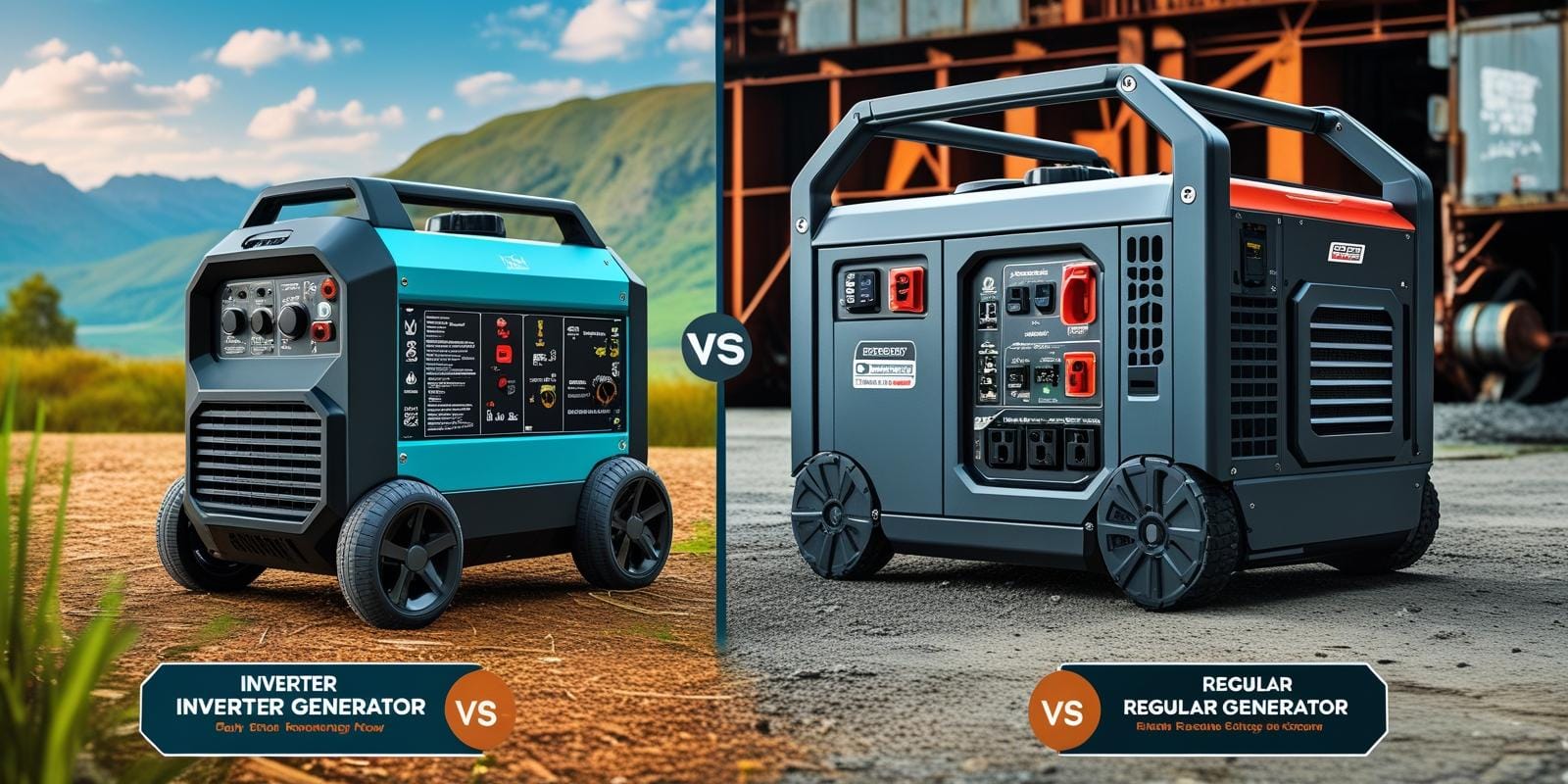
When it comes to power generation, you have choices that can make or break your outdoor experience or emergency preparedness. You might be wondering, “Should I go for an inverter generator or stick with a regular one?”
This decision impacts not only your convenience but also your wallet and peace of mind. We’ll dive into the key differences between inverter generators and regular generators, helping you understand which option suits your needs best. Whether you’re camping, tailgating, or preparing for a power outage, knowing the right generator can enhance your experience.
Stick with us as we explore features, benefits, and potential drawbacks, so you can make an informed choice that fits your lifestyle. Your ideal power solution is just a few paragraphs away!
Inverter Generators And Regular Generators
Generators provide power when you need it most. Two main types exist: inverter generators and regular generators. Each has its own features and benefits. Choosing the right one depends on your needs.
What Is An Inverter Generator?
An inverter generator produces clean and stable power. It uses advanced technology to convert raw electricity. This makes it safe for sensitive devices. Inverter generators are usually quieter and more fuel-efficient.
The compact size makes them easy to transport. They are perfect for camping, tailgating, or home backup. Many models can connect in parallel for extra power.
What Is A Regular Generator?
A regular generator is more traditional. It provides power through a mechanical process. This type can handle larger loads. They are often used for construction sites or in emergencies.
Regular generators produce a lot of noise. They are heavier and less portable. Fuel consumption can be higher compared to inverter models.
Key Differences
Inverter generators are quieter and lighter. Regular generators are more powerful for heavy-duty tasks. Inverter types produce clean power. Regular types can handle larger equipment.
Portability is a big factor. Inverter generators are easier to carry. Regular generators are often fixed in one spot.
Which One Should You Choose?
Your choice depends on your needs. For camping or small electronics, choose an inverter generator. For construction or backup power, a regular generator works better.
Consider how much power you need. Think about where you will use it. Both types have their own strengths.

Credit: www.integratesun.com
How Each Generator Works
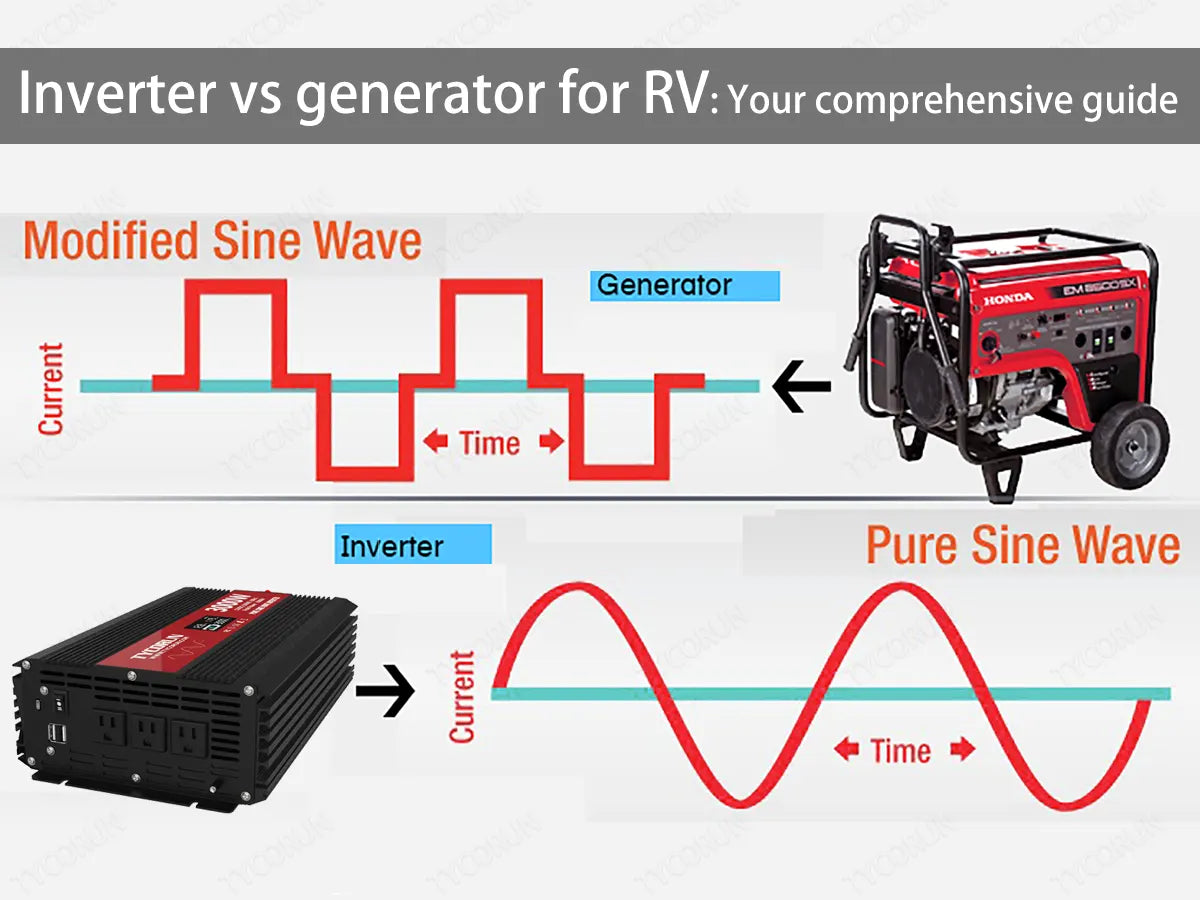
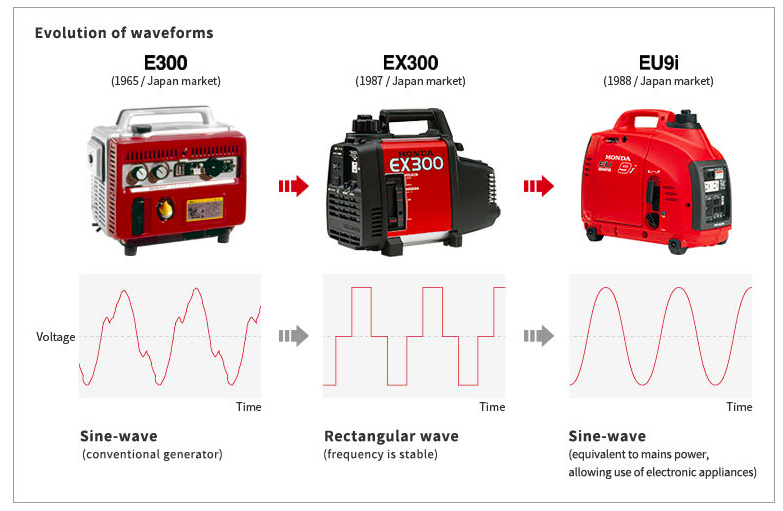
Inverter generators create clean power by converting DC to AC. They adjust engine speed based on demand, making them quiet and fuel-efficient. Regular generators provide constant power at full speed, which can be noisy and less efficient. Understanding these differences helps in choosing the right generator for your needs.
Understanding how inverter generators and regular generators function can significantly influence your choice when selecting the right power source. Each type has its unique mechanisms and applications, which can impact your experience during power outages or outdoor activities.
Regular Generators
Regular generators operate on a straightforward principle. They use an internal combustion engine to convert mechanical energy into electrical energy. This process involves the following steps:
- The engine burns fuel, typically gasoline or diesel.
- This combustion drives a rotor within a magnetic field, generating electricity.
- The produced electricity is then sent directly to your devices.
Regular generators provide a steady flow of power. However, the quality of the electricity can vary, leading to potential damage to sensitive electronics. Have you ever experienced a power surge? It can fry your expensive devices, making you think twice about using a regular generator for delicate equipment.
Inverter Generators
Inverter generators take a different approach to power generation. They also start with an internal combustion engine, but the process is a bit more complex. Here’s how they work:
- The engine generates electricity in a raw form.
- This raw electricity is then converted into direct current (DC).
- The inverter then transforms this DC back into alternating current (AC) at a consistent voltage and frequency.
This method results in cleaner, more stable power. You can safely power sensitive devices like laptops and smartphones without worry. Have you used an inverter generator during a camping trip? The quieter operation and cleaner power can make your experience much more enjoyable. Understanding these differences can help you make an informed decision. Which type of generator aligns better with your needs? Your choice can impact not just your power supply but also the safety and longevity of your devices.
Power Output And Efficiency
Choosing between an inverter generator and a regular generator can be tricky. Power output and efficiency are key factors. Understanding these can help you make a better choice.
Power Output Of Inverter Generators
Inverter generators produce clean and stable power. They adjust their output based on the load. This means they are quiet and fuel-efficient. They are ideal for sensitive devices like laptops and phones.
Power Output Of Regular Generators
Regular generators offer high power output. They work well for heavy-duty tasks. These generators run at a constant speed, regardless of the load. This can lead to more noise and less fuel efficiency.
Efficiency Of Inverter Generators
Inverter generators are known for their fuel efficiency. They can run longer on less fuel. This is great for camping or long outdoor events. Lower fuel use also means less money spent.
Efficiency Of Regular Generators
Regular generators are less efficient than inverters. They use more fuel to provide power. This can add up quickly, especially for extended use. They are better for short, high-demand tasks.
Noise Levels Comparison
Noise levels play a crucial role in your decision between an inverter generator and a regular generator. Understanding the sound output can help you choose the right option for your needs. Let’s dive into how these two types of generators compare in terms of noise levels.
Inverter Generators: Quiet Efficiency
Inverter generators are known for their quiet operation. They typically produce noise levels ranging from 50 to 60 decibels, which is similar to a normal conversation. This makes them ideal for camping trips or tailgating, where a peaceful atmosphere is essential.
Many users have shared their experiences of enjoying a campfire without the distracting hum of a loud generator. This quietness allows you to connect with nature and enjoy your surroundings without interruption. You can even run an inverter generator at night without disturbing your sleep or your neighbors.
Regular Generators: Loud And Proud
Regular generators, on the other hand, can be significantly louder. They often produce noise levels between 70 and 90 decibels, which can be quite disruptive. If you’re using a regular generator, expect it to sound more like a lawnmower or a chainsaw.
Have you ever been at a family gathering where a loud generator drowned out conversations? That’s a common scenario with regular generators. Their noise can ruin the ambiance, especially during outdoor events.
Why Noise Levels Matter
Choosing the right generator impacts not just your comfort but also your neighbors’. A quiet inverter generator might be the better choice if you live in a densely populated area. Consider your lifestyle and how often you will use your generator.
Do you value peace and quiet, or are you more focused on power output? Reflecting on this question can guide you to the right choice for your needs.
Making The Right Choice
When selecting between an inverter generator and a regular generator, noise levels are a key factor. Inverter generators offer a quieter experience, while regular generators deliver raw power at the expense of volume. Balance your need for quiet with your power requirements to make an informed decision.
Remember, the right generator can enhance your experience—whether it’s camping, working on a job site, or providing backup power at home. What will you prioritize: peace or power?
Portability And Design
Portability and design are key factors in choosing a generator. The right choice depends on your needs. Let’s explore how inverter generators and regular generators differ in these areas.
Weight And Size
Inverter generators are lighter and smaller than regular generators. They are easy to carry. This makes them great for camping or outdoor events. Regular generators are bulkier. They can be hard to move around.
Noise Level
Inverter generators run quietly. They produce less noise than regular generators. This is ideal for quiet environments. Camping sites and residential areas prefer this feature. Regular generators are louder. They can disturb your peace.
Design Features
Inverter generators have modern designs. They often include handles and wheels. This makes them more user-friendly. Regular generators may lack these features. Their design is usually more utilitarian.
Fuel Efficiency
Inverter generators use fuel more efficiently. They adjust power output based on demand. This saves fuel and reduces emissions. Regular generators run at full power all the time. This can waste fuel.
Storage Options
Storing inverter generators is easier. Their compact size fits in small spaces. Regular generators need more room. They can be challenging to store in tight areas.
Fuel Consumption And Cost
Fuel consumption and cost are crucial factors to consider when choosing between an inverter generator and a regular generator. Your choice can significantly impact your wallet and the environment. Understanding these aspects helps you make an informed decision.
Fuel Efficiency
Inverter generators are designed for efficiency. They adjust their engine speed based on the load, meaning they use less fuel when the demand is low. This can lead to substantial savings over time, especially if you plan to use your generator regularly.
Regular generators, on the other hand, typically run at full speed regardless of the load. This constant operation can lead to higher fuel consumption, making them less economical in the long run. Have you ever calculated how much fuel you spend during a camping trip or a power outage?
Operating Costs
The initial cost of an inverter generator may be higher, but the savings on fuel often offset this difference. Consider your usage patterns. If you need a generator for occasional use, the efficiency of an inverter can quickly pay for itself.
Regular generators might have a lower upfront cost, but their fuel consumption can add up quickly. If you’re using one for extended periods, the expenses can escalate. What’s your budget for both the purchase and ongoing fuel costs?
Less fuel consumption means a smaller carbon footprint. Inverter generators are often more eco-friendly, producing fewer emissions. If environmental sustainability matters to you, this is an important consideration.
Regular generators can contribute to more air pollution due to their inefficient fuel use. You might want to consider how your choice aligns with your values regarding the environment. Are you willing to pay a bit more for a cleaner option?
Ultimately, your choice between an inverter generator and a regular generator should hinge on fuel consumption and cost. Think about how you plan to use your generator and the impact on your finances and the environment. What factors matter most to you in your decision-making process?
Durability And Maintenance
Durability and maintenance are key factors to consider when choosing between an inverter generator and a regular generator. Understanding how long these machines last and how much upkeep they require can save you time and money in the long run. Let’s break down what you need to know about each type.
Durability Of Inverter Generators
Inverter generators are designed with advanced technology that often makes them more durable than regular generators. Their compact and lightweight build means they can handle rough handling better. You might find that they endure longer in outdoor settings due to their robust construction.
For example, I took my inverter generator on a camping trip. Despite being tossed around in the trunk, it started without a hitch. This kind of resilience is something you might not get from a traditional generator.
Durability Of Regular Generators
Regular generators are generally built for heavy-duty tasks. They can withstand continuous use and are often favored for construction sites or prolonged power outages. However, their bulk can make them more susceptible to damage if not handled carefully.
If you’ve ever seen a regular generator operate under harsh conditions, you know it can take a beating. But this durability comes with a trade-off; they tend to be heavier and less portable.
Maintenance Of Inverter Generators
Inverter generators typically require less maintenance than their regular counterparts. Most models have fewer moving parts, which means fewer things can go wrong. Regular oil changes and occasional filter replacements are usually all that’s needed.
I remember the first time I checked the oil in my inverter generator. It was straightforward and didn’t take long at all. This ease of maintenance can be a big plus for busy individuals.
Maintenance Of Regular Generators
Regular generators demand more attention. They often need regular oil changes, air filter replacements, and fuel system checks. Neglecting these tasks can lead to costly repairs down the line.
Have you ever faced a situation where a generator wouldn’t start because of a simple maintenance issue? It’s frustrating and easily avoidable with regular upkeep. If you choose a traditional generator, be prepared to invest more time in its care.
Cost Of Maintenance
When comparing costs, inverter generators can save you money in maintenance over time. Fewer parts mean less likelihood of repairs. You can often find budget-friendly options that still offer durability.
On the other hand, regular generators may have a lower initial purchase price, but their maintenance costs can add up quickly. It’s essential to weigh these factors based on your specific needs.
Ultimately, choosing between an inverter generator and a regular generator boils down to your lifestyle and how much effort you’re willing to put into maintenance. Which factors are most important to you—durability or ease of upkeep?
Credit: www.tycorun.com
Applications And Use Cases
Inverter generators and regular generators serve different needs. Understanding their applications can help you choose the right one. Each type has unique features that make it suitable for specific situations.
Home Backup Power
Inverter generators are quiet and efficient. They are great for home backup. You can power essential appliances during outages. Regular generators often produce more noise and use more fuel.
Camping And Outdoor Activities
Inverter generators are lightweight and portable. They fit well in camping setups. You can charge devices and power small appliances. Regular generators are bulky and harder to transport.
Construction Sites
Regular generators are popular on construction sites. They provide high power for tools. Inverter generators can also work here but may have less output. Consider your power needs before choosing.
Events And Festivals
For events, inverter generators shine. They run quietly and cleanly. Guests enjoy the ambiance without loud noise. Regular generators can disrupt the atmosphere with their sound.
Emergency Services
Inverter generators are useful for emergency services. They can power medical equipment quietly. Regular generators are more suited for large-scale operations. Assess the requirements for each situation.
Home Renovations
During home renovations, regular generators are often preferred. They can handle heavy tools and equipment. Inverter generators work well for lighter tasks. It depends on the scale of your project.
Environmental Impact
The environmental impact of power generation is a topic that deserves serious attention. As you consider whether to invest in an inverter generator or a regular generator, understanding their effects on the environment can help guide your decision. Let’s break down the differences in a straightforward way.
Emissions And Air Quality
Regular generators tend to emit more harmful pollutants. They often burn fuel less efficiently, releasing carbon monoxide, nitrogen oxides, and particulate matter into the air. This can lead to poor air quality, affecting both your health and the environment.
Inverter generators, on the other hand, produce cleaner emissions. They utilize advanced technology to burn fuel more efficiently. This results in fewer pollutants, making them a better choice for those concerned about air quality.
Noise Pollution
No one enjoys a noisy generator ruining a peaceful day outdoors. Regular generators can be quite loud, often exceeding 70 decibels, which can disturb neighbors and wildlife. This noise can detract from your experience whether you’re camping or working on a home project.
Inverter generators are typically quieter, operating around 50-60 decibels. This makes them more suitable for residential areas and outdoor activities. A quieter generator allows you to enjoy your surroundings without interruption.
Fuel Efficiency
Fuel efficiency plays a crucial role in environmental impact. Regular generators often consume more fuel, which not only increases costs but also contributes to resource depletion. The more fuel you use, the more greenhouse gases you release.
Inverter generators excel in this area. They adjust their engine speed based on the electrical load, which leads to less fuel consumption. This means fewer emissions and a smaller carbon footprint for your energy needs.
Waste Management
Generators can also contribute to waste issues, particularly with oil and fuel disposal. Regular generators require more frequent oil changes, leading to more waste. Improper disposal of this waste can harm the environment.
Inverter generators generally require less maintenance and produce less waste. Their efficient design means you change the oil less often, reducing the potential for environmental harm. This makes them a more sustainable option in the long run.
As you weigh your options, consider how your choice impacts the environment. Will you prioritize cleaner emissions and less noise? Your decision can contribute to a healthier planet for future generations.
Factors To Consider For Your Choice
Choosing between an inverter generator and a regular generator can be a daunting task. Your specific needs and circumstances will guide your decision. Consider these key factors to make an informed choice that suits your lifestyle.
Power Output
First, assess your power needs. Do you require a steady supply for sensitive electronics, or will you be running heavy-duty appliances?
- Inverter generators provide clean and stable power, ideal for laptops, phones, and other sensitive devices.
- Regular generators deliver more wattage, suitable for larger equipment like air conditioners or power tools.
Think about what you’ll be powering and how much wattage is necessary. This will help you choose the right type of generator.
Portability
How often will you need to transport your generator? If you plan to take it on camping trips or to job sites, weight and size matter.
- Inverter generators are typically lighter and more compact.
- Regular generators can be bulkier and heavier, making them less convenient to move.
Consider your lifestyle. A portable generator can be a game-changer for outdoor activities or emergencies.
Noise Level
Noise can be a dealbreaker for many. Are you using the generator in a quiet neighborhood or while camping?
- Inverter generators are known for being quieter, often running at 50-60 decibels.
- Regular generators can exceed 70 decibels, which might disturb your neighbors.
Think about the environment where you’ll use the generator. A quieter option can enhance your experience.
Fuel Efficiency
Fuel consumption affects long-term costs. How often do you want to refuel your generator?
- Inverter generators generally offer better fuel efficiency, running longer on less fuel.
- Regular generators may consume more fuel, especially under heavy loads.
Evaluate how much you’re willing to spend on fuel over time. This can significantly impact your choice.
Cost
Lastly, consider your budget. How much are you willing to invest?
- Inverter generators usually come at a higher initial cost.
- Regular generators might be more affordable but could lead to higher operating costs.
Think about the total cost of ownership. Sometimes, spending a bit more upfront can save you in the long run.
Taking these factors into account will help you choose the generator that fits your needs perfectly. What features matter most to you? Your answer might just lead you to the right decision.
Credit: offgridham.com
Frequently Asked Questions
What Is An Inverter Generator?
An inverter generator produces clean energy with less noise. It’s great for sensitive electronics.
How Does A Regular Generator Work?
A regular generator creates power using a fuel engine. It generates electricity directly, often with more noise.
What Are The Main Advantages Of Inverter Generators?
Inverter generators are quieter, lighter, and provide stable power. They are ideal for camping and home use.
Can I Use An Inverter Generator For My Home?
Yes, an inverter generator can power essential home appliances during outages. Check its wattage capacity first.
What Is The Noise Level Of Inverter Generators?
Inverter generators are much quieter than regular generators. They typically operate between 50 to 60 decibels.
Are Inverter Generators More Expensive Than Regular Generators?
Yes, inverter generators usually cost more due to their advanced technology. However, their benefits often justify the price.
How Long Can Inverter Generators Run Continuously?
Most inverter generators can run for about 8 to 12 hours on a single tank of gas.
Which Is Better For Camping: Inverter Or Regular Generator?
Inverter generators are better for camping. They are lightweight, quiet, and safe for sensitive devices.
Do Inverter Generators Need Maintenance?
Yes, inverter generators need regular maintenance. Check oil levels, clean filters, and inspect fuel lines.
Can I Connect Multiple Inverter Generators Together?
Yes, many inverter generators can be linked together using parallel kits. This increases power output safely.
Conclusion
Choosing between an inverter generator and a regular generator depends on your needs. Inverter generators are quieter and more efficient. They work well for sensitive electronics. Regular generators usually offer more power for heavy-duty tasks. Think about where and how you plan to use it.
Your choice will affect your experience. Make sure to consider fuel type, portability, and noise level. Both options have their benefits. Evaluate what matters most to you before deciding. This way, you can pick the right generator for your lifestyle.