

When it comes to choosing a generator, you may find yourself torn between inverter and non-inverter options. Each has its own unique set of advantages and disadvantages, making the decision feel overwhelming.
But don’t worry, we’re here to simplify it for you. Understanding the key differences can save you time, money, and hassle. Imagine needing a reliable power source for your home, outdoor activities, or emergencies. You want something that meets your specific needs without breaking the bank.
We’ll break down the essential features of inverter and non-inverter generators, helping you make an informed choice. By the end, you’ll know exactly which type of generator is right for you. Let’s dive in!
Inverter Generators Explained
Understanding inverter generators can change how you approach power needs. These devices are compact, efficient, and designed for a range of uses—from camping to home backup. Knowing how they work helps you make informed choices.
What Is An Inverter Generator?
An inverter generator is a type of generator that produces electricity through a process that converts DC (direct current) into AC (alternating current). This conversion allows for cleaner power output. The result? A steady and stable power supply that is safe for sensitive electronics.
How Do Inverter Generators Work?
Inverter generators use advanced electronics to adjust their power output based on your needs. They start with a gas engine, which generates power in DC. Then, an inverter changes that power into AC, allowing it to be used for various devices.
- Quiet operation: Many inverter generators run significantly quieter than traditional models.
- Lightweight design: They are usually more portable, making them ideal for outdoor activities.
- Fuel efficiency: These generators adjust their engine speed based on the load, saving fuel.
Benefits Of Inverter Generators
Using an inverter generator offers several advantages:
- Clean Power:They provide a stable current, which is crucial for sensitive devices like laptops and smartphones.
- Portability:The lightweight design makes them easy to transport, perfect for camping trips or tailgating.
- Versatile Use:They can power a wide range of devices, from tools to appliances.
Have you ever worried about damaging your electronics while camping? Inverter generators can give you peace of mind, knowing your devices are safe.
Choosing The Right Inverter Generator
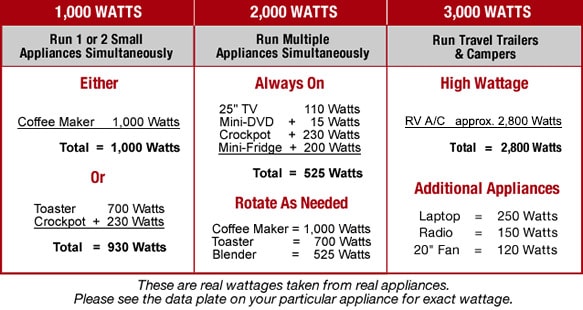
Selecting the right inverter generator depends on your specific needs. Consider the wattage required to power your devices. A generator with a higher wattage may be necessary for larger appliances.
Also, think about how portable you want your generator to be. Some models are designed for easy transport, while others may be more suited for stationary use.
Inverter generators can change your approach to power needs. Are you ready to find the one that fits your lifestyle?
Non Inverter Generators Explained
Non inverter generators are a popular choice for many households and outdoor enthusiasts. They provide a reliable source of power, especially in areas where electricity is unreliable. Understanding how they work can help you decide if they are the right fit for your needs.
What Are Non Inverter Generators?
Non inverter generators produce electricity using a mechanical process involving a gasoline or diesel engine. They generate power directly from the engine’s rotation, resulting in a steady output of voltage. Unlike inverter generators, they do not convert the power into a stable waveform.
Key Features
- Power Output:Non inverter generators typically offer higher wattage output, making them suitable for heavy-duty tasks.
- Cost:They are generally more affordable than inverter models. This makes them attractive for budget-conscious buyers.
- Durability:Designed for rugged use, they can handle rough conditions, which is ideal for construction sites or camping.
Noise Levels
One downside is that non inverter generators can be quite noisy. If you’re using one in a residential area, it might disturb your neighbors. Think about how important noise levels are for your situation before making a decision.
Fuel Efficiency
These generators are less fuel-efficient compared to inverter models. They run at a constant speed, regardless of the load, leading to more fuel consumption. If you plan to use it for extended periods, this could significantly impact your costs.
Best Uses
Non inverter generators excel in various applications. They are ideal for powering construction tools, RVs, and outdoor events. If you need a reliable power source for appliances during an outage, they can deliver.
However, consider what devices you will connect. Will you power sensitive electronics? Non inverter generators may not be the best choice for that.
Personal Experience
Once, I decided to take a non inverter generator on a camping trip. It powered our lights and portable fridge just fine but the noise was a constant reminder of its presence. I quickly learned that while it was powerful, I needed to be mindful of its impact on the overall experience.
Choosing between a non inverter and an inverter generator requires evaluating your unique needs. What will you use it for? How often will you need it? Your answers can guide you to the right decision.
Key Differences Between Inverter And Non Inverter
Inverter generators produce clean power, making them ideal for sensitive electronics. Non-inverter generators deliver more power but can be noisy. Understanding these differences helps you choose the right generator for your needs.
Understanding the differences between inverter and non-inverter generators is essential for making an informed choice. Both types serve the same fundamental purpose: providing electricity in situations where the grid is unavailable. However, their technology and performance can vary significantly, impacting your experience and satisfaction.
Power Quality
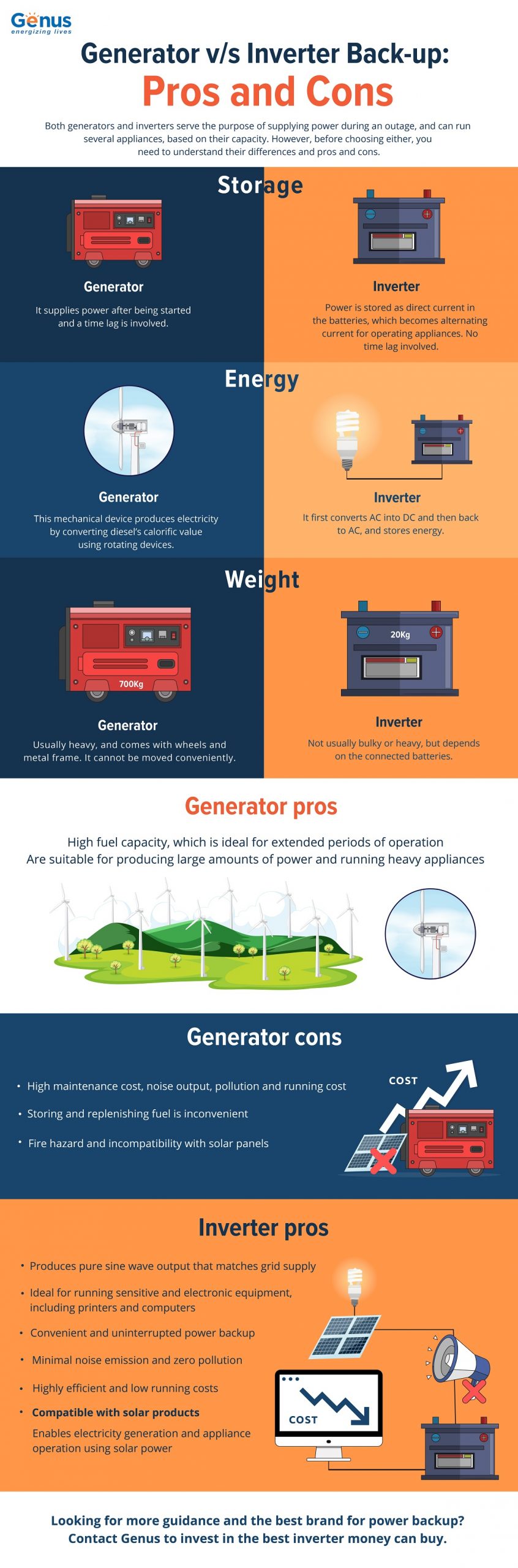
Inverter generators produce cleaner, more stable power compared to non-inverter models. This is crucial if you plan to power sensitive electronics like laptops or smartphones. The smooth sine wave produced by inverter generators prevents damage to your devices. Non-inverter generators generate a more fluctuating power output. This can be a problem when powering delicate equipment. If you often use devices that require a steady current, an inverter generator might be the better choice for you.
Portability And Design
Inverter generators are typically smaller and lighter. Their compact design makes them easier to transport and store. If you’re someone who values portability, you’ll appreciate how easy it is to move an inverter generator around. On the other hand, non-inverter generators tend to be bulkier and heavier. If you need a stationary power source for longer periods, their size might not be an issue. However, think about your needs: will you be using it at home, or do you need to take it on camping trips?
Noise Levels
Noise can be a significant factor when choosing a generator. Inverter generators operate much quieter than their non-inverter counterparts. If you enjoy outdoor activities like camping or tailgating, a quieter generator will enhance your experience. Non-inverter generators can be quite loud. This can disturb your peace during outdoor events or even irritate your neighbors. Consider the noise levels if you plan to use the generator in populated areas.
Fuel Efficiency
Fuel efficiency is another critical area where inverter generators excel. They adjust their engine speed based on the load, which can save you money over time. If you frequently use a generator, this efficiency can lead to significant savings. Non-inverter generators run at a constant speed, regardless of the load. This can lead to wasted fuel and higher operating costs. If you’re budget-conscious, an inverter generator might be the smarter financial choice. Inverter generators generally come with a higher upfront cost. However, their advanced technology often leads to long-term savings. If you plan to use your generator regularly, the investment might be worth it. Non-inverter generators are usually more budget-friendly at the outset. Yet, consider the potential costs of fuel and repairs over time. Are you willing to sacrifice long-term savings for a lower initial investment? Understanding these differences can help you choose the right generator for your needs. Think about how you plan to use it and what features matter most to you. Your choice can greatly impact your convenience and satisfaction in the long run.
Credit: www.electricgeneratorsdirect.com
Power Output And Stability
Understanding the differences in power output and stability between inverter and non-inverter generators can significantly impact your choice. Whether you need a generator for home use, camping, or outdoor events, knowing how these generators perform is crucial. Let’s dive into the specifics.
Power Output Of Inverter Generators
Inverter generators provide a stable and consistent power output. They utilize advanced technology to convert AC power to DC and then back to AC, ensuring a smooth power flow. This makes them suitable for sensitive electronics like laptops and smartphones.
When I first used an inverter generator at a camping trip, I was amazed at how quietly it operated while powering my laptop. I could work remotely without worrying about voltage spikes damaging my devices.
Power Output Of Non-inverter Generators
Non-inverter generators deliver a more fluctuating power output. They produce electricity directly from the engine speed, which can lead to unstable voltage levels. This inconsistency might not be suitable for sensitive equipment.
Imagine running your home appliances during a power outage. A non-inverter generator could potentially fry your TV or refrigerator due to sudden power surges. It’s crucial to understand what you’re powering.
Stability In Inverter Generators
Stability is a key advantage of inverter generators. Their ability to adjust engine speed based on the load allows them to maintain a constant output. This not only protects your devices but also enhances fuel efficiency.
During my recent power outage, the inverter generator I used maintained a steady supply of electricity. I could run my fridge and lights without any flicker or worry about damaging appliances.
Stability In Non-inverter Generators
Non-inverter generators often struggle with stability. Their fixed engine speed can lead to voltage fluctuations, which can be problematic for more sensitive devices. While these generators are generally more rugged, they lack the finesse of inverters.
While camping with friends, we used a non-inverter generator to power our lights and speakers. The sound from the speakers would crackle at times, especially when the generator was under heavy load. It was a clear reminder of the instability these generators can present.
Choosing between inverter and non-inverter generators depends on your specific needs. What will you be powering? Understanding power output and stability can guide you to the right choice for your situation.
Fuel Efficiency Comparison
Inverter generators are known for better fuel efficiency compared to non-inverter models. They adjust their engine speed based on power needs, saving fuel. Non-inverter generators run at a constant speed, often using more fuel for less efficiency.
Fuel efficiency is a crucial factor to consider when choosing between an inverter and a non-inverter generator. Understanding how these two types of generators perform in terms of fuel consumption can help you make a more informed decision. Let’s break down their differences and see which one might save you more money at the pump.
Understanding Inverter Generators
Inverter generators are designed to provide power efficiently. They adjust their engine speed based on the load, which means they only use the fuel necessary for the current demand. This capability makes them more fuel-efficient than traditional generators. You might notice that your neighbor’s inverter generator runs quietly and doesn’t burn through fuel as quickly as your old non-inverter model. Many users report that inverter generators can run for up to 8-12 hours on a single tank, depending on the load.
Examining Non-inverter Generators
Non-inverter generators operate at a constant speed, regardless of the load. This means they consume fuel continuously, even when less power is needed. As a result, they are often less fuel-efficient. If you use a non-inverter generator for a weekend camping trip, you might find yourself refueling more often than you’d like. These generators typically run for about 6-8 hours on a full tank, which can be inconvenient if you’re in a remote location. To provide a clearer picture, here’s a quick comparison of fuel efficiency between inverter and non-inverter generators:
| Type | Fuel Efficiency (hours per tank) | Load Adjustment |
|---|---|---|
| Inverter Generator | 8-12 hours | Yes |
| Non-Inverter Generator | 6-8 hours | No |
You may be wondering if the higher initial cost of an inverter generator is worth it. Consider how much you’ll spend on fuel over time. If you use your generator frequently, the savings on fuel could quickly offset that initial investment.
Real-life Implications
Think about your needs. Do you plan to use your generator for long periods, or just occasionally? If you often need power for extended hours, an inverter generator’s fuel efficiency will serve you better. I’ve experienced this firsthand while camping. My friend’s inverter generator kept running smoothly while mine had to be refueled more often, disrupting our fun. The difference in fuel consumption became a talking point around the campfire, and it’s a lesson I won’t forget. Making a choice between an inverter and a non-inverter generator doesn’t just come down to price. The long-term fuel efficiency can significantly impact your overall costs. What are your priorities? Fuel efficiency, noise level, or initial cost? Your answer will guide you toward the right generator for your needs.
Credit: www.genusinnovation.com
Noise Levels And Performance
Noise levels and performance are key factors in choosing a generator. Different types produce varying sounds. This can affect comfort and usability. A quiet generator is often more desirable. Let’s explore noise levels and performance for inverter and non-inverter generators.
Inverter Generators: Quiet And Efficient
Inverter generators are known for their low noise levels. They usually run at 50 to 60 decibels. This is similar to a normal conversation. Their noise levels make them ideal for camping or residential areas.
Performance is strong but stable. They adjust engine speed based on power needs. This means they use less fuel and produce less noise. Inverter generators are often more efficient.
Non-inverter Generators: Loud But Powerful
Non-inverter generators tend to be louder. Noise levels can reach 70 decibels or more. This can be disruptive, especially in quiet neighborhoods. They are better suited for construction sites or outdoor events.
These generators deliver high power consistently. They maintain a steady output without adjusting. This can be beneficial for heavy-duty tasks. However, the noise can be a downside.
Choosing The Right Option For Your Needs
Deciding between inverter and non-inverter generators depends on your needs. If low noise is a priority, choose an inverter generator. For high power and durability, consider a non-inverter generator.
Think about where you will use the generator. Noise restrictions may apply in some areas. Performance requirements also play a role. Understanding these factors will help you make the best choice.
Portability And Design Features
Portability and design features differ between inverter and non-inverter generators. Inverter generators are typically lighter and quieter, making them easier to transport. Non-inverter generators often have a more rugged design but can be bulkier and noisier. Each type offers unique advantages based on your needs.
Portability and design features play a crucial role in choosing between an inverter and a non-inverter generator. Whether you need power for camping trips, outdoor events, or emergency situations, understanding these aspects can help you make an informed decision.
Weight And Size
Inverter generators are generally lighter and more compact than their non-inverter counterparts. This makes them easier to transport. You can often carry an inverter generator with one hand, whereas a non-inverter generator might require two people to lift. Consider your needs. If you plan to take your generator on the go, size and weight matter.
Noise Levels
Noise is another significant factor. Inverter generators operate quietly, making them ideal for camping or residential areas. You can hold a conversation while your inverter generator is running, which is a big advantage during outdoor gatherings. On the other hand, non-inverter generators tend to be louder and may disturb your surroundings. Do you want to enjoy the peace of nature or annoy your neighbors?
Fuel Efficiency
Inverter generators are often more fuel-efficient. They adjust the engine speed based on the load, which saves fuel. This efficiency not only extends run time but also reduces emissions. If you’re looking for an eco-friendly option, an inverter generator can be a smart choice.
Design Versatility
Inverter generators come with more versatile design features. Many include features like multiple AC outlets, USB ports, and parallel capability for connecting two units. This flexibility can be a game-changer for your power needs. Non-inverter generators might have limited outlets and lack modern conveniences, making them less adaptable to your devices. Are you prepared to sacrifice versatility for raw power?
Portability Accessories
Many inverter generators are designed with portability in mind. They often come with built-in handles or wheels for easy transport. You might find yourself effortlessly moving your generator from the garage to the backyard or even loading it in your vehicle for a weekend trip. Non-inverter generators usually lack these features, making them cumbersome to move. If you value portability, this is a key consideration. Understanding these aspects of portability and design features can greatly influence your choice between inverter and non-inverter generators. Think about where and how you will use the generator, and weigh these factors carefully.
Cost Considerations
Choosing between an inverter and a non-inverter generator involves cost. The initial price is important. But, other factors affect long-term expenses. Understanding these costs helps make a smart choice.
Initial Purchase Price
Inverter generators usually cost more upfront. Their technology is advanced. Non-inverter generators are often cheaper. They provide basic power needs. Consider your budget when selecting.
Fuel Efficiency
Inverter generators are more fuel-efficient. They adjust power output based on demand. This saves fuel over time. Non-inverter models run at full power constantly. This leads to higher fuel costs.
Maintenance Costs
Inverter generators may require specialized maintenance. This can raise costs. Non-inverter generators are easier to maintain. Parts are often cheaper and easier to find.
Resale Value
Inverter generators often have a higher resale value. Their demand is growing. Non-inverter generators may not hold value as well. Consider this for long-term investment.
Overall Cost Of Ownership
Evaluate the total cost of ownership. Include purchase price, fuel, and maintenance. Inverter generators may cost more initially. But, they could save money in the long run. Non-inverter generators might seem cheaper. Consider how you will use it before deciding.
Best Use Cases For Each Type
Understanding the best use cases for inverter and non-inverter generators can help you make an informed choice tailored to your needs. Each type has its strengths, and knowing when to use each can enhance your experience. Whether you’re camping, powering your home, or running a business, the right generator can make all the difference.
Best Use Cases For Inverter Generators
Inverter generators are perfect for sensitive electronic devices. If you’re camping and want to power your laptop or smartphone, an inverter generator provides clean and stable power. It’s also quieter, which is a plus for enjoying nature without disturbing the peace.
These generators are also ideal for home backup during power outages. If you want to keep your refrigerator, Wi-Fi, and other essential appliances running, an inverter generator can handle the load efficiently. The compact size makes it easy to store and transport as well.
Do you often attend outdoor events or tailgates? Inverter generators are lightweight and portable. You can easily take them along to provide power for lights, sound systems, or even cooking equipment.
Best Use Cases For Non-inverter Generators
Non-inverter generators shine in heavy-duty applications. If you need to power construction tools or high-wattage appliances, these generators deliver the necessary power. Their robust design makes them suitable for industrial or commercial use.
Budget-conscious buyers often prefer non-inverter generators. They generally come at a lower price point while still providing ample power for basic needs. If you require backup power for your home but have less to spend, this option may fit your requirements.
Have you thought about using a generator for emergency situations? Non-inverter generators can provide high output quickly. This makes them reliable for powering multiple devices during outages or in disaster scenarios.
Choosing the right generator depends on your specific needs. Are you looking for portability, quiet operation, or heavy-duty performance? Assess your situation carefully to ensure you pick the best option for your lifestyle.
Factors To Consider Before Buying
Choosing between an inverter and a non-inverter generator requires careful thought. Each type has its own strengths. Understanding your needs helps in making the right choice. Consider the following factors before making a purchase.
Power Requirements
Assess the total wattage you need. Inverter generators provide stable power. They are ideal for sensitive electronics. Non-inverter generators offer higher wattage but may produce fluctuating power. Know your devices and their power needs.
Portability
Consider where you will use the generator. Inverter generators are often lighter and easier to carry. Non-inverter generators are bulkier and heavier. If you need to move it often, choose wisely.
Noise Levels
Noise can be a big issue. Inverter generators run quieter than non-inverter models. This is important for camping or residential areas. Check the decibel rating before buying.
Fuel Efficiency
Fuel costs can add up over time. Inverter generators are typically more fuel-efficient. They adjust power output to match demand. Non-inverter generators consume more fuel at all times. This can affect your budget.
Price
Price is an important factor. Inverter generators tend to be more expensive. However, they offer better fuel efficiency and quieter operation. Non-inverter generators usually have a lower upfront cost. Balance your budget with your needs.
Maintenance
Consider how much upkeep each type needs. Inverter generators often require less maintenance. They have fewer moving parts and are easier to service. Non-inverter generators may need more frequent repairs.

Credit: www.integratesun.com
Frequently Asked Questions
What Is An Inverter Generator?
An inverter generator produces clean, stable power. It’s great for sensitive electronics.
How Does A Non-inverter Generator Work?
A non-inverter generator creates power through mechanical means. It runs at a constant speed.
What Are The Main Benefits Of Inverter Generators?
Inverter generators are quieter, lighter, and more fuel-efficient. They are also portable.
Are Non-inverter Generators Cheaper?
Yes, non-inverter generators usually cost less upfront. However, they may waste more fuel.
Which Generator Is Quieter: Inverter Or Non-inverter?
Inverter generators are significantly quieter than non-inverter generators. This makes them better for camping.
Can I Use An Inverter Generator For My Home?
Yes, inverter generators can power home appliances. Just check the wattage requirements first.
What Is The Fuel Efficiency Of Inverter Generators?
Inverter generators are more fuel-efficient. They adjust their speed based on the load.
How Long Can A Non-inverter Generator Run Continuously?
Non-inverter generators can run for many hours, depending on the fuel tank size.
Which Generator Is Better For Camping?
Inverter generators are better for camping. They are lightweight and quiet.
Do Inverter Generators Require Maintenance?
Yes, inverter generators need regular maintenance. This includes oil changes and air filter checks.
Conclusion
Choosing between inverter and non-inverter generators is important. Each type has its pros and cons. Inverter generators are quieter and more fuel-efficient. They provide clean power for sensitive devices. Non-inverter generators are often cheaper and more powerful. They are great for heavy loads.
Think about your needs before deciding. Consider your budget, the noise level, and power requirements. Make an informed choice that fits your lifestyle. The right generator will ensure you have reliable power when you need it most.