
When it comes to generators, one question often sparks curiosity: “Is a generator AC or DC?” Understanding this distinction is crucial for anyone looking to power their devices or backup their home during outages.
Whether you’re a DIY enthusiast, a homeowner, or simply someone looking to make informed decisions, knowing the difference between AC and DC generators can save you time and money. You’ll discover the key features of each type, their benefits, and how they can impact your energy needs.
By the end, you’ll have a clear understanding of which generator is right for you. So, let’s dive in and unravel the mystery behind AC and DC generators!
Basics Of Electrical Generators
Generators are machines that convert mechanical energy into electrical energy. They play a crucial role in our daily lives. Understanding how they work helps us appreciate their importance.
Generators can produce either alternating current (AC) or direct current (DC). The type depends on the generator’s design. This section will explore how generators produce electricity and their key components.
How Generators Produce Electricity
Generators work on the principle of electromagnetic induction. A conductor moves through a magnetic field, creating electric current. This movement can come from various sources, like wind or water.
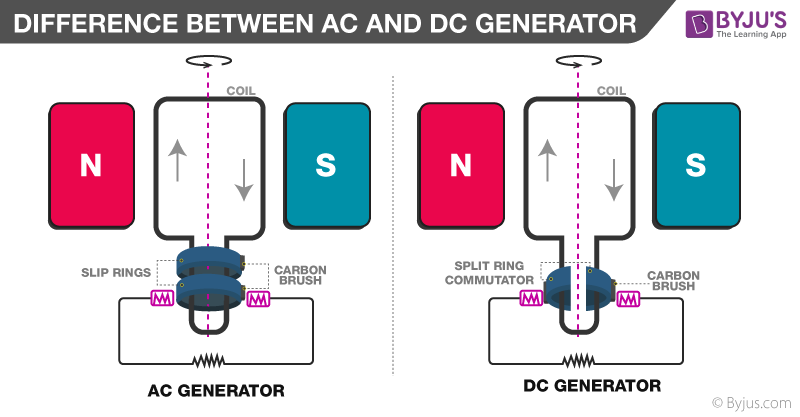
In AC generators, the current changes direction periodically. In DC generators, the current flows in one direction. Both types serve different purposes in homes and industries.
Key Components Of Generators
Generators have several key parts. The rotor spins inside the generator. It creates the magnetic field. The stator surrounds the rotor. It contains the coils of wire that produce electricity.
A fuel source powers the generator. It could be gasoline, diesel, or renewable energy. Control systems manage the output voltage and frequency. These components work together to generate electricity efficiently.

Credit: www.youtube.com
Difference Between Ac And Dc
Generators can produce either AC (alternating current) or DC (direct current). AC changes direction periodically, while DC flows in one direction. Understanding this difference helps determine which type of generator you need for your specific power requirements.
Understanding the difference between AC (Alternating Current) and DC (Direct Current) is crucial for anyone interested in how electricity powers our lives. Each type of current has unique characteristics that affect their applications and efficiency. Let’s break down the essential features of both AC and DC power.Characteristics Of Ac Power
AC power is characterized by the flow of electric charge that periodically reverses direction. This means the voltage changes over time, creating a waveform, typically a sine wave. – Versatile in Transmission: AC is ideal for long-distance transmission. It can be easily transformed to higher voltages, reducing energy loss during transit. – Common in Households: Most household appliances, like refrigerators and air conditioners, run on AC power. This is why your home outlets deliver AC. – Frequency Matters: The frequency of AC (measured in Hertz) varies by region. In the U.S., it’s typically 60 Hz, while many other countries use 50 Hz. This can affect how devices operate. You might have noticed that many electrical devices have specifications for AC voltage. This is because AC is the standard for home and industrial use, making it vital to understand its characteristics.Features Of Dc Power
DC power flows in a single direction, providing a constant voltage. This consistency makes it suitable for certain applications. – Ideal for Electronics: Many electronic devices, including smartphones and laptops, operate on DC power. They require a stable voltage for optimal performance. – Battery-Powered Devices: Think about your rechargeable batteries. They store energy as DC, which is then used to power your devices without fluctuation. – Less Energy Loss: DC power systems can be more efficient at lower distances. This is why solar panels, which generate DC, are often used in localized energy solutions. When considering your energy needs, think about how often you rely on battery-operated devices. You may find that understanding the differences between AC and DC can help you make better choices about energy use and device selection. Recognizing the traits of both AC and DC empowers you to understand their roles in everyday life. Which type of current do you think plays a bigger role in your daily activities?Types Of Generators
Generators come in two main types: AC and DC. AC generators produce alternating current, while DC generators create direct current. Understanding these differences helps in choosing the right generator for your needs.
Understanding the types of generators is essential for making informed decisions about energy needs. Generators convert mechanical energy into electrical energy, and they come in two main forms: AC and DC. Each type has its unique applications, advantages, and characteristics. Let’s dive deeper into these two categories.Ac Generators
AC generators, also known as alternators, produce alternating current. This type of current changes direction periodically, making it suitable for long-distance power transmission. – Applications: AC generators are commonly used in power plants and industrial settings. They can efficiently deliver electricity to homes and businesses. – Advantages: One of the main benefits is their ability to transmit electricity over long distances without significant loss. They are also generally more efficient than DC generators. You might have noticed that when the lights flicker during a storm, it’s often due to issues with the AC supply. This highlights the importance of a reliable AC generator in maintaining a steady power flow.Dc Generators
DC generators produce direct current, which flows in a single direction. This makes them ideal for applications where stable voltage is required. – Applications: You’ll find DC generators in battery chargers, electric vehicles, and certain types of electronic devices. They are crucial in scenarios where a consistent voltage is necessary. – Advantages: The biggest advantage of DC generators is their simplicity in design and operation. They are easier to control and can be more compact than their AC counterparts. Have you ever used a power bank to charge your phone? That’s a practical example of how DC generators play a role in your daily life. They ensure your devices get the steady power they need without fluctuations. The choice between AC and DC generators ultimately depends on your specific needs and the type of application you are considering. Which type do you think would best suit your requirements?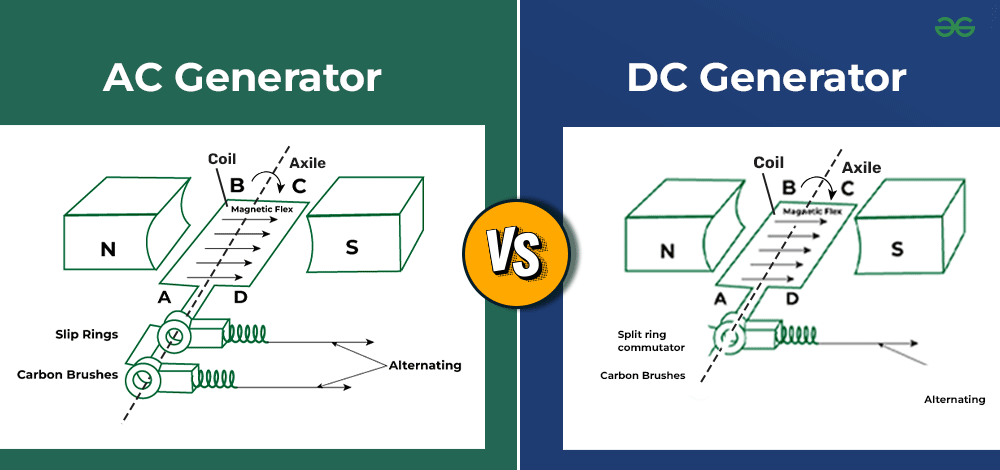
Credit: www.geeksforgeeks.org
Applications Of Ac And Dc Generators
AC and DC generators play important roles in daily life. They provide power for various uses. Each type of generator has its own strengths. Understanding these applications helps in choosing the right generator.
Industrial Uses
AC generators are widely used in industries. They power large machines and equipment. Factories rely on AC generators for continuous energy. They support heavy loads and can run for long periods.
DC generators find their place in specific industries. They are used in electroplating and battery charging. These tasks require steady and reliable power. DC generators excel in providing this type of energy.
Household Applications
AC generators are common in homes. They supply electricity for lighting and appliances. Most home devices run on AC power. This makes AC generators a popular choice for backup power.
DC generators are also useful at home. They power small devices like flashlights and toys. They are often found in solar power systems. These systems convert sunlight into usable energy.
Specialized Equipment
AC generators are essential for large events. Concerts and festivals often use them for power. They ensure sound and lighting systems work smoothly.
DC generators are used in specialized fields. Medical equipment and telecommunications need stable power. These systems depend on DC generators for reliability.
Advantages Of Ac And Dc Generators
AC and DC generators serve different purposes. AC generators produce alternating current, ideal for homes and businesses. DC generators create direct current, useful for batteries and small devices. Understanding these differences helps in choosing the right type for your needs.
When it comes to choosing between AC and DC generators, understanding their advantages can help you make an informed decision. Both types have unique benefits that cater to different needs. Let’s take a closer look at what makes each generator stand out.Efficiency And Performance
AC generators are known for their high efficiency, especially in large-scale power generation. They can transmit electricity over long distances with minimal energy loss. This capability makes them ideal for powering homes and industries. On the other hand, DC generators excel in applications requiring a stable voltage output. They are commonly used in battery charging and for powering small electronic devices. Their ability to provide a consistent voltage can be crucial for sensitive equipment. Consider a situation where you need to power a remote construction site. An AC generator would handle the high demand for power effectively, while a DC generator would ensure your tools and devices run smoothly without fluctuations. Which option would best suit your needs?Cost And Maintenance
When it comes to cost, AC generators typically have a lower initial investment. They are widely available and often easier to find. However, DC generators may save you money in the long run due to their simplicity and lower maintenance needs. Maintenance is another crucial factor. AC generators often require more extensive upkeep because of their complex components. In contrast, DC generators have fewer moving parts, making them easier to maintain. If you have limited experience with generator maintenance, a DC generator might be the way to go. Imagine not having to worry about frequent repairs. Wouldn’t that make your life easier? Choosing between AC and DC generators depends on your specific needs. Each type offers distinct advantages, so consider what matters most to you. Whether it’s efficiency, performance, or cost, weighing these factors will guide your decision.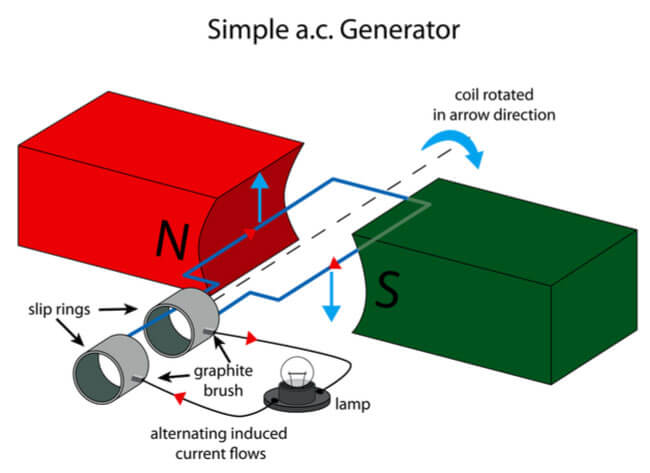
Credit: www.powerplus.com
Choosing The Right Generator
Choosing the right generator means understanding if you need AC or DC power. AC generators are common for homes, while DC generators suit specific devices. Knowing your power needs helps in making the best choice.
Choosing the right generator can significantly impact your power needs, whether for home use, outdoor adventures, or emergency situations. The choice between AC and DC generators is crucial and can affect efficiency, cost, and functionality. Understanding the specifics of each type helps you make an informed decision that fits your lifestyle.Factors To Consider
Several factors influence your choice of generator. – Power Requirements: Determine how much power you need. Assess the devices you want to run and their wattage. A small generator might suffice for basic needs, while larger setups may be necessary for heavy-duty applications. – Type of Load: Consider whether your devices require AC or DC power. Most household appliances run on AC, while certain electronics, like batteries and some motors, require DC. – Portability: Think about where you will use the generator. If you plan to take it on camping trips, a lightweight portable generator is ideal. For home use, a stationary model may work better. – Fuel Source: Generators can run on gasoline, propane, or diesel. Each fuel type has its pros and cons regarding availability, cost, and storage. Choose one that aligns with your preferences and needs. – Noise Level: Noise can be a significant factor, especially in residential areas. Look for models marketed as quiet or those with noise-reduction features.Common Misconceptions
Misunderstandings about generators can lead to poor choices. – All Generators Are the Same: Many believe that all generators function identically. This is far from true. AC and DC generators serve different purposes and outputs, so it’s essential to know what you need. – Only Large Generators Are Effective: Some think that bigger generators are always better. However, overestimating your power needs can lead to unnecessary costs and inefficiency. – Fuel Type Doesn’t Matter: Many people overlook the importance of fuel type. Gasoline generators might be convenient, but they can be less efficient and require more frequent refueling than propane or diesel options. – Generators Are Only for Emergencies: Generators are often seen as backup options. In reality, they can enhance your outdoor experiences or provide continuous power for tools and equipment. Understanding these factors and misconceptions can help you make a more informed choice. What features matter most to you in a generator?Frequently Asked Questions
Is A Generator Powered By Ac Or Dc?
Generators can produce either AC (alternating current) or DC (direct current) electricity. The type depends on the generator’s design. Most portable generators generate AC power, while DC generators are commonly used in specific applications, such as battery charging and small-scale power generation.
What Type Of Generator Is Best For Home Use?
For home use, an inverter generator is typically the best choice. These generators provide clean, stable AC power, ideal for sensitive electronics. They are also quieter and more fuel-efficient than traditional generators, making them suitable for residential areas where noise levels matter.
Can You Convert Ac Power To Dc?
Yes, you can convert AC power to DC using a rectifier. A rectifier changes the alternating current’s direction to a single flow of direct current. This process is essential for powering devices that require DC electricity, like batteries and electronic circuits.
What Is The Difference Between Ac And Dc Generators?
AC generators produce alternating current, which changes direction periodically. In contrast, DC generators produce direct current, which flows in one direction. The main difference lies in their application; AC is widely used for household power, while DC is often used in battery charging and small devices.
Conclusion
Generators can be AC or DC. Each type has its uses. AC generators are common for homes and businesses. They provide steady power for many devices. DC generators are used in specific applications, like batteries. Understanding the difference helps you choose the right generator.
Consider your needs before making a decision. Knowing whether you need AC or DC can save you time and money. Make an informed choice for your power needs. This knowledge will help you in the long run.