
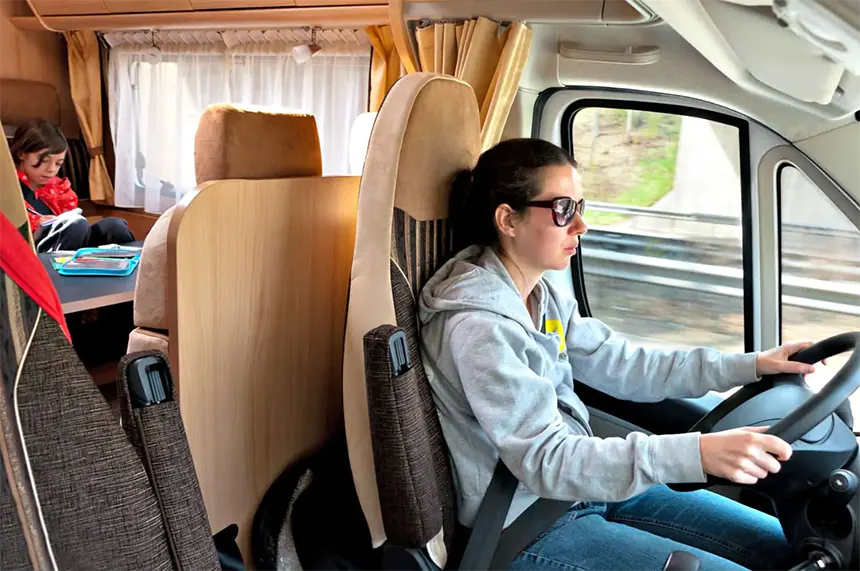
When you’re out on the open road in your RV, the last thing you want to worry about is whether your generator is safe to run while driving. You might be wondering if it’s a smart move or a risky one.
Your comfort and safety are paramount, and understanding the ins and outs of running a generator on the go is crucial. We’ll dive into everything you need to know about using your generator while driving your RV. You’ll discover the potential risks, safety precautions, and tips to ensure your journey remains enjoyable and worry-free.
Don’t hit the road without arming yourself with the knowledge that could keep you and your family safe. Read on to uncover the truth about running a generator in your RV while driving!

Credit: www.mortonsonthemove.com
Running A Generator On The Move
Running a generator while driving your RV might sound convenient, but it raises several safety concerns and practical challenges. Many RV enthusiasts wonder if it’s safe to power appliances on the go. Understanding the implications of running a generator during travel can help you make informed choices.
Safety First: Is It Legal?
Before you even think about turning on your generator, check local laws. Many states have regulations regarding generator use while driving.
- Some areas may prohibit it to reduce noise pollution.
- Others might have restrictions due to safety concerns.
Ignoring these laws can lead to fines. Always prioritize safety and legality on your journey.
Generator Types: What To Consider
Not all generators are created equal. The type of generator you have can impact your decision to run it while in motion.
- Inverter Generators:These are quieter and more fuel-efficient. They can be a good option for running small appliances.
- Conventional Generators:These tend to be louder and may not be suitable for use while driving.
Choosing the right generator can make a significant difference in your overall experience.
Power Needs: Planning Ahead
Think about what you need to power while driving. Are you running a refrigerator, air conditioner, or charging devices?
Calculate the power requirements of these appliances beforehand. This will help you determine if your generator can handle the load.
Running high-demand appliances can drain your fuel quickly. Planning can save you from unexpected stops.
Noise And Comfort: A Double-edged Sword
Generators can be noisy. This noise can affect your driving experience and even annoy other drivers.
Have you ever been stuck behind a noisy RV? It’s not pleasant. Consider the impact on both your comfort and that of others.
Fuel Efficiency: Keeping An Eye On Consumption
Running a generator consumes fuel. This can lead to increased costs and limit your travel range.
Monitor your fuel gauge closely. If you’re on a long trip, fuel efficiency should be a priority.
Switching off the generator during transit can save fuel for your next stop.
Alternatives: Powering On The Move
Consider alternative power sources. Solar panels can be a great option for charging batteries without noise.
Investing in a battery management system can also keep your devices powered without running a generator.
Have you thought about going green while traveling? It can enhance your RV experience.
Running a generator while driving your RV is a decision that requires careful thought. Assess your needs and the regulations in your area. Prioritize safety, comfort, and fuel efficiency to make your journey enjoyable.
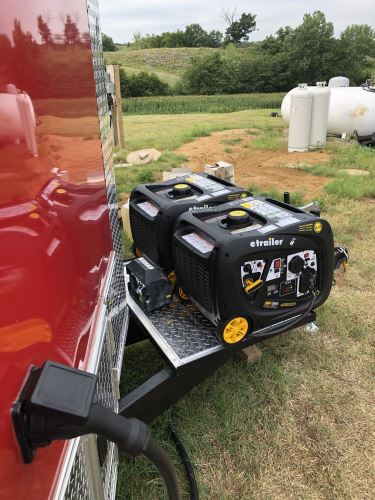
Credit: www.etrailer.com
Safety Concerns To Consider
Running a generator while driving an RV brings safety concerns. Understanding these risks is crucial. You want to ensure everyone stays safe. Here are some key issues to think about.
Fire Hazards And Risks
Generators can catch fire. Overheating is a common cause. Ensure the generator has proper ventilation. Blocked airflow can lead to serious problems. Keep flammable materials away from the generator. Always check for fuel leaks. A small leak can ignite easily.
Carbon Monoxide Exposure
Carbon monoxide is a silent killer. This gas is odorless and colorless. Running a generator inside the RV is dangerous. Always use the generator outside. Make sure it is far from windows and doors. Install a carbon monoxide detector in your RV. This can save lives.
Electrical System Overloads
Generators can overload your RV’s electrical system. Know the power needs of your devices. Use only what the generator can handle. Overloading can damage appliances and the generator. Always read the generator’s manual for safe usage.
Key Benefits Of Running A Generator
Running a generator while driving an RV offers key benefits. It provides power for essential appliances, ensuring comfort on the road. Safety is crucial, so follow guidelines to prevent hazards and ensure a smooth journey. Enjoy the convenience of electricity wherever you go.
Running a generator while driving your RV can offer numerous advantages. Understanding these benefits can enhance your travel experience, making it more enjoyable and worry-free. Here are some key benefits to consider.Powering Essential Appliances
Keeping your essential appliances operational is crucial during your travels. A generator allows you to power items like your refrigerator, microwave, and air conditioner while on the road. Imagine enjoying a warm meal or a cold drink without having to wait until you reach your destination. Generators also provide the necessary power for charging devices and running entertainment systems, ensuring that everyone on board stays connected and entertained during long drives.Maintaining Comfort During Travel
Comfort should always be a priority on your travels. Running a generator helps maintain a comfortable temperature inside your RV. You can run your air conditioning or heating systems as needed, no matter the weather outside. This not only enhances your comfort but also keeps your passengers happy. Think about those hot summer days or chilly nights; having control over your indoor climate makes a significant difference.Protecting Food And Perishable Items
Food safety is often overlooked when traveling. With a generator, you can keep your refrigerator running, safeguarding your perishable items. This means you can carry fresh fruits, vegetables, and other groceries without worrying about spoilage. Picture this: you stop at a beautiful campsite and have all the ingredients for a delicious meal ready to cook. That’s the convenience a generator provides, ensuring that your food stays fresh and your meals remain hassle-free during your journey. Consider how much you save by avoiding frequent stops at restaurants or grocery stores when your supplies are secure. Ultimately, running a generator while driving your RV enhances your overall travel experience. It offers power, comfort, and food safety, allowing you to focus on enjoying your adventure.Manufacturer Guidelines And Warnings
Running a generator while driving an RV raises safety concerns. Manufacturers often warn against this practice. It can lead to carbon monoxide buildup and other hazards. Always check guidelines before using a generator on the road. Safety should be your top priority.
Manufacturer guidelines and warnings are crucial when considering the safety of running a generator while driving your RV. These documents provide specific instructions that help you make informed decisions. Following them can protect both your equipment and your safety on the road.Understanding Manufacturer Warnings
Manufacturer warnings are not just suggestions; they are essential for safe operation. Each RV and generator comes with unique specifications that dictate how they should be used. Ignoring these warnings can lead to serious consequences, including equipment damage or personal injury. Read through the user manual for both your RV and generator. Many manufacturers highlight risks associated with operating generators while driving. Pay attention to these warnings to ensure you don’t inadvertently put yourself in danger.Safety Recommendations
Most manufacturers recommend against running your generator while driving. The vibrations and movements from the road can affect its performance. This can lead to fuel spills, electrical issues, or even engine failure. If you must use your generator while on the move, check if your model is designed for that purpose. Some advanced models may have features that allow safe operation. However, always refer to the manual to ensure compliance.Proper Usage Practices
If you decide to run the generator while driving, follow these best practices: – Secure the generator: Ensure it’s tightly fastened to avoid shifting during travel. – Ventilation is key: Make sure there’s proper airflow to prevent overheating. – Monitor fuel levels: Check frequently to avoid running out of gas mid-trip. Adhering to these practices can enhance your safety and equipment longevity.Consulting With Experts
Don’t hesitate to reach out to customer service or technical support for clarification on any guidelines. Sometimes, a quick call can provide insights that aren’t clear in the manual. Have you ever faced a situation where ignoring a guideline led to an issue? Sharing your experience can help others avoid similar mistakes. Remember, staying informed is your best defense against unexpected problems on the road.Tips For Safe Operation
Using a generator while driving an RV can be useful. However, safety must come first. Follow these tips to ensure safe operation. Each tip helps protect you and your passengers.
Ensuring Proper Ventilation
Generators produce harmful fumes. Always ensure proper ventilation. Open windows and vents in your RV. This helps fresh air circulate. It reduces the risk of carbon monoxide buildup. Install a carbon monoxide detector. Check it regularly to ensure it works.
Inspecting The Generator Regularly
Routine checks can prevent accidents. Inspect your generator before each trip. Look for leaks, loose parts, or damage. Keep the fuel tank full but not overflowing. Clean the generator often to avoid dirt buildup. Follow the manufacturer’s guidelines for maintenance.
Avoiding Overloading
Overloading can damage your generator. Know its wattage limit. List all devices you plan to use. Add their wattages to see if they fit. Never exceed the maximum load. This keeps the generator working efficiently.
Legal And Insurance Considerations
Running a generator while driving an RV raises important legal and insurance issues. Each state has its own rules. Understanding these rules helps you avoid problems. Insurance policies can also affect your coverage. Knowing the details is essential for safety and peace of mind.
State Laws And Regulations
Every state has different laws about using generators in vehicles. Some states allow it, while others do not. Check local laws before using your generator on the road. Violating these laws may result in fines. Always be aware of regulations in each state you visit.
In some areas, generators can be noisy. This may lead to complaints from neighbors. Some states have noise ordinances that limit sound levels. Be sure to follow these guidelines to avoid issues.
Insurance Policy Implications
Your insurance policy may have specific rules about generators. Some policies cover damages caused by a generator, while others do not. Read your policy carefully to understand your coverage. If you are unsure, contact your insurance agent for clarity.
Accidents involving generators can lead to claims. Make sure your policy covers these situations. Failing to do so may leave you with unexpected costs. Always keep your insurance updated as regulations change.
Alternatives To Running A Generator
Many RV owners seek ways to power their vehicles without a generator. Generators can be loud and consume fuel. Luckily, there are quieter and more efficient options. Two popular choices are solar power systems and battery banks. These alternatives provide energy without the noise and hassle of traditional generators.
Using Solar Power Systems
Solar power systems are a great choice for RV owners. They capture sunlight and convert it into electricity. Solar panels are easy to install on an RV roof. They work well during the day, providing power for lights and appliances.
Many systems include batteries. These batteries store extra energy for nighttime use. Solar setups can be customized based on your power needs. This flexibility makes them an ideal option for many travelers.
Investing In Battery Banks
Battery banks provide a reliable energy source. They store energy for later use. You can charge them through solar panels or when driving your RV. This ensures you have power even when the sun isn’t shining.
Different types of batteries are available. Lithium batteries are lightweight and last longer. Lead-acid batteries are more affordable but heavier. Choosing the right battery depends on your travel habits.
Investing in battery banks can improve your RV experience. You gain peace of mind knowing you have power available. Enjoy your travels without the noise of a generator.

Credit: www.campgroundviews.com
Frequently Asked Questions
Can You Run A Generator While Driving An Rv?
Yes, you can run a generator while driving an RV. However, it’s essential to ensure proper ventilation to avoid carbon monoxide buildup. Additionally, check the generator’s fuel levels and secure it to prevent any movement during transit. Always adhere to safety guidelines for optimal performance.
What Are The Risks Of Running A Generator In An Rv?
Running a generator in an RV poses risks such as carbon monoxide poisoning and fire hazards. Inadequate ventilation can lead to dangerous gas accumulation. Furthermore, improperly secured generators may cause physical damage or fuel spills. Always prioritize safety measures and regularly check for any issues.
How Do You Safely Operate A Generator In An Rv?
To safely operate a generator in an RV, ensure it is well-ventilated and securely mounted. Regularly inspect fuel levels and electrical connections. Avoid running the generator in enclosed spaces to prevent carbon monoxide buildup. Always follow the manufacturer’s instructions for safe operation and maintenance.
Is It Legal To Run A Generator While Driving?
Legality varies by state and local regulations. Some areas may restrict generator use while driving due to noise or emissions. It’s crucial to check local laws before operating your generator on the road. Understanding these regulations helps avoid fines and ensures safe travels.
Conclusion
Running a generator while driving an RV can be risky. Noise can distract you and others on the road. Fuel fumes may enter the cabin, causing health concerns. It’s best to avoid using the generator while driving. Plan your stops to run it safely.
Always prioritize safety for yourself and your passengers. Consider the environment and other drivers. Understanding these points helps you make better decisions. Stay safe and enjoy your RV adventures.