
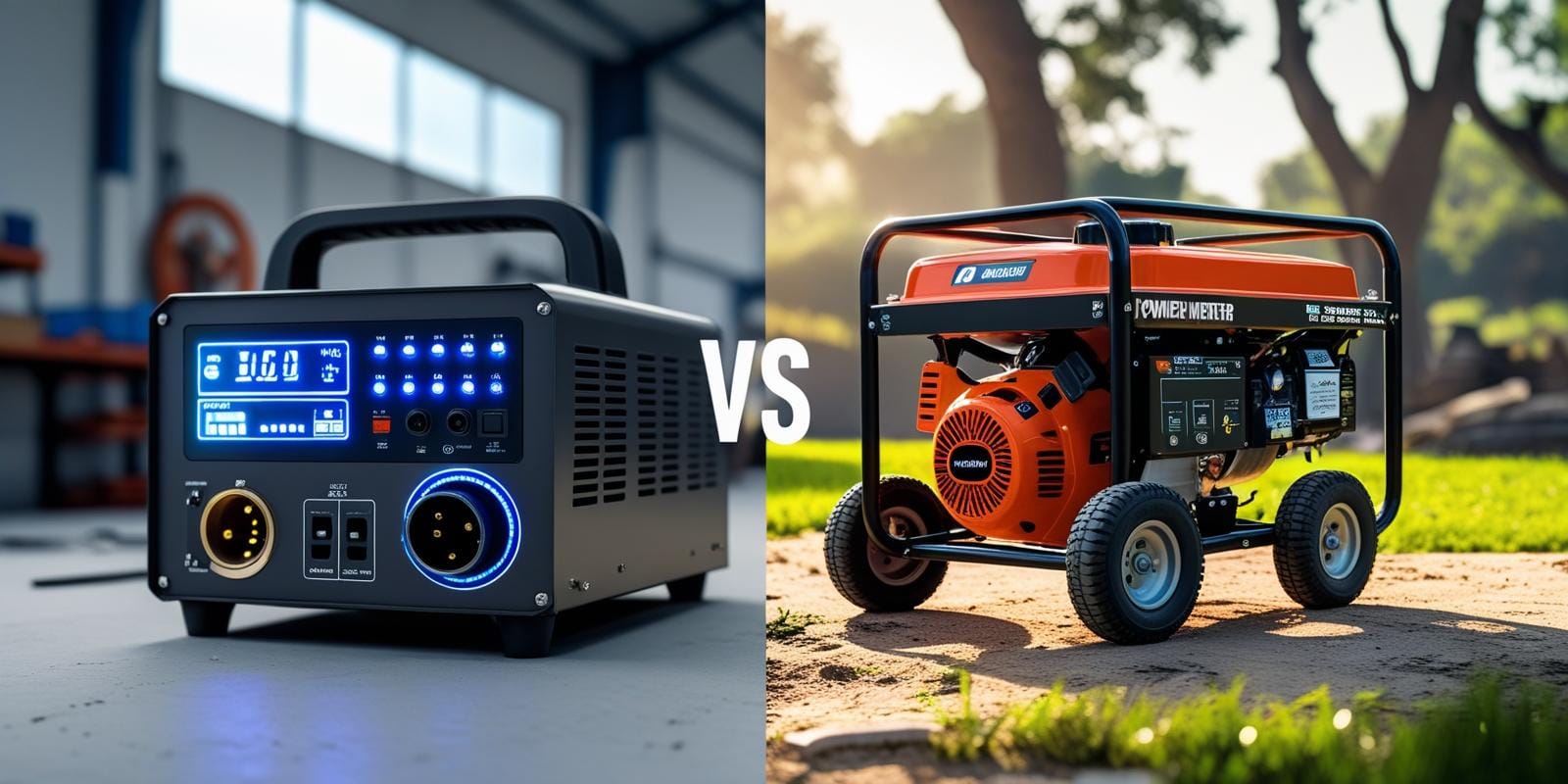
When it comes to powering your home or outdoor adventures, you may find yourself torn between a power inverter and a generator. Both options have their unique benefits, but which one is right for you?
Imagine having the ability to keep your essential devices running smoothly, no matter where you are. Whether it’s for camping, emergencies, or everyday use, understanding the differences can save you time, money, and frustration. We’ll break down the key features, advantages, and disadvantages of power inverters and generators.
By the end, you’ll have a clear picture of which option best fits your needs. Don’t miss out on this crucial information that can enhance your power solutions and keep your life running seamlessly. Keep reading to discover the right choice for your power needs!
Power Source Comparison
The choice between a power inverter and a generator can be overwhelming. Both serve as essential tools for providing electricity when you need it most. Understanding their differences in power source can help you make the right decision for your needs.
Power Inverter: How It Works
A power inverter converts DC (direct current) from sources like batteries into AC (alternating current), which is what most household appliances use. This means you can run your devices off car batteries or solar panels.
Inverters are often lightweight and portable, making them suitable for camping trips or emergency power at home. They are quieter than generators, allowing you to enjoy nature without the noise pollution.
Generator: Understanding Its Functionality
Generators, on the other hand, produce electricity by burning fuel, such as gasoline or propane. This gives them the capability to generate a substantial amount of power, making them ideal for larger appliances and tools.
While generators can provide continuous power for longer periods, they require regular maintenance and fuel supply. The noise and emissions from generators can also be a drawback in certain situations.
Cost-effectiveness
When comparing costs, consider both the initial purchase price and the long-term expenses. Inverters typically have a lower upfront cost but may require an investment in batteries if you don’t already own them.
Generators can be more expensive initially, especially for higher-capacity models. However, they may offer a better value if you need consistent power for extended periods.
Portability And Convenience
Portability is a crucial factor for many users. Inverters are compact and easy to transport, making them ideal for outdoor activities or short trips.
Generators are bulkier and heavier, making them less convenient for frequent relocation. If you plan to use your power source in various locations, an inverter may better suit your lifestyle.
Consider the environmental implications of your choice. Inverters tend to be more eco-friendly since they utilize renewable energy sources like solar. They produce minimal noise and emissions.
Generators, while powerful, contribute to air pollution and can disturb wildlife and neighbors. If you care about sustainability, an inverter might be your best option.
Which power source aligns with your lifestyle and needs? Evaluating these factors can ensure you choose the right option for your situation. Your energy needs are unique, so make an informed decision that fits your life.
How They Work
Understanding how power inverters and generators work is crucial for making the right choice for your energy needs. Both devices serve the purpose of providing electricity, but they operate in fundamentally different ways. Let’s break down their workings to see which might be better for your situation.
Power Inverter: Converting Dc To Ac
A power inverter takes direct current (DC) electricity and converts it into alternating current (AC) electricity. Most electronic devices, like your laptop and refrigerator, require AC to function properly. If you’ve ever used a battery to power a device, you’ve likely used an inverter.
Inverters are often used in vehicles, solar power systems, and uninterruptible power supplies (UPS). For instance, if you have solar panels, the energy they generate is DC. An inverter makes it usable for your home appliances.
Generator: Fuel-powered Electricity
Generators create electricity by burning fuel, such as gasoline or diesel. They produce AC electricity, which can be directly used for your home or job site. This makes them ideal for backup power during outages or for outdoor activities like camping.
Picture a time when a storm knocked out the power in your area. A generator can keep your refrigerator running, ensuring your food doesn’t spoil. It offers immediate power when you need it most.
Efficiency And Runtime Comparison
When comparing efficiency, inverters typically consume less energy than generators. They can run for a longer time on battery power compared to a generator’s fuel supply. However, your needs will dictate which is more efficient for you.
- Inverters:Quiet operation, no emissions, and lower energy costs.
- Generators:More power output but at the cost of fuel consumption and noise.
Think about what you value most in your energy source. Is it efficiency, power output, or something else?
Applications And Use Cases
Power inverters are perfect for small-scale applications, like powering your phone or laptop on a camping trip. They are lightweight and portable, making them easy to transport.
Generators, on the other hand, excel in larger applications. You might use one for construction sites or during a lengthy power outage at home. They provide a reliable, steady stream of electricity.
Which scenarios do you find yourself in more often? This can help you decide which device aligns better with your lifestyle.
Energy Efficiency
Energy efficiency is an important factor in choosing between a power inverter and a generator. It affects how much energy you use and how much you spend. Understanding the differences helps you make a better choice for your needs.
Power Inverter Efficiency
Power inverters convert DC power to AC power. This process is quite efficient. Most inverters have an efficiency rate between 80% and 95%. They use less fuel compared to generators. This means lower energy costs.
Generator Efficiency
Generators run on fuel, such as gasoline or propane. Their efficiency can vary widely. Most generators have an efficiency rate of around 60% to 80%. Fuel costs can add up, especially during frequent use. This can lead to higher expenses over time.
Energy Consumption Comparison
Inverters typically consume less energy than generators. They provide power without the need for constant refueling. Generators require regular fuel intake, which can be a hassle. In contrast, inverters work well with solar panels. This can make them a more sustainable choice.
Power inverters have a lower environmental impact. They produce less noise and emissions. Generators, on the other hand, can be loud and polluting. This can affect both your comfort and the surrounding environment.
Cost-effectiveness Over Time
Choosing an inverter may save you money long-term. Their higher efficiency leads to lower energy bills. Generators may seem cheaper at first, but fuel costs add up. In the long run, inverters can be a smarter investment.
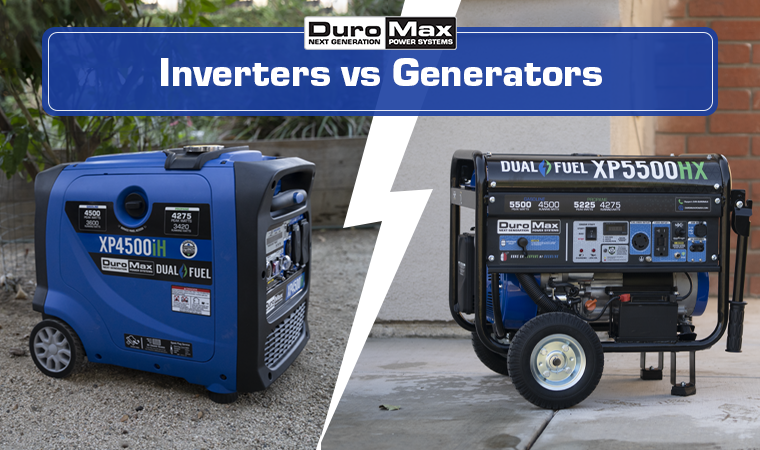
Credit: www.duromaxpower.com
Noise Levels
Noise levels play a big role in choosing between a power inverter and a generator. Both options provide power, but they do so in different ways. Understanding their noise output can help you make the right choice for your needs.
Generators: The Sound Of Power
Generators often produce a loud sound. They use engines that run on fuel. This operation creates noise, usually between 50 to 90 decibels. Such noise can be disruptive, especially in quiet areas.
For camping or outdoor events, loud generators can be a problem. Many people prefer a peaceful environment. The noise from a generator can disturb wildlife and other campers.
Power Inverters: Quiet Operation
Power inverters are much quieter than generators. They convert DC power to AC power silently. Most inverters operate at 30 to 50 decibels. This is similar to a quiet room.
The low noise level makes inverters great for home use. They can run appliances without disturbing your family. Inverters are also ideal for RVs and camping.
Choosing Based On Noise
Consider where you will use the power source. If noise is a concern, go for an inverter. For construction sites or emergencies, a generator may be acceptable.
Evaluate your priorities. Do you need power in a quiet area? Or is noise less of an issue? Your answer will guide your choice.
Portability And Size
Choosing between a power inverter and a generator often boils down to their portability and size. You want to understand how these devices fit into your lifestyle, especially if you plan to use them on the go. This decision impacts everything from camping trips to emergency power needs at home.
Power Inverter: Lightweight And Compact
Power inverters are typically smaller and lighter than generators. They convert DC power from your car battery or solar panel into AC power for your devices. This compact size makes them easy to transport in your vehicle.
For instance, I remember taking a weekend camping trip. I packed my power inverter, which easily slid into my backpack. It powered my phone and small cooler without taking up too much space.
Generator: Bulkier But More Powerful
Generators are bulkier and usually weigh more than inverters. They produce electricity from fuel, providing higher wattage for larger appliances. If you’re looking to power a refrigerator or multiple devices, a generator might be your best choice.
However, this increased power comes with a trade-off. You’ll need more space and possibly a vehicle capable of transporting it. Think about where you’ll store it when not in use. A garage or dedicated shed could be necessary.
Consider Your Needs
Before making a decision, consider your specific needs. Will you need to power small devices or larger appliances? If you plan to use it for short outings, a power inverter could suffice.
On the other hand, if you’re preparing for an extended power outage or a big event, a generator’s capacity will be more beneficial. Evaluate how you plan to use these devices. Knowing your requirements can lead to a more satisfying purchase.
Ultimately, understanding portability and size will help you make an informed choice. Which one fits your lifestyle better? Your answer could change how you approach power solutions in the future.
Cost Considerations
Understanding costs is vital. Power inverters and generators serve different needs. Their prices vary widely. Knowing the expenses helps you make a wise choice.
Initial Purchase Price
The initial cost is a key factor. Generators often cost more than power inverters. A good generator can range from $300 to $2,000. In contrast, inverters usually range from $100 to $1,500. This price difference can affect your budget.
Operating Costs
Operating costs matter too. Generators need fuel, like gas or propane. Fuel prices fluctuate and can add up. Inverters run on battery power. They usually have lower operating costs. You save money by charging batteries instead of buying fuel.
Maintenance Expenses
Maintenance is another consideration. Generators require regular upkeep. This includes oil changes and filter replacements. Inverters generally need less maintenance. Fewer moving parts mean lower maintenance costs.
Longevity And Resale Value
Consider how long each option lasts. Generators may last longer with proper care. Inverters can also be durable but may need replacements sooner. Resale value can vary. A well-maintained generator often has a higher resale value than an inverter.
Maintenance Needs
Understanding maintenance needs is important for both power inverters and generators. Each device has different requirements. Knowing these can help you make a better choice.
Power Inverter Maintenance
Power inverters are generally low maintenance. They need minimal care. Regularly check the connections for wear. Look for any signs of damage.
Keep the inverter clean. Dust and dirt can affect performance. Ensure proper ventilation to avoid overheating. This helps the inverter last longer.
Generator Maintenance
Generators require more attention. Regular oil changes are necessary. Check the fuel system for leaks. Clean or replace air filters often.
Inspect the battery regularly. Ensure it is charged and in good condition. Test the generator periodically to keep it running well.
Comparing Maintenance Efforts
Power inverters need less work than generators. Inverters often last longer with little upkeep. Generators, on the other hand, demand more time and effort.
Choose based on your willingness to maintain. If you prefer low maintenance, opt for a power inverter. For those ready to invest time, a generator might be suitable.
Suitability For Home Use
Choosing between a power inverter and a generator for home use can feel overwhelming. Each option has its strengths and weaknesses. Understanding their suitability can help you make a more informed decision.
Power Inverters: Quiet And Efficient
Power inverters convert DC electricity from a battery into AC electricity. This makes them perfect for powering smaller devices like laptops, TVs, and lights.
They are quieter than generators, which is great if you live in a densely populated area. You won’t disturb your neighbors during a power outage.
Inverters are also more energy-efficient. You can use them for longer periods without worrying about fuel costs. Imagine being able to run your essential devices for hours without the noise of a generator.
Generators: High Power Output
Generators typically provide much higher power output. They can run multiple appliances at once, like refrigerators, air conditioners, and even electric heaters.
If you experience frequent and long power outages, a generator may be the better choice. You’ll appreciate the ability to keep your home running smoothly during extended blackouts.
However, generators require fuel—like gasoline or propane—which can add to your ongoing costs. Consider how often you might need to refuel and whether that fits your lifestyle.
Space And Portability Considerations
Power inverters are usually compact and lightweight. You can easily store them away when not in use.
Generators, on the other hand, can be bulky and heavy. If you have limited storage space, this could be a significant drawback.
Think about how much space you have in your home. Will you need to move your power source around often? This may influence your choice.
Safety Features And Maintenance
Inverters have fewer maintenance needs. They can last for years with minimal care, making them user-friendly.
Generators require regular checks and maintenance to ensure safe operation. This includes oil changes and fuel management. Are you comfortable with this level of upkeep?
Consider your lifestyle and how much time you’re willing to invest in maintenance. It could make a big difference in your overall satisfaction.
Cost-effectiveness
Initial costs for inverters can be lower, especially for smaller units. However, larger systems can add up quickly.
Generators tend to have a higher upfront cost but can serve multiple functions in your home. Evaluate how often you’ll use your device and whether the investment is worth it.
Look at your budget and needs. How much are you willing to spend for reliability and convenience?
Ultimately, whether you choose a power inverter or a generator depends on your specific needs and circumstances. Assess your power requirements, space limitations, and budget to find the best solution for your home.
Performance For Outdoor Activities
Choosing between a power inverter and a generator for outdoor activities can significantly impact your experience. Each option has its strengths and weaknesses, depending on your specific needs and the nature of your adventures. Let’s dive into how both perform in outdoor settings.
Power Inverter: Silent And Efficient
Power inverters convert DC power from batteries into AC power, making them ideal for small devices. They are usually quieter than generators, which is a huge plus when you’re trying to enjoy the sounds of nature.
Using a power inverter means you can charge your phone, run small lights, or power a portable fridge without disturbing the peace around you. Imagine setting up camp by a serene lake. You want to enjoy the calm, not the loud roar of a generator.
Generator: The Heavyweight Performer
Generators shine when it comes to powering larger appliances. If you plan on running a full-size refrigerator or power tools, a generator is your best bet. They can deliver a consistent power supply for extended periods.
However, they come with noise and fuel considerations. If you’re camping with friends, you might appreciate the generator for its ability to run multiple devices. But keep in mind, the sound can disrupt the tranquility of your surroundings.
Portability And Setup
Portability is a crucial factor for outdoor activities. Power inverters are lightweight and easy to set up, making them perfect for quick trips or spontaneous camping. You can easily transport them in your car.
Generators, while often bulkier, may require more effort to transport. However, they usually come with wheels for easier movement. Think about how far you’ll be carrying your power source. Will you be hiking to your site or driving right up to it?
Fuel Source And Availability
Consider the fuel source for each option. Inverters rely on batteries, which can be charged via solar panels or car batteries. This can be a sustainable choice for eco-conscious campers.
Generators typically run on gasoline or propane, which can be harder to find in remote areas. Have you ever been stuck without fuel in the middle of nowhere? Planning ahead can save you a lot of headaches.
Cost And Maintenance
The initial cost can vary significantly between the two. Power inverters are generally more affordable, but their capacity is limited. If you’re on a budget, this might be the way to go.
Generators usually require more maintenance, including oil changes and fuel management. Are you ready for that extra responsibility? Weigh the long-term costs against your immediate needs.
Ultimately, think about your outdoor activities. Will you need consistent power for larger devices, or are you looking for a quiet solution for small electronics? Your choice will impact your experience in the great outdoors.
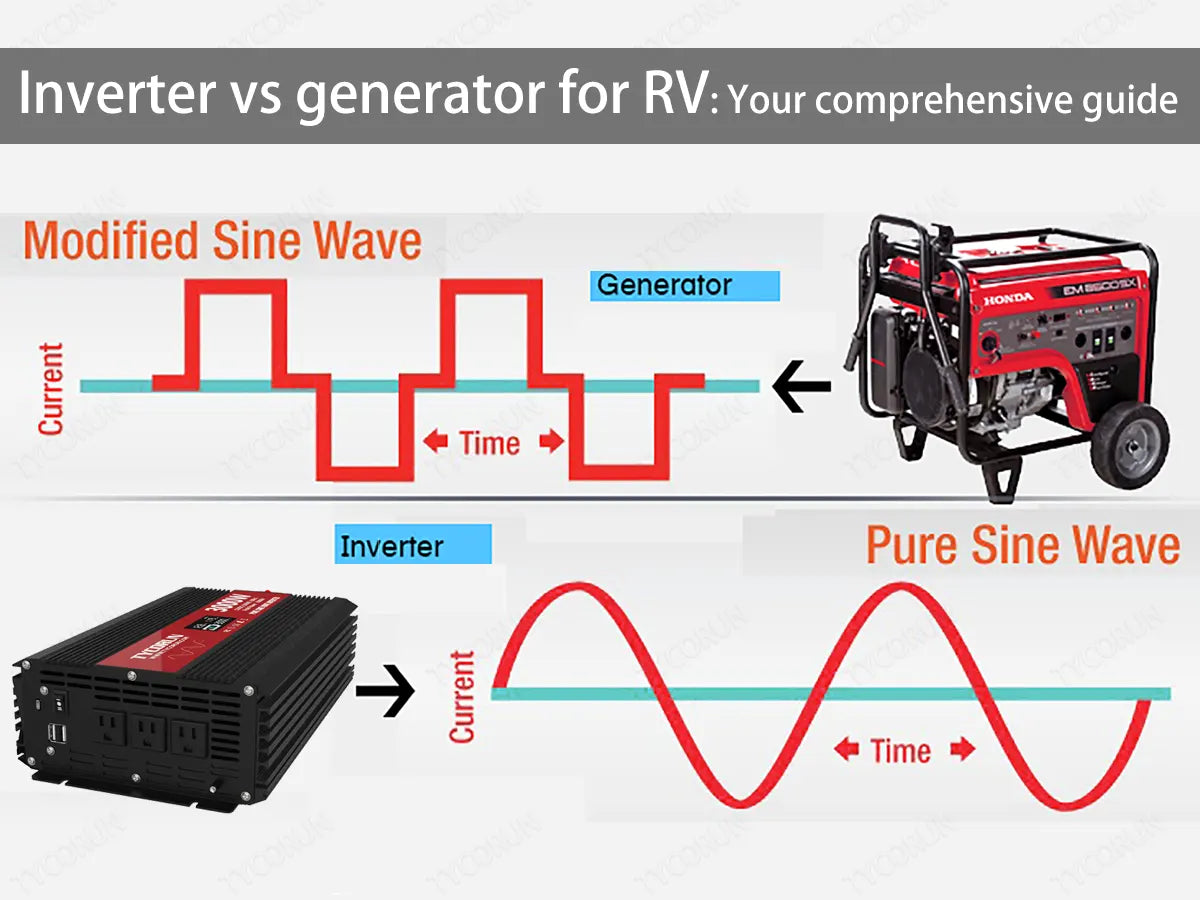
Credit: www.tycorun.com
Environmental Impact
Choosing between a power inverter and a generator affects the environment. Both options have unique impacts. Understanding these effects can help make better choices.
Air Quality
Generators often run on gasoline or diesel. They emit smoke and harmful gases. This can reduce air quality, especially in small areas. Power inverters operate quietly. They produce clean energy from batteries. This means fewer emissions and better air quality.
Noise Pollution
Generators create a lot of noise. This can disturb wildlife and people. The sound can travel far. In contrast, power inverters work silently. They do not add to noise pollution. This makes them better for peaceful settings.
Power inverters convert energy efficiently. They use stored energy from batteries. Generators burn fuel to create power. This process is less efficient. Using less energy is better for the environment.
Waste Management
Generators can create waste. Used oil and fuel containers must be disposed of properly. Power inverters do not generate this type of waste. They rely on rechargeable batteries. Managing battery waste is still important but easier than generator waste.
Renewable Energy Compatibility
Power inverters can connect to solar panels. This uses renewable energy. Generators depend on fossil fuels. They do not support renewable options. Choosing a power inverter encourages green energy use.
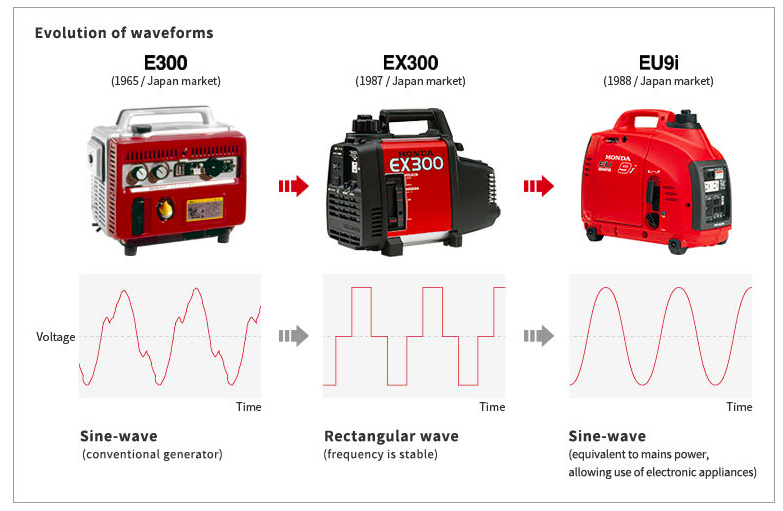
Credit: offgridham.com
Frequently Asked Questions
What Is A Power Inverter?
A power inverter converts DC power from batteries to AC power for devices.
How Does A Generator Work?
Generators create electricity by converting mechanical energy into electrical energy.
Which Is More Efficient: Inverter Or Generator?
Inverters are usually more efficient, especially for small power needs.
Can I Use An Inverter With A Generator?
Yes, you can connect an inverter to a generator for added power.
What Are The Main Uses Of A Power Inverter?
Power inverters are used for powering devices, especially in vehicles and homes.
Are Generators Noisy Compared To Inverters?
Generators tend to be noisier than inverters, which operate quietly.
How Long Can A Power Inverter Run?
A power inverter can run as long as its power source lasts.
What Fuel Do Generators Typically Use?
Generators often run on gasoline, diesel, or propane for fuel.
Is Maintenance Required For Inverters And Generators?
Both require maintenance, but generators usually need more regular care.
Which Is Safer: Inverter Or Generator?
Inverters are generally safer for indoor use, as they produce less emissions. “`
Conclusion
Choosing between a power inverter and a generator depends on your needs. Power inverters are great for small, portable uses. They work well with batteries and are quiet. Generators provide more power but can be noisy and bulky. Both have their pros and cons.
Think about your power needs, location, and budget. Each option offers unique benefits. Take your time to decide which one fits your lifestyle best. Making the right choice ensures you have reliable power when you need it.