
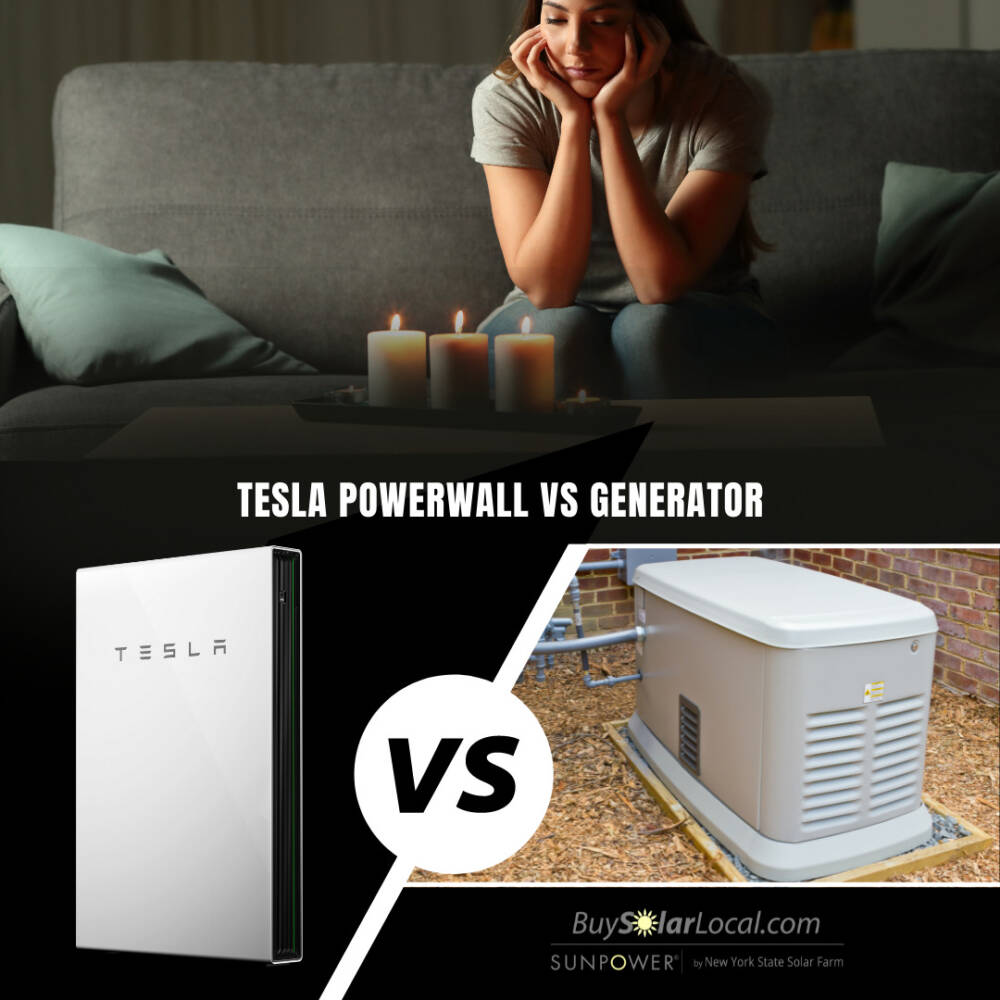
When the lights go out, how prepared are you? You face a choice: a Powerwall or a generator.
Both options promise to keep your home running smoothly, but they do so in very different ways. You might be wondering which is better for your needs. Are you looking for convenience, efficiency, or reliability? We’ll break down the key differences between a Powerwall and a generator.
You’ll discover the pros and cons of each, helping you make an informed decision that fits your lifestyle and budget. By the end, you’ll have a clearer picture of what will best protect your home and keep your family comfortable during outages. Let’s dive in and find the right solution for your energy needs!
Powerwall Features
The Powerwall offers many features that appeal to homeowners. It stores energy for later use. This helps during power outages or peak hours. Let’s explore its main features.
Energy Storage
The Powerwall can store a significant amount of energy. It holds up to 13.5 kWh of electricity. This is enough to power a home for a day. Users can charge it using solar energy or the grid.
Seamless Backup Power
During a power outage, the Powerwall kicks in automatically. It provides instant backup power. This keeps essential appliances running without interruption.
Smart Energy Management
The Powerwall uses smart technology to manage energy. It learns your energy habits over time. This helps reduce electricity costs and optimize usage.
Compact Design
The Powerwall has a sleek, compact design. It fits easily in small spaces. Homeowners can install it indoors or outdoors.
Environmental Benefits
Using the Powerwall promotes clean energy. It reduces reliance on fossil fuels. This helps lower your carbon footprint.
Remote Monitoring
The Powerwall can be monitored remotely. Users can track energy usage through an app. This feature provides real-time data and alerts.

Credit: empower-solar.com
Generator Features
Generators provide backup power during outages. They are reliable and versatile. Many homes rely on them for essential power needs.
Power Output
Generators come in different sizes. They can produce varying amounts of power. Some small generators can power basic appliances. Larger models can run an entire home.
Fuel Types
Generators use different fuel types. Common options include gasoline, propane, and diesel. Each fuel type has its pros and cons. Gasoline is easy to find but may not last long. Propane is cleaner but needs a storage tank. Diesel generators are fuel-efficient but can be noisy.
Portability
Some generators are portable. They can be moved easily from one place to another. Portable generators are great for camping or outdoor events. Standby generators are fixed in one location. They provide power automatically during outages.
Noise Levels
Generators can be noisy. Some models have noise-reducing features. Look for generators with lower decibel ratings. Quiet generators are best for residential areas.
Runtime
Runtime depends on the fuel tank size and load. Smaller generators may run for a few hours. Larger models can run for longer periods. Knowing the runtime helps in planning power needs.
Starting Mechanisms
Generators have different starting methods. Some use a pull cord, while others have an electric start. Electric starts are easier, especially for those who may struggle with pull cords.
Safety Features
Safety is crucial with generators. Many have built-in safety features. These include automatic shut-off and overload protection. This helps prevent accidents and damage.
Cost Comparison
Understanding the costs of a Powerwall and a generator is important. Both options provide backup power, but their expenses differ greatly. Knowing these costs helps you make the best choice for your needs.
Initial Purchase Cost
The upfront cost of a Powerwall is higher than a generator. A Powerwall typically costs between $7,000 and $10,000. This price includes installation and setup.
On the other hand, generators can range from $500 to $5,000. This depends on the type and capacity of the generator.
Operating Costs
Operating costs for a Powerwall are generally lower. It runs on electricity stored from solar panels or the grid. This means minimal ongoing expenses.
Generators require fuel. Gasoline or propane adds to the monthly costs. Fuel prices can fluctuate, making budgeting harder.
Maintenance Costs
Maintenance for a Powerwall is low. It has no moving parts and needs little care. Checking the system annually is usually enough.
Generators need more attention. They require regular oil changes and fuel checks. This can add up over time.
Powerwalls offer long-term savings. They can reduce your electric bill. This leads to lower costs over many years.
Generators provide immediate power but may not save you money. Their fuel and maintenance costs can outweigh their benefits.
Installation Process
The installation process for Powerwall and generators varies significantly. Powerwalls integrate easily with home systems and require minimal space. Generators may need more space and complex connections. Understanding these differences helps choose the right option for reliable energy backup.
The installation process of a Powerwall versus a generator can significantly impact your energy management strategy. Understanding the differences can help you make an informed decision that suits your needs. Both options require careful planning and execution, but their installation steps and requirements vary greatly.
Powerwall Installation Steps
Installing a Powerwall involves several key steps. 1. Site Assessment: A qualified installer will evaluate your home’s electrical system and determine the best location for the Powerwall. This step ensures optimal performance and safety. 2. Electrical Work: The installer will need to connect the Powerwall to your home’s electrical system. This may include adding a dedicated circuit or making adjustments to your panel. 3. Mounting: The unit can be mounted on a wall or placed on the ground. The installer will ensure it’s securely fastened, considering aesthetics and accessibility for maintenance. 4. Testing: After installation, the Powerwall is tested to ensure it functions correctly. This includes checking battery levels and integration with your solar system, if applicable.
Generator Installation Steps
The installation of a generator is a different process with its own set of requirements. 1. Permits: Before installation, check local regulations. Most areas require permits for generator installation, especially for larger units. 2. Site Preparation: A suitable location needs to be chosen, typically outside your home. This area should be flat and at least a few feet away from any structures for safety. 3. Fuel Source Setup: Depending on whether your generator runs on natural gas, propane, or diesel, you will need to set up the necessary fuel connections. 4. Electrical Connection: The generator must be connected to your home’s electrical system. This often involves installing a transfer switch to ensure a safe transition between grid power and generator power. 5. Testing and Maintenance: Once installed, the generator must be tested to ensure proper operation. Regular maintenance checks are crucial to ensure it functions when needed.
Cost Considerations
When considering installation, cost is a significant factor. – Powerwall installation can range from $10,000 to $15,000, depending on your specific needs and local incentives. – Generator installation costs can vary widely, from $3,000 to over $20,000, influenced by the type and capacity of the generator. Understanding these costs helps you budget appropriately and avoid surprises later.
Timeframe For Installation
The timeframe for installation can also differ. – A Powerwall installation typically takes a day or two, depending on your home’s setup and any additional electrical work required. – Generator installation can take longer, often a few days, especially if permits and site preparation are involved. Both processes require skilled professionals, so scheduling with a reputable installer is essential. Choosing between a Powerwall and a generator involves more than just the installation process. Think about your energy needs, budget, and how quickly you want power backup when the grid goes down. Have you considered how often your area experiences outages? This could sway your decision significantly.
Performance During Outages
Power outages can be frustrating and disruptive. Choosing between a Powerwall and a generator can significantly impact how you experience these outages. Let’s break down their performance during such critical moments, so you can make an informed decision.
Powerwall Performance
The Powerwall stands out with its seamless integration into your home. During an outage, it automatically kicks in, providing power to your essential appliances. You can keep your refrigerator running, lights on, and even power your home office.
One advantage of the Powerwall is its ability to store solar energy. If you have solar panels, the Powerwall charges during the day, allowing you to use that energy at night or during outages. This means, instead of relying on fossil fuels, you can harness clean energy.
Generator Performance
Generators are known for their robust performance, especially during extended outages. They can handle higher energy loads compared to a Powerwall, making them suitable for larger homes or when you need to power multiple appliances simultaneously.
However, generators require fuel, which can be a hassle. You need to ensure you have enough gas or propane stored, and this can be a concern during long outages. Plus, the noise from a generator can be disruptive.
Ease Of Use
With the Powerwall, you don’t have to worry about starting it up during an outage. It’s fully automated, meaning you can go about your day without interruption.
On the flip side, generators need manual operation. You may need to pull a cord or flip a switch, which could be inconvenient if you’re in the middle of a storm or emergency.
Maintenance Considerations
Powerwalls require minimal maintenance. As long as your solar system is functioning properly, you won’t have to think about the Powerwall much.
Generators, however, need regular checks and fuel replenishment. You may have to change the oil, check the spark plugs, and keep an eye on fuel levels, adding to your to-do list.
Cost Efficiency
In terms of long-term savings, a Powerwall might save you money. Once installed, it can significantly reduce your electricity bills if paired with solar.
Generators typically have lower upfront costs but can lead to higher ongoing expenses due to fuel costs and maintenance. Consider your budget and how often you experience outages.
What will you choose for your home? The convenience of a Powerwall or the power of a generator? Your decision could shape how you navigate future outages.

Credit: artisanelectricinc.com
Environmental Impact
The choice between a Powerwall and a generator often boils down to environmental impact. Understanding how each option affects our planet can guide your decision. Let’s break down the key differences in their environmental footprints.
Powerwall’s Environmental Benefits
The Powerwall operates primarily on renewable energy. It stores solar energy, reducing reliance on fossil fuels. This means fewer greenhouse gas emissions and a smaller carbon footprint.
Using a Powerwall can also lead to less air pollution. Traditional generators often burn fossil fuels, releasing harmful pollutants into the atmosphere. By opting for a Powerwall, you contribute to cleaner air in your community.
Generator’s Environmental Concerns
Generators can significantly impact the environment. They typically run on gasoline or diesel, which contributes to carbon emissions. These emissions can exacerbate climate change and harm wildlife.
Moreover, noise pollution is another factor. Generators can be loud, disturbing both local wildlife and your neighbors. This noise can disrupt natural ecosystems and human habitats alike.
Comparative Emissions
| Energy Source | Carbon Emissions (gCO2/kWh) |
|---|---|
| Powerwall (Solar) | 0 |
| Gas Generator | 500+ |
As shown in the table, the emissions from a gas generator are significantly higher than those from a Powerwall. This difference is crucial when considering your environmental impact.
Long-term Sustainability
Investing in a Powerwall promotes long-term sustainability. It harnesses renewable energy, which can be replenished. This not only benefits your household but also the planet.
Generators, while useful in emergencies, may not be sustainable. They rely on finite fossil fuels that deplete over time. You might want to think about which option aligns with your values regarding sustainability.
What legacy do you want to leave for future generations? Choosing a cleaner energy source can be a significant step towards a healthier planet.
Maintenance Requirements
Choosing between a Powerwall and a generator involves understanding their maintenance needs. Each option has unique requirements. Knowing these can help you make the best choice for your situation.
Powerwall Maintenance
The Tesla Powerwall requires minimal maintenance. It has no moving parts. This means fewer chances of breakdowns. Regular software updates are essential. These updates enhance performance and security.
Check the battery regularly for any signs of wear. Ensure it stays clean and free from dust. It’s also good to monitor its temperature. The ideal range is between 32°F and 95°F. This keeps it working efficiently.
Generator Maintenance
Generators need more attention than Powerwalls. They have many moving parts. Regular oil changes are important. This keeps the engine running smoothly. Check the fuel system often for leaks or blockages.
Clean the air filter regularly. A clean filter helps the generator perform better. Inspect spark plugs and replace them as needed. Run the generator monthly to keep it in good shape.
Long-term Considerations
Powerwalls last longer with less effort. They can work for years without major issues. Generators may need parts replaced over time. This can increase long-term costs.
Consider your lifestyle. A Powerwall suits those who prefer low maintenance. Generators fit those who use them occasionally and don’t mind upkeep.

Credit: www.youtube.com
Space And Portability
Space and portability are key factors in choosing between a Powerwall and a generator. Each option has its own advantages and limitations. Understanding these can help in making a smart choice.
Powerwall Size And Installation
The Powerwall has a compact design. It fits easily in small spaces. You can install it on a wall or floor. The installation requires minimal space.
Powerwall units are sleek and modern. They blend well with home decor. This makes them ideal for residential use.
Generator Size And Storage
Generators come in various sizes. Some are small and portable. Others are large and stationary. This affects where you can store them.
Large generators need more space. They may require special housing. Portable generators are easier to move. You can store them in a garage or shed.
Portability Of Powerwall
The Powerwall is not portable. Once installed, it stays in place. This is suitable for homeowners wanting a fixed solution.
It provides backup power without needing movement. This makes it easy to use during a blackout.
Portability Of Generator
Generators offer great portability. You can move them anywhere easily. This is useful for camping or outdoor events.
Some models even have wheels. This adds convenience for transportation. Generators can power tools and appliances in remote areas.
Long-term Value
The long-term value of energy solutions like the Powerwall and traditional generators goes beyond just initial costs. It’s about assessing their overall benefits, efficiency, and longevity. Which option gives you the most peace of mind and savings over time?
Cost Efficiency
Powerwalls offer a unique advantage with their battery storage system. Once you install one, you can charge it during off-peak hours when electricity rates are lower. This can significantly reduce your monthly energy bills compared to the ongoing fuel costs of a generator.
Generators, while cheaper upfront, require regular maintenance and fuel. Over time, these expenses can add up. You might find yourself spending more on a generator than you would on a Powerwall.
Powerwalls are low-maintenance. Once installed, they require minimal upkeep. You can monitor their performance through an app, making it easy to spot any issues.
On the other hand, generators need frequent checks and servicing. You must change the oil, check the battery, and ensure the fuel is fresh. This ongoing commitment can be a hassle.
Energy Independence
Choosing a Powerwall means gaining energy independence. You can harness solar power during the day and store it for later use. This autonomy can be a game-changer during outages.
Generators provide backup power but rely on fuel sources. If a storm hits and fuel supplies run low, you might find yourself in the dark. Would you rather depend on fluctuating fuel availability or harness the sun’s energy?
Investing in a Powerwall aligns with sustainable practices. It promotes renewable energy use, helping reduce your carbon footprint. This choice not only benefits your wallet but also the planet.
Generators, however, emit greenhouse gases. Their reliance on fossil fuels contributes to pollution. Consider the long-term effects of your energy choices on both your finances and the environment.
Resale Value
Homes equipped with a Powerwall can attract higher resale values. Many buyers look for energy-efficient solutions. A Powerwall can set your property apart in the market.
Generators might not offer the same appeal. Potential buyers could see them as outdated or inefficient compared to modern energy storage solutions. What does your home say about your values?
Evaluating the long-term value of Powerwalls versus generators requires careful thought. Weighing cost efficiency, maintenance, energy independence, environmental impact, and resale value can guide your decision. Are you ready to invest in your future energy needs?
Choosing The Right Option
Choosing the right option between a Powerwall and a generator can significantly impact your energy management. Each solution has its unique benefits, making it essential to evaluate your specific needs. Let’s break down the key differences to help you make an informed decision.
Understanding Your Power Needs
First, assess how much power you need during an outage. Do you want to run essential appliances like refrigerators and lights, or do you need to power your entire home? Consider your daily habits. If you rely on multiple devices, a Powerwall might be the better choice.
Cost Considerations
Budget plays a crucial role in your decision. A Powerwall can be a significant upfront investment but offers long-term savings through energy storage and efficiency. Generators generally have lower initial costs but may require ongoing fuel expenses and maintenance. Think about your budget: are you ready to invest upfront for future savings, or do you prefer lower initial costs?
Your choice also affects the environment. A Powerwall uses renewable energy, reducing your carbon footprint. Generators, especially gas-powered ones, emit pollutants. If sustainability is important to you, a Powerwall aligns better with eco-friendly values.
Installation And Maintenance
Installation can vary widely. Powerwalls often require professional setup and may take longer to install. Generators can be simpler to set up, especially portable models. How much time and effort are you willing to invest in setup and maintenance?
Reliability And Performance
Consider reliability during power outages. A Powerwall provides a seamless transition to backup power, while generators may take time to start. Powerwalls are designed for efficiency and can store energy for later use. What level of convenience do you want when the lights go out?
Ultimately, the choice between a Powerwall and a generator depends on your specific needs, budget, and values. Weigh these factors carefully to determine which option suits you best. What will you prioritize in your power solution?
Frequently Asked Questions
What Is A Powerwall?
A Powerwall is a home battery that stores energy for later use. It helps manage power from solar panels or the grid.
How Does A Generator Work?
A generator converts fuel into electrical energy. It provides power during outages or when electricity is not available.
What Are The Main Differences Between Powerwall And Generator?
Powerwall stores energy, while a generator produces energy. One is for backup; the other is for continuous power supply.
Can A Powerwall Power My Home During An Outage?
Yes, a Powerwall can provide power during outages. It uses stored energy to keep your home running.
Is A Generator More Reliable Than A Powerwall?
Generators are reliable for immediate power. Powerwalls depend on stored energy and charge levels.
How Long Can A Powerwall Last On A Full Charge?
A fully charged Powerwall can last several hours. The duration depends on your home’s energy usage.
What Fuel Do Generators Use?
Generators can use gasoline, diesel, propane, or natural gas. Fuel choice affects cost and availability.
Which Is Better For The Environment, Powerwall Or Generator?
Powerwalls are generally better for the environment. They use renewable energy sources like solar power.
Are Powerwalls Expensive To Install?
Yes, Powerwalls can have a high upfront cost. However, they save money on energy bills over time.
Do Generators Require Regular Maintenance?
Yes, generators need regular maintenance. This includes oil changes and checking fuel levels for safe operation. “`
Conclusion
Choosing between a Powerwall and a generator depends on your needs. A Powerwall stores energy for later use. It works well with solar panels. A generator provides immediate power during outages. It runs on fuel and can last longer. Consider how often you face power cuts.
Think about your energy usage. Both options have benefits. Evaluate your budget and preferences. Make an informed choice that suits your lifestyle. Your decision can enhance your home’s energy reliability.