
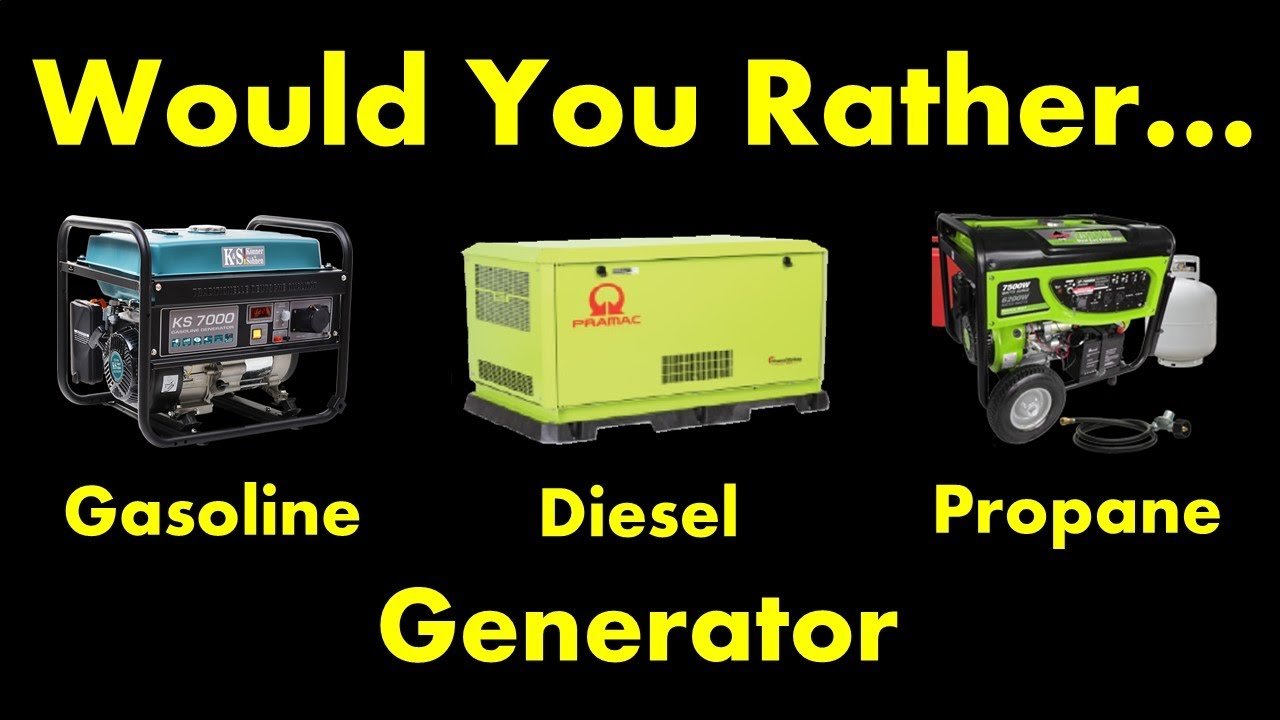
When it comes to choosing a generator, you may find yourself torn between propane and diesel options. Both have unique advantages and potential drawbacks that can impact your decision.
Understanding these differences is crucial for ensuring you select the right generator for your needs. Do you need a reliable power source for your home, business, or outdoor activities? Are you considering efficiency, cost, and convenience? We’ll break down the key features of propane and diesel generators, helping you make an informed choice.
Let’s dive into the comparison and find out which generator is the best fit for you. Your perfect power solution is just a few paragraphs away!
Fuel Efficiency
Propane generators often provide better fuel efficiency compared to diesel generators. They use less fuel for the same amount of power. This can lead to cost savings over time and less environmental impact.
Fuel efficiency is a critical factor to consider when comparing propane and diesel generators. Understanding how each fuel type performs can help you make an informed decision that suits your needs and budget. Let’s break down the specifics of fuel efficiency for both propane and diesel generators.
Propane Generator Fuel Efficiency
Propane generators are known for their efficient fuel consumption. They typically provide a cleaner burn compared to diesel, which can lead to longer running times on less fuel. – Efficiency Rating: Propane generators usually have a fuel efficiency rating of around 0.5 to 1.5 gallons per hour, depending on the load. – Storage and Shelf Life: Propane can be stored indefinitely without losing its effectiveness. This means you can stock up and be prepared for power outages without worrying about fuel degradation. Consider this: I once used a propane generator during a weekend camping trip. Despite running it for hours, I barely touched the propane tank. The efficiency was a game-changer, allowing us to enjoy our time without frequent fuel checks.
Diesel Generator Fuel Efficiency
Diesel generators have a reputation for being robust and efficient under heavy loads. They often deliver more power per gallon than propane, making them a popular choice for industrial applications. – Efficiency Rating: Diesel generators can achieve a fuel efficiency of around 0.3 to 0.8 gallons per hour, depending on the load and model. – Longevity and Maintenance: Diesel engines typically last longer than propane engines, which can mean less frequent replacements and repairs. However, they can require more maintenance due to the complexity of the fuel system. Have you ever noticed how diesel generators perform in construction sites? They run continuously for days, demonstrating their fuel efficiency while powering heavy machinery.
Cost Considerations
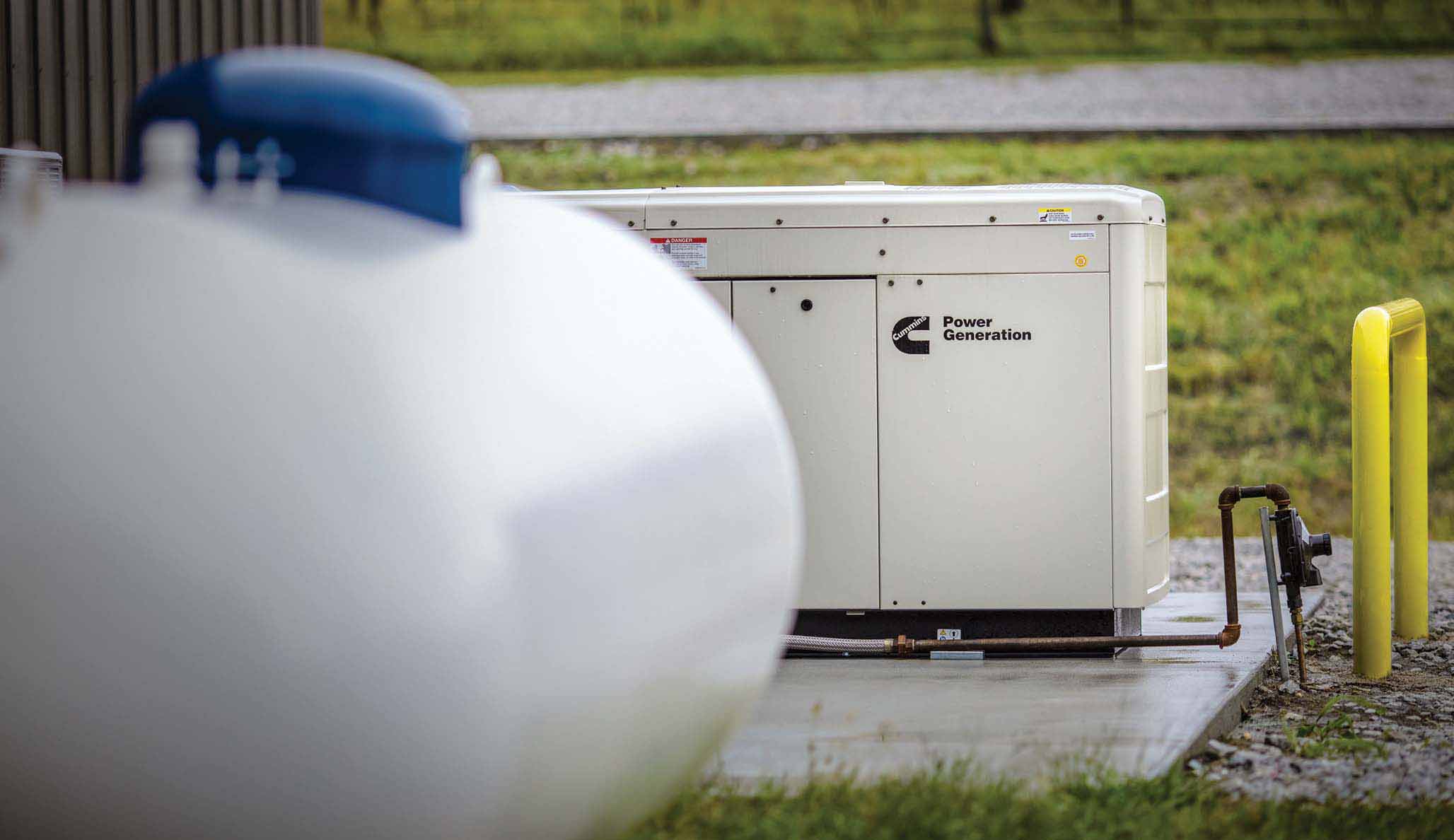
Cost efficiency goes hand in hand with fuel efficiency. Propane is often cheaper than diesel, but prices can fluctuate based on location and market conditions. – Cost per Gallon: Check local prices. If propane is significantly cheaper, it may tip the scales in its favor for home use. – Total Cost of Ownership: Factor in maintenance and longevity. A higher upfront cost for a diesel generator might be offset by its durability and efficiency over time. Understanding your specific needs will help you decide. How much power do you need? Will you use the generator frequently or just for emergencies? Fuel efficiency plays a vital role in your generator choice. Weigh the pros and cons of both propane and diesel to find what works best for you.
Credit: www.ferrellgas.com
Cost Of Operation
Understanding the cost of operation is vital. It helps in choosing between propane and diesel generators. Each fuel type has different prices and efficiency levels. This affects your overall expenses.
Fuel Costs
Fuel prices vary for propane and diesel. Propane is often cheaper than diesel. However, diesel generators are more efficient. They use less fuel for the same power output. This can make diesel a better choice in some cases.
Maintenance Expenses
Maintenance costs differ for both types. Diesel generators need regular oil changes. They may also require more parts replacement over time. Propane generators have lower maintenance needs. Fewer moving parts mean less wear and tear.
Operational Efficiency
Efficiency matters in cost. Diesel generators generally provide more power per gallon. This can lead to lower operational costs in the long run. Propane generators, while less efficient, are easier to start in cold weather.
Longevity And Durability
Generators last longer with proper care. Diesel generators often have a longer lifespan. They can handle heavy loads better. Propane generators may not last as long, but they run cleaner. Cleaner fuel means less buildup and easier maintenance.
Overall Cost Analysis
Calculate your total costs before choosing. Factor in fuel prices, maintenance, and efficiency. Diesel may have higher upfront costs but can save money over time. Propane offers savings in maintenance but may cost more in fuel.
Environmental Impact
The choice between propane and diesel generators is not just about power and efficiency; it also significantly impacts the environment. Understanding these effects can help you make a more informed decision. Let’s break down the environmental implications of each fuel type.
Propane Generators And Their Environmental Footprint
Propane is often touted as a cleaner-burning fuel. It produces fewer greenhouse gas emissions compared to diesel. This means when you use a propane generator, you’re contributing less to air pollution.
Moreover, propane generates lower levels of nitrogen oxides and particulate matter. These substances can harm both human health and the environment. If you’re concerned about air quality, propane may be the better choice.
Diesel Generators: The Hidden Costs
Diesel generators are powerful but come with environmental drawbacks. They emit higher levels of carbon dioxide, sulfur dioxide, and other harmful pollutants. This not only affects the atmosphere but can also contribute to respiratory issues.
Additionally, diesel fuel spills can lead to soil and water contamination. The environmental cleanup can be costly and time-consuming. This factor might make you reconsider if you want to rely on diesel for your energy needs.
Renewable Energy Alternatives
Are you considering alternatives that are more eco-friendly? Solar and wind energy are gaining traction as viable options. While they may require a larger initial investment, the long-term benefits for the environment are undeniable.
Think about how much energy you need and what fuel source aligns with your values. Choosing renewable energy can significantly reduce your carbon footprint. You might find that the initial cost is worth the positive impact on the planet.
Making The Right Choice For Your Needs
Your choice between propane and diesel should factor in not only power requirements but also environmental considerations. Assess what matters most to you. Is it the immediate power output, or are you more concerned about your ecological impact?
Take a moment to reflect on your energy needs and values. Each generator type has its pros and cons. Your decision today can lead to a cleaner, healthier environment for tomorrow.
Power Output
Power output is a crucial factor to consider when choosing between propane and diesel generators. The efficiency and capability of a generator can greatly impact your energy needs, whether for home use, construction sites, or emergency situations. Understanding the differences can help you make an informed decision.
Understanding Generator Power Ratings
Generators are rated in watts, which indicates the total power they can deliver. This rating is essential for determining if a generator can handle your devices and equipment. For instance, if you have multiple appliances, you need a generator that can provide enough power for all of them.
Typically, propane generators are available in a range of wattages, from small portable units to larger stationary systems. Diesel generators also offer a variety of wattages, often providing higher output for heavy-duty applications. It’s important to assess your specific power needs before making a choice.
Comparing Power Output: Propane Vs. Diesel
Propane generators usually have a lower power output compared to diesel units. This is primarily due to the energy density of the fuels. A gallon of diesel fuel contains more energy than a gallon of propane, which translates into higher power output for diesel generators.
However, propane generators can be more efficient for lower power requirements. If you only need to run essential appliances, a propane generator could be sufficient. Assess the total wattage of your devices to determine the best fit.
Real-world Applications
In my experience, using a propane generator during a home renovation project was a game-changer. It easily powered tools like saws and drills without any hiccups. On the other hand, at a construction site, a diesel generator was the preferred choice due to its ability to handle heavy machinery.
This difference highlights the importance of understanding your power needs. A diesel generator may be more suitable for large, continuous loads, while a propane unit excels in residential scenarios where lower power is required. What will you be using your generator for?
Making The Right Choice
Choosing the right generator depends on your power requirements and preferences. Consider how often you’ll use it, the load it needs to support, and the fuel availability in your area. A careful evaluation can help you select a generator that meets your needs effectively.
Ultimately, whether you choose propane or diesel, ensure that the generator’s power output aligns with your expectations. Assessing your specific needs now can save you time and money later. Are you prepared to make the switch to a generator that fits your lifestyle?
Maintenance Requirements
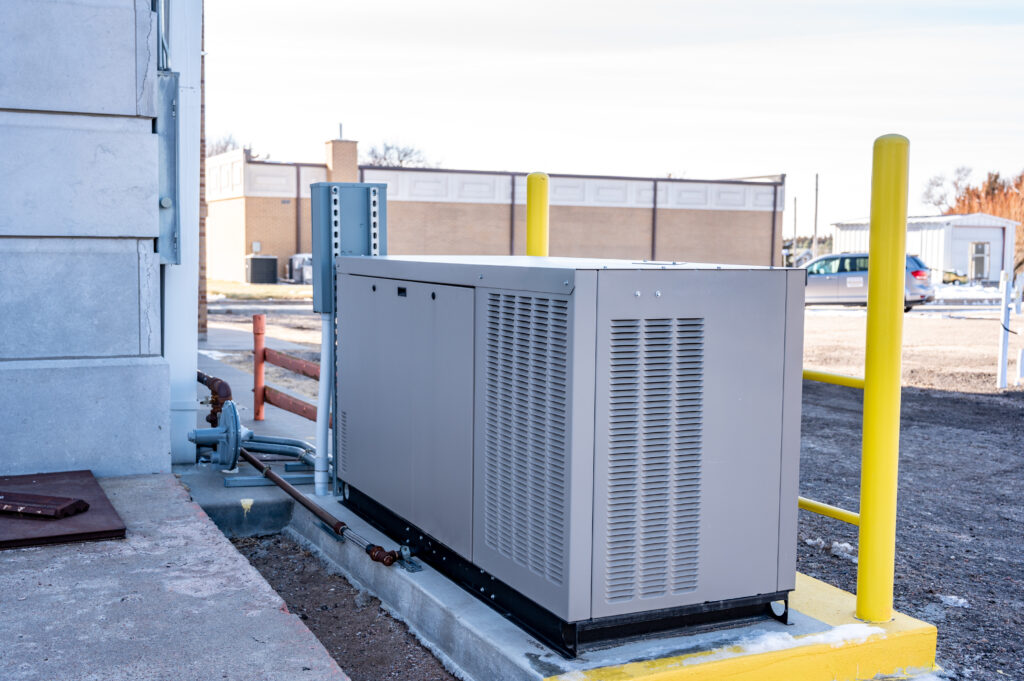
Maintaining a generator is crucial for its performance. Propane and diesel generators require different care. Understanding these differences helps you choose the right one.
Propane Generator Maintenance
Propane generators are easier to maintain. They have fewer moving parts. This leads to less wear and tear over time.
Regular checks are still important. Inspect the fuel lines for leaks. Clean or replace the air filter as needed. Keep the spark plugs in good condition.
Propane tanks should be checked too. Ensure they are full and free from rust. Regular maintenance keeps your generator running smoothly.
Diesel Generator Maintenance
Diesel generators need more attention. They have complex systems that require regular servicing. Checking the engine oil is vital. Change it according to the manufacturer’s guidelines.
Fuel filters need regular replacement. Dirty filters can affect performance. Also, check the cooling system often. Overheating can cause major issues.
Keep the battery charged and clean. Corrosion can lead to starting problems. Regular maintenance is key for diesel generators.
Cost Of Maintenance
Maintenance costs vary between propane and diesel. Propane generators usually cost less to maintain. Diesel generators require more parts and labor. This can increase overall costs.
Consider long-term expenses. A propane generator may save money over time. Diesel generators might have a higher upfront cost.
Evaluate your needs before making a choice. Think about maintenance as part of your decision.
Credit: cat5resources.com
Durability And Lifespan
Understanding the durability and lifespan of generators is crucial for making an informed decision between propane and diesel options. You want something that lasts and performs well, especially during emergencies or off-grid situations. Let’s dive into what sets these two types apart in terms of longevity and reliability.
Propane Generator Durability
Propane generators are known for their clean-burning fuel. This results in less residue buildup, which can enhance the overall durability of the engine. You might notice that regular maintenance is often simpler, leading to longer operational life.
Many users find propane generators to have fewer moving parts compared to diesel units. This means fewer components that can wear out over time. In my experience, a well-maintained propane generator can last anywhere from 20 to 30 years.
Diesel Generator Lifespan
Diesel generators typically boast a robust construction. They are designed to handle heavy workloads, which can translate into a longer lifespan under demanding conditions. Users often report lifespans of 30 years or more with proper care.
However, diesel engines can be more complex. Regular maintenance is essential, as neglect can lead to costly repairs. If you’re ready to invest time and effort in upkeep, a diesel generator could serve you well for decades.
Maintenance And Its Impact
Maintenance plays a significant role in the lifespan of both generator types. Propane systems often require less frequent servicing, while diesel engines need more regular check-ups to keep them running smoothly. Think about your lifestyle and how much time you can dedicate to maintenance.
Have you ever had to deal with an unexpected breakdown? Keeping an eye on oil levels, filters, and fuel quality can save you from those headaches. Consistent care will ensure your generator, whether propane or diesel, serves you reliably for years.
Cost Considerations
Cost can also influence your choice. Propane generators are usually less expensive upfront. However, diesel generators might offer better long-term value due to their extended lifespan and superior performance under heavy loads.
Have you thought about the total cost of ownership? Factor in fuel costs, maintenance, and potential repairs when making your decision. This will help you choose a generator that not only lasts longer but also fits your budget effectively.
Availability Of Fuel
The availability of fuel plays a crucial role in your decision between propane and diesel generators. Understanding where and how you can access these fuels can significantly impact your choice. Let’s break down the availability of propane and diesel fuel in a straightforward way.
Propane Availability
Propane is widely available in many areas, especially in regions where it’s used for heating and cooking. You can find it at local gas stations, dedicated propane suppliers, and even in some grocery stores.
- Convenient refills at gas stations
- Tank exchanges available at many retail locations
- Delivery services from local suppliers
Many homeowners use propane for various applications, meaning suppliers often keep a robust stock. This makes it easier for you to find a reliable source when you need it most.
Diesel Availability
Diesel fuel is also prevalent, especially in commercial settings and among trucking companies. Most gas stations carry diesel, making it easy to fill your generator on the go.
- Accessible at most fuel stations
- Commonly used in farming and construction industries
- Bulk purchasing options available for regular users
This widespread use ensures that you can find diesel fuel almost anywhere. However, in remote areas, availability might be limited compared to propane.
Comparative Accessibility
Both fuel types have their pros and cons regarding availability. Propane offers convenience with its numerous refill options, while diesel provides a steady supply at many locations.
Consider your location and lifestyle. Do you live in a rural area where one fuel type may be easier to find? Your choice may hinge on how quickly you can access fuel when needed.
Ultimately, assess your generator’s usage and the local availability of each fuel. Making an informed decision can save you time and hassle in the long run.
Noise Levels
Noise levels can significantly affect your experience with generators. Whether you’re camping, working on a construction site, or using it at home, the sound produced can make a big difference. Choosing between a propane and diesel generator often comes down to how much noise you can tolerate.
Propane Generators: Quiet And Efficient
Propane generators are known for their quieter operation. Many models operate at around 50 to 60 decibels, which is comparable to a normal conversation.
This lower noise level makes propane generators ideal for residential areas or camping trips where peace and quiet are essential. You can enjoy your outdoor activities without disturbing nature or your neighbors.
Diesel Generators: The Roar Of Power
On the flip side, diesel generators tend to be louder. They typically operate at 70 decibels or more, which can feel disruptive, especially in quiet settings.
The sound can be a deterrent for those who prefer a more serene environment. If you’re using a diesel generator for extended periods, the noise can become exhausting.
Comparing Noise Levels
| Generator Type | Average Noise Level (Decibels) |
|---|---|
| Propane | 50 – 60 dB |
| Diesel | 70 dB and above |
When selecting a generator, consider where you’ll be using it. If you plan to use it at home or in a quiet area, a propane generator could be the better choice. Can you imagine trying to relax outdoors with the loud hum of a diesel generator in the background?
Ultimately, the decision hinges on your noise tolerance. Will a quieter option enhance your experience, or is the power of a diesel generator worth the sound? Your choice could shape your generator experience in ways you might not expect.
Startup And Performance
Choosing between a propane and diesel generator often comes down to how well they start and perform. These factors matter for reliability and efficiency. Understanding each type’s startup process and overall performance can help you make a better choice.
Startup Time
Propane generators usually start faster than diesel ones. They ignite quickly and reach full power quickly. This feature is helpful during emergencies.
Diesel generators may take longer to start. They require a preheat period. This can slow down the response in urgent situations.
Propane generators tend to be quieter. They operate with less engine noise. This can be important for residential areas.
Diesel generators are generally louder. The sound can be disruptive, especially in quiet settings.
Propane is often more efficient for short bursts of power. It burns cleaner and produces less residue. This helps with maintenance and longevity.
Diesel generators usually perform well for longer durations. They provide a steady power supply, ideal for heavy-duty tasks.
Load Handling
Both generators handle loads differently. Propane generators excel in starting loads. They can manage sudden spikes in power needs.
Diesel generators are strong for continuous loads. They maintain power stability over time, which is beneficial for large projects.
Ideal Applications
Choosing between a propane and diesel generator depends significantly on your specific needs. Understanding the ideal applications for each type can help you make an informed decision. Whether you need a generator for home backup, recreational use, or job sites, knowing the strengths of propane and diesel will guide you in the right direction.
Home Backup Power
For residential use, propane generators are often favored. They start quickly and are generally quieter than diesel options, making them ideal for neighborhoods. You can power essential appliances like refrigerators and heaters without disturbing your family or neighbors.
Consider your emergency situations. Propane stores well and remains usable for years. You can easily stock up and be prepared for long power outages.
Construction Sites
Diesel generators dominate in construction settings. They provide high power output and are better suited for heavy-duty equipment. If you need to run multiple tools simultaneously, diesel is the way to go.
The durability of diesel generators also makes them reliable for outdoor conditions. You won’t have to worry as much about weather or rough handling. Their robust design stands up to the toughest job site challenges.
Recreational Use
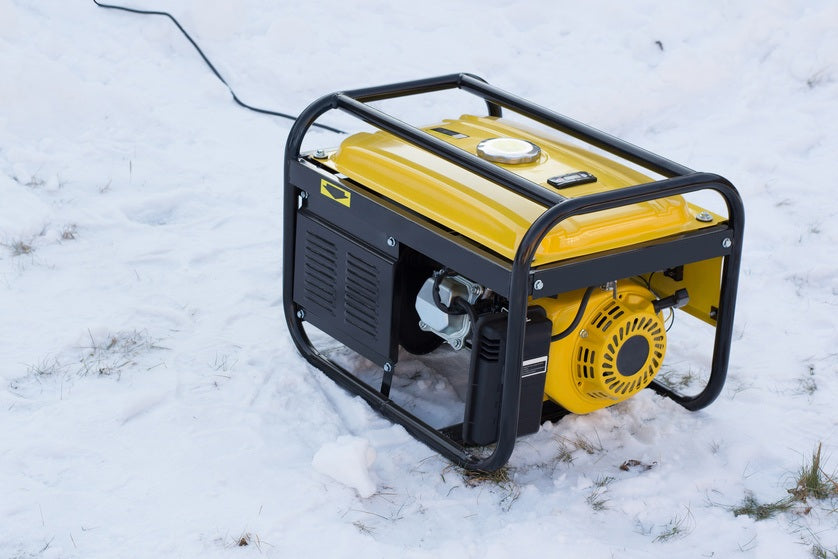
If you enjoy camping or tailgating, propane generators shine. They are lightweight and portable, making them easy to transport. You can power your RV or cooking equipment while enjoying nature.
Plus, propane is cleaner than diesel, which is a bonus for the environment. You can enjoy your outdoor activities without leaving a significant carbon footprint.
Emergency Services
In emergencies, reliability is crucial. Diesel generators are often used by emergency services due to their extensive fuel availability. They can run longer and are well-suited for high-demand situations like powering hospitals or shelters.
However, don’t overlook propane in these scenarios. Many emergency response teams use propane for its quick start and ease of transport. Think about what your specific needs are during an emergency.
Cost Considerations
Budget impacts your choice, too. Diesel generators typically have lower fuel costs but higher maintenance expenses. Propane generators may require more frequent refills but often have lower initial costs and maintenance requirements.
Evaluate your usage patterns. If you plan to use the generator frequently, diesel might save you more over time. For occasional use, propane could be the economical choice.
Deciding between propane and diesel generators depends on your unique applications. Assess your needs carefully, and you’ll find the best fit for your power requirements.
Credit: www.critterguard.org
Frequently Asked Questions
What Is The Main Difference Between Propane And Diesel Generators?
Propane generators use gas, while diesel generators run on diesel fuel. This affects efficiency and fuel storage.
Which Generator Is More Fuel-efficient?
Propane generators often provide better fuel efficiency than diesel ones. They can use less fuel for the same output.
Are Propane Generators Quieter Than Diesel?
Yes, propane generators tend to be quieter than diesel generators. This makes them better for residential areas.
How Long Can A Propane Generator Run?
A propane generator can run as long as it has fuel. Typically, it can last 8 to 12 hours.
What Are The Maintenance Needs For Each Generator?
Both types need regular maintenance. Diesel generators may need more frequent oil changes compared to propane.
Which Generator Is Better For The Environment?
Propane generators are generally cleaner. They produce fewer emissions than diesel generators, making them more eco-friendly.
Can Propane Generators Start In Cold Weather?
Yes, propane generators can start in cold weather. They perform well even in low temperatures.
Is It Safe To Store Propane Fuel?
Storing propane is safe if done correctly. Keep it in a well-ventilated area, away from heat sources.
Which Generator Is Cheaper To Operate?
Propane can be cheaper than diesel, depending on local fuel prices. Always check current costs in your area.
What Are The Typical Uses For Each Generator?
Propane generators are great for home backup. Diesel generators often power construction sites and heavy machinery. “`
Conclusion
Choosing between propane and diesel generators depends on your needs. Propane offers cleaner emissions and easier storage. Diesel generators provide more power and durability. Think about your budget and fuel availability. Each option has its pros and cons. Consider how often you will use the generator.
Your choice should match your specific situation. Take your time to weigh these factors. A well-informed decision will lead to better performance and satisfaction.