
Are you considering an inverter generator for your power needs? You’re not alone.
Many people are turning to these compact and efficient machines for home backup, camping trips, and outdoor events. But before you make a decision, it’s crucial to weigh the pros and cons. Understanding the benefits can help you enjoy quiet and clean energy, while being aware of the downsides can save you from potential headaches.
We’ll break down everything you need to know about inverter generators. By the end, you’ll be equipped to make an informed choice that fits your lifestyle. Let’s dive in!
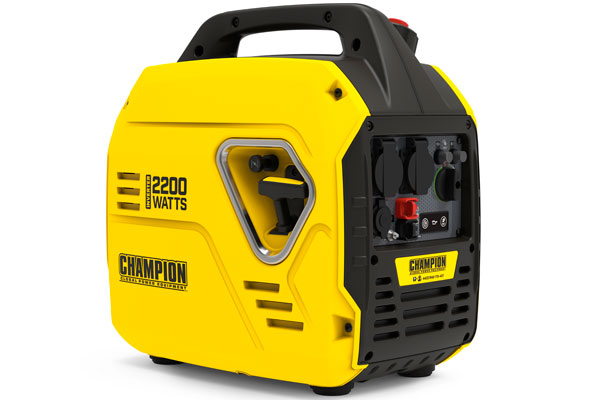
Credit: www.championpowerequipment.eu
Advantages Of Inverter Generators
Inverter generators offer several advantages. They are quieter than traditional generators, making them ideal for camping or residential areas. These generators also provide stable power, which is safer for sensitive electronics. Their compact size and fuel efficiency make them easy to transport and economical to run.
The advantages of inverter generators are becoming increasingly popular among outdoor enthusiasts and homeowners alike. Their unique features make them a go-to option for anyone needing reliable power without the hassle of traditional generators. Let’s dive into the key benefits that make inverter generators stand out.Efficient Fuel Usage
Inverter generators excel in fuel efficiency. They adjust their engine speed based on the power demand, meaning they only use the fuel necessary for the task at hand. This leads to significant savings over time. You may find that an inverter generator runs longer on less fuel compared to a conventional generator. Imagine having a generator that doesn’t guzzle gas every hour—sounds appealing, right?Compact And Lightweight Design
One of the most significant advantages is their compact size and lightweight design. Inverter generators are usually smaller and easier to transport than their traditional counterparts. This makes them ideal for camping trips or tailgating events. You’ll appreciate how easy it is to throw one in your car without taking up too much space.Quiet Operation
Noise can be a dealbreaker when choosing a generator. Inverter generators operate much quieter than traditional models, often producing noise levels comparable to a normal conversation. This feature is especially beneficial if you’re using the generator in a residential area or at a campsite. You can enjoy the great outdoors without the constant drone of a loud generator interrupting your peace.Clean Power Output
Inverter generators provide clean power, making them safe for sensitive electronics. Unlike conventional generators, they produce a stable voltage and frequency. This means you can confidently charge your laptop, phone, or other devices without risking damage. Who wants to deal with a fried gadget?Portability And Versatility
Portability is another strong suit of inverter generators. Their lightweight and compact design allows for easy transport, making them perfect for various settings. Whether you’re tailgating, camping, or powering tools at a job site, these generators adapt to your needs. Have you ever found yourself in a situation where you needed power but couldn’t easily transport your generator? With an inverter generator, that concern fades away. Inverter generators offer many compelling advantages that can significantly enhance your power supply experience. From efficient fuel usage to clean power output, they cater to a wide range of needs and situations. Consider what features matter most to you, and you might just find that an inverter generator is the right choice for your next adventure or home project.
Credit: americasgenerators.com
Disadvantages Of Inverter Generators
Inverter generators have many benefits. Yet, they also have some drawbacks. Understanding these disadvantages helps in making an informed choice.
Higher Initial Cost
Inverter generators cost more than traditional models. This higher price can be a barrier for many buyers. Budget-conscious consumers may find it hard to invest in one. The advanced technology used contributes to this cost. Many people might prefer cheaper options instead.
Limited Power Output
Inverter generators produce less power than larger generators. This limits their use for heavy appliances. They work well for small devices like phones and laptops. However, they may struggle with power tools or larger items. Users must check power needs before buying. It is crucial to choose the right size for your needs.
Maintenance Requirements
Inverter generators need regular maintenance. Keeping them in good condition is essential. Users must check oil levels and replace filters. Ignoring these tasks can lead to poor performance. Some may find this upkeep time-consuming. A lack of maintenance can affect the generator’s lifespan.
Durability Concerns
Inverter generators can be less durable than traditional ones. They have more sensitive parts that can break. This makes them vulnerable to rough handling. Users must be careful during transport and storage. Some models may not withstand extreme weather. Long-term outdoor use may lead to issues.
Key Features To Consider
Choosing the right inverter generator requires careful thought. Many features affect performance and usability. Understanding these features helps you make the best choice.
Fuel Type Options
Inverter generators run on different fuel types. Common options include gasoline, propane, and diesel. Each fuel type has its pros and cons.
Gasoline is widely available. It offers good power for the price. Propane is cleaner and safer. It has a longer shelf life. Diesel engines are durable and efficient. They can handle heavy loads but are often more expensive.
Power Capacity
Power capacity is crucial for your needs. It is measured in watts. Higher wattage means more devices can run at once. Consider your appliances and tools.
Small units provide around 1,000 watts. Larger models can offer over 5,000 watts. Make sure to choose a generator that fits your power needs.
Noise Levels
Noisy generators can be a nuisance. Most inverter generators are quieter than traditional models. Check the decibel rating before buying.
Generators under 60 decibels are ideal for camping or home use. A quieter generator ensures comfort during use.
Runtime And Efficiency
Runtime is how long the generator runs on a full tank. Efficient models can run for hours. This is important during power outages or camping trips.
Look for generators with good fuel efficiency. Some can run up to 12 hours on a single tank. Longer runtime means less hassle for you.
Ideal Uses For Inverter Generators
Inverter generators are great for camping, tailgating, and outdoor events. They provide quiet, clean power for sensitive electronics. Consider their lightweight design and fuel efficiency for easy transport. Yet, they might not handle heavy loads like traditional generators. Balancing these pros and cons helps in making the right choice.
Inverter generators are versatile power sources that cater to various needs. Understanding their ideal uses can help you determine if they fit your lifestyle. Whether you’re hitting the road for a camping trip or need backup power at home, these generators offer unique benefits.Camping And Outdoor Activities
Inverter generators are perfect for camping trips. They are lightweight and easy to transport, making them a great companion for your outdoor adventures. Imagine sitting around a campfire with the comforts of home—charging your phone or running a small refrigerator. You can enjoy nature without sacrificing convenience. Their quiet operation ensures that you won’t disturb the peace of the great outdoors.Backup Power For Homes
Having an inverter generator as backup power can be a lifesaver. They provide reliable electricity during outages, keeping your essential appliances running. You can power your refrigerator to prevent food spoilage or keep your lights on during storms. The ability to fuel your home with clean power gives you peace of mind. This becomes especially important when you have family members who rely on medical equipment.Powering Sensitive Electronics
If you own sensitive electronics, inverter generators are your best bet. They produce a stable current, which is essential for devices like laptops, TVs, and gaming consoles. You don’t want to risk damaging your expensive gadgets with inconsistent power. Many users appreciate how inverter generators can charge devices without the risk of surges. Have you ever had a device shut down unexpectedly? Using an inverter generator can help prevent that frustration.Emergency Situations
In unexpected emergencies, having an inverter generator on hand can be crucial. They can provide power for lighting, heating, or cooling during crises. Being prepared means you can stay comfortable and safe when the situation gets tough. Imagine facing a heatwave with no air conditioning; an inverter generator can keep your fans running. You never know when you might need a reliable power source, so consider the benefits they offer. Inverter generators present excellent solutions for various scenarios. Whether for recreation, home backup, sensitive electronics, or emergencies, they can be a practical investment. Have you thought about how an inverter generator could enhance your life?Comparing Inverter And Conventional Generators
Inverter generators offer quiet operation and fuel efficiency. They are lightweight and easy to transport. On the downside, they can be more expensive than conventional generators and may have lower power output. Understanding these pros and cons helps in making the right choice for your needs.
Comparing inverter and conventional generators can help you make the best choice for your power needs. Each type has its unique characteristics that can significantly impact your experience. Let’s break down the key differences to clarify which generator might be right for you.Fuel Efficiency Differences
Inverter generators are known for their impressive fuel efficiency. They adjust their engine speed based on the power load, which means they use less fuel when demand is low. Conventional generators operate at a fixed speed, which can lead to wasted fuel when running at partial loads. If you plan to use your generator for extended periods, those savings can add up quickly. Wouldn’t it be great to save on fuel costs while still getting reliable power?Noise Levels Comparison
Noise levels are another significant factor. Inverter generators are designed to run quietly, often producing sound levels similar to a normal conversation. This makes them ideal for camping trips or residential areas where noise regulations apply. On the flip side, conventional generators can be quite loud, often exceeding 60 decibels. Imagine trying to enjoy a peaceful evening outdoors with a noisy generator running nearby. Would you prefer the tranquility of your surroundings, or do you need the brute power of a conventional generator?Power Output Variations
Power output varies considerably between these two types of generators. Inverter generators provide clean and stable power, making them suitable for sensitive electronics like laptops and smartphones. Conventional generators tend to produce a higher wattage, making them better for heavy-duty applications. If your primary need is running power tools or multiple appliances, a conventional generator might be more suitable. However, if you need stable power for sensitive devices, an inverter is the better choice. What devices will you be powering, and how sensitive are they to fluctuations?Cost Analysis
When considering cost, inverter generators typically have a higher upfront price. However, their fuel efficiency and quieter operation can save you money in the long run. Conventional generators usually come at a lower initial cost, making them attractive if you have a tight budget. Think about your long-term needs versus your immediate budget. Are you willing to invest more upfront for savings down the line? Ultimately, your choice between an inverter and a conventional generator will depend on your specific requirements. Understanding these key differences will help you make an informed decision.
Credit: www.consumerreports.org
Frequently Asked Questions
What Are The Advantages Of Inverter Generators?
Inverter generators are highly efficient and quieter than conventional generators. They provide clean power suitable for sensitive electronics. Their compact design makes them portable and easy to transport. Additionally, they often have fuel-efficient engines, which prolong runtime and reduce fuel costs, making them economical for long-term use.
What Are The Disadvantages Of Inverter Generators?
Inverter generators can be more expensive than traditional generators. Their power output may be limited, making them unsuitable for heavy-duty applications. Maintenance can also be more complex, requiring specialized knowledge. Furthermore, some models may not perform well in extreme weather conditions, affecting reliability during emergencies.
How Do Inverter Generators Work?
Inverter generators convert raw power into clean, stable electricity. They use advanced electronics to regulate voltage and frequency. This process allows them to provide consistent power for sensitive devices. The inverter technology also enables quieter operation and improved fuel efficiency compared to conventional generators.
Are Inverter Generators Worth The Investment?
Yes, inverter generators are worth the investment for many users. Their efficiency, quiet operation, and clean power make them ideal for camping and home backup. Although they may have a higher upfront cost, the long-term savings on fuel and maintenance often justify the price.
Conclusion
Choosing an inverter generator requires careful thought. Weigh the pros against the cons. These generators offer quiet operation and fuel efficiency. Yet, they may have a higher price and lower power output. Think about your needs. Will you use it for camping or backup power?
Understanding both sides helps in making the best choice. Take your time. A well-informed decision leads to satisfaction. Enjoy reliable power that fits your lifestyle.