
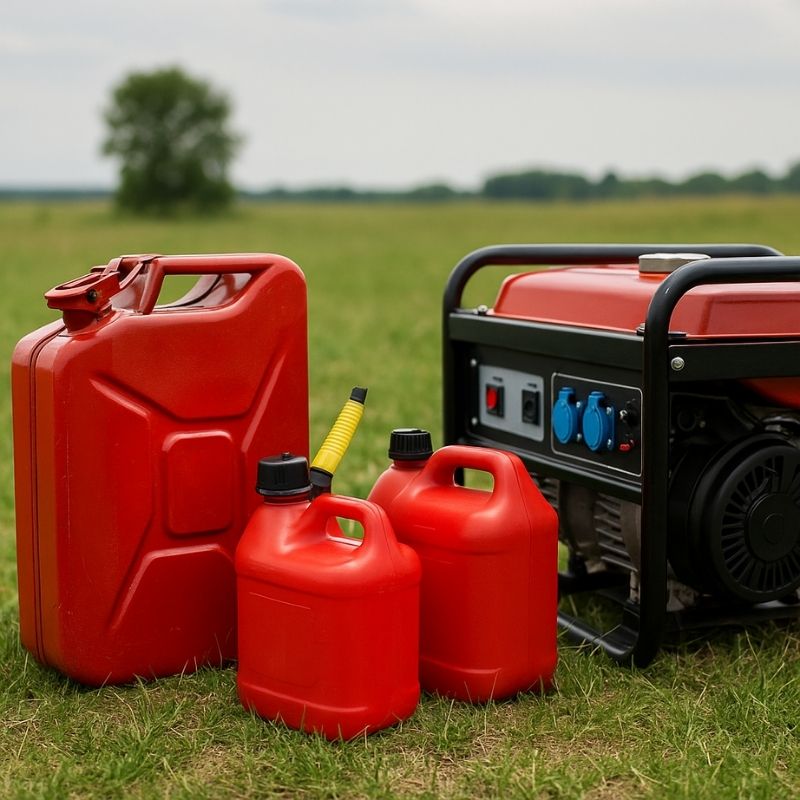
When you rely on a generator, having fuel on hand is essential. But storing that fuel safely is just as important as having it available.
If you don’t handle and store your generator’s fuel properly, you risk accidents, damage, or even losing power when you need it most. You’ll learn simple yet crucial fuel storage practices that keep you, your family, and your property safe.
By following these tips, you’ll ensure your generator is ready to go whenever you need it—without worry or hazard. Keep reading to discover how to protect your home and maintain your peace of mind with safe fuel storage.
Choosing The Right Storage Location
Choosing the right storage location for generator fuel is crucial for safety. Proper placement reduces risks of fire, spills, and harmful fumes. It also keeps fuel fresh longer and ready for use.
Fuel should always be stored away from living spaces and heat sources. A cool, dry place with good airflow is best. This helps prevent fuel degradation and dangerous vapor buildup.
Store Fuel In A Well-ventilated Area
Ventilation prevents the buildup of harmful fumes. Enclosed spaces can trap vapors, increasing fire risks. A shed or detached garage with vents works well. Avoid storing fuel in basements or tight indoor spaces.
Keep Fuel Away From Heat And Flames
Heat speeds up fuel evaporation and increases fire danger. Do not store fuel near heaters, furnaces, or vehicles. Direct sunlight also heats fuel containers, causing pressure buildup. Choose shaded or indoor spots away from ignition sources.
Use Approved Fuel Containers
Only store fuel in containers made for gasoline or diesel. These containers prevent leaks and reduce vapor release. Make sure containers are tightly sealed and in good condition. Avoid old or damaged cans that might fail.
Place Containers On Stable Surfaces
Keep fuel containers off the ground to avoid moisture damage. Use shelves or pallets to raise them slightly. This also makes spills easier to clean up. A stable surface prevents containers from tipping or leaking.
Using Approved Fuel Containers
Using approved fuel containers is essential for safe fuel storage for generators. These containers are designed to reduce the risk of leaks, spills, and accidents. They help keep fuel fresh and prevent harmful vapors from escaping. Storing fuel in the right container protects your home and environment.
Approved fuel containers meet strict safety standards. They are made from materials that resist corrosion and damage. Their design includes secure caps and spouts to control pouring. This minimizes fuel waste and exposure to air.
Types Of Approved Fuel Containers
Plastic and metal containers are common choices. Plastic containers are lightweight and resistant to rust. Metal containers offer strong durability and protect fuel from sunlight. Both types must be labeled for fuel use only.
Benefits Of Using Approved Containers
They prevent leaks and reduce fire hazards. Their tight seals stop vapors from escaping. This lowers the risk of harmful fumes indoors. Approved containers also extend fuel shelf life by limiting air contact.
Proper Handling And Storage Tips
Always fill containers outdoors to avoid inhaling fumes. Store containers in cool, dry, and ventilated areas. Keep them away from heat sources and direct sunlight. Check containers regularly for cracks or damage.
Keeping Fuel Away From Heat Sources
Keeping fuel away from heat sources is vital for safe generator operation. Fuel can ignite or explode if exposed to heat or sparks. Store fuel in cool, shaded places to reduce risk. Avoid areas near heaters, ovens, or direct sunlight.
Proper fuel storage protects your home and family from fire hazards. It also keeps fuel fresh and ready for use. Follow these key practices to keep fuel away from heat sources safely.
Store Fuel In A Well-ventilated Area
Choose a storage spot with good airflow. This prevents fumes from building up. Avoid enclosed spaces like basements or closed garages without ventilation. A shed or detached garage with vents is best.
Keep Fuel Containers Off The Ground
Place containers on shelves or pallets. This stops fuel from heating up due to ground heat. It also prevents moisture damage and rusting of containers.
Away From Appliances And Machinery
Do not store fuel near water heaters, furnaces, or other appliances. These devices can produce heat or sparks. Keep fuel far from vehicles and their exhaust pipes as well.
Use Approved Containers For Fuel Storage
Always use containers designed for fuel storage. These containers resist heat and prevent leaks. They also have proper seals to keep fumes contained.
Regularly Check For Heat Sources Nearby
Inspect your storage area often. Remove any potential heat sources. Electrical devices, lighting, or heaters should not be near fuel. Keeping an eye on the area lowers fire risks.

Credit: www.gentent.com
Ensuring Proper Ventilation
Proper ventilation is essential for safe fuel storage around generators. It helps prevent the buildup of harmful fumes. Good airflow reduces fire risks and protects your health.
Storing fuel in a well-ventilated area avoids dangerous gas accumulation. This is vital because gasoline and other fuels release vapors that can ignite easily. Proper ventilation keeps these vapors from concentrating.
Choose a storage spot that allows fresh air to move freely. Avoid enclosed spaces without windows or vents. A shed or garage with open windows or vents works well.
Choose A Well-ventilated Location
Select a storage area with natural airflow. Avoid basements or small closets. These places trap fumes and increase explosion risks. Outdoor storage under a covered area is often safer.
Use Ventilated Containers
Always store fuel in approved containers designed to release pressure safely. These containers help prevent vapor buildup inside. Avoid old or damaged cans that may leak fumes.
Keep Fuel Away From Ignition Sources
Keep fuel containers far from heaters, sparks, or electrical equipment. Proper ventilation helps, but removing ignition sources is crucial. Sparks can cause fuel vapors to catch fire quickly.
Regularly Inspect The Storage Area
Check the storage space and containers often. Look for signs of leaks or vapor buildup. Ensure vents or windows stay clear and open. This maintains safe airflow around the fuel.
Preventing Fuel Contamination
Fuel contamination can damage your generator and reduce its efficiency. Keeping fuel clean is vital for safe and reliable generator operation. Dirt, water, and debris in fuel cause clogging and engine problems.
Preventing contamination starts with careful handling and storage. Use clean containers and avoid exposure to moisture. Regular checks help catch issues early and maintain fuel quality.
Use Proper Fuel Containers
Choose containers designed for fuel storage. They prevent leaks and keep fuel clean. Avoid using old or rusty cans. Label containers clearly to avoid mix-ups.
Store Fuel In A Cool, Dry Place
Heat and sunlight degrade fuel quickly. Store containers in a shaded area with good ventilation. Avoid damp places to prevent water from entering the fuel.
Keep Containers Sealed Tightly
Always close containers after filling or using fuel. Tight seals stop dust and water from entering. Check seals regularly and replace damaged caps immediately.
Inspect Fuel Regularly
Look for signs of contamination such as cloudiness or separation. Remove any water or debris before use. Use a fuel stabilizer if storing fuel for long periods.
Use Clean Tools For Fuel Transfer
Use clean funnels and pumps when transferring fuel. Dirty tools can introduce contaminants. Clean tools after each use to maintain fuel purity.
Regular Fuel Inspection And Testing
Regular fuel inspection and testing are essential for safe generator operation. Fuel can degrade over time, causing engine problems or safety hazards. Checking fuel quality helps keep your generator reliable and efficient.
Inspect fuel containers and tanks often. Look for dirt, water, or any particles that may have mixed with the fuel. Contaminated fuel can block the generator’s fuel system and cause damage.
Testing fuel ensures it meets safety and performance standards. Simple tests can identify issues before they affect your generator. This practice reduces the risk of fuel-related failures.
Visual Inspection Of Fuel
Look inside the fuel container for any discoloration or cloudiness. Clear, bright fuel is a good sign. Dark or murky fuel indicates contamination. Check for water droplets or sediment at the bottom.
Fuel Sampling Procedures
Use clean tools to collect fuel samples. Draw samples from different parts of the container to get an accurate picture. Avoid stirring up sediment when sampling. Store samples in clear, sealed containers for testing.
Testing For Water And Contaminants
Water in fuel can cause engine failure. Use simple water detection kits or test strips. Some tests detect dirt, rust, or microbial growth. Regular testing prevents costly repairs and downtime.
Fuel Rotation And Replacement
Old fuel loses quality and should be replaced. Use the “first in, first out” method to rotate fuel supplies. Mark storage dates on containers to track age. Replace fuel every six months or as recommended.
Storing Different Fuel Types Safely
Storing different fuel types safely is vital for generator safety and performance. Each fuel type has unique storage needs. Proper handling prevents accidents and keeps fuel fresh. Safe storage also reduces fire risks and environmental hazards.
Choosing the right container and location matters. Fuels like gasoline, diesel, and propane all require specific storage methods. Knowing these methods ensures safety and generator readiness.
Gasoline Storage Tips
Use approved containers designed for gasoline. Store containers in a cool, dry place away from sunlight. Keep gasoline away from heat sources and flames. Avoid storing gasoline inside the house. Label containers clearly and keep them sealed tightly. Check containers regularly for leaks or damage.
Diesel Fuel Storage Guidelines
Store diesel in clean, airtight containers. Keep diesel in a shaded, ventilated area to avoid contamination. Use containers made from materials resistant to diesel. Avoid mixing diesel with other fuels. Inspect storage containers often for cracks or spills. Use diesel fuel stabilizers to extend shelf life.
Propane Fuel Safety
Store propane cylinders upright and on a flat surface. Keep propane outside in a well-ventilated area. Do not store propane near ignition sources or inside living spaces. Check cylinders for rust or damage before storage. Use protective caps on valves when not in use. Follow local rules for propane storage and handling.

Credit: truegear.com.au
Handling Fuel During Generator Storage
Handling fuel during generator storage requires careful attention. Fuel can degrade or become unsafe if not stored properly. This section covers key steps to manage fuel safely while your generator is not in use.
Correct fuel handling protects your generator and your home. It also reduces fire risks and fuel contamination. Follow these practices to keep fuel fresh and your environment safe.
Store Fuel In Approved Containers
Use containers designed for fuel storage only. These containers prevent leaks and reduce vapor release. Make sure containers are tightly sealed and labeled clearly.
Keep Fuel In A Cool, Ventilated Place
Store fuel away from direct sunlight and heat sources. A shed or detached garage works best. Proper ventilation helps prevent dangerous fumes from building up.
Avoid Storing Fuel Inside The House
Never keep fuel indoors or near living spaces. Gasoline fumes are toxic and flammable. Keeping fuel outside lowers fire risks and protects your family.
Use Fuel Stabilizers For Long-term Storage
Add fuel stabilizers to gasoline before storing it. Stabilizers keep fuel fresh and prevent gum build-up. This helps your generator start easily after storage.
Drain Or Use Up Fuel Before Storage
For long storage periods, run the generator until the tank is empty. Old fuel can damage engine parts and reduce performance. Draining fuel prevents these problems.
Following Local Safety Regulations
Following local safety regulations is essential for storing fuel safely for generators. These rules protect you, your family, and your property. They reduce the risk of fire and environmental damage. Always check and follow the laws in your area before storing fuel.
Local regulations often include rules about storage containers, location, and labeling. Some areas require specific types of containers that prevent leaks and spills. Others set limits on the amount of fuel you can store at home or on your property.
Keeping fuel in approved containers helps prevent accidents. These containers are designed to resist heat and pressure. They also reduce the chance of vapor buildup, which can cause explosions.
Understanding Local Storage Limits
Many places limit how much fuel you can keep at your home. These limits help prevent large fires and reduce hazards. Knowing these limits keeps you safe and legal. Store only what you need and replace old fuel regularly.
Choosing Approved Storage Containers
Use containers approved by local authorities or safety organizations. These containers have safety features like child-resistant caps and spill-proof designs. Avoid using old or damaged containers. Proper containers reduce the risk of leaks and accidents.
Proper Storage Location Requirements
Local rules often specify where to store fuel safely. Choose a cool, dry, and well-ventilated area. Never store fuel inside your home or near heat sources. Garages or outdoor sheds are usually recommended. Proper location prevents dangerous fumes and fire risks.
Labeling And Handling Fuel Safely
Label your fuel containers clearly with the type of fuel and date of storage. This helps prevent confusion and misuse. Handle fuel carefully to avoid spills. Clean up any spills immediately using proper materials. Safe handling protects you and the environment.

Credit: truegear.com.au
Emergency Preparedness And Spill Response
Emergency preparedness and spill response are crucial parts of safe fuel storage for generators. Planning ahead reduces risks during accidents. Proper handling and quick action help protect people and the environment.
Knowing how to respond to fuel spills minimizes damage. Having a plan ensures safety and compliance with regulations. Being ready can prevent costly cleanup and health hazards.
Creating An Emergency Fuel Spill Plan
Develop a clear plan for fuel spills near your generator. Identify who will respond and what steps to follow. Keep emergency contact numbers handy for local fire and environmental agencies.
Store spill kits close to the fuel storage area. These kits should include absorbent pads, gloves, and disposal bags. Train all users on how to use these tools safely.
Safe Fuel Handling During Emergencies
Stop the fuel flow immediately if a spill occurs. Use absorbent materials to contain and soak up the fuel. Avoid letting fuel reach drains or soil.
Wear protective gear such as gloves and masks during cleanup. Dispose of contaminated materials according to local laws. Ventilate the area to reduce fumes and fire risk.
Regular Training And Drills
Conduct regular training sessions on emergency procedures for all staff. Practice spill response drills to improve readiness. Review and update your emergency plan as needed.
Clear communication helps prevent panic and confusion during spills. Everyone should know their role to handle emergencies quickly. Training builds confidence and promotes a safer environment.
Frequently Asked Questions
How To Safely Store Gasoline For A Generator?
Store gasoline in approved containers, away from heat or sunlight. Keep containers in a cool, ventilated shed or garage. Avoid indoor storage. Inspect containers regularly for leaks or pressure. Follow local safety regulations for fuel storage and handling.
What Is The 20 20 20 Rule For Generators?
The 20 20 20 rule for generators means running the generator every 20 days for 20 minutes at 20% load. This keeps the engine lubricated and fuel fresh.
What Are The Safety Requirements For Fuel Storage?
Store fuel in cool, dry, well-ventilated areas away from heat and ignition sources. Use approved containers and inspect regularly. Never store fuel indoors or near living spaces. Follow local regulations and manufacturer guidelines for safe handling and storage.
Should I Store My Generator With A Full Tank Of Gas?
Do not store your generator with a full gas tank for long periods. Empty or use fuel stabilizer to prevent damage and leaks.
What Is The Safest Way To Store Fuel For Generators?
Store fuel in approved containers in a cool, dry, and well-ventilated place away from heat sources.
How Long Can Gasoline Be Stored Safely For Generators?
Gasoline lasts about 3 to 6 months when stored properly before it degrades and becomes unsafe.
Should Generator Fuel Be Stored Indoors Or Outdoors?
Keep fuel storage outdoors or in a detached shed to reduce fire and fume risks indoors.
Can I Store Fuel In Plastic Containers For My Generator?
Use only containers approved for fuel storage, typically made of high-density polyethylene or metal.
How Far Should Fuel Be Stored From The Generator?
Keep fuel at least 20 feet away from the generator to avoid fire hazards.
Is It Safe To Store Fuel In The Garage?
Only store fuel in a well-ventilated garage, away from sparks, flames, or heat sources.
Conclusion
Safe fuel storage keeps your generator ready and your home secure. Store fuel in a cool, dry, and ventilated place. Avoid direct sunlight and heat sources nearby. Always use proper containers designed for fuel storage. Check your fuel regularly for leaks or damage.
Keep fuel away from children and pets at all times. Follow local safety rules to prevent accidents and fines. These simple steps protect your family and property effectively. Practicing safe fuel storage is a smart and responsible choice. Stay safe and power your generator with confidence.