
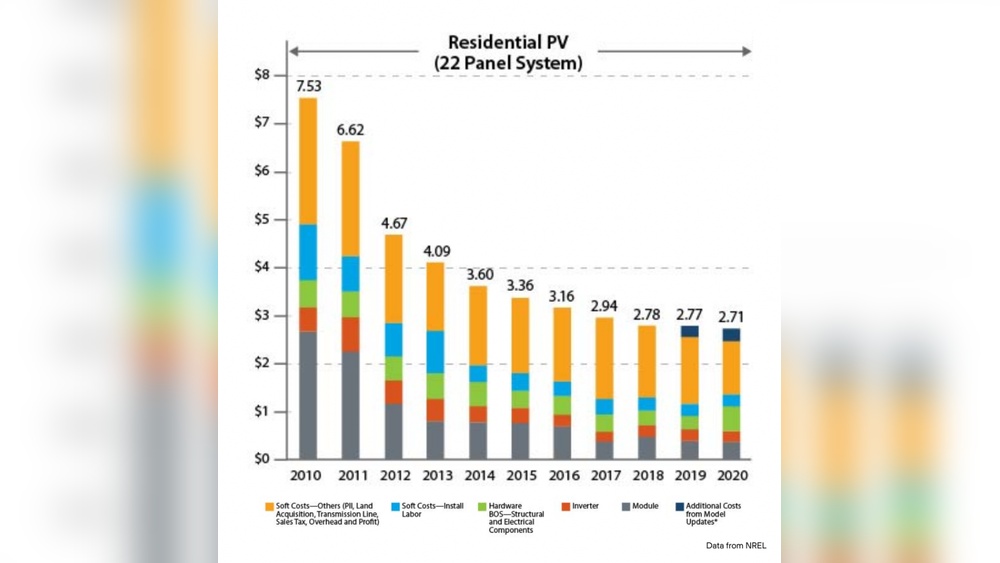
Are you curious about how much solar power really costs you per kilowatt-hour (kWh)? Understanding the true cost of solar electricity is key to making smart decisions for your home or business energy needs.
You might have heard that solar panels save money, but what does that mean in terms you can compare directly with your current electricity bills? You’ll discover the factors that influence solar power costs, how to calculate the cost per kWh, and what you should look out for when evaluating quotes.
By the end, you’ll have a clear picture of whether switching to solar is the right move for your wallet—and your future. Keep reading to uncover the numbers that matter most to you.
Solar Power Pricing Basics
Understanding solar power pricing basics helps you make smart energy choices. Solar power cost per kWh depends on several key factors. These factors affect your total investment and long-term savings.
This section breaks down the main elements that influence solar power pricing. It explains how to compare prices and what to expect from different systems.
System Size And Complexity
Larger solar systems often lower the cost per watt. Bigger setups produce more power but require higher upfront spending. Complex installations may need extra labor and equipment. This raises the overall price. Simple systems usually cost less and are easier to install.
Equipment And Installation Quality
Solar panel quality affects performance and price. High-quality panels last longer and produce more energy. Inverters and batteries also impact system cost. Skilled installation ensures safety and efficiency. Cheaper parts or poor installation can lead to future problems.
Location And Local Factors
Solar costs vary by location due to labor rates and permit fees. Some states offer incentives that lower total expenses. Regional demand influences installer pricing. Your city or neighborhood may affect costs too. Understanding local conditions helps estimate accurate prices.
Incentives And Discounts
Government incentives reduce solar installation costs. Tax credits and rebates make systems more affordable. Some programs support specific regions or income levels. Incentives change over time, so check current offers. They can significantly lower your cost per kWh.
How To Compare Solar Costs
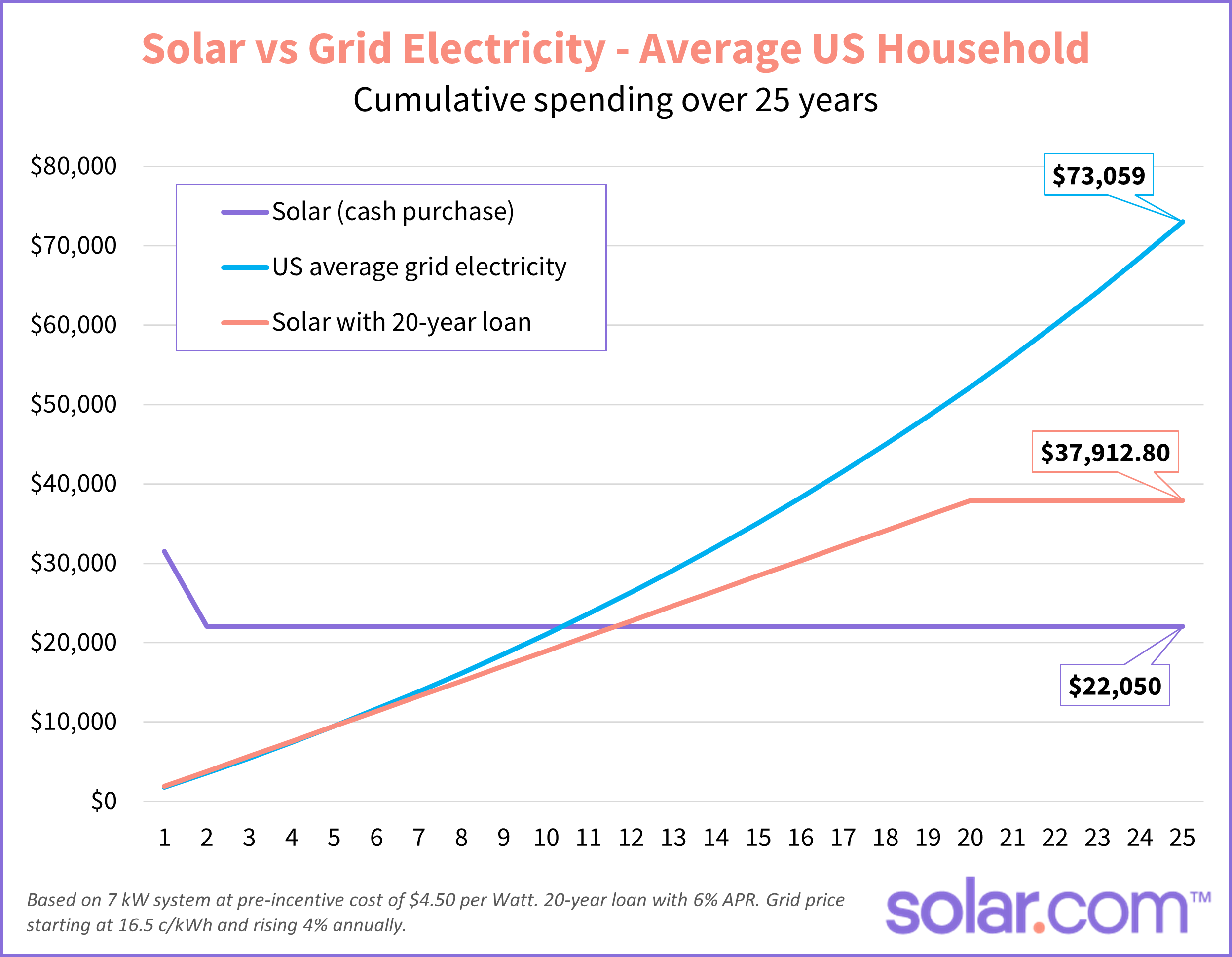
Cost per watt helps compare installer quotes easily. Divide total system cost by watt output for this figure. Levelized Cost of Energy (LCOE) shows cost per kWh over system lifetime. LCOE includes installation, maintenance, and energy production. Use both metrics for a clear price comparison.
Credit: www.solar.com
Factors Affecting Solar Costs
Several factors influence the cost of solar power per kWh. Understanding these helps you make better decisions about solar investments. Costs vary widely based on system details, location, and available incentives. Below are key factors that affect solar costs.
System Size And Complexity
Larger solar systems usually lower the cost per watt. Bigger systems spread fixed costs over more panels. Total upfront cost is higher but saves money over time. Complex designs, like roof angle or shading, raise installation costs. Simple systems cost less to install and maintain.
Equipment And Installation Quality
High-quality panels and inverters last longer and perform better. Cheaper equipment may reduce upfront cost but increase future expenses. Skilled installers ensure proper setup and system safety. Poor installation can cause energy loss and damage. Choosing trusted brands and professionals adds value.
Location And Labor Rates
Labor costs differ by state and city. Areas with high demand or strict regulations charge more. Permit fees and inspection costs vary by location. Sunlight levels affect how much energy your system produces. More sunlight means lower cost per kWh over time.
Local Incentives And Tax Credits
Government incentives lower the overall cost of solar systems. Tax credits reduce the amount you pay upfront. Rebates and grants may be available from local utilities or states. These incentives can cut your solar power cost significantly. Check available programs before installation.
Measuring Solar Costs
Measuring solar costs helps understand the true price of solar energy. It shows how much you pay for the power you get. Two common ways to measure solar costs are cost per watt and cost per kilowatt-hour.
These methods give clear numbers for comparison. They help you decide if solar is affordable and fits your budget. Each method has its own use and tells a different story about solar expenses.
Cost Per Watt
Cost per watt is the price of solar panels based on their power output. You find it by dividing the total system price by the total watts it produces. For example, if a system costs $10,000 and produces 5,000 watts, the cost per watt is $2.
This number helps compare different solar systems quickly. It focuses on the upfront cost before installation and other fees. Lower cost per watt usually means better value for the equipment.
Cost Per Kilowatt-hour (lcoe)
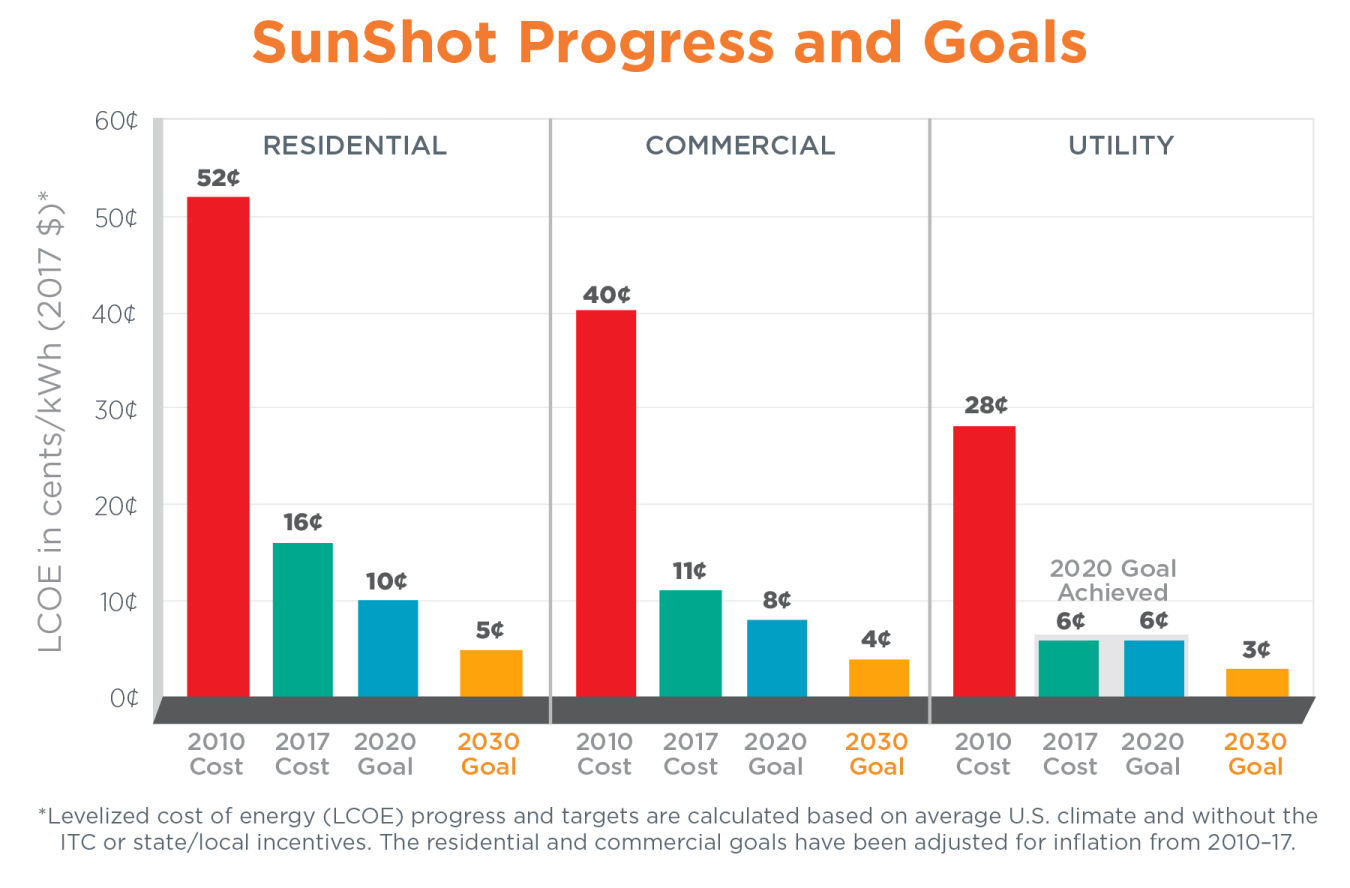
Cost per kilowatt-hour, or LCOE, shows the price of the electricity produced over the system’s lifetime. It includes all costs: installation, maintenance, and any replacement parts. Then it divides these costs by the total energy the system will generate.
This measure gives a better idea of the real cost of solar power. It shows how much each unit of energy costs you in the long run. LCOE helps compare solar to other energy sources fairly.
Credit: www.energy.gov
Residential Solar Expenses
Residential solar expenses include all costs homeowners pay to install and run solar panels. These costs vary widely depending on system size, equipment quality, and location. Understanding these expenses helps homeowners plan their budget and see the benefits over time.
Solar power can reduce electricity bills and increase home value. The initial investment may seem high, but savings grow as the system produces energy.
Upfront Costs
Upfront costs cover purchasing and installing solar panels and related equipment. This includes panels, inverters, mounting hardware, and labor. Prices differ by system size and complexity. On average, installation costs range from $10,000 to $25,000 for most homes. Some states offer rebates or tax credits that lower this amount. Proper installation ensures better performance and durability.
Average Cost Per Kwh
The average cost per kilowatt-hour (kWh) of solar energy depends on total system costs and energy production. Home solar systems typically have a cost between 6 and 12 cents per kWh. This is often lower than local utility rates, which can exceed 15 cents per kWh. Calculating cost per kWh helps compare solar power with traditional electricity. The more energy your system produces, the lower your cost per kWh will be.
Lifetime Savings
Lifetime savings come from reduced electricity bills and potential incentives. Solar panels usually last 25 to 30 years, providing free energy after payback. Homeowners can save thousands of dollars over this period. Savings depend on local electricity rates, system size, and sunlight availability. Solar power also protects against future electricity price increases. These savings make solar a smart long-term investment.
Utility-scale Solar Pricing
Utility-scale solar pricing plays a crucial role in the shift towards renewable energy. These large solar farms generate electricity at a scale much bigger than residential systems. This scale helps reduce the cost per kilowatt-hour (kWh) of solar power. Understanding these costs is key for utilities and policymakers.
Average Costs
The average cost of utility-scale solar power has dropped significantly over the past decade. Currently, prices range from 2 to 5 cents per kWh. This low cost makes solar competitive with traditional energy sources. The price depends on location, project size, and financing terms. Larger projects often benefit from economies of scale, lowering the cost per unit of electricity.
Impact Of Technological Improvements
Technological advances have driven prices down steadily. Improvements in solar panel efficiency mean more electricity from the same sunlight. Better inverters and tracking systems also boost energy output. Lower equipment costs and faster installation methods reduce upfront expenses. These innovations continue to make utility-scale solar more affordable and reliable.
Comparing Solar To Grid Electricity
Comparing solar power to grid electricity helps understand long-term savings. Solar energy costs have changed a lot in recent years. Grid electricity prices vary by location and time. Knowing the cost per kWh for both sources guides smart energy choices.
Understanding Solar Power Cost Per Kwh
Solar power cost per kWh shows how much you pay for each unit of electricity. This cost includes panel price, installation, and maintenance. Solar systems often have a high upfront cost but low running costs. Over time, solar power becomes cheaper per kWh compared to grid electricity.
Grid Electricity Cost Per Kwh
Grid electricity cost per kWh depends on your utility provider and region. Prices can change due to fuel costs and infrastructure fees. Monthly bills include fixed charges plus the per kWh rate. These costs often increase each year, raising the total expense over time.
Comparing Lifetime Costs
Solar panels produce free electricity after installation. The initial investment spreads out over many years. Grid electricity requires constant payments with no ownership. Solar power offers stable costs, while grid prices can rise unexpectedly. This difference can save money in the long run.
Factors Affecting Cost Comparison
Sunlight availability changes solar power output. Your location affects both solar and grid prices. System size and quality impact solar cost per kWh. Utility rates, taxes, and fees influence grid electricity cost. These factors make each comparison unique and personal.
Ways To Lower Solar Costs
Reducing the cost of solar power per kWh makes solar energy more accessible. Small choices can lead to big savings. Smart planning and good decisions lower your overall expense. This section explores simple ways to cut solar costs.
Choosing The Right System Size
Select a system size that fits your energy needs precisely. Oversized systems increase upfront costs without saving much. Undersized systems may not cover your electricity use. Analyze your past energy bills to find the right balance. A properly sized system saves money and maximizes efficiency.
Selecting Quality Equipment
Invest in reliable solar panels and inverters. High-quality equipment lasts longer and performs better. Cheap parts can lead to frequent repairs and replacements. Check product warranties and certifications before buying. Quality gear improves system output and reduces long-term costs.
Maximizing Incentives
Take advantage of federal, state, and local solar incentives. Tax credits and rebates lower the initial price significantly. Research available programs in your area to save more. Some utilities offer net metering, which credits your unused power. Combining incentives with smart system choices cuts your solar power cost per kWh.
Installation Complexity And Its Impact
Installation complexity plays a key role in the overall cost of solar power per kWh. It affects labor, time, and equipment needed for the setup. Complex installations require more resources, increasing the final price.
Understanding how installation complexity impacts costs helps homeowners plan better. It also aids in comparing quotes from different solar providers. The simpler the installation, the lower the cost per kWh tends to be.
Types Of Installation Complexity
Installation complexity varies based on roof type, size, and orientation. Flat roofs are easier and cheaper to install solar panels on. Steep or irregular roofs need more work and safety measures.
Complex wiring or additional equipment like batteries also raise installation difficulty. Shaded areas or obstacles require special planning and may increase costs.
Labor Costs And Time
More complex installations take longer and require skilled labor. This raises labor costs significantly. Extra time on site means higher overall expenses for the homeowner.
Experienced installers charge more but ensure safety and quality. Poor installation can reduce system efficiency, raising the cost per kWh over time.
Impact On Equipment And Materials
Complex setups often need extra mounting hardware and custom parts. These add to material costs and increase installation time. Specialized equipment can push the price higher.
Choosing standard panels and simple layouts lowers both material and labor costs. This helps reduce the cost per kWh, making solar power more affordable.
Regional Variations In Solar Pricing
Solar power costs per kWh change a lot depending on the region. Different places have unique factors that affect solar pricing. These include local labor costs, regulations, and available incentives. Understanding these regional differences helps homeowners and businesses make better decisions about solar investments.
Some areas have lower installation costs due to cheaper labor or simpler permit processes. Others may offer strong government rebates or tax credits that reduce the overall price. Sunlight availability also impacts the cost-effectiveness of solar power in each region.
Labor And Installation Costs
Labor prices vary widely by region. States with higher wages tend to have higher solar installation costs. Urban areas may charge more due to higher living expenses. Rural locations sometimes offer cheaper labor but can increase travel costs for installers.
Installation complexity affects prices too. Roof type, system size, and local building codes influence labor hours. These factors cause variations in final solar system costs between regions.
Local Incentives And Rebates
Many states and cities provide incentives to encourage solar adoption. These can lower the upfront cost significantly. Some regions offer tax credits, cash rebates, or performance-based incentives.
Incentive availability differs greatly across locations. Areas with strong solar policies tend to have lower solar power costs per kWh. Checking local programs can reveal savings opportunities.
Sunlight And Climate Impact
Solar panels produce more energy in sunny regions. This reduces the cost per kWh as systems generate more electricity. Cloudy or shaded areas may have higher effective costs.
Climate also affects panel efficiency and maintenance needs. Hotter climates can reduce panel output slightly. Snow or dust may increase cleaning and upkeep expenses.

Credit: insideclimatenews.org
Future Trends In Solar Costs
The future of solar power costs looks promising. Prices per kWh are expected to drop steadily. This makes solar energy more affordable for many people. Advances in technology and increased demand drive these changes. Innovations in manufacturing and installation reduce expenses. These trends create new opportunities for homeowners and businesses.
Cost Reduction Strategies
Manufacturers focus on creating cheaper and more efficient solar panels. New materials and designs help lower production costs. Automation in factories speeds up manufacturing and cuts labor expenses. Improved installation methods reduce time and complexity. This lowers overall project costs and final prices. Energy storage technologies also become more affordable. This helps store solar power for use at any time.
Growing Solar Deployment
More people and companies adopt solar power worldwide. Larger markets lead to higher production and better prices. Governments support solar projects with incentives and policies. These actions encourage faster deployment of solar systems. As installations grow, supply chains become more efficient. This reduces costs in shipping and materials. Community solar projects expand access to solar power. This helps lower the cost per kWh for many users.
Frequently Asked Questions
How Much Does Solar Electricity Cost Per Kwh?
Solar electricity costs about 6 to 15 cents per kWh in the U. S. Prices vary by location, system size, and incentives. Larger systems usually lower the cost per kWh. Federal and local tax credits also reduce expenses, making solar power more affordable over time.
What Is The Cost Of Solar Power Per Kwh?
The cost of solar power per kWh ranges from 6 to 12 cents, varying by location, system size, and incentives. Larger systems lower costs. Federal and local tax credits reduce upfront expenses. Technological improvements also decrease prices over time, making solar increasingly affordable and competitive with fossil fuels.
Why Is My Electric Bill So High When I Have Solar Panels?
High electric bills with solar panels often result from increased energy use, poor panel performance, shading, or billing errors.
What Is The 20% Rule For Solar Panels?
The 20% rule for solar panels means their efficiency drops about 20% after 20 years of use. This helps estimate long-term performance.
What Is The Average Solar Power Cost Per Kwh?
Solar power costs about 6 to 10 cents per kWh on average in the U. S.
How Does System Size Affect Solar Cost Per Kwh?
Larger systems usually lower the cost per kWh due to better economies of scale.
What Equipment Influences Solar Electricity Cost The Most?
Panels, inverters, and batteries mainly affect the final solar cost per kWh.
How Does Location Impact Solar Power Cost Per Kwh?
Labor, permits, and incentives vary by region, changing solar costs significantly.
What Are Common Incentives That Reduce Solar Cost Per Kwh?
Tax credits, rebates, and local programs can lower the overall solar price.
How To Calculate Solar Cost Per Kwh At Home?
Divide total system cost by total electricity produced over its lifetime.
Conclusion
Solar power cost per kWh depends on many factors. System size, quality, and location affect prices. Local incentives can lower the overall expense. Comparing cost per watt helps find the best deal. Investing in solar can save money over time.
Clean energy also reduces your carbon footprint. Understanding costs helps make smart energy choices. Solar power offers a reliable, affordable option for many homes.