
Have you ever faced the frustration of needing power, only to find your generator won’t start after sitting idle for months? You’re not alone.
Many people encounter this issue, especially after long periods of non-use. But don’t worry; getting your generator up and running again is easier than you might think. In this guide, you’ll discover essential tips and tricks to safely start your generator, ensuring it works when you need it most.
Whether you’re preparing for an upcoming storm or just want to be ready for any power outage, understanding how to revive your generator is crucial. Keep reading to learn the step-by-step process and avoid common pitfalls that could leave you in the dark. Your peace of mind is just a few minutes away!

Credit: czhiearn.en.made-in-china.com
Inspection Before Starting
Starting a generator after a long time requires careful inspection. You want to ensure it runs smoothly. This process helps prevent problems. Take a moment to check a few key areas before you start.
Check For Physical Damage
First, look for any signs of damage. Check the generator’s body for cracks or dents. Inspect wires and connections for fraying or corrosion. Look at the exhaust system too. Any holes or rust could cause serious issues. Address any damage before starting.
Examine Fuel And Oil Levels
Next, check the fuel level. Old fuel can cause starting problems. Replace it if it looks cloudy or smells bad. Also, check the oil level. Low oil can damage the engine. Add oil if needed. Always use the right type for your generator.
Inspect Battery Condition
Finally, inspect the battery. Look for corrosion on the terminals. Clean them if you see any build-up. Check the battery charge level. A weak battery may not start the generator. Replace it if it does not hold a charge.
Cleaning And Maintenance
Starting a generator after a long time requires careful steps. First, check the oil and fuel levels. Then, inspect the battery and spark plugs. These simple tasks help ensure the generator runs smoothly and safely. Regular maintenance keeps it ready for use when you need it most.
Cleaning and maintenance are crucial when starting your generator after a long period of inactivity. Neglecting these steps can lead to poor performance or even complete failure. Taking the time to clean and maintain your generator ensures it runs smoothly and efficiently when you need it most.Remove Dust And Debris
Start by inspecting the exterior of your generator. Dust and debris accumulate over time, which can obstruct airflow and affect performance. Use a soft brush or cloth to gently wipe down surfaces. Pay special attention to the vents and openings. Cleaning these areas prevents overheating and ensures optimal operation.Clean Air Filters
Air filters play a vital role in keeping your generator running smoothly. Clogged filters restrict airflow, leading to inefficient combustion. Remove the air filter and check for dirt and grime. If it’s reusable, clean it with warm, soapy water and let it dry completely. If it’s disposable, replace it with a new one. A clean air filter can significantly enhance fuel efficiency and engine performance.Inspect Spark Plugs
Spark plugs are essential for starting your generator. Over time, they can become dirty or corroded. Remove the spark plugs and inspect them closely. Look for signs of wear or buildup. If they appear damaged, replace them to ensure reliable ignition. A quick inspection can save you from a frustrating start-up failure when you need your generator the most. Keeping your generator clean and well-maintained can make a world of difference. Are you ready to ensure your generator is in top shape for the next power outage?Lubrication And Fluid Checks
Starting a generator after it has been sitting idle for a long time can be a daunting task. One of the critical aspects you should focus on is lubrication and fluid checks. This ensures that the generator runs smoothly and safely, protecting both the machine and your investment.
Verify Oil Viscosity
Oil viscosity plays a key role in how well your generator operates. Check the oil level and its condition. If the oil appears dark or gritty, it’s time for a change.
- Use the manufacturer’s specifications to find the correct oil type.
- Consider the temperature range where the generator will be used.
Thick oil can cause sluggish performance, while too thin oil might not provide adequate protection. Always choose the right viscosity to ensure your generator starts effortlessly.
Check Coolant Levels
Coolant is essential for maintaining optimal operating temperatures. Inspect the coolant reservoir and top it off if needed.
- Look for any leaks or signs of corrosion.
- Use a 50/50 mix of coolant and water for best results.
Failing to maintain proper coolant levels can lead to overheating. Your generator’s lifespan depends significantly on how well you manage its cooling system.
Apply Grease To Moving Parts
Moving parts require lubrication to function correctly. Regularly greasing these components can prevent wear and tear.
- Identify the parts that need grease, such as bearings and hinges.
- Use the recommended grease type for your specific generator model.
Over time, I learned the importance of this step when a friend’s generator failed during a power outage. They neglected lubrication, resulting in expensive repairs. Don’t let that happen to you!
Have you checked your generator’s lubrication and fluid levels recently? Taking these simple steps can save you time and trouble when you need your generator most.

Credit: www.amazon.com
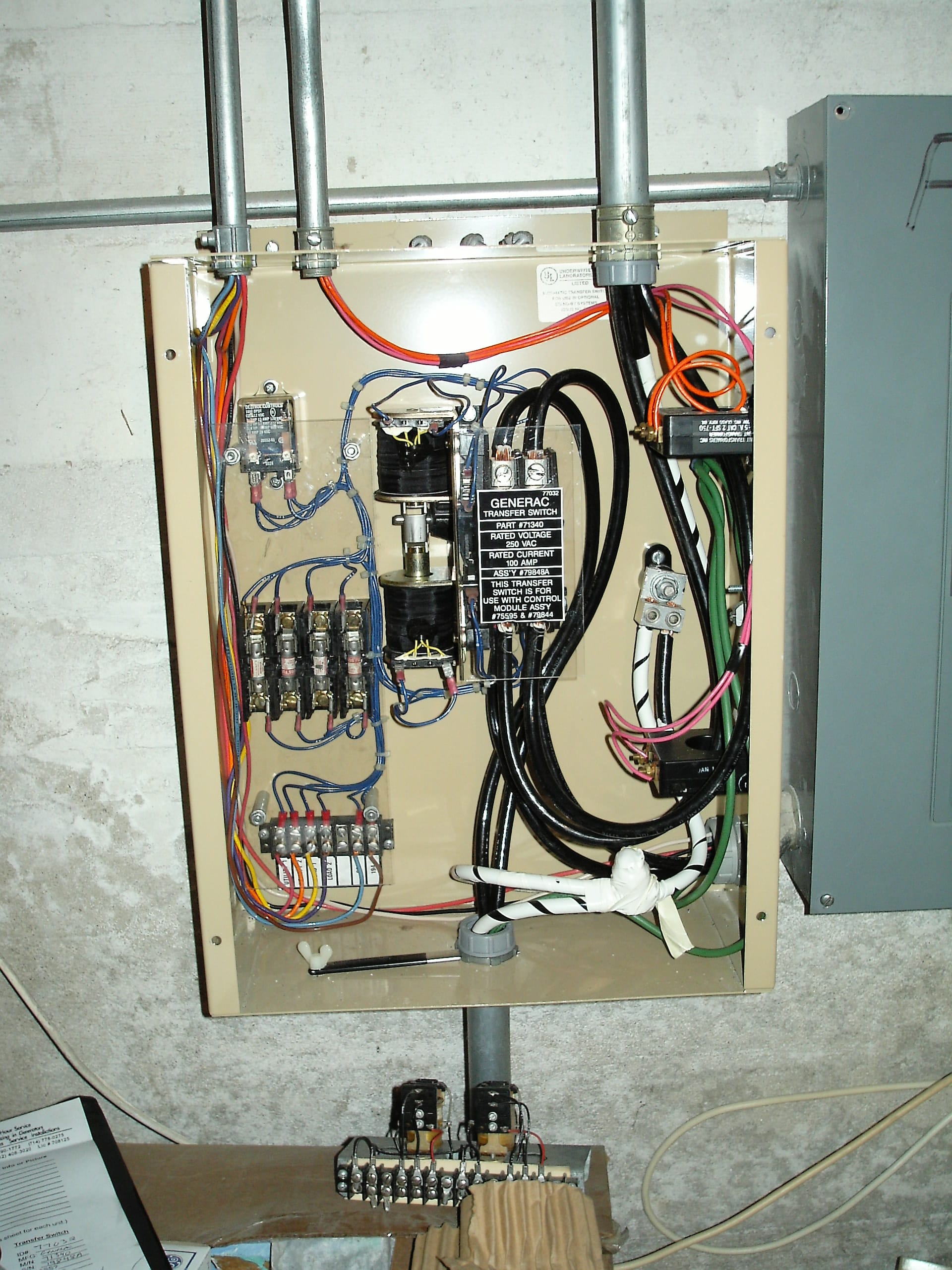
Electrical System Inspection
Starting a generator after a long time needs careful checks. The electrical system is vital for safe operation. Inspecting it helps prevent problems. This section covers key steps for inspection.
Inspect Wiring Connections
Start by looking at the wiring connections. Check for any loose wires. Tighten connections that are not secure. Look for signs of corrosion or damage. Damaged wires can cause short circuits. Replace any frayed or broken wires. Ensure all connections are clean and tight.
Test Control Panel Functions
Next, check the control panel. Ensure all lights and indicators work. Test the start and stop buttons. They should respond correctly. Look for any error messages on the display. Clear any faults before starting the generator. Proper function here is crucial for safe use.
Check Circuit Breakers
Finally, inspect the circuit breakers. Make sure they are in the “on” position. Test each breaker by toggling it off and on. Listen for clicks that indicate they are working. Replace any breakers that trip frequently. This step ensures safety during operation.
Test Run Procedures
Starting a generator after a long time needs careful steps. You want to ensure it runs smoothly. These test run procedures help you check its condition and performance. Follow these simple steps to get started.
Start Generator Gradually
Begin by turning on the fuel valve. Check that there is enough fuel. Next, set the choke to the closed position. This helps with starting the engine. Turn the key or push the start button gently.
Do not rush. Let the generator run at idle for a few minutes. This warms up the engine. Gradually increase the load to test its response. Watch for any unusual sounds during this process.
Monitor Noise And Vibrations
Pay attention to noise levels. The generator should not make loud or strange sounds. Listen for a steady hum, which is normal. If you hear clanging or rattling, stop the generator.
Check for vibrations as well. Small vibrations are normal. Excessive shaking may indicate a problem. Address any issues before running the generator for a long time.
Check Power Output Consistency
After starting, check the power output. Use a multimeter to measure voltage. It should stay within the recommended range. If it fluctuates, there may be an issue.
Keep an eye on the lights and connected devices. They should run smoothly without flickering. A consistent power output shows the generator is in good shape.
Post-start Safety Measures
Starting a generator after a long time can be tricky. Safety should always come first. After starting your generator, follow some important safety measures. These steps help ensure everything runs smoothly and safely.
Monitor Temperature Levels
Keep an eye on the generator’s temperature. A sudden rise in temperature can indicate a problem. If the engine gets too hot, it may shut down. Regularly check the temperature gauge. Make sure it stays within the normal range. This action helps prevent overheating and potential damage.
Inspect For Leaks
After starting the generator, inspect for any leaks. Look for fuel or oil leaks around the unit. Leaks can be dangerous and may cause fires. If you notice any leaks, turn off the generator immediately. Fix the issue before using it again. Regular inspections can help you catch problems early.
Ensure Proper Ventilation
Good ventilation is essential for safety. Generators produce harmful gases, like carbon monoxide. Always operate the generator outdoors or in well-ventilated areas. Keep the exhaust away from windows and doors. This practice helps reduce the risk of gas buildup. Make sure air can flow freely around the generator.

Credit: czhiearn.en.made-in-china.com
Frequently Asked Questions
How Do I Prepare My Generator For Starting?
Before starting your generator after a long time, check the fuel level and quality. Ensure that the oil is fresh and at the correct level. Inspect the air filter and spark plug for any damage. This preparation helps ensure a smooth and safe startup.
What Maintenance Is Needed Before Starting A Generator?
Perform basic maintenance such as changing the oil and replacing the fuel if it’s stale. Clean or replace the air filter, and check battery connections. Inspect hoses and wiring for wear. Regular maintenance prevents damage and ensures efficient operation when you start the generator.
Can I Use Old Fuel In My Generator?
Using old fuel can cause starting issues and damage. Fuel degrades over time, leading to poor combustion. It’s best to drain old fuel and refill with fresh gasoline or diesel. This practice enhances performance and reliability when you start your generator after a long period.
How Long Should I Run My Generator After Starting?
Run your generator for at least 30 minutes after starting. This allows the engine to warm up and ensures that all components function properly. Regularly running your generator helps maintain its condition and prevents issues during future use.
Conclusion
Starting a generator after a long time can be easy. Follow the steps outlined in this post. Check fuel, oil, and battery first. Make sure everything is clean and free from dirt. A little maintenance goes a long way. Remember to run the generator for a short time.
This helps it run smoothly. Regular use keeps it in good shape. Taking these simple actions ensures your generator works when you need it. Stay prepared and safe, especially during power outages. Your generator will serve you well with a little care.