

If you rely on a generator to keep your home or business powered during outages, knowing how to store it properly is crucial. You want your generator ready to go whenever you need it, not stuck with clogged fuel lines or engine troubles after long periods of inactivity.
But how do you make sure your generator stays in top shape while it’s not in use? You’ll discover simple, practical storage tips that protect your generator from damage and keep it running smoothly for years to come. Keep reading to learn the easy steps you can take today to extend your generator’s life and avoid costly repairs tomorrow.

Credit: tikweld.com
Fuel Management
Proper fuel management is essential for long-term generator storage. Fuel can degrade and cause damage to the engine if not handled correctly. Keeping fuel fresh and preventing clogs helps your generator start easily after storage. This section covers key steps to manage fuel during storage.
Draining Vs Stabilizing Fuel
Emptying the fuel tank removes old gas that can gum up parts. Draining is best if you won’t use the generator for several months. It prevents stale fuel from causing problems.
Fuel stabilizers keep gasoline fresh longer. Add stabilizer to a full tank and run the engine briefly. This mixes the stabilizer through the system. It slows fuel breakdown and protects engine parts.
Preventing Carburetor Clogs
Old fuel can form varnish inside the carburetor. This stops fuel flow and makes starting hard. Draining fuel or using stabilizer stops this build-up.
Run the generator until it stops after draining fuel. This empties the carburetor bowl. Clean the carburetor if clogs have already formed. Regular checks keep your generator ready for use.
Oil Care
Proper oil care is essential for storing a generator long term. Oil keeps the engine parts lubricated and prevents rust. Over time, oil can degrade or become contaminated. This reduces its ability to protect the engine. Taking the right steps with oil ensures your generator stays ready for use.
When To Change Oil
Change the oil before storing the generator. Old oil contains dirt and acids that harm engine parts. Fresh oil protects the engine from corrosion during storage. If the generator sat unused for months, change the oil again before running it. Follow the manufacturer’s guidelines for oil type and change intervals.
Avoiding Contamination
Keep dirt and moisture out of the oil. Always clean around the oil cap before opening it. Use a funnel to pour oil to avoid spills and dust entry. Store the generator in a dry place to prevent moisture from entering the engine. Contaminated oil can cause engine damage when the generator starts again.
Cleaning Before Storage
Cleaning your generator before storage is essential. Dirt and dust can cause damage over time. Proper cleaning keeps it ready for the next use. It also helps extend the generator’s life. Focus on critical areas that collect debris and block airflow.
Clearing Air Intakes And Muffler
Air intakes allow air to cool the engine. Blockages reduce efficiency and cause overheating. Check the air filter and remove any dirt or leaves. Use a soft brush or compressed air to clean thoroughly. The muffler can collect soot and dirt. Wipe the exterior gently and clear any blockages inside. This prevents exhaust problems and keeps your generator safe.
Removing Dirt And Debris
Wipe down the entire generator with a clean cloth. Remove mud, dust, and grass from all surfaces. Pay attention to vents, controls, and fuel cap areas. Use a mild soap solution for stubborn dirt. Avoid soaking electrical parts. Ensure everything is dry before storing. Clean generators face fewer issues after long storage periods.

Credit: www.angi.com
Proper Storage Location
Choosing the right place to store your generator is vital for its long life. A proper storage location protects it from damage and keeps it ready for use. Careful selection of the spot helps avoid common problems like rust, dirt, and mechanical issues.
Generators need a space that stays dry and allows air to flow freely. This prevents moisture buildup and keeps parts from corroding. The right location also makes it easier to inspect and maintain the generator over time.
Choosing Dry And Ventilated Spaces
Pick a storage spot that stays dry all year. Avoid areas prone to flooding or dampness. Basements or outdoor sheds without ventilation are poor choices.
Good airflow reduces humidity around the generator. It stops mold and rust from forming. Leave space around the generator to let air move freely. Use vents or fans if the area is enclosed.
Avoiding Moisture Damage
Moisture can ruin your generator quickly. Water causes rust on metal parts and damages the engine. Store the generator off the ground on a raised platform or pallet.
Cover the generator with a waterproof but breathable cover. Avoid plastic sheets that trap moisture inside. Check the storage area regularly for leaks or condensation.
Protecting Against Corrosion
Protecting your generator against corrosion is essential for long-term storage. Moisture and air cause metal parts to rust and weaken. Rust can damage the engine and reduce the generator’s lifespan. Taking steps to prevent corrosion keeps your generator ready to work when needed.
Using Fogging Oil
Fogging oil creates a thin, protective layer inside the engine. It blocks moisture and prevents rust on metal parts. Spray fogging oil into the carburetor and spark plug hole before storage. Turn the engine over to spread the oil evenly. This simple step protects internal parts during long storage periods.
Covering The Generator
Covering your generator shields it from dust and moisture. Use a breathable cover designed for outdoor equipment. Avoid plastic covers that trap condensation inside. A good cover keeps rain, dust, and humidity away. Store the generator in a dry, ventilated area for best results.
Battery Maintenance
Battery maintenance is essential for keeping your generator ready during long-term storage. A well-maintained battery prevents starting problems and extends battery life. Proper care reduces the risk of corrosion and damage caused by neglect. Follow simple steps to keep the battery in good condition.
Disconnecting The Battery
Always disconnect the battery before storing the generator. This step prevents electrical drain and avoids short circuits. Use the correct tools to remove the negative cable first. Then, remove the positive cable carefully. Store the battery in a dry, cool place away from direct sunlight. This protects it from extreme temperatures and moisture.
Keeping Battery Charged
Keep the battery charged during storage to prevent it from dying. Use a smart battery charger or maintainer designed for long-term use. Connect the charger to the battery following the manufacturer’s instructions. Avoid overcharging by using a charger with automatic shut-off. Check the battery charge level regularly and recharge as needed. This practice keeps the battery healthy and ready for use.
Periodic Inspection
Regular checks on your generator help keep it in good shape for long-term use. Periodic inspection finds small problems before they grow. This saves money and avoids breakdowns.
Inspecting your generator often also ensures it runs safely. You can spot leaks and worn parts early. This keeps your generator ready for power outages or emergencies.
Running The Generator Occasionally
Start your generator every month. Let it run for 15 to 20 minutes. This keeps the engine parts moving and oil flowing. It also charges the battery if your model has one. Running the generator prevents fuel from going bad inside the carburetor. It also helps spot any mechanical issues early.
Checking For Leaks And Wear
Look under and around your generator for oil or fuel leaks. Check hoses and fuel lines for cracks or dry spots. Inspect the air filter and spark plug for dirt or damage. Replace any worn or broken parts before storing. Clean the generator’s exterior to prevent dust buildup. This keeps it ready for use and extends its life.
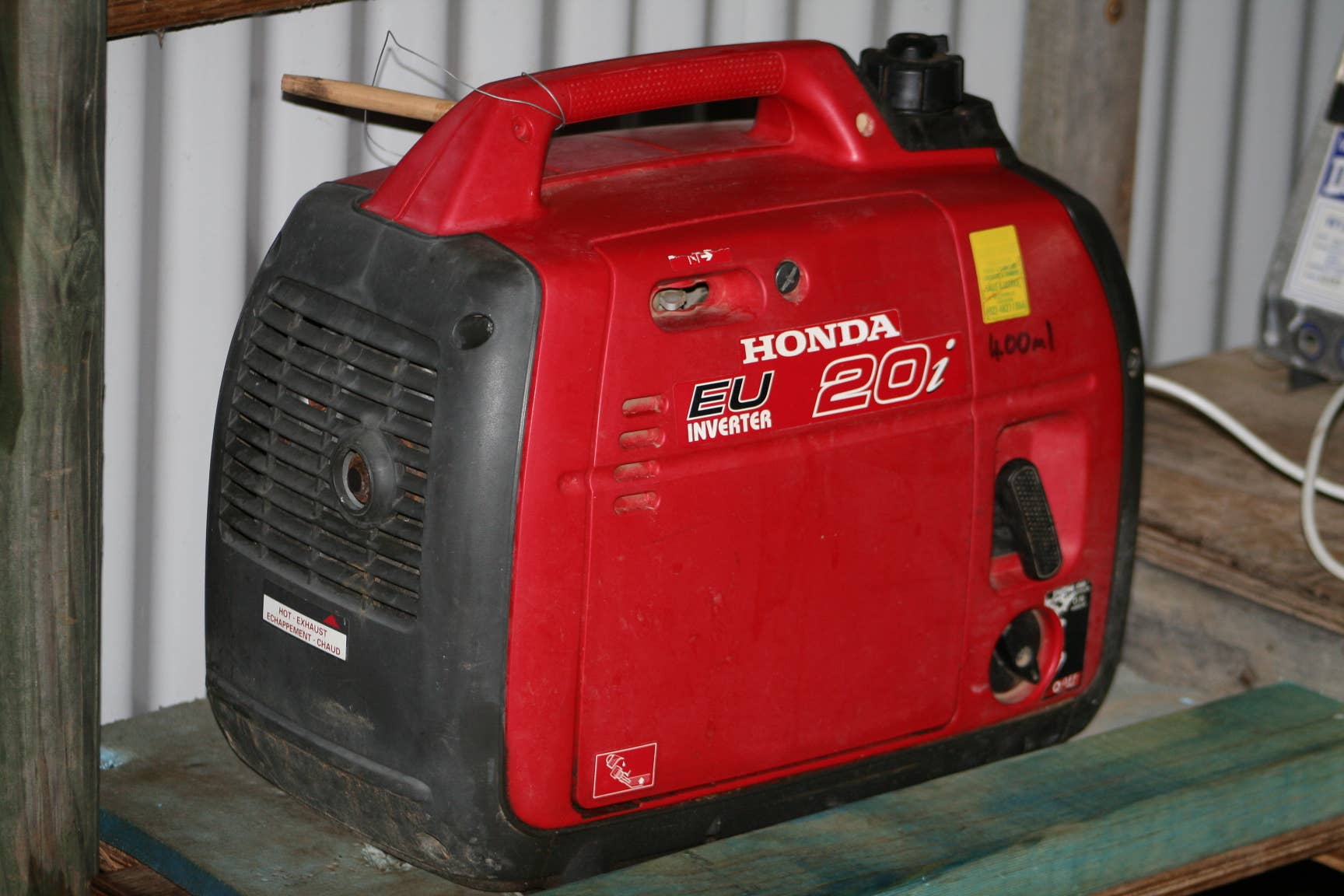
Credit: dengarden.com
Handling Ethanol Fuel
Handling ethanol fuel correctly is key for long-term generator storage. Ethanol blends attract moisture, which harms engine parts. Over time, this causes corrosion and clogging in fuel systems. Proper care ensures your generator starts easily and runs smoothly after storage.
Ethanol-free Fuel Benefits
Ethanol-free fuel lasts longer without breaking down. It reduces moisture buildup inside the fuel tank. This fuel type prevents corrosion and keeps carburetors clean. Using ethanol-free fuel minimizes maintenance and avoids costly repairs. It is the best choice for long-term storage of generators.
Fuel Stabilizer Usage
Fuel stabilizers help keep gasoline fresh and usable. Add stabilizer to the fuel tank before storing the generator. It prevents fuel from turning sticky and clogging the system. Use the correct amount as stated on the stabilizer label. Running the generator for a few minutes after adding stabilizer spreads it evenly.
Safe Garage Storage
Storing your generator safely in a garage protects it from weather damage and theft. It also keeps the device ready for use when power outages happen. Proper storage helps extend the generator’s life and maintains its performance over time.
Taking safety measures is important to avoid accidents like fire or carbon monoxide poisoning. Follow these simple guidelines to store your generator securely in a garage space.
Ventilation Requirements
A garage must have good airflow before storing a generator. Generators produce harmful fumes that can build up quickly. These fumes are dangerous and can cause carbon monoxide poisoning.
Open doors or windows help air move freely. Use fans if needed to improve ventilation. Never run the generator inside the garage without proper exhaust systems. Always keep the area well ventilated even when the generator is off.
Distance From Living Areas
Store the generator as far from living spaces as possible. This reduces the risk of fumes entering your home. Experts suggest keeping it at least 20 feet away from doors, windows, and vents.
Do not place the generator near bedrooms or common rooms. Keep it in a separate section of the garage if space allows. This setup helps protect your family from harmful gas exposure.
Starter And Engine Prep
Preparing the starter and engine is vital for storing a generator long term. This step prevents damage and keeps the engine ready for future use. Proper care during storage helps the generator start smoothly later. Follow these simple steps to prepare the starter and engine before storage.
Setting Cylinder Position
Set the cylinder in the correct position to protect engine parts. Turn the crankshaft slowly until the piston is at top dead center (TDC). This position reduces stress on the valves and seals. It also prevents oil leaks and corrosion inside the cylinder. Always refer to the generator’s manual for specific instructions.
Pulling Starter Rope Properly
Pull the starter rope gently to avoid engine damage. Do not yank or pull it too fast. A smooth, steady pull keeps the starter mechanism intact. After a few pulls, the engine will stop turning, indicating it is in the right position. Store the rope carefully to prevent it from tangling or fraying.
Frequently Asked Questions
Is It Better To Store A Generator With Or Without Fuel?
Store a generator without fuel for long-term storage to prevent fuel degradation and clogging. Drain the fuel tank and carburetor completely.
Should You Drain Oil From A Generator For Storage?
Do not drain oil before storing a generator. Leave oil inside to protect engine parts. Change oil before next use if stored long.
Can I Store A Generator In The Garage When Not In Use?
Store your generator in a dry, well-ventilated garage away from living areas. Remove or stabilize fuel to prevent damage.
How Long Can Gas Sit In A Generator Before It Goes Bad?
Gas in a generator lasts about 1 to 3 months before degrading. Use fuel stabilizer to extend shelf life up to one year. Without stabilizer, gas clogs carburetors within two weeks. Store generators in cool, dry places to maintain fuel quality.
How Should I Prepare A Generator For Long-term Storage?
Drain fuel or add stabilizer, check oil, clean parts, and store in a dry, ventilated place.
Is It Better To Store A Generator With Or Without Fuel?
Empty fuel for long storage to prevent clogging and damage to fuel lines and carburetor.
How Often Should I Change Oil Before Storing A Generator?
Change oil if the generator has run many hours or before storing long-term to avoid contamination.
Can I Store A Generator In My Garage Safely?
Yes, store it in a dry, well-ventilated garage to protect from moisture and dust.
How Long Can Gasoline Stay In A Stored Generator?
Gasoline lasts up to one year with stabilizer; without it, fuel can clog within two weeks.
Should I Cover My Generator During Storage?
Use a breathable cover to keep dust and moisture out while allowing air circulation.
Conclusion
Proper storage keeps your generator ready for long-term use. Always drain old fuel or add a stabilizer. Store the generator in a dry, cool, and ventilated space. Check and change the oil before each use. Clean air filters and keep parts free from dust.
Regular maintenance extends your generator’s life and performance. Follow these simple steps to avoid damage and costly repairs. A well-stored generator will work smoothly when you need it most. Stay prepared and protect your investment with good storage habits.