Imagine having a power source that never lets you down, no matter what fuel is available. That’s exactly what tri fuel generators offer you.
Whether you face a blackout, need backup power for your home, or want a reliable energy source for your outdoor adventures, these generators provide unmatched flexibility and convenience. With the ability to run on gasoline, propane, or natural gas, you’re never caught off guard.
Curious how a tri fuel generator can transform your power needs and give you peace of mind? Keep reading to discover the benefits, key features, and top options available near you in Austin, Texas. Your search for reliable, versatile power ends here.
Tri Fuel Basics
Tri fuel generators offer flexibility in fuel choices. These generators run on three different fuels, giving users more options during power outages or emergencies.
Understanding the basics helps in choosing and using these generators efficiently. Let’s explore the key points about tri fuel technology.
What Is A Tri Fuel Generator?
A tri fuel generator can operate on gasoline, propane, or natural gas. This feature makes it versatile and reliable. Users can switch fuels based on availability and cost.
How Does Tri Fuel Technology Work?
The generator has a carburetor or fuel system designed for three fuels. It adjusts to each fuel’s properties for smooth operation. Switching fuels usually requires changing a setting or connector.
Benefits Of Using Tri Fuel Generators
They provide fuel flexibility and longer run times. These generators reduce fuel storage problems and can save money. They also work well in different environments and fuel markets.
Common Uses Of Tri Fuel Generators
Many use them for home backup power and outdoor activities. They are useful on job sites where fuel supply can vary. Emergency responders prefer them for reliable and adaptable power.

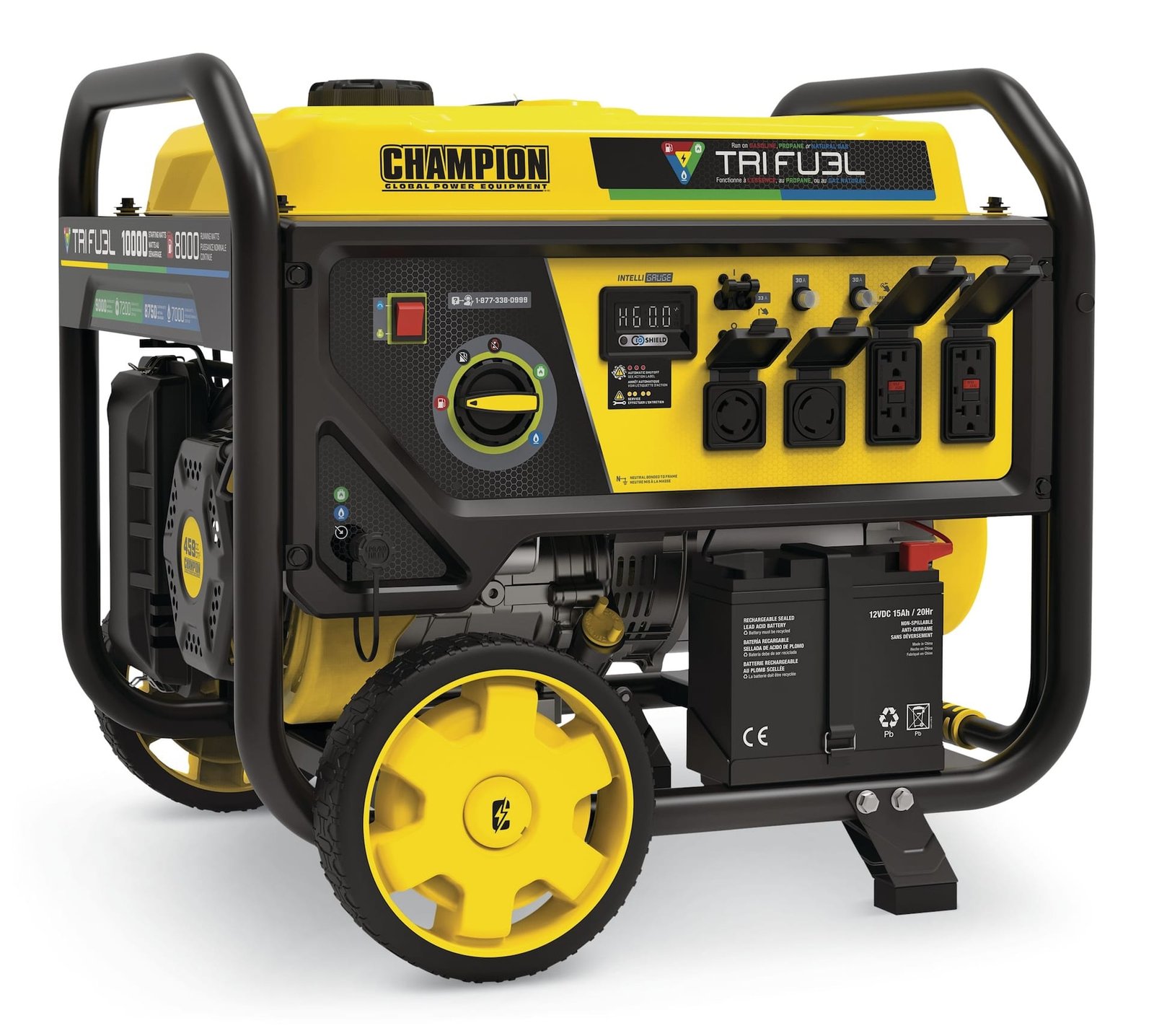
Credit: vancomusic.ca
Fuel Options Explained
Tri fuel generators offer three different fuel options. This flexibility ensures power supply in various situations. Understanding these fuel choices helps you pick the best option for your needs.
Gasoline
Gasoline is the most common fuel for tri fuel generators. It is easy to find and refuel. Gasoline provides quick startup and strong power output. It works well for short-term or emergency use. Storage can be tricky as gasoline degrades over time.
Propane
Propane burns cleaner than gasoline. It stores for a long time without losing quality. Propane produces less engine wear and fewer emissions. This fuel is safe and ideal for indoor use. Tanks are easy to transport and refill.
Natural Gas
Natural gas connects directly to home or business pipelines. It offers unlimited fuel supply during outages. Natural gas burns efficiently and produces low emissions. This fuel option is cost-effective for long-term use. It requires professional installation and steady access.
Benefits Over Single Fuel Generators
Tri fuel generators offer clear advantages over single fuel generators. They provide flexibility by running on three different types of fuel. This feature allows users to choose the most available or affordable fuel at any time. It also ensures continuous power supply during fuel shortages or emergencies.
Using multiple fuel options can save money. Users can switch to the cheapest fuel source easily. Tri fuel generators also reduce dependence on one fuel type. This flexibility adds convenience and reliability for homes, businesses, and outdoor activities.
Enhanced Fuel Flexibility
Tri fuel generators run on gasoline, propane, and natural gas. This flexibility helps during fuel shortages. Users can switch fuels without stopping the generator. It offers peace of mind during emergencies or long outages.
Cost Savings Over Time
Fuel prices change often. Tri fuel generators allow using the cheapest fuel available. Propane and natural gas usually cost less than gasoline. This helps reduce operating costs significantly over time.
Longer Run Times
Having three fuel options extends run time. When one fuel runs out, switch to another instantly. This reduces downtime and keeps essential appliances running. It is especially useful for critical power needs.
Cleaner And Safer Operation
Natural gas and propane burn cleaner than gasoline. Using these fuels reduces harmful emissions and engine wear. Tri fuel generators produce less smoke and odor. They are safer for indoor or enclosed space use.
Greater Convenience And Reliability
Users enjoy more convenience with fuel options. Tri fuel generators work well in different environments. They adapt to fuel availability anywhere. This makes them reliable for travel, work sites, and home use.
Power Output And Performance
Tri fuel generators offer versatile power output and strong performance. These machines run on gasoline, propane, or natural gas. This flexibility allows users to switch fuels based on availability and cost. The power output is stable and reliable across all fuel types.
Performance remains consistent in different conditions. Tri fuel generators can handle various appliances and tools. Their engines are designed to provide steady voltage and frequency. This makes them suitable for home use, job sites, and emergency backup.
Power Output Range
Tri fuel generators come in various sizes and power levels. Small models produce around 2,000 watts. Larger units can deliver over 10,000 watts. This range covers light to heavy power needs. Users can choose a generator that matches their specific requirements.
Fuel Efficiency And Runtime
These generators offer good fuel efficiency on all three fuels. Gasoline usually provides the highest power but has shorter runtime. Propane runs cleaner and stores longer but may reduce power slightly. Natural gas is cost-effective and ideal for long-term use with steady fuel supply.
Performance Under Load
Tri fuel generators maintain stable performance under different loads. The engine adjusts to the power demand smoothly. This prevents sudden drops or surges in electricity. It protects connected devices and ensures consistent operation.
Starting And Noise Levels
Starting tri fuel generators is simple with electric or recoil start options. Noise levels vary by model but are generally moderate. Some units include noise-reducing features. This makes them suitable for residential neighborhoods and work sites.
Common Uses And Applications
Tri fuel generators offer flexible fuel options that suit various needs. They run on gasoline, propane, or natural gas. This flexibility makes them useful in many situations. People use them in homes, businesses, and outdoor activities. Their ability to switch fuels adds convenience and reliability.
Residential Backup Power
Homes can lose power during storms or outages. Tri fuel generators provide a steady power supply. They keep essential appliances running, like refrigerators and lights. Homeowners appreciate having multiple fuel options available. This ensures power even if one fuel type is unavailable.
Construction Sites
Construction areas often lack direct power sources. Tri fuel generators supply electricity for tools and equipment. Workers use them to power drills, saws, and lights. The ability to use different fuels reduces downtime. This helps projects stay on schedule and budget.
Outdoor And Recreational Use
Campers and outdoor enthusiasts need reliable power. Tri fuel generators power RVs, tents, and cooking devices. They are easy to transport and operate in remote areas. Using propane or natural gas is often cleaner for the environment. This makes them ideal for parks and campgrounds.
Emergency And Disaster Relief
Disasters can disrupt fuel supplies and power grids. Tri fuel generators adapt by switching fuel types as needed. Emergency teams rely on them for medical devices and communication gear. Their versatility supports rescue and recovery efforts effectively.
Commercial And Industrial Applications
Businesses require uninterrupted power to avoid losses. Tri fuel generators support offices, retail stores, and warehouses. They power computers, security systems, and refrigeration units. Using alternative fuels can lower operational costs. This makes them a practical choice for many industries.
Top Tri Fuel Generator Brands
Tri fuel generators offer flexible fuel options for power needs. They run on gasoline, propane, or natural gas. This versatility makes them popular for emergencies and outdoor use. Choosing the right brand ensures reliability and performance.
Several top brands stand out for quality and customer satisfaction. These brands provide durable models with easy fuel switching. Here are some trusted names in tri fuel generators.
Champion Power Equipment
Champion Power Equipment is known for strong, efficient generators. Their tri fuel models deliver steady power and long run times. Users appreciate easy startup and quiet operation.
Duromax Power Equipment
DuroMax offers powerful tri fuel generators suitable for home and work. Their units handle heavy loads well. Many come with dual fuel technology and solid construction.
Westinghouse
Westinghouse makes reliable tri fuel generators with advanced features. Their products focus on clean power output and fuel efficiency. Customers often praise their durability and warranty.
Firman Power Equipment
Firman’s tri fuel generators provide good value and versatility. These generators are easy to use and maintain. They often include useful features like electric start and low oil shutdown.
Wen Products
WEN produces compact and affordable tri fuel generators. Their models work well for light to medium power needs. Users like their portability and simple controls.
Cost And Value Comparison
Tri fuel generators offer flexible fuel options and reliable power. Understanding their cost and value helps buyers make smart choices. This section compares initial prices, fuel costs, and long-term value.
Prices vary based on brand, power output, and features. Fuel efficiency and maintenance affect overall expenses. Evaluating these factors reveals which model fits your budget and needs.
Initial Purchase Price
Tri fuel generators usually cost more than single-fuel models. Prices range from around $800 to $2,500 or more. Higher price often means better build quality and more power. Some brands offer discounts or sales, affecting the final cost. Always check multiple retailers for the best deal.
Fuel Costs And Availability
Tri fuel generators run on gasoline, propane, or natural gas. Gasoline is often cheapest upfront but less stable to store. Propane costs more but stores longer and burns cleaner. Natural gas is usually cheapest if connected to a line at home. Having three fuel options helps manage fuel prices and shortages.
Maintenance And Operating Expenses
Maintenance costs depend on fuel type and generator use. Gasoline engines need more frequent oil changes and cleaning. Propane and natural gas burns cleaner, lowering engine wear. Tri fuel models may require extra care for fuel system parts. Regular maintenance extends generator life and saves money.
Long-term Value
Tri fuel generators offer flexibility that single-fuel models cannot. This flexibility often leads to cost savings during emergencies or fuel price spikes. Investing in a quality tri fuel generator means fewer worries about fuel availability. Over time, this adds significant value for home or job site use.

Credit: www.amazon.ca
Maintenance Tips
Maintaining your tri fuel generator ensures reliable power and longer life. Regular care prevents breakdowns and costly repairs. Follow these simple tips to keep your generator running smoothly.
Check And Change The Oil Regularly
Oil keeps the engine parts moving smoothly. Check oil levels before each use. Change oil after every 50 hours of operation or as recommended. Use the right oil type for your generator model.
Clean Or Replace The Air Filter
A clean air filter improves engine performance. Inspect the air filter every 25 hours of use. Wash or replace it if dirty. A clogged filter reduces fuel efficiency and power output.
Inspect Spark Plugs Frequently
Spark plugs ignite the fuel-air mixture. Check spark plugs every 100 hours or yearly. Clean or replace them if dirty or worn out. Proper spark plugs help the generator start easily.
Test Fuel And Switch Fuel Types Carefully
Tri fuel generators use gasoline, propane, or natural gas. Use fresh fuel to avoid engine problems. Drain old fuel if the generator sits unused for months. Switch fuels only when the engine is off and cooled.
Keep The Generator Clean And Dry
Remove dirt and dust from the generator surface. Store it in a dry, covered place to prevent rust. Avoid using water directly on the engine. Clean parts improve cooling and prevent damage.
Run The Generator Periodically
Run the generator for 15-20 minutes monthly. This keeps the engine parts lubricated. It also prevents fuel from becoming stale. Regular use helps spot problems early.
Safety Measures
Safety is the top priority when using tri fuel generators. These machines run on gasoline, propane, or natural gas. Each fuel type has its own risks. Understanding safety measures reduces accidents and damage. Follow these simple steps to keep you and others safe.
Proper Ventilation And Placement
Always place the generator outdoors. Keep it away from windows, doors, and vents. Exhaust gases contain carbon monoxide, a deadly gas. Ensure fresh air flows around the generator. Avoid running it inside garages or basements.
Fuel Handling And Storage
Store fuels in approved containers. Keep gasoline, propane, and natural gas away from heat and flames. Refuel only when the generator is off and cool. Avoid spilling fuel on hot engine parts. Store fuel in a cool, dry place out of children’s reach.
Regular Maintenance Checks
Check oil, air filters, and spark plugs often. Inspect fuel lines for leaks or cracks. Clean dirt and debris from the generator. Follow the manufacturer’s schedule for servicing. Well-maintained generators run safer and longer.
Using Safety Devices And Features
Use generators with built-in circuit breakers. These protect against electrical overloads. Install carbon monoxide detectors near generator areas. Use heavy-duty extension cords rated for outdoor use. Avoid overloading the generator’s power capacity.
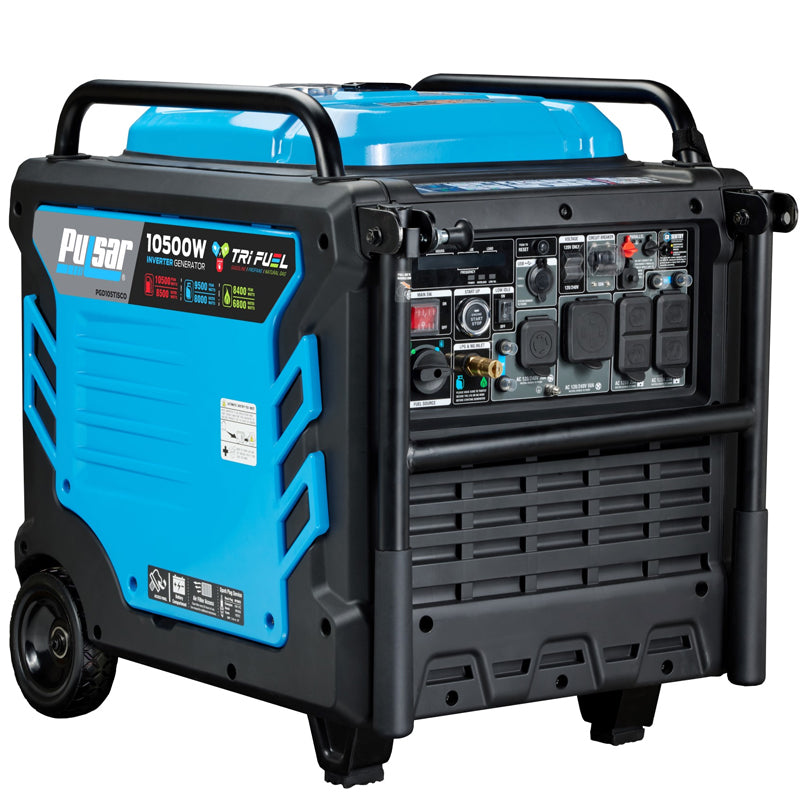
Credit: www.pulsar-products.com
Buying Guide For Austin, Texas
Choosing the right tri fuel generator in Austin, Texas, requires understanding local needs. Power outages happen during storms and high heat. A reliable generator keeps your home and essentials running smoothly.
This buying guide highlights key factors for Austin residents. It covers fuel options, power output, and local regulations. Follow these tips to find a generator that fits your lifestyle and budget.
Fuel Options And Availability In Austin
Tri fuel generators run on gasoline, propane, or natural gas. Austin has easy access to all three fuels. Gasoline is common but stores may run out during emergencies.
Propane lasts longer and is cleaner for the environment. Natural gas connects directly to many Austin homes. Check your fuel access before buying.
Power Output Needs For Texas Weather
Texas heat increases the need for air conditioning. Calculate your total wattage to run appliances during outages. Choose a generator with enough power for essentials.
Look for models with at least 4000 running watts for home use. Consider extra capacity for future needs. This ensures comfort and safety in hot Austin summers.
Noise Levels And Local Regulations
Austin has noise rules for outdoor equipment. Tri fuel generators vary in noise output. Quiet models avoid disturbing neighbors and meet city codes.
Check Austin’s noise limits before purchase. Pick a generator with sound levels under 65 decibels. This helps keep good community relations.
Portability And Storage Considerations
Space can be tight in Austin homes. Portable tri fuel generators offer flexibility. Choose lightweight designs for easy movement and storage.
Look for foldable handles and compact frames. Store the generator safely to protect it from weather and theft. Convenience is key for emergency readiness.
Service And Warranty In Austin
Reliable service centers improve generator upkeep. Austin has dealers offering repairs and parts. Check warranty terms before buying to avoid extra costs.
Choose brands with good local support. This saves time and money during maintenance. A solid warranty gives peace of mind.
Frequently Asked Questions
How Long Will A Tri Fuel Generator Run?
A tri fuel generator can run 8 to 12 hours on a full tank, depending on load and fuel type.
What Are The Benefits Of A Tri Fuel Generator?
Tri fuel generators offer fuel flexibility, running on propane, gasoline, or natural gas. They provide reliable power, cost efficiency, and easier fuel availability during emergencies. Their versatility suits various needs, ensuring uninterrupted operation and convenience in Austin, Texas, or anywhere else.
What Is The 20/20/20 Rule For Generators?
The 20/20/20 rule for generators means running the generator at 20% load for 20 minutes every 20 days. This prevents engine damage and keeps it in good condition. Regular use ensures fuel efficiency and extends generator life.
Can You Switch Back And Forth Between Propane And Gas On A Generator?
You can switch between propane and gas on dual-fuel or tri-fuel generators designed for it. Always follow the manufacturer’s instructions for safe switching. Regular generators usually require manual adjustments or conversion kits. Switching fuel types while running can damage the generator, so turn it off before changing fuels.
What Is A Tri Fuel Generator?
A tri fuel generator runs on gasoline, propane, or natural gas for flexible power.
How Does A Tri Fuel Generator Work?
It uses an engine that switches fuel types for continuous electricity supply.
What Are The Benefits Of Tri Fuel Generators?
They offer fuel choice, longer run times, and better emergency backup.
Are Tri Fuel Generators Cost-effective?
Yes, they save money by using cheaper or available fuels as needed.
Can Tri Fuel Generators Run On Propane Safely?
Yes, propane is a clean and safe fuel option for these generators.
How Long Do Tri Fuel Generators Usually Run?
Run time depends on fuel type and load but often lasts several hours.
Conclusion
Tri fuel generators offer great fuel flexibility and reliable power. They run on gasoline, propane, and natural gas. This makes them ideal for emergencies or outdoor use. Their versatility helps save money and ensures continuous operation. Many models come with easy-to-use features and solid build quality.
Choosing the right tri fuel generator can provide peace of mind during power outages. Consider your power needs and fuel availability before buying. With proper care, these generators last for years. They remain a practical choice for homes and businesses alike.