
Are you curious about how AC generators work and what makes them essential in our daily lives? Understanding the main features of AC generators can unlock a wealth of knowledge about the devices that power our homes, businesses, and industries.
From their ability to convert mechanical energy into electrical energy to their applications in various settings, AC generators play a crucial role in modern technology. This article will break down the key features you need to know, helping you appreciate their importance and functionality.
Read on to discover how these machines operate and why they matter to you.
Credit: www.walmart.com
Principle Of Operation
The AC generator works on a simple principle. It converts mechanical energy into electrical energy. This process involves electromagnetic induction. A magnetic field interacts with a conductor to produce electricity.
Electromagnetic Induction
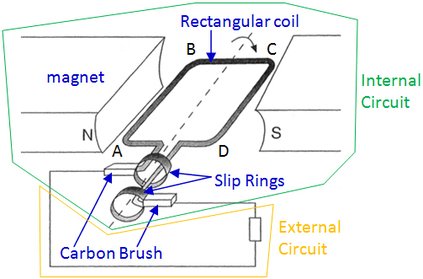
Electromagnetic induction is the core idea behind AC generators. When a conductor moves through a magnetic field, it generates voltage. This movement can happen in various ways. A coil can rotate in a magnetic field. Or, a magnetic field can move around a stationary coil.
Components Of An Ac Generator
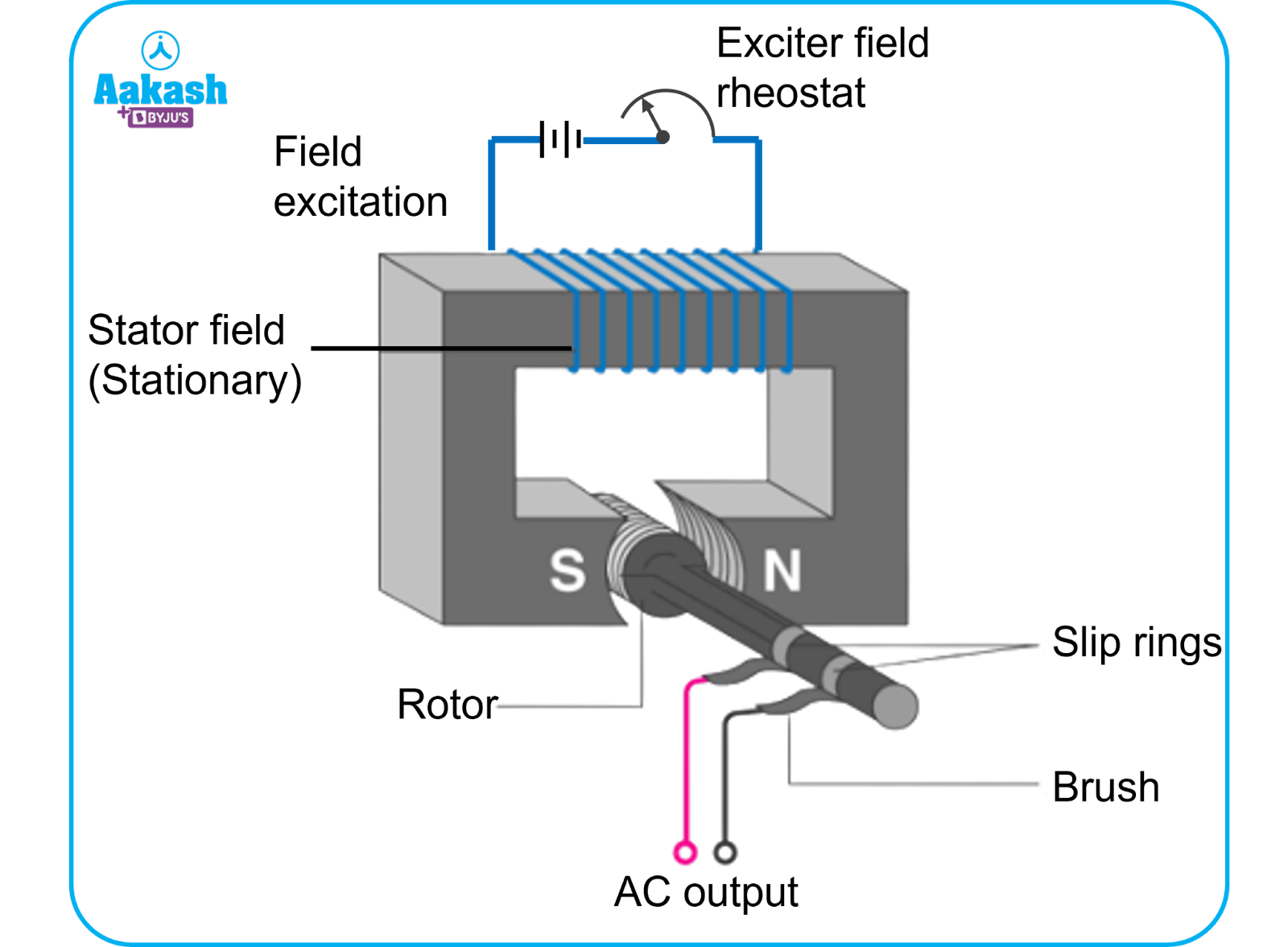
An AC generator has key components. These include the rotor, stator, and slip rings. The rotor is the rotating part. It creates a magnetic field. The stator is stationary. It holds the coil where voltage is induced.
Alternating Current Production
AC generators produce alternating current. This means the flow of electricity changes direction. The change happens periodically. The frequency of this change is measured in Hertz (Hz). Standard frequency is 50 Hz or 60 Hz, depending on the region.
Field Excitation
Field excitation provides the necessary magnetic field. This can be done using permanent magnets or electromagnets. The choice affects the generator’s efficiency and output. Stronger magnetic fields lead to higher voltage production.
Voltage Regulation
Voltage regulation keeps output stable. It adjusts the field current automatically. This ensures the voltage remains within a specific range. Proper regulation is vital for consistent power supply.

Credit: www.amazon.com
Core Components
AC generators, or alternators, have key features that define their function. They convert mechanical energy into electrical energy. Essential components include the rotor, stator, and voltage regulator, each playing a vital role in electricity generation. Understanding these parts helps in grasping how AC generators operate effectively.
Understanding the core components of an AC generator is essential for grasping how it functions. Each part plays a vital role in converting mechanical energy into electrical energy. Let’s break down the main components that make up an AC generator.Rotor
The rotor is the rotating part of the generator. It is typically made of a magnetic material that generates a magnetic field when it spins. You might be surprised to know that the speed of the rotor directly affects the output frequency of the electricity produced. Faster rotation means a higher frequency, which is crucial for applications that require specific power characteristics. Have you ever thought about how the rotor’s design influences efficiency? The shape and material can significantly impact how well it performs.Stator
The stator is the stationary part of the generator that houses the winding coils. These coils are where the electrical energy is induced as the rotor spins. The stator plays a critical role in determining the voltage output. The more turns in the winding, the higher the voltage generated. This is why manufacturers pay close attention to the design of the stator. A well-designed stator can enhance performance and efficiency, ultimately saving you money on energy costs.Slip Rings And Brushes
Slip rings and brushes are essential for transferring electrical current from the rotor to the external circuit. The slip rings provide a continuous electrical connection while allowing the rotor to spin. These components can wear over time, affecting performance. Regular maintenance is crucial to ensure they function effectively. Have you ever experienced issues with power delivery? Often, worn-out brushes can be the culprit. Keeping an eye on these components can prevent unexpected power losses. Understanding these core components can empower you to make informed decisions about AC generators. When you know how each part contributes to the overall function, you can better appreciate the technology that powers your life.Working Mechanism
The working mechanism of an AC generator is fascinating. It transforms mechanical energy into electrical energy. This process relies on the principles of electromagnetic induction. Let’s explore how this happens.
Electromagnetic Induction
Electromagnetic induction is the core principle behind AC generators. It occurs when a conductor moves through a magnetic field. This movement generates electric current. The magnetic field is created by magnets or electromagnets.
As the conductor moves, it cuts through the magnetic lines. This action causes electrons in the conductor to move. The movement of electrons generates electricity. The faster the conductor moves, the more electricity produced.
Alternating Current Generation
AC generators produce alternating current or AC. This means the current changes direction periodically. The rotation of the conductor is key to this process.
As the conductor spins, it creates alternating voltage. This voltage pushes the current back and forth. The cycle of change happens many times per second. This is what makes AC suitable for powering homes and industries.
AC generators are efficient and reliable. They provide energy for various applications. Understanding their working mechanism helps us appreciate their role in modern life.
Credit: www.aakash.ac.in
Types Of Ac Generators
AC generators come in different types. Each type has unique features and uses. The main types are synchronous generators and induction generators. Let’s explore each one.
Synchronous Generators
Synchronous generators produce alternating current at a constant speed. They work with a rotating magnetic field. This field is created by a rotor. The rotor spins in sync with the frequency of the current. This ensures steady output.
Synchronous generators are often used in power plants. They provide reliable electricity to the grid. These generators are efficient and can handle large loads. Their design helps maintain voltage levels. This makes them suitable for industrial applications.
Induction Generators
Induction generators operate differently than synchronous generators. They do not need to be synchronized with the grid. Instead, they can generate power when the rotor spins faster than the magnetic field. This feature makes them unique.
Induction generators are often used in wind energy systems. They can easily adapt to changing wind speeds. This flexibility makes them popular for renewable energy. Their simple design also lowers maintenance costs. They provide a cost-effective solution for energy production.
Power Output Characteristics
AC generators play a vital role in supplying electricity. Their power output characteristics determine how effectively they can provide energy. Two key features affect their performance: voltage regulation and frequency stability. Understanding these features helps in choosing the right generator for specific needs.
Voltage Regulation
Voltage regulation refers to the generator’s ability to maintain a steady voltage. It ensures that the output voltage remains constant, even with varying loads. This is important for protecting electrical devices from damage.
A well-regulated generator provides a consistent power supply. It adjusts the output automatically to meet demand. This capability is crucial for homes, businesses, and industries that rely on stable electricity.
Frequency Stability
Frequency stability indicates how well a generator maintains its output frequency. Most electrical systems operate at a standard frequency, usually 50 or 60 Hz. Deviations can cause issues in performance.
Generators with good frequency stability keep the output consistent. This prevents equipment malfunction and improves efficiency. A stable frequency is essential for sensitive electronics and industrial operations.
Applications In Real World
The applications of AC generators in the real world are vast and impactful. They play a crucial role in generating electricity for homes, industries, and even transportation systems. Understanding their features can help you appreciate their importance in daily life.
Power Generation In Homes
AC generators are essential for providing electricity to households. They convert mechanical energy into electrical energy, powering everything from lights to appliances. Imagine your daily routine without electricity—no morning coffee, no heating, and no entertainment.
- Reliable power supply during outages
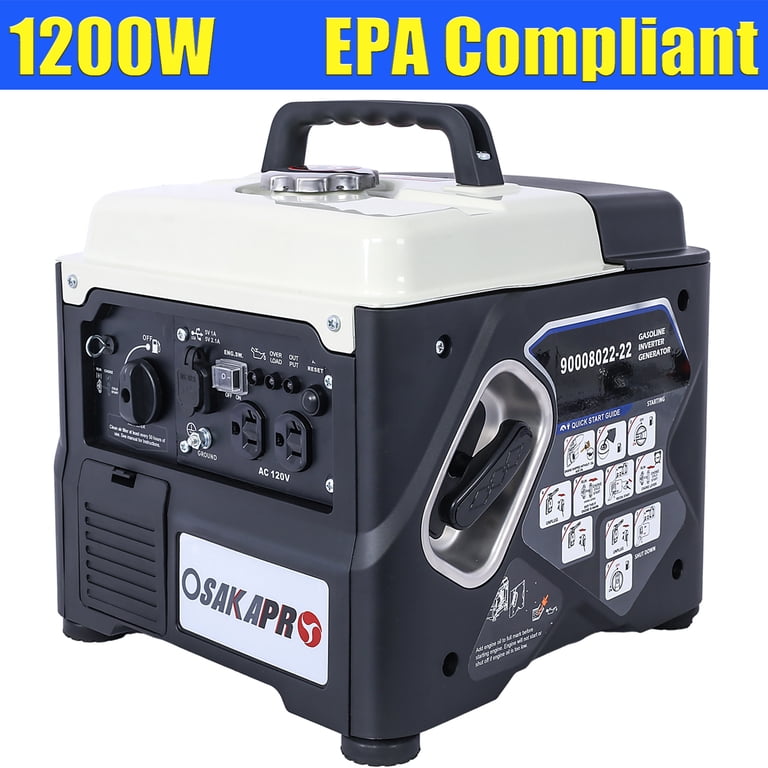
- Portable generators for camping or emergencies
- Back-up solutions for home businesses
Have you ever experienced a blackout? A portable AC generator can be a lifesaver, ensuring that your refrigerator keeps running and your family stays comfortable. You don’t have to worry about spoiled food or disrupted routines.
Industrial Applications
In industrial settings, AC generators are vital for large-scale operations. They power machinery, production lines, and even entire factories. This ensures that businesses can operate efficiently without interruptions.
- Used in construction sites for tools and equipment
- Powering assembly lines in manufacturing
- Supporting data centers with reliable energy
Consider a construction site where tools need constant energy. An AC generator ensures that work continues smoothly, boosting productivity. Wouldn’t you want that reliability in your own projects?
Transportation Systems
AC generators are integral to modern transportation systems. From powering electric trains to supporting electric vehicles, they provide necessary energy for travel. Imagine the world without efficient public transport—traffic jams would worsen and pollution would increase.
- Electric trains for efficient commuting
- Charging stations for electric cars
- Backup power for airports and bus stations
Have you ever used an electric train? The smooth ride is partly thanks to AC generators that ensure consistent power. This innovation not only enhances your travel experience but also promotes sustainability.
Renewable Energy Integration
AC generators also play a key role in renewable energy systems. They help convert energy from sources like wind and solar into usable electricity. This integration supports a cleaner environment and reduces reliance on fossil fuels.
- Wind turbines use AC generators to harness wind energy
- Solar power systems often incorporate AC generators for grid connection
- Promotes energy independence for communities
Have you considered how your energy choices impact the environment? Using renewable energy powered by AC generators can help you contribute to a sustainable future.
Frequently Asked Questions
What Is An Ac Generator?
An AC generator, also known as an alternator, converts mechanical energy into electrical energy. It produces alternating current (AC) by rotating a coil within a magnetic field. This process is essential for powering homes and industries, as AC is the most commonly used form of electricity.
How Does An Ac Generator Work?
An AC generator works based on electromagnetic induction. When the coil rotates, it cuts through magnetic field lines, inducing an electric current. This current alternates in direction, creating AC electricity. The speed of rotation and the strength of the magnetic field affect the voltage output.
What Are The Main Components Of An Ac Generator?
The main components of an AC generator include the rotor, stator, and exciter. The rotor is the rotating part that creates a magnetic field. The stator is the stationary part that generates electricity. The exciter provides the initial magnetic field needed for operation.
What Are The Advantages Of Ac Generators?
AC generators offer several advantages, including efficient energy conversion and the ability to transmit electricity over long distances. They are also more compact and require less maintenance compared to DC generators. Moreover, AC electricity is safer for residential use and easier to transform to different voltage levels.
Conclusion
AC generators play a vital role in our daily lives. They convert mechanical energy into electrical energy efficiently. Key features include portability, reliability, and ease of use. Understanding these features helps in choosing the right generator. Whether for home use or outdoor activities, knowing the basics is essential.
A good generator can provide power when needed most. Always consider your specific needs before making a choice. This knowledge ensures you make informed decisions for your power needs.