
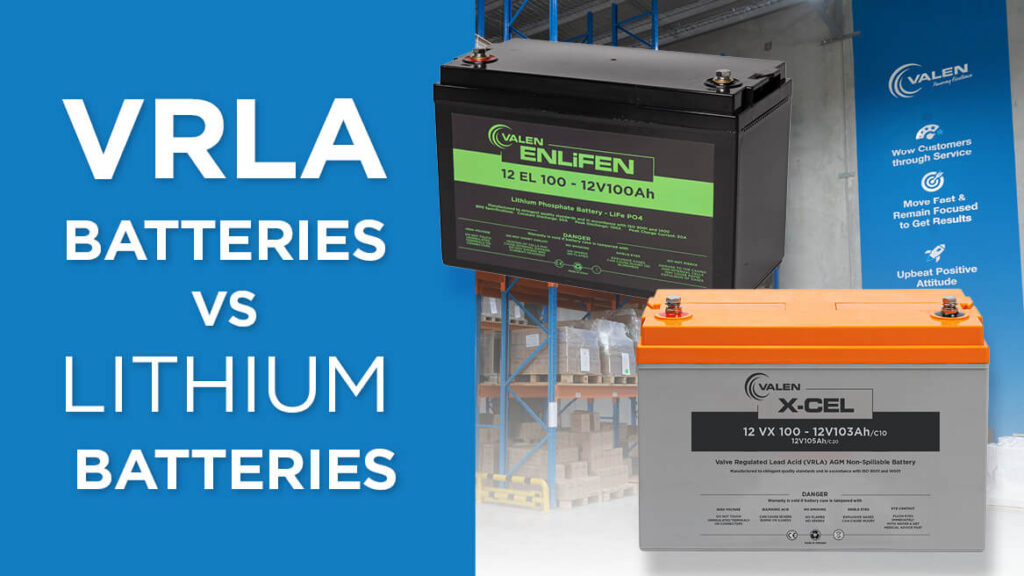
Are you curious about the type of battery that powers many of today’s backup systems, emergency devices, and even renewable energy setups? VRLA batteries might be the answer you’re looking for.
But what exactly are VRLA batteries, and why are they becoming the go-to choice for so many applications? You’ll discover how these sealed, maintenance-free power sources work, why they stand out from traditional batteries, and which types of VRLA batteries could best fit your needs.
Keep reading to unlock the facts that will help you make smarter decisions about your power solutions.
Vrla Battery Basics
VRLA batteries are a popular type of lead-acid battery. They are sealed and do not need water added. This makes them low maintenance and easy to use.
These batteries have a special valve that controls gas release. This valve keeps the battery safe and prevents damage from pressure build-up.
What Does Vrla Mean?
VRLA stands for Valve-Regulated Lead-Acid. It describes batteries sealed with safety valves. These valves release gas only when pressure is too high.
The sealed design stops acid leaks and reduces the chance of spills. This makes VRLA batteries safer than traditional lead-acid types.
Key Features Of Vrla Batteries
- Maintenance-free: No need to add water during use.
- Sealed design: Prevents acid leakage and contamination.
- Safety valves: Allow controlled gas release to avoid damage.
- Durable: Can handle vibrations and shocks well.
Two main types exist within VRLA batteries: AGM and Gel.
AGM batteries have glass mats that hold the acid. This design improves performance and allows use in different positions.
Gel batteries use a gelled electrolyte, making them good for deep discharge and longer life.
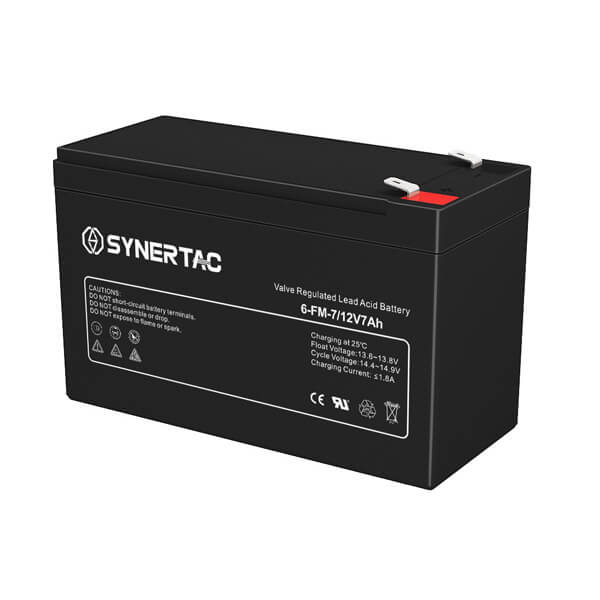
Credit: chinasynertac.com
Sealed Design Features
The sealed design of VRLA batteries makes them unique and user-friendly. This design keeps the battery safe and reduces the need for maintenance. It helps VRLA batteries work well in many different conditions.
Sealing the battery means the electrolyte inside cannot leak out. This prevents damage and keeps the battery clean. The sealed case also stops dirt and dust from entering the battery, which can cause problems.
One-way Safety Valves
VRLA batteries have special valves that release gas if pressure gets too high. These valves only open in emergencies. This feature protects the battery from bursting or damage.
The valves also keep the battery sealed during normal use. This helps keep the electrolyte inside and prevents spills.
Maintenance-free Operation
The sealed design means VRLA batteries do not need water added. Users can install and use the battery without checking the liquid levels. This saves time and effort.
There is no need to open the battery case for maintenance. This reduces the risk of acid spills and accidents.
Leakage Prevention
The sealed case and absorbed electrolyte stop leaks. This makes VRLA batteries safer for indoor use. It also means they can be mounted in different positions without spills.
This design protects the environment and the device using the battery from damage.
Types Of Vrla Batteries
Valve Regulated Lead Acid (VRLA) batteries come in two main types. Each type offers unique features and benefits. Understanding these types helps in choosing the right battery for specific needs. The two common VRLA battery types are AGM and Gel batteries.
Agm Batteries
Absorbed Glass Mat (AGM) batteries use a fiberglass mat to hold the electrolyte. This mat absorbs and suspends the acid inside the battery. AGM batteries are sealed and maintenance-free. They offer high power output and fast charging capabilities. These batteries handle vibrations well, making them ideal for vehicles and solar systems. AGM batteries can be mounted in different positions without leakage. Their design supports high discharge rates and long service life.
Gel Batteries
Gel batteries use a silica-based gel to immobilize the electrolyte. This gel prevents acid from spilling and reduces evaporation. Gel batteries perform well in deep discharge situations. They are highly resistant to extreme temperatures and shocks. These batteries have a slower discharge rate and longer cycle life. Gel VRLA batteries are great for off-grid solar power and marine use. Their sealed design means no water addition or maintenance is needed.

Credit: www.amazon.ca
How Vrla Batteries Work
Understanding how VRLA batteries work helps reveal their unique design and benefits. These batteries are sealed, which means no water addition is needed. They control gas release through special valves, making them safer and maintenance-free.
Their internal structure differs from traditional lead-acid batteries. This structure helps keep the electrolyte in place and prevents leaks. The design also allows for operation in various positions without spilling.
Valve Regulation Mechanism
VRLA batteries have one-way valves. These valves release excess gas during charging. They prevent pressure build-up inside the battery. This feature avoids battery damage and improves safety.
Electrolyte Absorption
The electrolyte in VRLA batteries is absorbed into a material. This material can be a glass mat or gel. It holds the acid in place around the battery plates. This prevents spills and helps maintain battery life.
Sealed Construction
The battery case is tightly sealed. This stops oxygen and moisture from entering or escaping. The sealed design reduces corrosion and electrolyte loss. It also makes the battery easier to handle and install.
Charging And Discharging Process
During charging, the battery converts electrical energy into chemical energy. The valves release small amounts of gas safely. When discharging, chemical energy turns back into electrical energy. The process is efficient and reliable.
Advantages Over Traditional Batteries
VRLA batteries offer clear benefits over traditional lead-acid batteries. Their design improves safety and convenience. These batteries are sealed, which stops acid leaks and reduces maintenance needs.
They suit many applications, including backup power and renewable energy. The advantages make VRLA batteries a smart choice for reliable and clean energy storage.
Maintenance-free Operation
VRLA batteries do not require water refilling. The sealed design prevents electrolyte loss. This saves time and reduces the risk of damage or spills. Users avoid regular checks and can trust the battery to perform well.
Enhanced Safety Features
Safety valves control internal gas pressure. They release excess gas to prevent explosions. The sealed case stops acid leaks, protecting people and equipment. This makes VRLA batteries safer for indoor use.
Longer Service Life
VRLA batteries resist corrosion better than traditional types. Their internal structure reduces damage from vibration and shocks. This durability extends the battery life, lowering replacement costs over time.
Flexible Installation Options
These batteries can work in any position, including sideways or upside down. The absorbed electrolyte stays in place, preventing spills. This flexibility allows for more compact and varied setups.
Improved Performance In Various Conditions
VRLA batteries perform well in extreme temperatures. They maintain steady power output in cold or hot environments. This reliability suits outdoor and harsh condition applications.

Credit: minhuagroup.en.made-in-china.com
Common Applications
VRLA batteries serve many uses across different fields. Their sealed, maintenance-free design makes them ideal for various devices and systems. They provide reliable power in settings where safety and low upkeep matter most.
Backup Power Systems
VRLA batteries are common in backup power systems for homes and businesses. They keep important equipment running during power outages. Hospitals, data centers, and emergency services often rely on these batteries.
Telecommunication Equipment
Telecom companies use VRLA batteries to ensure continuous service. These batteries power cell towers and communication devices. They provide energy when the main power supply fails.
Renewable Energy Storage
Solar and wind energy setups use VRLA batteries to store power. They hold energy collected during sunny or windy periods. This stored energy helps when the sun is down or the wind stops.
Electric Vehicles And Mobility
Many electric scooters, wheelchairs, and golf carts use VRLA batteries. Their sealed design prevents leaks and reduces maintenance needs. They offer steady power for smooth rides.
Security And Alarm Systems
Security systems often depend on VRLA batteries for backup power. They ensure alarms and cameras work during blackouts. This keeps homes and businesses protected all the time.
Uninterruptible Power Supplies (ups)
UPS units use VRLA batteries to provide instant power during outages. They protect computers and sensitive electronics from damage. This helps avoid data loss and system crashes.
Maintenance And Safety
Proper maintenance and safety are vital for VRLA batteries. These batteries are designed to be low maintenance but still need care. Safe handling ensures long battery life and prevents accidents. Understanding simple maintenance tips and safety rules helps users avoid common problems.
VRLA batteries are sealed, so they do not require adding water. This feature reduces maintenance tasks but does not eliminate the need for regular checks. Checking the battery condition and environment keeps it working well. Safety precautions protect users from risks like acid leaks or gas build-up.
Checking Battery Condition
Inspect VRLA batteries regularly for any damage or swelling. Look for cracks or leaks in the casing. Check terminals for corrosion or dirt. Clean terminals gently with a dry cloth if needed. Keep batteries away from extreme heat or cold. Ensure the battery is stored in a dry place with good ventilation.
Proper Charging Practices
Use the correct charger designed for VRLA batteries. Avoid overcharging to prevent damage and gas release. Charge batteries in a well-ventilated area to avoid gas build-up. Follow the manufacturer’s charging instructions carefully. Stop charging if the battery feels hot or shows swelling signs.
Safe Handling And Storage
Wear protective gloves and eye protection when handling batteries. Avoid dropping or shaking the battery to prevent damage. Store batteries upright in a cool, dry place away from direct sunlight. Keep batteries away from flammable materials. Dispose of old or damaged batteries according to local regulations.
Charging Vrla Batteries
Charging VRLA batteries requires care to keep them healthy and efficient. These batteries are sealed, which means they do not need water added. Proper charging helps avoid damage and extends their life. Understanding the right charging methods is key for reliable performance.
Optimal Charging Voltage For Vrla Batteries
Use the correct voltage to charge VRLA batteries safely. Too high voltage can cause overheating and damage. Too low voltage will not fully charge the battery, reducing capacity. Follow manufacturer guidelines for the ideal voltage range.
Charging Current Recommendations
Keep the charging current within safe limits. High current can heat the battery and shorten its life. A slow, steady current is best for full charge and battery health. Many chargers have settings designed for VRLA batteries.
Temperature Effects On Charging
Temperature affects how VRLA batteries charge. Charging at high temperatures risks overheating. Cold temperatures slow the chemical reactions inside the battery. Adjust charging rates according to the ambient temperature for best results.
Using Smart Chargers For Vrla Batteries
Smart chargers detect the battery’s condition and adjust charging. They prevent overcharging and reduce maintenance needs. Smart chargers improve safety and extend VRLA battery life. Choose chargers with VRLA-specific modes.
Signs Of Overcharging And Undercharging
Watch for swelling or leakage as signs of overcharging. Undercharging causes poor battery performance and shorter life. Regularly check voltage and temperature during charging. Proper monitoring helps avoid common charging problems.
Comparing Vrla With Agm And Gel
Comparing VRLA with AGM and Gel batteries helps to understand their unique qualities. VRLA stands for Valve-Regulated Lead-Acid batteries. This category includes both AGM and Gel types. Each type has different construction and performance traits. Knowing these differences aids in choosing the right battery for specific needs.
What Is A Vrla Battery?
VRLA batteries are sealed lead-acid batteries. They have safety valves to release gas if pressure builds up. This design stops electrolyte leaks and reduces maintenance. VRLA batteries are called maintenance-free because they do not need water refilling. They are used in many applications like UPS systems and emergency lighting.
Understanding Agm Batteries
AGM batteries are a type of VRLA battery. They use a fiberglass mat to hold the electrolyte. This mat absorbs the acid like a sponge. AGM batteries provide high discharge rates and good vibration resistance. They work well in any position. AGM batteries charge and discharge faster than many others.
Features Of Gel Batteries
Gel batteries are another VRLA subtype. They use a gelled electrolyte made by mixing acid with silica. This gel prevents acid from spilling even if the battery breaks. Gel batteries last longer in deep discharge cycles. They perform well in hot climates and harsh conditions. Their slow discharge rate makes them reliable for long-term use.
Choosing The Right Vrla Battery
Choosing the right VRLA battery matters for your device’s performance and safety. These batteries come in different types and sizes. Each type suits specific uses and environments. Picking the best one ensures long battery life and reliable power.
Understand The Battery Type
VRLA batteries include AGM and gel types. AGM batteries use a glass mat to hold the electrolyte. Gel batteries use a gel substance instead. AGM works well for high power needs. Gel batteries handle deep discharge better. Know your needs before selecting a type.
Check The Battery Capacity
Battery capacity shows how much energy it stores. It is measured in ampere-hours (Ah). Higher capacity means longer power supply. Match the battery capacity to your device’s demand. Using a lower capacity battery causes quick power loss. A higher capacity battery may be larger and cost more.
Consider The Size And Weight
Size and weight affect where you can place the battery. VRLA batteries come in many sizes. Small batteries fit compact devices. Larger batteries suit bigger systems like solar power setups. Choose a battery that fits your space and weight limits.
Look At The Battery’s Lifespan
Battery lifespan depends on usage and type. AGM batteries usually last 3 to 5 years. Gel batteries often last longer under deep discharge. Check the manufacturer’s rated cycles. More cycles mean longer life. Choose a battery with a lifespan that meets your needs.
Assess Maintenance Needs
VRLA batteries are mostly maintenance-free. They do not require water topping. Still, check for proper ventilation during use. Avoid exposure to extreme heat or cold. Proper care helps extend battery life. Choose a battery with features that ease maintenance.
Frequently Asked Questions
What Is The Difference Between A Vrla Battery And A Normal Battery?
A VRLA battery is sealed and maintenance-free, using safety valves to prevent leaks. Normal batteries require water and regular upkeep.
Is A Vrla Battery The Same As An Agm?
No, a VRLA battery is a broad category of sealed lead-acid batteries. AGM is a specific type of VRLA battery using absorbed glass mats to hold electrolyte.
What Is Another Name For A Vrla Battery?
Another name for a VRLA battery is a sealed lead-acid (SLA) battery. It is maintenance-free and uses safety valves.
Can A Vrla Battery Be Recharged?
Yes, a VRLA battery can be recharged using a compatible charger designed for sealed lead-acid batteries.
What Is A Vrla Battery?
A VRLA battery is a sealed lead-acid battery with safety valves to release gas.
How Does A Vrla Battery Work?
It uses a sealed design that recombines gases internally, preventing fluid loss.
What Are The Main Types Of Vrla Batteries?
The two main types are AGM (Absorbed Glass Mat) and Gel batteries.
Why Are Vrla Batteries Called Maintenance-free?
They do not need water refilling because they are sealed and leak-proof.
Where Are Vrla Batteries Commonly Used?
They are used in UPS systems, emergency lighting, wheelchairs, and solar power setups.
How Long Do Vrla Batteries Usually Last?
VRLA batteries last between 3 to 5 years depending on usage and care.
Conclusion
VRLA batteries offer reliable, maintenance-free power solutions. Their sealed design prevents leaks and reduces risks. These batteries come in types like AGM and gel, each with unique benefits. They suit many uses, from backup power to vehicles. Understanding VRLA batteries helps choose the right one for your needs.
Simple, safe, and efficient—VRLA batteries remain a popular choice worldwide.