

Have you ever faced the frustration of a generator that just won’t start? You’re not alone.
Many people encounter this problem, and it can be both puzzling and inconvenient. Understanding what causes your generator not to start can save you time, money, and headaches. We’ll dive into the common issues that might be preventing your generator from firing up.
By the end, you’ll have the knowledge to troubleshoot effectively and get your generator running smoothly again. Let’s uncover the reasons behind this frustrating situation and empower you to take action.
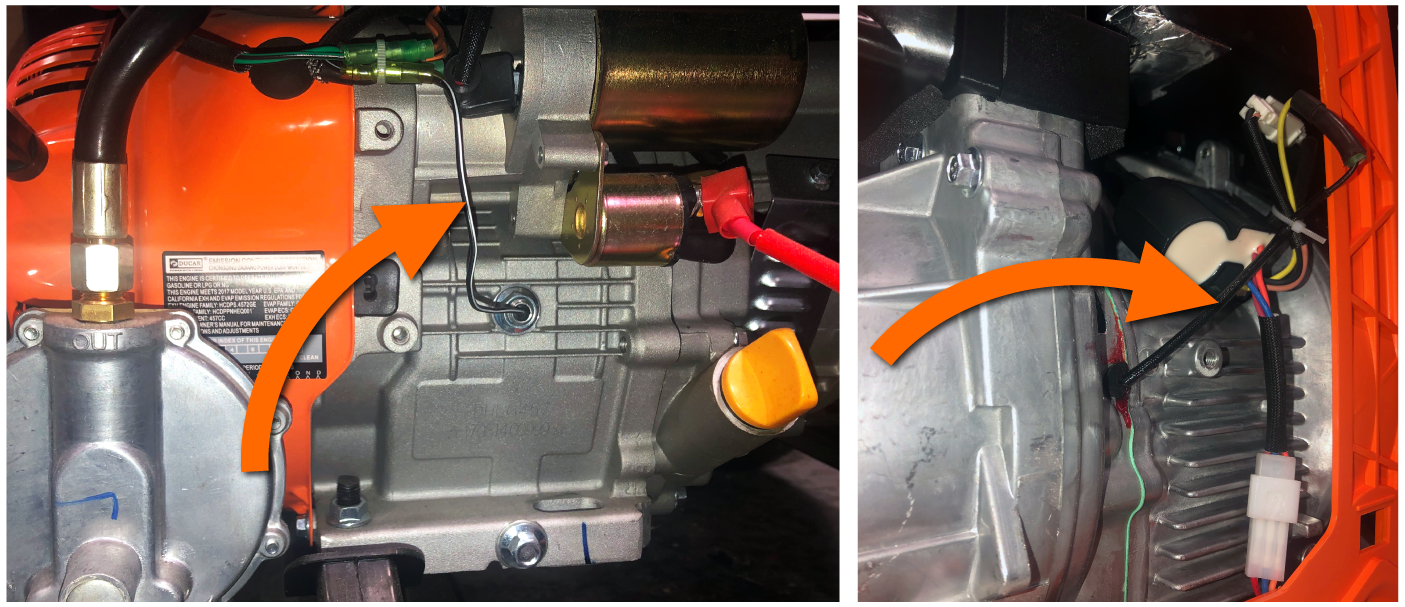
Credit: wenproducts.com
Common Reasons For Generator Failure
Generators are essential for power during outages. But sometimes, they fail to start. Understanding the common reasons for generator failure can help you troubleshoot effectively.
Here are some typical issues that prevent your generator from starting.
Low Fuel Or Empty Tank
Low fuel is a common issue. Check the fuel gauge. An empty tank means no power. Always keep your tank filled for emergencies.
Dead Or Weak Battery
A dead battery stops your generator from starting. Check the battery voltage. A weak battery may need charging or replacing. Keep jumper cables handy for quick fixes.
Clogged Air Filter
A clogged air filter restricts airflow. This can prevent ignition. Inspect the air filter regularly. Clean or replace it as needed for better performance.
Faulty Spark Plug
A faulty spark plug leads to ignition problems. Check for wear or damage. Replace the spark plug if it looks worn. A good spark plug ensures a reliable start.
Oil Level Issues
Low oil levels can stop your generator. Always check the oil before use. Top it up if it’s low. Clean oil keeps the engine running smoothly.
Fuel System Problems
Fuel system issues can prevent starting. Check for blockages in the fuel line. Old fuel can also cause problems. Use fresh fuel to ensure proper flow.
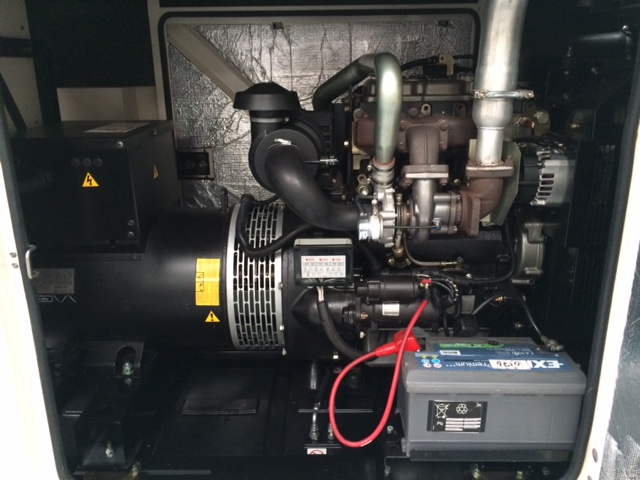
Credit: jspower.co.uk
Electrical System Issues
Generators rely on their electrical systems to start and run. Any problem in this area can stop your generator from working. Understanding these issues helps in troubleshooting effectively.
Blown Fuse Or Tripped Breaker
A blown fuse is a common issue. It can occur due to overload. Check your generator’s fuse box. Replace any blown fuses with new ones.
A tripped breaker can also prevent starting. This happens when there is too much current. Reset the breaker to see if the generator starts. If it trips again, check for overloads.
Loose Or Corroded Connections
Loose connections can disrupt power flow. Check all connections on your generator. Tighten any loose wires or terminals.
Corroded connections can also cause problems. Look for rust or greenish buildup. Clean any corrosion carefully. Use a wire brush or sandpaper to remove it.
Damaged Wiring
Wires can get damaged over time. Look for frayed or broken wires. This can stop your generator from starting.
Inspect all wiring carefully. Replace any damaged sections. Ensure new wires are properly connected and secured.
Mechanical Malfunctions
Mechanical malfunctions can prevent a generator from starting. Common causes include fuel issues, dead batteries, or faulty spark plugs. Regular maintenance helps identify problems early and ensures reliable performance.
Mechanical malfunctions can often be the root cause of a generator not starting. These issues can range from minor problems to significant failures that require immediate attention. Understanding these mechanical challenges can help you troubleshoot effectively and save time and money.Engine Seizure
Engine seizure is a serious issue that can prevent your generator from starting. This occurs when the engine components become so worn or damaged that they can no longer move freely. If you’ve ever experienced a grinding noise or noticed the generator struggling to turn over, you might be facing this problem. Regular maintenance is key here. Keeping the engine lubricated can help avoid this situation. Ask yourself: when was the last time you checked your oil levels? Low oil can quickly lead to engine seizure, making it crucial to stay on top of routine checks.Worn-out Starter Motor
A worn-out starter motor is another common culprit. This component is essential for initiating the engine’s operation. If it fails, the engine won’t start at all. You might notice clicking sounds when you turn the key, indicating that the starter motor isn’t engaging. A simple test is to tap the starter lightly with a tool. Sometimes, this can temporarily get it working again. Regularly inspect the starter motor and replace it if you notice signs of wear. Ignoring this can lead to more extensive repairs.Compression Loss
Compression loss is a critical mechanical issue that can prevent your generator from starting. This occurs when the engine cylinders cannot hold enough pressure to ignite the fuel. You may experience rough running or misfires if there’s compression loss. Checking the cylinder heads and piston rings can reveal hidden problems. Performing a compression test can help you identify this issue early on. Have you checked your generator’s compression lately? Staying proactive can save you from unexpected breakdowns.Environmental Factors
Generators can face many issues. Environmental factors play a big role. Weather conditions affect how well your generator starts. Let’s explore some common challenges.
Cold Weather Challenges
Cold weather can cause serious problems for generators. Low temperatures can thicken engine oil. This makes it hard for the engine to turn over. Batteries may also lose power in the cold. A weak battery can prevent the generator from starting.
Frost can freeze fuel lines. This stops fuel from reaching the engine. Always check the weather before using your generator.
Moisture And Humidity Effects
Moisture in the air can harm generators. High humidity can cause condensation inside the fuel tank. This leads to water mixing with fuel. Water in the fuel can cause poor engine performance.
Excess moisture can also cause rust. Rust can damage important parts. Keeping your generator dry is essential for proper function.
Dirty Or Contaminated Fuel
Fuel quality affects generator performance. Dirty or contaminated fuel can cause starting issues. Dust, dirt, and debris can enter the fuel tank. This can clog filters and fuel lines.
Always use clean fuel. Regularly check the fuel for any signs of contamination. Maintaining fuel quality helps keep your generator running smoothly.
Preventative Maintenance Tips
Keeping your generator in good shape helps it start every time. Simple maintenance tasks can prevent many issues. Here are some essential tips to keep your generator running smoothly.
Regular Fuel System Cleaning
A clean fuel system is vital for your generator. Dirt and debris can clog fuel lines. Regularly clean the fuel tank and lines. Use a fuel filter to catch impurities. Replace old fuel with fresh fuel. This simple step can prevent starting problems.
Battery Maintenance Practices
The battery is crucial for your generator. Check battery connections often. Ensure they are tight and free of corrosion. Clean terminals with a baking soda solution. Test the battery regularly to ensure it holds a charge. Replace old batteries before they fail.
Changing Filters And Oil
Filters and oil keep your generator running well. Change the oil every 50 hours of use. Replace air and fuel filters regularly. Dirty filters can restrict airflow and fuel flow. This can lead to starting issues. Keeping filters clean ensures better performance.
Inspecting Electrical Components
Electrical components play a big role in generator function. Regularly inspect wires and connections. Look for signs of wear or damage. Replace any faulty parts immediately. Ensure the control panel is working correctly. A simple inspection can prevent major problems.
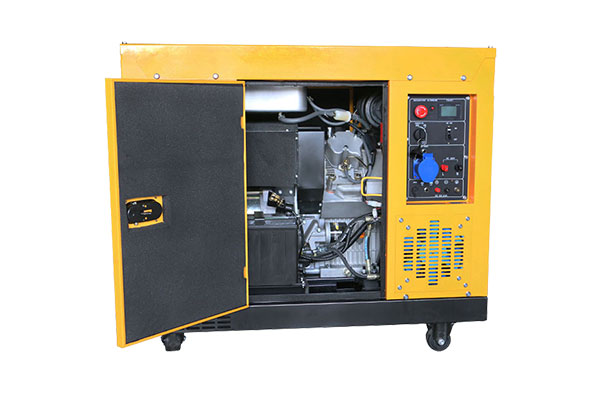
Credit: roadskymaintenance.com
Quick Fixes To Try
Generators can fail to start for many reasons. Before calling a technician, try some simple fixes. These steps are easy and may solve the problem.
Recharging Or Replacing The Battery
A dead battery is a common issue. Check the battery connections first. Make sure they are tight and clean. If the battery is old, it might need replacement. Recharge the battery and try starting the generator again.
Refueling And Checking Oil Levels
Sometimes, the generator just needs fuel. Ensure the tank has enough gas. Check the oil levels too. Low oil can prevent the engine from running. Top off any low fluids before starting.
Cleaning Or Replacing Spark Plugs
Dirty or worn spark plugs can cause starting issues. Remove the spark plugs and inspect them. Clean them with a wire brush or replace them if needed. A clean spark plug helps the engine start smoothly.
Resetting Circuit Breakers
Circuit breakers can trip and stop the generator. Locate the circuit breakers on the unit. Reset any that are in the off position. This simple step can often fix the problem quickly.
When To Seek Professional Help
Understanding when to seek professional help for your generator can save you time, money, and frustration. Recognizing the signs that indicate a serious issue is crucial. If you notice persistent problems, strange noises, or complicated electrical issues, it may be time to call in the experts.
Recurring Startup Issues
Have you tried starting your generator multiple times, only to face the same frustrating result? If your generator repeatedly fails to start, it’s a clear sign something is wrong. A simple battery check might solve the issue, but persistent problems could indicate a deeper mechanical or electrical fault.
Ignoring these startup issues can lead to more significant problems down the road. Don’t wait until you’re in a critical situation to seek help. Trust your instincts; if you feel overwhelmed or unsure, professional assistance can provide peace of mind.
Unusual Noises Or Vibrations
Generators are designed to run smoothly, so any unusual noises or vibrations should raise a red flag. Have you noticed a loud clunking sound or excessive vibration during operation? These symptoms could signal loose parts or internal damage.
It’s tempting to brush off minor sounds as normal wear and tear, but doing so can lead to costly repairs later. If your generator sounds more like a jet engine than a reliable power source, it’s wise to consult a professional. They can diagnose the issue before it escalates into a major breakdown.
Complicated Electrical Repairs
Electrical issues can be tricky, and the last thing you want is to risk injury or further damage. If you find yourself tangled in wires or unsure about connecting components, it’s best to seek professional help. A qualified technician can safely navigate complex electrical systems.
Attempting complicated repairs without the right knowledge can turn a small problem into a major one. If you’re not confident in your electrical skills, it’s more efficient to hire an expert. Your safety and the longevity of your generator are worth the investment.
Frequently Asked Questions
Why Won’t My Generator Start?
There are several reasons a generator may fail to start. Common issues include a dead battery, fuel problems, or oil level concerns. Check connections, and ensure there’s sufficient fuel and oil. Regular maintenance can also prevent starting issues.
What Are Common Generator Starting Problems?
Common problems include battery failure, fuel contamination, and spark plug issues. Faulty electrical connections can also prevent ignition. Each issue requires specific troubleshooting steps. Identifying the problem quickly can save time and effort during repairs.
How Can I Troubleshoot My Generator?
Start by checking the battery charge and connections. Inspect the fuel lines for leaks or blockages. Additionally, examine the oil level and spark plugs. Follow the manufacturer’s guidelines for troubleshooting to ensure safe and effective repairs.
Could Bad Fuel Cause Starting Issues?
Yes, bad fuel can significantly affect your generator’s performance. Old or contaminated fuel can clog filters and fuel lines. This blockage can prevent the engine from starting. Regularly replacing fuel and using stabilizers can help avoid these issues.
Conclusion
A generator not starting can be frustrating. Knowing the causes helps. Check the fuel level first. Look for battery issues next. Inspect the oil level and spark plugs too. Each problem has a simple fix. Regular maintenance can prevent these issues.
Stay proactive to keep your generator running smoothly. Understanding these causes makes troubleshooting easier. Take action quickly to avoid bigger problems. With the right steps, you can get your generator back to work.