
Have you ever wondered what happens if your generator gets caught in the rain? It’s a common concern for anyone who relies on a generator for power, especially during unpredictable weather.
You might think a little rain won’t hurt it, but the truth is, water and electricity don’t mix well. We’ll explore the potential risks and damages that can occur if your generator gets wet. By understanding these dangers, you can take the necessary steps to protect your investment and ensure your generator runs smoothly when you need it the most.
Keep reading to find out how to keep your generator safe from the elements and what to do if it does get rained on. Your peace of mind is just a few paragraphs away!

Credit: www.solentpower.co.uk
Generator Exposure To Rain
Rain can harm a generator. Water may enter the engine or electrical parts. This can cause rust, short circuits, or even a complete breakdown. Proper protection is key to keeping your generator safe during wet weather.
Rain can be a generator’s worst enemy. If your generator is left exposed to the elements, it can lead to significant damage. Understanding the risks associated with rain exposure is crucial for maintaining your generator’s longevity and performance.
Impact On Electrical Components
Water and electricity do not mix well. When rainwater seeps into the electrical components, it can cause corrosion and deterioration over time. You may notice that your generator starts to malfunction after a rainstorm. This is not just a coincidence. Moisture can lead to rust on wiring and connectors, which can disrupt the electrical flow. Regular checks of your generator’s electrical parts are essential. Look for any signs of moisture buildup. If you find any, dry the components thoroughly before using the generator again.
Risk Of Short Circuits
One of the most serious dangers of rain exposure is the risk of short circuits. Water can create unintended pathways for electricity, leading to shorts that can damage your generator. Imagine starting your generator only to find it won’t run. This could be due to water creating a short circuit in the system. Not only can this lead to costly repairs, but it can also pose safety hazards. Preventing water exposure is key. Always store your generator under a waterproof cover or in a sheltered area. If you must use it outdoors, consider investing in a weatherproof enclosure. What steps are you taking to protect your generator from the rain? Your actions today can save you from headaches tomorrow.

Credit: www.gentent.com
Safety Hazards
Rain can pose serious risks to generators. Water and electricity do not mix well. Understanding these hazards is crucial for safe operation.
Electrocution Risks
Generators can become dangerous when wet. Water can create electrical shorts. This may lead to electrocution risks for anyone nearby.
Wet surfaces can carry electrical current. Touching a wet generator can be fatal. Always keep generators dry and covered during rain.
Fire Hazards
Water exposure can also cause fires. Rust and corrosion can occur in wet conditions. These issues can lead to generator failure or fire.
Fuel leaks may happen if the generator is wet. A spark can ignite flammable liquids. Store generators in a dry place to avoid these risks.
Damage To Generator Parts
Rain can cause serious damage to generator parts. Water may enter the engine, leading to rust and corrosion. This can affect performance and shorten the generator’s lifespan. Protecting your generator from rain is essential for its health and efficiency.
When a generator gets rained on, it can lead to significant damage to its parts. Understanding how moisture affects your generator is essential for maintaining its performance and longevity. Let’s examine the specific issues that can arise from water exposure, focusing on corrosion and engine performance.
Corrosion Issues
Water exposure is one of the primary causes of corrosion in generators. Key areas affected include: – Metal Components: Rust can develop on exposed metal parts, weakening them over time. – Electrical Connections: Moisture can cause short circuits, leading to malfunctions. – Fuel System: Water can contaminate the fuel, causing it to break down and affect engine performance. Have you ever noticed rust on tools left out in the rain? The same principle applies to generators. If you don’t protect your generator from the elements, it may not function when you need it the most.
Engine Performance Problems
Rain can also lead to serious engine performance issues. Common problems include: – Difficulty Starting: Moisture can prevent the engine from starting or cause it to stall unexpectedly. – Reduced Power Output: Even if the generator starts, water can cause it to run inefficiently, leading to lower power generation. – Increased Wear and Tear: Continuous exposure to moisture can create an environment for engine parts to wear out faster. Have you ever faced a power outage only to find your generator sputtering and failing to start? That could be the result of rainwater infiltration affecting its internal systems. Taking preventive measures can save you from costly repairs and frustrating situations. How do you protect your generator from rain?
Credit: www.rvwest.com
Preventive Measures
Keeping your generator safe from rain is important. Taking simple steps can protect it. Here are some effective preventive measures.
Using Covers And Shelters
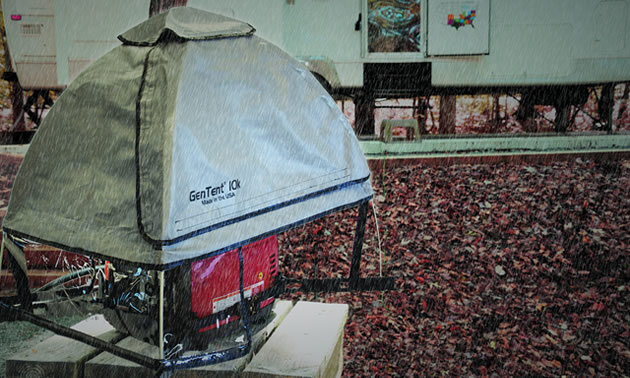
Using a cover is a smart way to shield your generator. A waterproof cover keeps rain away. It also protects from dirt and debris.
Consider a portable shelter. This can be a small tent or canopy. Make sure it is sturdy and can withstand wind. Proper shelters help keep water out.
Proper Placement Techniques
Where you place your generator matters. Avoid low areas where water collects. Instead, choose high ground to reduce water exposure.
Keep your generator at least five feet away from walls. This allows for airflow and reduces moisture buildup. Avoid placing it directly under trees. Falling branches can cause damage.
Post-rain Inspection
After rain, inspecting your generator is crucial. Moisture can cause issues. A thorough check helps ensure safe operation. Take these steps to assess your generator.
Checking For Moisture
Start by looking for visible moisture. Check the exterior and the vents. Pay attention to any water pooling. Remove any debris that might trap water.
Open the access panels if possible. Look inside for any signs of water. Dry any wet areas with a towel. A dry generator is key to performance.
Testing Electrical Systems
Once you check for moisture, test the electrical systems. Start with the battery connections. Ensure they are clean and dry.
Next, inspect the wiring for any signs of corrosion. Damaged wires can lead to failures. Use a multimeter to check voltage levels.
Finally, run the generator for a short time. Listen for unusual sounds. Check for any warning lights on the panel. This step confirms everything is working correctly.
Safe Operating Practices
Rain can be harmful to generators. Water exposure may cause electrical shorts and damage the internal parts. To keep generators safe, use protective covers or store them in dry areas when not in use. Always check for moisture before starting the generator to ensure safe operation.
Safe operating practices are crucial to ensure your generator remains functional and safe, especially in adverse weather conditions like rain. By following a few key strategies, you can protect your equipment and maintain safety. Here are some essential practices to consider.
Avoiding Wet Surfaces
Water and electricity do not mix. If your generator gets rained on, it can lead to serious issues, including short-circuits and damage. Place your generator on a dry, elevated surface. This helps keep it away from puddles or standing water. Use a sturdy platform or a simple wooden board if necessary. Consider using a cover specifically designed for generators. It should be waterproof and breathable, allowing moisture to escape while keeping rain out. Always check the manufacturer’s guidelines regarding outdoor use. Some models have better weather resistance than others.
Ensuring Adequate Ventilation
Generators need proper airflow to function efficiently. If rain affects ventilation, it can cause overheating and potential failure. Position your generator in an open area, away from walls or other obstructions. This allows air to circulate freely. If you must use the generator under a temporary shelter, ensure it’s well-ventilated. A simple tarp can provide protection from rain while allowing airflow if set up correctly. Have you ever experienced an unexpected shutdown due to poor ventilation? It’s frustrating and can be avoided with proper planning. Taking these steps can help you maintain your generator’s functionality and safety. Your diligence will pay off when you need reliable power during a storm.
Emergency Shutdown Guidelines
Generators can be damaged if they get rained on. Water can cause short circuits or rust. Always cover the generator during rain to avoid these risks.
Emergency Shutdown Guidelines Rain can be a generator’s worst enemy. If your generator gets caught in a downpour, knowing how to respond is crucial. Follow these emergency shutdown guidelines to ensure safety and protect your equipment from damage.
Steps For Immediate Power Off
1. Locate the Main Power Switch: Quickly find the main power switch on your generator. This is usually easy to spot and is often labeled clearly. 2. Turn Off the Generator: Flip the switch to the “Off” position. This will stop the generator from producing electricity. 3. Disconnect Electrical Loads: If it’s safe to do so, unplug any devices connected to the generator. This helps prevent damage to your appliances. 4. Allow the Generator to Cool Down: Wait for a few minutes before inspecting the generator. This allows any residual heat to dissipate safely. 5. Check for Water Accumulation: Inspect the area around the generator for standing water. This can pose additional risks when you try to restart the unit.
Handling Water Damage Safely
– Assess the Condition: After the rain has stopped, check your generator for water exposure. Look for any signs of moisture inside the fuel tank and electrical components. – Dry the Exterior: Use a towel or cloth to wipe down the generator. Ensure that all surfaces are dry before attempting to restart it. – Inspect Electrical Connections: Look closely at the wiring and connectors. If you see any signs of corrosion or water intrusion, it’s best to call a professional. – Wait Before Restarting: Don’t rush to turn your generator back on. Give it at least 30 minutes to dry out completely. – Test Run: Once you believe it’s dry, perform a test run. Monitor for any unusual sounds or smells, and be ready to turn it off immediately if something seems off. You might think that a little rain won’t hurt your generator, but unexpected storms can lead to costly repairs. How prepared are you to handle such situations?
Frequently Asked Questions
What Should I Do If My Generator Gets Wet?
If your generator gets wet, turn it off immediately and disconnect it from any power source. Allow the generator to dry completely before attempting to restart it. Inspect for any visible damage or corrosion, and consult a professional if necessary.
Safety should always be your top priority.
Can Rain Damage A Generator?
Yes, rain can damage a generator if it is not properly protected. Water can infiltrate electrical components, leading to short circuits or corrosion. To prevent rain damage, use a waterproof cover or store the generator in a sheltered area. Regular maintenance also helps ensure its longevity.
How To Protect A Generator From Rain?
To protect your generator from rain, use a weather-resistant cover or tarpaulin. Ensure that the generator is placed in a sheltered location, away from direct exposure. Elevating the generator on a platform can also help prevent water accumulation. Always follow manufacturer guidelines for protection.
Is It Safe To Run A Generator In The Rain?
Running a generator in the rain is not recommended unless it has proper protection. Water exposure can lead to electrical hazards and damage. If rain is expected, make sure to cover the generator adequately or move it to a dry area.
Always prioritize safety and follow usage guidelines.
Conclusion
Rain can damage a generator. Water exposure may cause rust and corrosion. Electrical parts could short circuit, leading to failures. Always protect your generator from the rain. Use a cover or place it in a sheltered area. Regular maintenance helps ensure it runs well.
Keep it clean and dry for better performance. Taking these steps can extend its life. A little care goes a long way. Stay safe and keep your generator in good shape.