

Have you ever wondered what happens if a generator is overloaded? It’s a critical question that can save you from potential headaches and costly repairs.
When you push your generator beyond its limits, you might face unexpected shutdowns, damage to the unit, or even safety hazards. Understanding the effects of overloading can help you make informed decisions about your power needs. We’ll explore the signs of an overloaded generator, the risks involved, and how to prevent it from happening in the first place.
Keep reading to ensure your generator runs smoothly and safely for years to come. Your peace of mind is just a few paragraphs away!
Generator Overload Basics
Understanding generator overload is essential for safe use. Overloading occurs when you connect too many devices to a generator. This can lead to serious issues. Knowing the basics helps prevent damage and safety risks.
What Is Generator Overload?
Generator overload happens when the power demand exceeds its capacity. Each generator has a limit. This limit is measured in watts. Exceeding this limit can cause the generator to fail.
Several signs indicate a generator is overloaded. You may notice strange noises. The generator might run hotter than normal. You could see smoke or smell burning. These signs show a problem.
Consequences Of Overloading
Overloading a generator can have serious effects. It can damage internal parts. This may lead to costly repairs. In extreme cases, it can cause fires. Safety is always a priority.
How To Prevent Overloading
Preventing overload is simple. Always check the wattage of devices. Make a list of all items connected. Ensure the total does not exceed the generator’s limit. Use a watt meter for accuracy.

Credit: www.youtube.com
Signs Of Overloading
Overloading a generator can lead to serious problems. Signs include overheating, strange noises, or tripped circuit breakers. Ignoring these signs may cause damage, reduce efficiency, or even pose safety risks. Regular checks can help prevent these issues and ensure safe operation.
Understanding the signs of generator overloading is crucial for maintaining its efficiency and longevity. An overloaded generator can lead to serious issues, including damage to the unit itself. Recognizing early warning signs can help you avoid costly repairs and ensure your generator operates smoothly.Unusual Noises
Listen closely to your generator. If it starts making strange noises, such as grinding or popping sounds, it could be overloaded. These noises indicate that the generator is struggling to keep up with the demand. Regular maintenance can prevent these issues. If you notice any unusual sounds, turn off the generator immediately to avoid further damage.Tripped Circuit Breakers
Have you ever experienced frequent tripped circuit breakers? This is a common sign of overloading. The circuit breaker is designed to protect your generator from excessive load, so if it trips often, your generator is likely working too hard. Check your connections and reduce the load. Consider spreading out your power needs over time to ease the strain on your generator.Fluctuating Voltage Levels
Pay attention to your voltage levels. If you observe fluctuations, your generator might be overloaded. This can cause your appliances to behave unpredictably, leading to potential damage. Using a voltage meter can help you monitor levels. If you notice consistent drops or spikes, it’s time to reassess your power usage.Overheating
Feel the generator’s casing. If it’s unusually hot to the touch, that’s a major warning sign. Overheating typically occurs when too many devices are connected. Always give your generator breaks to cool down. If it continues to overheat, consider reducing the connected load or consulting a professional.Decreased Performance
Notice any changes in performance? If your generator is struggling to start or maintain power, it could be overloaded. This could manifest as dimming lights or slowing appliances. Taking action sooner rather than later can prevent permanent damage. Reduce the load and allow the generator to recover. Recognizing these signs can save you time and money. Your generator should work for you, not the other way around. Have you checked your generator lately? Taking a moment to evaluate its performance could spare you from a significant headache down the road.Immediate Impact On Performance
The immediate impact of overloading a generator can be dramatic and often detrimental. You might think your generator can handle all your devices, but pushing it beyond its limits can lead to serious performance issues. Understanding these impacts can save you time, money, and frustration.
Decreased Efficiency
Overloading your generator often leads to decreased efficiency. You may notice that it struggles to power even the most basic appliances. This can result in higher fuel consumption, which means you spend more money for less output.
Increased Heat Production
When a generator is overloaded, it produces excess heat. This heat can damage internal components and lead to premature wear. You might find that your generator is running hotter than usual, which can be a red flag for potential failure.
Voltage Fluctuations
Another immediate impact is voltage fluctuations. If your generator is overworked, the voltage may drop, causing lights to flicker or appliances to malfunction. This can be especially frustrating during critical times, like when you need to power medical equipment.
Shortened Lifespan
Overloading can significantly shorten the lifespan of your generator. Just like any machine, consistent strain will wear it out faster. You may think you’re saving money in the short term, but the long-term costs could be much higher.
Potential Damage To Connected Devices
Perhaps one of the most alarming effects of an overloaded generator is the risk of damage to your devices. Appliances may not only underperform but can also suffer from electrical surges. Have you ever experienced a blown fuse or a burnt-out motor? This could be a direct result of your generator being pushed too hard.
Recognizing these immediate impacts can help you manage your generator better. Always be mindful of its capacity and how much load you are placing on it. Taking these precautions ensures your generator runs smoothly and efficiently for years to come.
Electrical System Damage
Overloading a generator can lead to severe electrical system damage. This is often an overlooked consequence, but understanding the risks is crucial for anyone relying on a generator for power. You may be surprised to learn just how damaging an overload can be to your equipment and home.
Understanding Generator Overload
A generator overload occurs when the electrical demand exceeds its rated capacity. This can happen if you connect too many appliances or high-wattage devices simultaneously. The result is not just a loss of power but potential damage to the generator itself and the electrical systems connected to it.
Signs Of Electrical System Damage
- Frequent tripping of circuit breakers
- Burning smell from wires or devices
- Flickering or dimming lights
- Inconsistent power supply
If you notice any of these signs, it’s vital to address the issue immediately. Ignoring them can lead to more significant problems, such as complete equipment failure.
Potential Consequences
Overloading can cause overheating in wires, leading to insulation failure. This not only damages the generator but can also pose a fire risk. You might find yourself replacing expensive appliances or even dealing with a hazardous situation.
To protect your electrical system, always calculate the total wattage of your devices. Make sure it stays within your generator’s capacity. Use a wattmeter to monitor usage and avoid surprises during peak demand.
Have you ever experienced a power surge due to overloading? It’s not just inconvenient; it can be costly. Being aware of your generator’s limitations can save you time and money in the long run.
Regular maintenance checks are also essential. Inspect wiring and connections for signs of wear. Keeping your generator in good condition will help it handle the load more efficiently.
Learning about electrical system damage due to generator overload equips you to make better decisions. Protect your investment and keep your home safe by understanding the risks involved.
Fire Hazards And Safety Risks
Overloading a generator can lead to serious fire hazards and safety risks. Understanding these dangers is crucial for anyone who relies on a generator for power. Being aware of the potential consequences can help you take proactive measures to protect yourself and your property.
Understanding Overload Risks
When a generator exceeds its power capacity, it struggles to keep up. This strain can lead to overheating, which is a primary fire risk.
Overheating can cause the insulation on wires to melt. Once the insulation fails, the risk of short circuits increases significantly. A single spark can ignite surrounding materials, leading to a fire.
Common Signs Of Overloading
- Strange Odors:If you smell burning plastic or rubber, it’s time to check your generator.
- Frequent Tripping:If the circuit breaker trips often, your generator may be overloaded.
- Unusual Noises:Grinding or popping sounds can indicate internal damage.
Noticing these signs early can prevent a minor issue from escalating into a major hazard. Have you ever experienced any of these warning signs? It’s better to act quickly than to ignore them.
Fire Prevention Strategies
To minimize fire risks, always follow the manufacturer’s guidelines for load capacity. Regular maintenance is equally important; it can keep your generator running efficiently.
Consider investing in a transfer switch. This device ensures that your generator only powers essential circuits, reducing the risk of overload. Have you thought about how a transfer switch could simplify your setup?
Emergency Preparedness
In the event of a fire, having a plan is essential. Keep a fire extinguisher nearby and ensure everyone knows how to use it.
Practice fire drills and establish a safe meeting point away from your home. Knowing what to do can save lives and property in an emergency.
Your safety should always come first. Understanding the risks associated with generator overload can help you avoid dangerous situations. What steps will you take to ensure your generator remains safe and effective?
Impact On Longevity
Overloading a generator can greatly affect its lifespan. Generators are built to handle specific loads. Pushing them beyond their limits causes wear and tear.
Increased Wear And Tear
Overloading leads to more stress on parts. The engine works harder to produce power. This extra strain can wear out components faster.
Heat Buildup
Generators produce heat during operation. Overloading increases this heat. Too much heat can damage internal parts. It may lead to overheating and engine failure.
Reduced Efficiency
An overloaded generator runs less efficiently. It struggles to keep up with demand. This inefficiency can lead to higher fuel consumption.
Shorter Lifespan
All these factors shorten the generator’s life. Regular overloading will lead to early replacement. It is essential to match the load to the generator’s capacity.
Preventive Measures
Preventing generator overload is crucial for safe operation. Knowing how to avoid this issue helps maintain efficiency. Simple steps can protect your equipment and extend its life.
Understand Your Generator’s Capacity
Each generator has a specific power capacity. Check the owner’s manual for its limits. Never exceed these limits. This helps prevent overload and damage.
Use An Amperage Meter
An amperage meter shows how much power is being used. Install one to monitor your generator’s load. This tool helps you stay within safe limits.
Spread Out Your Load
Connect devices with different power needs. Distributing the load keeps your generator balanced. Avoid plugging too many high-demand devices at once.
Regular Maintenance Checks
Regular maintenance keeps your generator running smoothly. Check fuel levels, oil, and filters often. A well-maintained generator performs better and is less likely to overload.
Invest In An Automatic Transfer Switch
An automatic transfer switch helps manage power loads. It automatically disconnects non-essential devices. This feature protects the generator from overload.
Educate Users
Teach everyone who uses the generator about its limits. Make sure they know how to operate it safely. Awareness reduces the risk of overload and accidents.
Choosing The Right Capacity
Choosing the right generator capacity is vital. An overloaded generator can cause serious problems. Understanding your power needs helps prevent this. A well-sized generator ensures smooth operation.
Understand Your Power Needs
Start by listing all devices. Include their wattage requirements. Sum the total wattage needed. This total guides your generator choice. Always consider starting and running watts.
Factor In Future Needs
Think about future power needs. Will you add more devices? Choose a generator with extra capacity. This helps avoid overloads later. A little extra power can save you trouble.
Consult The Manufacturer’s Guidelines
Check the manufacturer’s recommendations. They provide useful information. Follow their guidelines for capacity. This ensures safe and efficient use. Proper sizing prevents overload issues.
Consider The Type Of Generator
Different generators have different capacities. Portable generators often have lower capacities. Standby generators can handle more loads. Match the generator type to your needs.
Regular Maintenance Matters
Keep your generator in good shape. Regular maintenance helps it perform well. A well-maintained generator is less likely to overload. Check oil levels and clean filters often.
Maintenance Tips For Avoiding Overload
Overloading a generator can lead to serious issues, but you can easily avoid this with proper maintenance. Keeping your generator in good shape not only extends its lifespan but also ensures it operates efficiently. Here are some essential maintenance tips to help you prevent overload.
Regularly Check Your Load Capacity
Understanding your generator’s load capacity is crucial. Always refer to the manufacturer’s specifications to know how much power your generator can handle.
- Make a list of devices you plan to connect.
- Add up their wattages to determine the total load.
- Keep the total load below the generator’s capacity.
Have you ever plugged in too many devices at once? It can happen easily, but keeping track of your load can save you from a frustrating overload situation.
Perform Routine Maintenance
Routine maintenance can prevent unexpected issues. Schedule regular checks for oil levels, filters, and spark plugs.
- Change the oil every 50-100 hours of use.
- Clean or replace the air filter as needed.
- Inspect the spark plugs and replace them if worn.
When I neglected to change the oil in my generator, it struggled to keep up with demand. A simple oil change could have prevented the stress on the machine.
Monitor Environmental Conditions
Environmental factors can impact your generator’s performance. High temperatures or humidity can affect efficiency.
- Keep your generator in a well-ventilated area.
- Avoid running it in extreme temperatures.
- Use it only in suitable weather conditions.
Have you considered how the weather affects your generator? It’s essential to be mindful of these conditions to avoid overload.
Use Quality Fuel
The type of fuel you use plays a significant role in your generator’s performance. Always opt for high-quality fuel to ensure smooth operation.
- Store fuel in a cool, dry place.
- Use fuel stabilizers if storing for long periods.
- Regularly check for fuel contamination.
When I switched to a higher quality fuel, my generator ran much smoother and with less strain. Investing in good fuel can make a noticeable difference.
Educate Yourself On Generator Use
Knowing how to operate your generator can prevent overload. Read the manual and familiarize yourself with its features.
- Understand the start-up process.
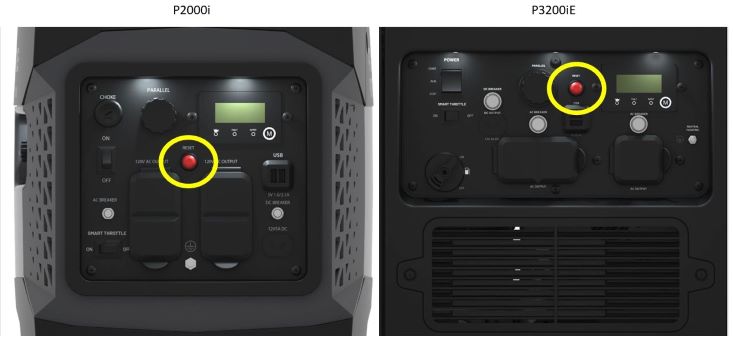
- Learn about the automatic overload protection features.
- Know how to troubleshoot common issues.
Have you taken the time to read your generator’s manual? This knowledge can save you from making mistakes that lead to overload.
Credit: www.polarispower.com

Credit: teagueelectric.com
Frequently Asked Questions
What Is Generator Overload?
Generator overload occurs when the connected load exceeds its rated capacity. This can lead to overheating and potential damage. It’s essential to monitor the load to prevent overload and ensure safe operation.
How Can I Tell If My Generator Is Overloaded?
Signs of overload include tripped circuit breakers, unusual noises, or overheating. If your generator struggles to start or run smoothly, it may be overloaded. Regularly check the load to avoid these issues.
What Are The Effects Of Overloading A Generator?
Overloading a generator can cause overheating, reduced efficiency, and potential failure. It may also lead to damage of internal components and void warranties. Always adhere to the manufacturer’s specifications to prevent these adverse effects.
Can An Overloaded Generator Be Repaired?
Yes, an overloaded generator can often be repaired. However, the extent of damage will determine repair feasibility. It’s best to consult a professional for assessment and repairs to ensure safe operation.
Conclusion
Overloading a generator can lead to serious issues. It can cause damage and reduce its lifespan. Safety is a priority; overheating can create fire risks. Keep your generator within its limits for best performance. Regular maintenance helps prevent overload problems.
Always check the wattage of your devices. Understanding your generator’s capacity is essential. Protect your investment and ensure safe operation. Stay informed, and you will use your generator wisely. Take care of your generator, and it will take care of you.