

Are you struggling with a battery that just won’t hold a charge? You might be dealing with a sulfated battery, a common problem that quietly drains your battery’s power and shortens its life.
But what exactly is battery sulfation, and why should you care? Understanding this hidden issue can save you money and frustration by helping you spot the signs early and even restore your battery’s health. You’ll discover what a sulfated battery is, why it happens, and simple steps you can take to bring your battery back to life.
Keep reading to unlock the secrets behind battery sulfation and protect your investment.
Credit: www.batteriesplus.com
Basics Of Sulfated Batteries
The basics of sulfated batteries explain a common issue in lead-acid batteries. Sulfation happens when lead sulfate crystals build up on the battery plates. This buildup reduces the battery’s ability to hold a charge and deliver power.
Sulfation occurs naturally over time but speeds up if the battery is left discharged. It can happen in car batteries, solar storage, or any lead-acid type. Understanding sulfation helps to maintain batteries longer and improve their performance.
What Causes Battery Sulfation?
Sulfation forms when a battery stays discharged for long periods. Lead sulfate crystals harden on the battery plates. This crystal layer blocks the chemical reactions needed to generate electricity. High temperatures and improper charging increase sulfation risk.
Signs Of A Sulfated Battery
A sulfated battery often shows slow or weak starts. The battery may lose charge quickly. Voltage drops faster than normal. Sometimes, the battery will not fully charge. These signs indicate the battery needs attention or replacement.
How Sulfation Affects Battery Life
Sulfation reduces battery capacity and efficiency. The crystals lower the battery’s ability to store energy. This leads to shorter run times and frequent recharges. Severe sulfation can cause permanent damage, shortening battery life.

Credit: www.tycorunenergy.com
Common Causes Of Sulfation
Sulfation occurs when lead sulfate crystals build up on a battery’s plates. This buildup blocks the chemical reactions needed for charging. Understanding what causes sulfation helps prevent battery damage. Several common factors lead to sulfation in batteries.
HTML Syntax:Cause of Sulfation: Leaving Battery Discharged
Cause Of Sulfation: Leaving Battery Discharged
Batteries left discharged for long periods develop lead sulfate crystals. Without regular charging, the crystals harden. This stops the battery from holding a proper charge. Keeping a battery fully charged reduces this risk.
HTML Syntax:Cause of Sulfation: Overcharging
Cause Of Sulfation: Overcharging
Overcharging a battery causes excessive heat and chemical changes. These changes speed up sulfation. Using the right charger prevents overcharge damage. Follow manufacturer charging guidelines carefully.
HTML Syntax:Cause of Sulfation: Infrequent Use
Cause Of Sulfation: Infrequent Use
Batteries that sit unused for a long time tend to sulfate. Lack of activity means chemical reactions slow down. This allows crystals to form and harden. Regularly using or charging the battery helps avoid this problem.
HTML Syntax:Cause of Sulfation: Using Low-Quality Chargers
Cause Of Sulfation: Using Low-quality Chargers
Cheap or faulty chargers may not supply stable voltage. Unstable voltage promotes sulfation and damages battery cells. Choose chargers with proper voltage control and safety features. This protects the battery’s health.
HTML Syntax:Cause of Sulfation: High Temperatures
Cause Of Sulfation: High Temperatures
Heat speeds up chemical reactions inside the battery. High temperatures increase the chance of sulfation. Store batteries in cool, dry places. Avoid direct sunlight and hot environments for better battery life.
Signs Of Battery Sulfation
Battery sulfation reduces battery performance and lifespan. Early detection is key to saving the battery. Watch for clear signs that point to sulfation. These signs help decide if desulfation is needed.
Slow Charging And Difficulty Holding Charge
A sulfated battery takes longer to charge than usual. It may never reach full charge. The battery loses power quickly after charging. This indicates the battery plates have sulfated deposits.
Low Voltage Output
Check the battery voltage with a voltmeter. A sulfated battery shows lower voltage than normal. Even after charging, the voltage drops fast. This weak power supply signals sulfation inside the battery.
Swollen Or Bulging Battery Case
Physical changes in the battery case may occur. Sulfation can cause the battery to swell or bulge. This happens because of internal chemical changes. Such visible damage means the battery is suffering.
Corrosion On Battery Terminals
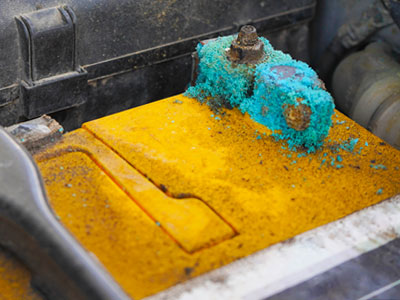
Look for white or blue powder on battery terminals. Corrosion often accompanies sulfation. This buildup reduces electrical contact. Clean terminals might delay failure but do not fix sulfation.
Reduced Battery Capacity
The battery holds less charge over time. You notice shorter usage periods between charges. Devices powered by the battery run out quickly. This loss of capacity is a common sulfation effect.
Effects On Battery Performance
Sulfation affects battery performance in several key ways. It reduces the battery’s ability to hold and deliver charge. This results in shorter run times and less power for your devices or vehicle. Sulfated batteries often struggle to start engines or power equipment effectively.
As sulfate crystals build up on the battery plates, internal resistance increases. This means the battery must work harder to provide the same output. The extra strain can cause the battery to overheat or fail prematurely. Over time, sulfation can lead to permanent damage that no longer responds to charging.
Reduced Capacity And Runtime
Sulfated batteries lose much of their original capacity. They hold less energy and drain faster. Devices powered by these batteries may shut off unexpectedly. The battery’s runtime drops significantly, causing inconvenience.
Longer Charging Times
Charging a sulfated battery takes more time. The sulfate buildup blocks chemical reactions inside the battery. Chargers must work harder and longer to push electrons through. This means more electricity use and wasted energy.
Increased Internal Resistance
Sulfation raises the battery’s internal resistance. Higher resistance lowers the current flow. The battery delivers less power to the device. This can cause poor performance or failure to start engines.
Permanent Damage Risks
If left untreated, sulfation can cause lasting harm. Crystals harden on the battery plates and stop chemical reactions. The battery may no longer accept a charge or provide power. This damage is often irreversible and requires battery replacement.
Types Of Batteries Prone To Sulfation
Batteries can suffer from sulfation, a common problem that reduces their efficiency. Sulfation happens when lead sulfate crystals form on battery plates. This condition mostly affects certain types of batteries. Understanding which batteries are prone to sulfation helps in proper maintenance and longer battery life.
Lead-acid Batteries
Lead-acid batteries are the most common type affected by sulfation. These batteries use lead plates and sulfuric acid. When they are left discharged for long periods, lead sulfate crystals build up. This buildup blocks the chemical reactions needed to produce power. Cars, motorcycles, and backup power systems often use lead-acid batteries.
Sealed Lead-acid Batteries (sla)
Sealed lead-acid batteries also face sulfation problems. They are similar to regular lead-acid batteries but are sealed to prevent leaks. These batteries are used in emergency lighting, alarm systems, and small electric vehicles. Their sealed design makes it harder to check or fix sulfation issues early.
Deep-cycle Batteries
Deep-cycle batteries are designed for slow and steady power release. They are common in solar energy systems, golf carts, and marine applications. These batteries discharge more deeply than regular car batteries. Deep discharges increase the risk of sulfation, especially if the battery is not fully recharged regularly.
Desulfation Techniques
Batteries lose power due to sulfation. Sulfation happens when lead sulfate crystals build up on battery plates. These crystals block the chemical reactions needed for the battery to work well.
Desulfation techniques help remove or reduce these crystals. This can restore some battery capacity and extend its life. Various methods exist, each with its own process and tools.
Using A Desulfating Charger
A desulfating charger sends pulses of high voltage and low current. These pulses break down lead sulfate crystals. This process takes time, often days or weeks.
Connect the charger to the battery and let it run continuously. Check the battery regularly for signs of improvement. This method is safe and effective for many lead-acid batteries.
Equalizing Charge Method
An equalizing charge is a controlled overcharge. It balances the voltage across all battery cells. This charge helps dissolve sulfate crystals.
Use a charger with an equalizing mode. Apply the charge after the battery is fully charged. Avoid overcharging to prevent damage.
Manual Cleaning Of Battery Plates
This method requires opening the battery carefully. Remove the battery caps and check electrolyte levels. If safe, clean the plates with a baking soda solution.
This helps remove surface sulfation but is risky for sealed batteries. Always wear protective gear and follow safety guidelines.
Using Chemical Additives
Certain chemical additives claim to dissolve sulfate crystals. Add these to the battery electrolyte. They can improve battery performance in some cases.
Use additives as per manufacturer instructions. They work best on mild sulfation and early stages of battery aging.
Tools For Battery Desulfation
Tools for battery desulfation help restore battery life by removing lead sulfate buildup. These tools vary in complexity and function.
Using the right tool makes desulfation safer and more effective. Some tools work by sending pulses, while others monitor battery health.
Pulse Battery Desulfators
Pulse battery desulfators send short bursts of high voltage. These pulses break down sulfate crystals on the battery plates. This process slowly restores the battery’s capacity. They are easy to use and connect directly to the battery terminals.
Smart Battery Chargers
Smart chargers charge the battery in stages and detect sulfation. They adjust the charging current to slowly dissolve sulfate crystals. Many smart chargers have a desulfation mode. This mode improves battery performance over time.
Hydrometers And Voltmeters
Hydrometers measure the electrolyte’s specific gravity. This helps assess the battery’s state of charge and health. Voltmeters check the battery voltage to monitor its performance. Both tools help track desulfation progress.
Distilled Water And Safety Gear
Distilled water is necessary to top up battery electrolyte levels. Proper safety gear, like gloves and goggles, protects from acid splashes. Handling batteries with care prevents accidents during desulfation.
Step-by-step Desulfation Process
The step-by-step desulfation process helps restore a sulfated battery’s performance. Sulfation occurs when lead sulfate crystals build up on battery plates. These crystals reduce battery capacity and block chemical reactions. Desulfation breaks down these crystals, improving charge retention.
This process uses controlled electrical pulses or overcharging. It takes time and patience. Proper steps ensure the battery recovers safely without damage. Below is a clear guide to desulfate a battery.
Check Electrolyte Levels And Add Distilled Water
Remove the battery caps carefully. Inspect the electrolyte level inside each cell. If the level is low, add distilled water to the correct mark. Do not use tap water, as it contains minerals that can harm the battery.
Connect A Desulfating Charger
Use a charger designed for desulfation. These chargers send low current, high voltage pulses. Connect the charger to the battery terminals securely. Follow the charger’s instructions for correct settings.
Allow The Charger To Work Over Time
Keep the charger connected for several hours or days. The pulses slowly dissolve lead sulfate crystals. Monitor the battery during this time. Avoid disconnecting the charger prematurely to allow full desulfation.
Test Battery Voltage And Specific Gravity
After desulfation, test the battery’s voltage with a voltmeter. Use a hydrometer to check the electrolyte’s specific gravity. Improved readings indicate the battery is regaining capacity. If results are poor, repeat the process or consider battery replacement.
Perform An Equalizing Charge
Finish with an equalizing charge to balance all cells. This step prevents stratification and extends battery life. Use a charger’s equalize mode or a slow, controlled charge. Disconnect the charger once the battery is fully charged and balanced.
Preventing Future Sulfation
Preventing future sulfation is key to extending battery life. Sulfation happens when lead sulfate crystals build up on the battery plates. This buildup blocks the chemical reactions needed to produce power. Avoiding sulfation keeps your battery working efficiently and longer.
Simple habits can stop sulfation from starting. Regular maintenance and proper charging help keep the battery healthy. Below are effective ways to prevent sulfation and protect your battery investment.
Proper Charging Techniques
Use a charger designed for your battery type. Avoid undercharging, which allows sulfate crystals to form. Overcharging can also cause damage, so follow manufacturer guidelines. A smart charger adjusts the voltage and current automatically. Charge the battery fully after each use to prevent sulfation buildup.
Regular Battery Maintenance
Check the battery’s water or electrolyte levels often. Add distilled water if needed, but never use tap water. Clean battery terminals to prevent corrosion and poor connections. Inspect the battery for cracks or leaks regularly. Keep the battery in a cool, dry place to reduce damage risks.
Use Battery Equalization
Equalizing charges balance the voltage among battery cells. This process breaks down sulfate crystals and prevents buildup. Perform equalization only as recommended for your battery type. Too frequent equalizing may harm the battery. Use this method carefully to maintain battery health.
Avoid Deep Discharges
Try not to drain the battery completely before recharging. Deep discharges speed up sulfation and shorten battery life. Charge the battery when it reaches about 50% capacity. Regular, shallow discharges keep the battery plates clean. This habit reduces the chance of crystal buildup.
When To Replace A Sulfated Battery
Knowing when to replace a sulfated battery is key to avoid sudden power loss. Sulfation happens when lead sulfate crystals build up inside the battery. This reduces its ability to hold and deliver charge. Some sulfation can be reversed with proper care. But severe sulfation means the battery must be replaced.
Recognizing the signs of a failing sulfated battery helps prevent breakdowns. Testing the battery regularly can show if performance is dropping. Early detection saves time and money by allowing repair or replacement before total failure.
Signs Of A Sulfated Battery That Needs Replacement
Slow engine start or weak power output are common signs. The battery may lose charge quickly or fail to hold charge. Corroded terminals and swollen battery casing also indicate damage. If the battery cannot maintain voltage above 12 volts, replacement is likely needed.
Testing Methods To Confirm Battery Health
Use a voltmeter to check battery voltage after charging. A reading below 12.4 volts usually shows poor health. A hydrometer can measure electrolyte specific gravity. Uneven or low readings mean sulfation is severe. Load testing the battery under stress gives a clear status of its condition.
How Long To Wait Before Replacing A Sulfated Battery
Light sulfation may improve after a few charging cycles. Deep sulfation takes weeks to treat and sometimes cannot be reversed. If performance does not improve after desulfation attempts, replace the battery. Waiting too long can cause damage to other vehicle parts.

Credit: www.tycorunenergy.com
Frequently Asked Questions
How Do You Fix A Sulfated Battery?
Fix a sulfated battery by topping up distilled water, then use a desulfating charger with low-current pulses. Charge slowly for days until capacity improves. Test voltage and specific gravity, then apply an equalizing charge to restore battery health fully.
How Long Does It Take To Desulfate A Battery?
Desulfating a battery takes from several hours to a few weeks. Light sulfation clears faster than heavy buildup. Use a specialized charger with low current and high voltage pulses for effective results. Regular testing during the process helps track improvement.
Is A Sulfated Battery Ruined?
A sulfated battery suffers reduced capacity and efficiency due to lead sulfate crystals. Mild sulfation may be reversed, but severe sulfation often causes permanent damage.
Can You Charge A Sulfated Battery?
You can charge a mildly sulfated battery using a slow, controlled desulfating charger. Severe sulfation may be irreversible.
What Is A Sulfated Battery?
A sulfated battery has lead sulfate crystals on its plates, reducing its capacity and performance.
How Does Sulfation Affect Battery Life?
Sulfation blocks chemical reactions, causing a battery to hold less charge and die faster.
Why Do Batteries Become Sulfated?
Batteries sulfate due to long-term discharge, low charge, or improper maintenance.
Can A Sulfated Battery Be Repaired?
Yes, mild sulfation can be reversed by using a special desulfating charger.
How Do You Identify A Sulfated Battery?
Signs include low voltage, slow charging, and poor performance under load.
What Causes Battery Sulfation The Fastest?
Leaving a battery discharged for long periods speeds up sulfation.
Conclusion
A sulfated battery forms when lead sulfate crystals build up inside. This reduces the battery’s ability to hold a charge. Regular use and proper charging help prevent sulfation. Desulfation can sometimes restore battery life with special chargers. Always check battery health early to avoid permanent damage.
Understanding sulfation helps you maintain batteries longer and save money. Keep your battery clean, charged, and in good condition. This simple care extends your battery’s performance and lifespan.