
When it comes to generating electricity, two terms often come up: generator and dynamo. You might think they’re the same, but they serve different purposes and operate in unique ways.
Understanding the difference between a generator and a dynamo can help you make better choices for your power needs, whether it’s for home use, camping trips, or even DIY projects. We’ll break down the key differences in simple terms. You’ll discover how each device works, their advantages and disadvantages, and which one is right for your situation.
By the end, you’ll have a clear picture that empowers you to make informed decisions about your energy sources. Keep reading to uncover the insights you need!
Generator Basics
Generators are machines that convert mechanical energy into electrical energy. They play a key role in providing power for various applications. Understanding how generators work is important for anyone interested in electricity.
Generators use magnetic fields and motion to create electricity. They consist of several main parts. These include the rotor, stator, and the prime mover. Each part has a specific function in the energy conversion process.
How Generators Work
A generator works by rotating a coil within a magnetic field. This motion induces an electric current in the coil. The strength of the current depends on the speed of rotation and the strength of the magnetic field.
Main Components Of A Generator
The rotor is the rotating part of the generator. It spins inside the stator, which is stationary. The prime mover provides the mechanical energy needed to rotate the rotor. This can be a gas engine, steam turbine, or water turbine.
Types Of Generators
Generators come in different types. Some are powered by fuel, while others use renewable sources. Common types include diesel generators, wind generators, and hydroelectric generators. Each type has its unique features and uses.
Applications Of Generators
Generators are used in many settings. They provide backup power during outages. They are also essential in remote areas without access to the grid. Construction sites, events, and homes often rely on generators for electricity.
Dynamo Basics
A dynamo is a device that generates electrical power. It converts mechanical energy into electrical energy. This process uses electromagnetic induction. Understanding how a dynamo works is essential to see its differences from a generator.
How A Dynamo Works
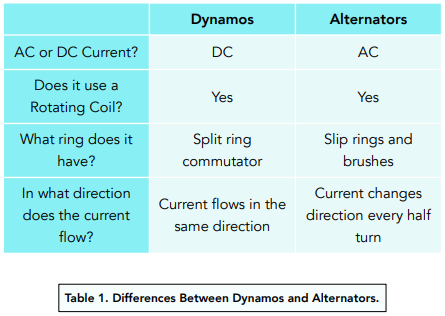
A dynamo works by rotating a coil of wire in a magnetic field. This movement creates electricity. The coil spins inside magnets, producing a flow of current. This current is direct current (DC).
Components Of A Dynamo
A typical dynamo has several main parts. These include the rotor, stator, and commutator. The rotor spins and generates electricity. The stator surrounds the rotor and helps create the magnetic field. The commutator converts the generated current into a usable form.
Types Of Dynamos
There are two main types of dynamos: separately excited and self-excited. Separately excited dynamos use an external power source. Self-excited dynamos generate their own magnetic field. Each type has its own applications and advantages.
Applications Of Dynamos
Dynamos are used in many areas. They power small devices, charge batteries, and provide backup power. Their ability to generate DC power makes them useful in various settings.
Key Components
Generators and dynamos both produce electricity, but they work differently. A generator converts mechanical energy into electrical energy using electromagnetic induction. A dynamo specifically generates direct current (DC) electricity. Understanding these key differences helps in choosing the right device for your needs.
Understanding the Key Components of generators and dynamos is crucial for grasping how they function. Both devices serve the purpose of converting mechanical energy into electrical energy, but they do so through different structures and components. Let’s dive into the specifics of each.Structure Of A Generator
Generators typically have several key components that work together seamlessly. – Rotor: This is the rotating part of the generator. It usually consists of coils of wire that move through a magnetic field, generating electricity. – Stator: The stator is the stationary part. It houses the windings and is where the electrical energy is collected. – Exciter: This component provides the initial magnetic field necessary for the generator to start producing electricity. – Voltage Regulator: It ensures that the output voltage remains stable, even when the load changes. Each of these parts plays a vital role in ensuring that your generator operates efficiently. The arrangement and interaction between them define how effectively the generator converts energy.Structure Of A Dynamo
Dynamo structures differ slightly but share similar principles. – Armature: This is the rotating coil of wire that generates electricity when it moves through a magnetic field. – Field Magnets: These provide the magnetic field necessary for electricity generation. They can be either permanent magnets or electromagnets. – Commutator: This component converts the alternating current produced by the armature into direct current, making it usable for various applications. – Brushes: They maintain contact with the commutator and allow the current to flow out of the dynamo. Understanding these components helps clarify how dynamos convert mechanical energy to electrical energy, often used in small-scale applications, like bicycle lights. Both generators and dynamos have unique features that make them suitable for different applications. Have you considered which one might best suit your needs? With the right knowledge, you can make an informed choice for your next project or energy solution.
Credit: www.youtube.com
Working Principles
Understanding how generators and dynamos work helps clarify their roles. Both devices convert mechanical energy into electrical energy. Yet, their methods differ significantly. Let’s dive into their working principles.
How Generators Work
Generators use electromagnetic induction. They rotate a coil within a magnetic field. This movement creates an electric current. The faster the coil spins, the more electricity is produced. Generators can be powered by various sources. Common sources include wind, water, and fossil fuels.
In generators, the magnetic field remains constant. The coil’s motion generates electricity. This design allows for high power output. Generators are widely used in power plants and industrial settings.
How Dynamos Work
Dynamos also rely on electromagnetic induction. However, they are a specific type of generator. They produce direct current (DC) electricity. A dynamo has a rotating coil and a magnetic field, similar to a generator.
The key difference lies in their output. Dynamos generate electricity through mechanical rotation. They often include a commutator. This device helps convert the alternating current (AC) to direct current. Dynamos are commonly found in older vehicles and small-scale applications.
Types And Applications
Generators and dynamos are both devices that produce electricity, but they operate differently. A generator converts mechanical energy into electrical energy, while a dynamo specifically generates direct current (DC). Each has unique applications, from powering homes to providing energy for small devices.
Understanding these differences helps in choosing the right tool for your needs.
Understanding the types and applications of generators and dynamos can help you make informed decisions for your energy needs. Both devices serve the essential function of converting mechanical energy into electrical energy, but they do so in different ways and are used in various applications. Let’s break down the types of each and their common uses.Types Of Generators
Generators come in several types, each designed for specific needs. Here are the main types:- Portable Generators:These are small, easy to transport, and perfect for camping or emergency power outages.
- Inverter Generators:They provide clean, stable power ideal for sensitive electronics like laptops and smartphones.
- Standby Generators:Installed permanently, these generators kick in automatically during a power outage, ensuring your home stays powered.
- Diesel Generators:Known for their durability and efficiency, these are commonly used in commercial settings.
- Wind Generators:These harness wind energy, making them a popular choice for renewable energy solutions.
Types Of Dynamos
Dynamos also come in different forms, primarily categorized by their design and function. Here are the key types:- Separately Excited Dynamo:This type uses an external source to provide current to the field windings, offering better control over output.
- Self-Excited Dynamo:This has its field windings connected to the output, making it simpler and more compact.
- Permanent Magnet Dynamo:Utilizing permanent magnets, this type is efficient and often used in small applications.
- Wound Field Dynamo:This type features wound field coils, allowing for adjustable voltage outputs.
Common Uses
Both generators and dynamos find their way into various practical applications. Here are some common uses:- Generators:Often used for backup power in homes, construction sites, and events.
- Dynamos:Typically found in older vehicles and small-scale power generation systems.
- Renewable Energy:Both devices can play roles in solar or wind energy systems, converting energy into usable electricity.

Credit: www.gplisana.edu.in
Energy Conversion
Generators and dynamos both produce electricity. A generator converts mechanical energy into electrical energy using various methods. In contrast, a dynamo specifically generates direct current (DC) power through electromagnetic induction. Understanding these differences helps in choosing the right device for specific energy needs.
Energy conversion is a fundamental concept in understanding how we generate and utilize electricity. It refers to the process of transforming one form of energy into another. Both generators and dynamos play crucial roles in this process, but they achieve energy conversion in different ways. Let’s explore how each device operates and the differences in their outputs.Ac Vs Dc Output
Generators typically produce alternating current (AC), while dynamos generate direct current (DC). – AC Output: Most of the power grids use AC because it’s easier to transmit over long distances. This type of current changes direction periodically, which allows it to be transformed to different voltage levels efficiently. Think about how your home appliances run on AC power. – DC Output: On the other hand, dynamos provide DC, which flows in a single direction. This is ideal for applications like batteries and electronic devices. Have you ever charged your phone? That’s DC working to keep your device powered. Understanding these outputs is crucial for choosing the right equipment for your needs. Whether you’re powering a home or charging a device, knowing the difference can save you time and effort.Efficiency Differences
Efficiency is another key difference between generators and dynamos. – Generators: They tend to be more efficient in converting mechanical energy to electrical energy, especially in larger systems. This means they can produce more electricity with less fuel. If you’ve seen a large wind farm, that’s generators at work, harnessing wind energy effectively. – Dynamos: While dynamos are efficient for smaller applications, they may not perform as well in large setups. Their design can lead to more energy loss, especially when used beyond their intended capacity. Have you ever experienced your flashlight dimming? That could be a sign of the dynamo struggling to keep up. Choosing between a generator and a dynamo will depend on your specific energy needs. Are you looking for high efficiency for large-scale power, or do you need a reliable source for smaller devices? Understanding these differences can guide your decision-making process.Advantages And Limitations
Generators and dynamos both convert mechanical energy into electrical energy. Generators are versatile and produce alternating current (AC), while dynamos create direct current (DC). Each has its own strengths and weaknesses, affecting efficiency and use in different applications. Understanding these differences helps in choosing the right device for your needs.
Understanding the advantages and limitations of generators and dynamos can help you make informed decisions about which power source suits your needs. Each has unique benefits and drawbacks that can influence their effectiveness in different scenarios. Let’s break down the pros and cons of both devices to clarify their roles.Pros And Cons Of Generators
Advantages of Generators: – Versatility: Generators can power various devices, from small appliances to heavy machinery. This adaptability makes them invaluable in many settings, from home use to construction sites. – Higher Output: Generators typically produce a higher wattage, allowing them to run multiple devices simultaneously. This feature is especially useful during power outages or in remote locations. – Ease of Use: Most generators come with user-friendly interfaces and straightforward setups. You can start using them with minimal technical knowledge. Limitations of Generators: – Noise: Generators can be quite loud, which may not be ideal for residential areas. If you value peace and quiet, this could be a significant drawback. – Fuel Dependency: Generators require fuel, making them less reliable during fuel shortages. In emergencies, finding fuel can become a challenge. – Maintenance Needs: Regular maintenance is necessary to ensure optimal performance. This requirement can be inconvenient and may incur additional costs over time.Pros And Cons Of Dynamos
Advantages of Dynamos: – Durability: Dynamos are generally more robust and can last longer with less maintenance. This longevity can save you money in the long run. – Simplicity: With fewer moving parts, dynamos are simpler in design. This simplicity often translates to lower repair costs and easier troubleshooting. – Eco-Friendly: They can produce electricity without relying on fossil fuels. This eco-friendly aspect is increasingly important in today’s world. Limitations of Dynamos: – Lower Output: Dynamos typically generate less power than generators. If you need to run multiple high-wattage devices, a dynamo may not meet your needs. – Limited Applications: They are often used in specific applications, such as bicycles or small-scale energy systems. You may find their use cases more restricted. – Initial Cost: The upfront cost of some dynamo systems can be high. This factor might deter some users despite long-term savings.Choosing between a generator and a dynamo often comes down to your specific needs and circumstances. What do you prioritize: higher power output or durability and simplicity? Understanding these pros and cons can guide you in selecting the right power solution for your situation.
Modern Innovations
Modern innovations have transformed both generators and dynamos. These changes improve efficiency and usability. New technologies make power generation easier and more reliable.
Advancements In Generators
Generators have seen significant improvements. They now use advanced materials. Lightweight metals enhance portability. New designs reduce noise levels during operation.
Smart technology also plays a role. Digital controls help users monitor performance. These features allow for remote operation. Users can manage generators from their phones.
Fuel efficiency is another key area. Modern generators consume less fuel. This reduces costs for users and lowers emissions.
Evolution Of Dynamos
Dynamos have evolved over time. Early models were bulky and limited. Today’s dynamos are compact and powerful. They fit into smaller spaces easily.
Improved magnetic materials boost efficiency. This makes dynamos more effective at converting energy. Some dynamos now integrate with solar panels. This creates a more sustainable energy source.
Safety features have also improved. Modern dynamos include better insulation and circuit breakers. These innovations enhance user safety and reliability.
Choosing The Right Option
Generators and dynamos both produce electricity, but they work differently. A generator converts mechanical energy into electrical energy using electromagnetic induction. In contrast, a dynamo generates direct current (DC) power, often with simpler designs. Understanding these differences helps in choosing the right option for your needs.
Choosing the right option between a generator and a dynamo can significantly impact your power needs. Understanding their key differences is essential for making an informed choice. Let’s break down the factors you should consider and the specific use cases for each.Factors To Consider
Start by assessing your power requirements. Are you looking for a reliable source for everyday use or just for emergencies? – Power Output: Generators typically offer higher power output compared to dynamos. This is crucial for running multiple appliances simultaneously. – Portability: If you need something easy to transport, a smaller dynamo might be the way to go. Many models are lightweight and easy to carry. – Fuel Source: Generators often run on gasoline or diesel, while dynamos can be hand-cranked or powered by wind and water. Consider your environment and availability of resources. – Maintenance: Generators usually require regular maintenance and fuel management. Dynamos can be simpler, especially if they rely on renewable energy sources. Think about your specific needs. Do you prioritize power, portability, or sustainability?Use Cases For Each
Generators are ideal for situations where you need a robust power supply. They excel in: – Construction Sites: Providing electricity for tools and equipment. – Events and Parties: Keeping music and lights running when you’re outdoors. – Emergency Backup: Ensuring your home stays powered during outages. On the other hand, dynamos shine in settings where renewable energy is preferred. They work well for: – Small Scale Applications: Such as charging batteries or powering small devices. – Outdoor Adventures: Perfect for camping trips where you might need to generate your own electricity. – Educational Projects: Great for teaching about energy conversion and basic electrical engineering. You need to decide based on your situation. Will you be using it more at home, or do you have a specific outdoor project in mind? Understanding these use cases can help you make a more informed decision.
Credit: www.wazipoint.com
Frequently Asked Questions
What Are The Main Functions Of A Generator?
Generators convert mechanical energy into electrical energy. They are primarily used to provide power in various applications, such as backup systems, construction sites, and remote locations. Generators can run on different fuel sources, including gasoline, diesel, and natural gas, making them versatile for many needs.
How Does A Dynamo Work?
A dynamo generates direct current (DC) electricity through electromagnetic induction. It consists of a rotating coil within a magnetic field. As the coil spins, it induces an electric current, which is then collected via brushes. Dynamos are commonly used in small-scale applications, like bicycle lights and early power generation systems.
Are Generators And Dynamos The Same?
Generators and dynamos are not the same. While both convert mechanical energy to electrical energy, generators can produce alternating current (AC) or direct current (DC). Dynamos specifically generate DC electricity. This fundamental difference makes each suitable for different applications and technologies.
What Are Common Uses For Generators?
Generators are widely used in various settings. They provide backup power during outages in homes and businesses. Additionally, they are essential in construction sites, outdoor events, and recreational activities like camping. Their portability and reliability make them popular for emergency power solutions.
Conclusion
Generators and dynamos serve different purposes. A generator converts mechanical energy into electrical energy. A dynamo produces direct current electricity using magnetic fields. Understanding these differences helps in choosing the right device for your needs. Both have unique benefits and applications.
Knowing how they work can aid in better decision-making. Always consider your specific requirements before making a choice. This knowledge empowers you to make informed decisions in energy solutions. Choose wisely for your projects and tasks.