
Have you ever wondered how energy is generated from simple movements? If so, you’re not alone.
The generator effect is a fascinating concept that plays a crucial role in many of the devices we use daily. Understanding this phenomenon can help you appreciate the technology around you and even inspire you to think about new ways to harness energy.
We will explore what the generator effect is, how it works, and its practical applications in your life. From powering your gadgets to contributing to renewable energy solutions, the generator effect is more important than you might think. Stick around to discover how this remarkable principle can change your perspective on energy use and innovation.
Generator Effect Basics
The generator effect is a key concept in physics. It describes how motion can create electricity. This principle is important in many devices we use today. Understanding it helps us see how energy works.
What Is The Generator Effect?
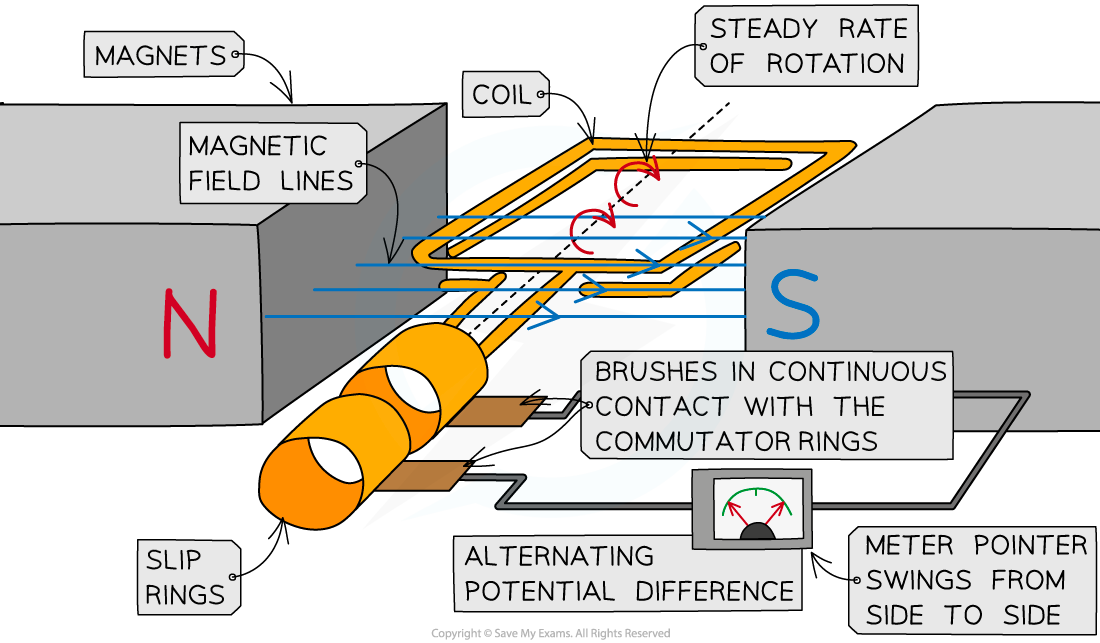
The generator effect occurs when a conductor moves through a magnetic field. This movement causes electrons in the conductor to flow. The result is an electric current. Simple movements can produce power.
How Does It Work?
When a magnet moves near a wire, it creates a magnetic field. This field pushes electrons in the wire. The faster the movement, the more electricity is generated. This process is called electromagnetic induction.
Applications Of The Generator Effect
The generator effect is used in many devices. It powers generators that produce electricity. Wind turbines and hydroelectric plants rely on this principle. Even bicycle dynamos use it to light up lamps.
Importance Of The Generator Effect
This effect is vital for renewable energy. It helps create clean power sources. Understanding it can lead to better energy solutions. The generator effect is essential for modern technology.

Credit: www.researchgate.net
Electric Power Generation
The generator effect is the process where movement generates electricity. It is used in various applications, from powering homes to running electric devices. Understanding this effect helps improve energy production methods and supports renewable energy sources.
Electric power generation is a critical component of modern life. It powers our homes, industries, and technologies. Understanding how electricity is generated can help you appreciate the importance of sustainable practices and innovation.Hydroelectric Power
Hydroelectric power relies on the energy of flowing water. Dams are built to store water in a reservoir. When released, the water flows through turbines, generating electricity. This method is efficient and produces no direct emissions. Countries like Brazil and Canada heavily invest in hydroelectric plants. Have you ever noticed the large dams while traveling? They are more than just structures; they are vital energy sources. Advantages of hydroelectric power include: – Renewable energy source – Low operational costs – Flood control and irrigation benefits However, it’s essential to consider the environmental impact. Ecosystems can be disrupted, affecting wildlife and local communities.Wind Turbines
Wind turbines convert kinetic energy from the wind into electricity. As the wind blows, it spins the blades, turning a generator. This process is simple yet highly effective. You may have seen wind farms while driving along highways. Rows of towering turbines create a striking landscape. They symbolize the shift towards cleaner energy. Key benefits of wind energy include: – No fuel costs – Minimal environmental footprint – Job creation in manufacturing and maintenance Wind energy is not without challenges. Intermittent wind patterns can affect reliability. Yet, advancements in battery technology are helping to store energy for later use.Steam Generators
Steam generators produce electricity by using heat to create steam. This steam drives turbines, similar to hydroelectric systems. Typically, fossil fuels or nuclear reactions produce the necessary heat. Many power plants use steam generation due to its versatility. Remember visiting a power plant and seeing large smoke stacks? That’s a sign of steam generation at work. Benefits of steam generation include: – Ability to use various fuel sources – Established technology – High energy output However, environmental concerns arise with fossil fuel use. Investing in cleaner alternatives is crucial for a sustainable future. What are your thoughts on balancing energy needs with environmental impacts? Understanding these methods enriches your knowledge of energy generation. Each system plays a role in powering your daily life. Stay informed and think about how you can contribute to a more sustainable future.Energy Harvesting
Energy harvesting captures energy from the environment. The generator effect is used to convert this energy into electricity. This process powers small devices and sensors, making them more efficient and sustainable.
Energy harvesting is a fascinating concept that allows devices to capture and store energy from their surroundings. This technology can transform everyday movements, heat, and light into usable power. By tapping into these energy sources, you can keep your devices running efficiently without relying on traditional batteries.Micro Energy Systems
Micro energy systems are at the forefront of energy harvesting. These small-scale systems can convert ambient energy into electricity. Think about how you might charge a small gadget just by placing it in a sunny spot. Solar panels can power lights or sensors without needing an outlet. These systems are becoming crucial in remote areas where traditional power sources are unavailable. They enhance sustainability and reduce reliance on fossil fuels.Portable Devices
Portable devices are another exciting application of energy harvesting. Imagine carrying a phone that charges itself as you walk. Some companies are developing chargers that capture kinetic energy from motion. This means your phone could gain power while you’re on the go. Consider a backpack with built-in energy harvesting technology. It could charge your devices while you hike, making outdoor adventures more enjoyable and convenient.Wearable Technology
Wearable technology is rapidly evolving thanks to energy harvesting. Devices like fitness trackers and smartwatches can now utilize body heat or movement to stay charged. How convenient would it be if your smartwatch never needed a battery change? Some wearables can gather energy from your wrist movements, ensuring they keep working as long as you do. Innovative designs are emerging that allow clothing to harvest energy from your body. Imagine a shirt that powers your earbuds while you exercise, blending functionality with fashion seamlessly. Energy harvesting is not just a trend; it’s a practical solution for our energy needs. How might you use this technology in your daily life?
Credit: www.facebook.com
Automotive Applications
The generator effect plays a key role in the automotive industry. It helps improve vehicle efficiency. This effect is crucial for energy recovery in various systems.
Many modern cars use this technology. It is especially useful in hybrid and electric vehicles.
Regenerative Braking
Regenerative braking captures energy during braking. This process converts kinetic energy into electrical energy. The energy is stored for later use.
This method reduces wear on brakes. It helps extend the lifespan of brake components. Regenerative braking improves overall vehicle efficiency.
Hybrid And Electric Vehicles
Hybrid and electric vehicles rely heavily on the generator effect. They use this effect to maximize energy use. This helps reduce fuel consumption and emissions.
Electric motors generate power while driving. This power can recharge the battery. It enhances driving range and performance.
These vehicles offer a more sustainable option. They align with the shift towards greener technology.
Industrial Equipment
Generators convert mechanical energy into electrical energy. This process is vital for providing power in various industrial settings. The generator effect is essential for running machinery, tools, and equipment, ensuring smooth operations in factories and construction sites.
Industrial equipment plays a vital role in manufacturing and production. The generator effect helps improve efficiency in many machines. This effect is crucial for rotating machinery and backup power systems.
Rotating Machinery
Rotating machinery includes motors, turbines, and generators. These machines convert energy from one form to another. The generator effect aids in this process, enhancing performance.
In motors, the generator effect helps produce electricity. This electricity can power other equipment. It reduces energy waste and increases efficiency in operations.
Turbines use the generator effect to harness wind or water energy. This energy is converted into mechanical energy. The result is a more effective energy production process.
Backup Power Systems
Backup power systems are essential for many industries. They provide energy during outages or emergencies. The generator effect plays a key role here as well.
In generators, this effect helps maintain power supply. It ensures that equipment runs smoothly when primary power fails. This reliability is crucial for critical operations.
Using the generator effect in backup systems also boosts safety. It prevents equipment damage during power fluctuations. This makes industrial operations safer and more reliable.
Medical Technology
Medical technology plays a crucial role in healthcare. It helps diagnose, treat, and manage diseases. One key concept in this field is the generator effect. This effect is vital for many medical devices and equipment. It enhances their function and reliability.
Implantable Devices
Implantable devices use the generator effect to improve patient care. These devices include pacemakers and insulin pumps. They provide continuous monitoring and treatment. The generator effect allows these devices to generate power. This power keeps them functional for long periods.
Patients benefit from less frequent surgeries. Devices can operate without needing battery changes. This leads to better health outcomes and quality of life. The generator effect also helps in energy efficiency. It ensures that these devices work effectively over time.
Diagnostic Equipment
Diagnostic equipment relies on the generator effect for accurate results. Machines like MRI and ultrasound use this effect. They create detailed images of the body. This helps doctors make informed decisions. The generator effect enhances the clarity of these images.
Better diagnostics lead to early disease detection. Patients receive timely treatment. The generator effect plays a key role in improving healthcare outcomes. It makes diagnostic tools more reliable and precise.
Aerospace And Defense
The generator effect refers to the process where a magnetic field generates electric current. In aerospace and defense, this effect is crucial for powering various systems. It enhances performance in aircraft and military equipment, ensuring reliable operation in critical situations.
Understanding this effect aids in designing more efficient technologies.
Aerospace and defense industries rely on advanced technologies to ensure safety, efficiency, and effectiveness. The generator effect plays a crucial role in these sectors, enhancing the functionality of various systems. Understanding its applications can offer insights into how innovations drive progress in aerospace and defense.Satellite Systems
The generator effect is vital in satellite systems. It powers onboard systems, ensuring they operate effectively in the harsh environment of space. Imagine a satellite that loses power. It would fail to communicate or collect data, rendering it useless. The generator effect helps maintain a constant power supply, supporting critical functions like navigation and data transmission. Many satellites use solar panels to harness energy from the sun. The generator effect maximizes this energy conversion, allowing satellites to operate with greater efficiency. Have you ever wondered how satellites remain functional for years? This technology ensures they can withstand the test of time, providing vital data for weather forecasting, GPS, and more.Military Applications
The generator effect also finds essential applications in military settings. It enhances systems used in unmanned aerial vehicles (UAVs) and ground vehicles. Consider the importance of drones in reconnaissance missions. The generator effect powers these systems, enabling real-time data transmission back to command centers. Additionally, military vehicles utilize the generator effect to sustain communication networks during operations. This reliability is crucial when missions depend on timely information. What if your safety relied on uninterrupted communication? The generator effect ensures that military personnel have the tools they need to make informed decisions in critical situations. The aerospace and defense industries show how the generator effect enhances technology for practical applications. Understanding its role helps appreciate the complexity and reliability of systems that keep us safe and informed.
Credit: news.gatech.edu
Emerging Innovations
The Generator Effect refers to how learning happens when people connect new information to what they already know. This effect helps improve memory and understanding. It is useful in education and training, making lessons more effective and engaging for learners.
Emerging innovations are transforming the way we think about energy generation and consumption. The Generator Effect plays a crucial role in these advancements, enabling more efficient and sustainable energy solutions. Let’s dive into how this effect is shaping smart grids and sustainable energy solutions.Smart Grids
Smart grids are reshaping our energy landscape. They use digital technology to monitor and manage energy flows, making systems more reliable and efficient. With the Generator Effect, these grids can better accommodate renewable energy sources. Think about a neighborhood that harnesses solar energy. When the sun shines, excess energy can be fed back into the grid, benefiting everyone. You might wonder how this impacts your daily life. Imagine receiving credits on your energy bill for the surplus energy you generate. Isn’t it exciting to think your home could become a mini power plant?Sustainable Energy Solutions
Sustainable energy solutions are vital for a greener future. The Generator Effect enhances these solutions by improving energy conversion processes. Consider wind turbines. They generate electricity by capturing wind energy. Thanks to the Generator Effect, advancements in turbine technology mean more energy is produced with less effort. You can play a part in this shift. Installing solar panels or supporting local wind farms can make a difference. Have you thought about how your energy choices impact the environment? Emerging innovations powered by the Generator Effect pave the way for a sustainable future. Your decisions today can contribute to a cleaner, more efficient world tomorrow.Frequently Asked Questions
What Is The Generator Effect In Psychology?
The generator effect refers to the phenomenon where generating information enhances memory retention. When individuals actively create or recall information, they engage more deeply with the material. This process strengthens neural connections, making it easier to retrieve that information later.
It highlights the importance of active learning strategies.
How Does The Generator Effect Improve Learning?
The generator effect improves learning by promoting active engagement. When learners generate answers or create content, they process information more thoroughly. This deeper processing leads to stronger memory formation and better recall. Thus, incorporating active tasks can significantly enhance educational outcomes and retention rates.
Can The Generator Effect Be Used In Education?
Yes, the generator effect can be effectively used in education. Teachers can incorporate techniques like quizzes, group discussions, and summarizing exercises. These activities encourage students to generate responses actively. This approach not only boosts understanding but also fosters critical thinking and retention of knowledge.
What Are Practical Applications Of The Generator Effect?
Practical applications of the generator effect include study techniques and educational tools. Flashcards, self-testing, and teaching others are effective methods. These strategies leverage the generator effect to reinforce learning. By actively engaging with the material, individuals can significantly improve their comprehension and memory.
Conclusion
The Generator Effect is valuable in many areas. It helps improve memory and learning. This effect shows how we recall information better when we generate it ourselves. Using this method can boost study habits. It encourages active participation in the learning process.
Teachers and students can benefit greatly. Simple techniques can make a big difference. Embracing the Generator Effect can lead to deeper understanding and retention. Explore ways to apply it in daily life. This approach offers practical benefits for everyone. It’s a useful tool for learning success.