

Have you ever encountered the term “generator locked out” and felt confused about its meaning? You’re not alone.
Many people face this issue, and it can be frustrating, especially if you rely on a generator for power. Understanding what it means can save you time, money, and stress. We will break down the concept of generator lockout, explain how it happens, and offer practical solutions to get you back up and running.
Stay with us, and you’ll gain valuable insights that can help you troubleshoot this problem effectively. Your generator doesn’t have to be a source of worry—let’s clarify what it means to be locked out and how to tackle it head-on.
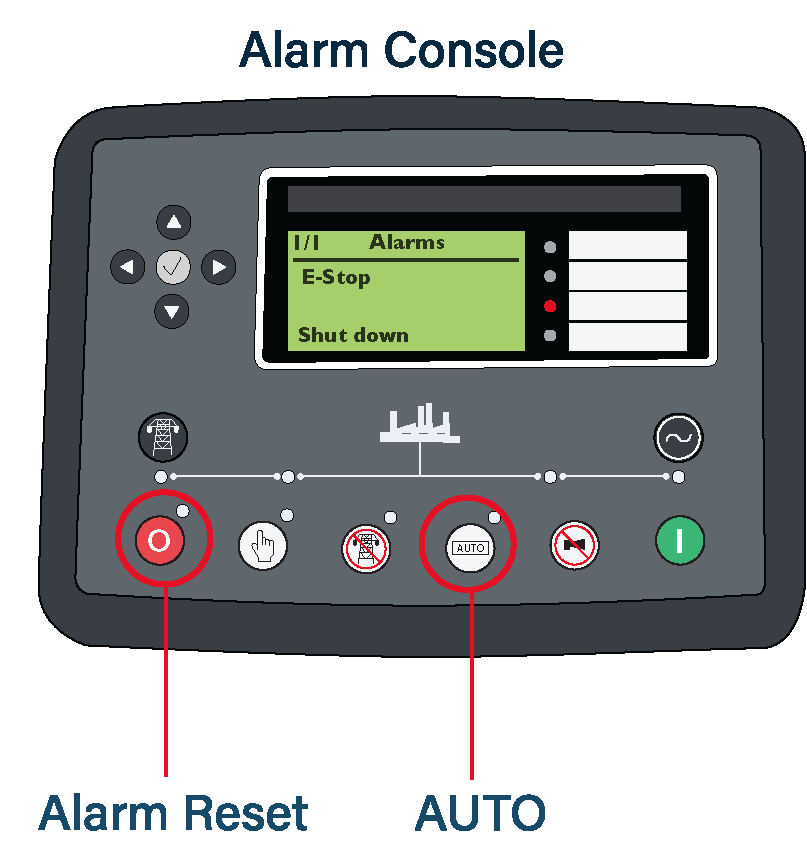
Credit: www.hcienergy.com
Generator Locked Out
Understanding the term “Generator Locked Out” is essential for anyone who relies on generators for power. This concept refers to a safety mechanism that prevents a generator from operating under specific conditions. Recognizing what it means can save you from potential hazards and ensure your equipment functions efficiently.
What Does Generator Locked Out Mean?
Generator Locked Out occurs when a generator is unable to start due to safety protocols. This situation often arises when there is a fault detected in the system, or if the generator has not been properly maintained. It acts as a protective measure to prevent further damage to the machine or the connected equipment.
Common Causes Of Generator Lockout
- Overload Conditions:If the generator is trying to power more devices than it can handle, it may lock out to prevent overheating.
- Low Fuel Levels:Generators require an adequate fuel supply. A low level can trigger a lockout.
- Electrical Faults:Short circuits or grounding issues can activate the safety lockout feature.
How To Resolve A Generator Lockout
First, check the fuel levels and ensure there’s enough fuel in the tank. If you find low fuel, refill it and try restarting the generator.
Next, inspect for any visible electrical issues. Look for damaged wires or connections that may cause faults. Repair these before attempting to start the generator again.
If the generator still remains locked out, consult the user manual or contact a professional technician. They can provide specific guidance tailored to your generator model.
Preventing Generator Lockouts
- Regular Maintenance:Schedule consistent checks on your generator to catch issues early.
- Monitor Load Capacity:Always be aware of how much load your generator can handle.
- Fuel Checks:Regularly check and maintain fuel levels to avoid lockout situations.
Have you ever experienced a generator lockout? Reflect on the challenges it presented. Taking proactive steps can minimize these interruptions and keep your power running smoothly.

Credit: www.youtube.com
Common Causes
Generator lockout happens for various reasons. Common causes include low fuel levels, electrical issues, or overheating. These problems stop the generator from working properly, ensuring safety and preventing damage.
Understanding the common causes of a generator being locked out can help you troubleshoot effectively. Knowing these causes can save you time and frustration when trying to get your generator back online. Here’s a breakdown of the most frequent issues that lead to this problem.
Electrical Overload
Electrical overload is a common culprit. If too many devices draw power simultaneously, the generator may trigger a lockout. This can happen during high-demand situations, like when you connect multiple appliances or tools. Check the total wattage of the devices you are using. Ensure it doesn’t exceed the generator’s capacity.
Faulty Wiring
Faulty wiring can lead to significant issues. Damaged wires or loose connections can disrupt the power flow. This may cause the generator to lock out as a safety measure. Inspect the wiring regularly. Look for frayed or exposed wires. If you’re unsure, consult a professional to assess the situation.
Low Oil Levels
Low oil levels are another common reason for a generator lockout. Generators require adequate lubrication to function properly. Running low on oil can trigger an automatic shutdown to prevent engine damage. Make it a habit to check your oil levels before starting the generator. Keeping the oil topped up can help avoid unexpected lockouts.
Overheating
Overheating can cause your generator to lock out as a protective measure. This often occurs during prolonged use or in high-temperature environments. Ensure your generator has proper ventilation. Clean any debris that may block airflow. If it overheats frequently, consider taking breaks during operation to let it cool down.
Control Panel Issues
Problems with the control panel can also lead to lockouts. Faulty switches or malfunctioning sensors may prevent the generator from operating. Regularly check the control panel for any warning lights or error messages. Address any issues promptly to keep your generator functioning smoothly. Understanding these common causes can help you prevent future lockouts. What steps will you take to ensure your generator runs smoothly?
Safety Mechanisms
Generator safety mechanisms are crucial for protecting users and equipment. These systems prevent accidents and ensure reliable operation. Understanding these mechanisms helps users grasp how generators work safely.
Emergency Shutoff Switch
The emergency shutoff switch stops the generator quickly. It allows users to turn off the power in an emergency. This feature helps prevent accidents and equipment damage.
Overload Protection
Overload protection keeps the generator from working too hard. It automatically shuts down the unit if it exceeds its power limit. This prevents overheating and potential fires.
Ground Fault Circuit Interrupter (gfci)
A Ground Fault Circuit Interrupter detects electrical faults. It cuts off power to prevent shock or electrocution. This is essential for safety in wet or damp conditions.
Low Oil Shutdown
Low oil shutdown stops the generator when oil levels drop. This prevents engine damage due to lack of lubrication. Regular oil checks are vital for smooth operation.
Cooling Systems
Cooling systems maintain a safe operating temperature. They prevent overheating during prolonged use. Proper cooling extends the life of the generator.
Troubleshooting Steps
Generator locked out means the device is unable to operate due to safety measures. This can happen for several reasons, such as overload or maintenance issues. Troubleshooting steps can help identify the cause and restore function.
When your generator is locked out, it can feel overwhelming. Understanding how to troubleshoot the issue is essential for getting your power back on quickly. Here are some straightforward steps to help you identify the problem and find a solution.
Check The Fuel Supply
First, ensure you have enough fuel in your generator. A common mistake is assuming the tank is full when it’s not. – Inspect the fuel gauge: If it’s low, refill it with the appropriate fuel type. – Look for leaks: Check the fuel lines and connections for any signs of leakage. If the fuel supply is adequate, proceed to the next step.
Inspect The Battery
A dead or weak battery is often the culprit behind a locked-out generator. – Test the battery voltage: Use a multimeter to see if it meets the required voltage. – Check for corrosion: Inspect battery terminals for corrosion, which can prevent a proper connection. If the battery shows signs of wear, replace it and try starting the generator again.
Examine The Control Panel
Your generator’s control panel provides essential information. – Look for error codes: Many generators will display error codes that indicate specific issues. Consult your owner’s manual for guidance. – Reset the system: Sometimes, a simple reset can solve the problem. Locate the reset button and press it. If the issue persists, investigate deeper.
Inspect The Circuit Breaker
A tripped circuit breaker can also lock out your generator. – Check for tripped breakers: Look at the generator’s circuit panel. If any breakers are in the off position, flip them back on. – Identify overloads: If the circuit breaker trips again, you may need to reduce the load on the generator. Understanding this step can save you time and frustration.
Consult The Manual
Never underestimate the value of your generator’s manual. – Follow troubleshooting guides: Most manuals include specific troubleshooting steps tailored to your model. – Locate contact information: If all else fails, your manual will provide manufacturer contact details for further assistance. Taking these steps can significantly reduce downtime and get your generator running smoothly again. Have you experienced a generator lockout before? What steps did you find most helpful?
Prevention Techniques
Understanding how to prevent a generator from being locked out is essential for anyone relying on this equipment. A locked-out generator can lead to unnecessary downtime and frustration. Here are some effective techniques to keep your generator running smoothly.
Regular Maintenance Checks
Regular maintenance is vital. Schedule checks every few months to ensure everything is functioning correctly. This includes inspecting the fuel system, battery condition, and electrical connections.
- Replace fuel filters as needed.
- Check oil levels and change oil regularly.
- Inspect belts and hoses for wear.
Have you ever experienced a generator failure during a crucial time? Routine checks can prevent those moments of panic.
Proper Load Management
Understanding your generator’s capacity is crucial. Avoid overloading it, as this can lead to overheating and potential lockouts. Always calculate your total power needs before connecting devices.
- List all devices you plan to power.
- Check their wattage requirements.
- Ensure the total does not exceed your generator’s capacity.
Being mindful of load can save you from unexpected shutdowns. Have you calculated your load recently?
Use Quality Fuel
The type of fuel you use matters. Always opt for high-quality fuel to prevent clogs and other issues. Poor fuel quality can lead to engine problems and lockouts.
Consider storing fuel in a clean, sealed container to keep it fresh. Have you ever wondered how fuel quality affects generator performance?
Invest In Monitoring Systems
Monitoring systems can alert you to potential issues before they escalate. These systems track performance and notify you of any irregularities. Investing in one can save you time and stress.
Have you thought about how technology can enhance your generator’s reliability? A small investment now can lead to significant savings later.
By adopting these prevention techniques, you can keep your generator operational and avoid the frustration of being locked out. Prioritize maintenance, manage loads wisely, use quality fuel, and consider monitoring systems. Your generator will thank you for it!
Importance Of Regular Maintenance
Regular maintenance of generators is crucial. It keeps them running smoothly. A well-maintained generator can prevent many issues. One such issue is being locked out.
Generator lockout means the generator cannot start. This can happen due to various reasons. Regular checks help avoid this problem. They ensure all parts function correctly.
Prevents Unexpected Breakdowns
Regular maintenance prevents unexpected breakdowns. It reduces the chances of generator lockout. Technicians can spot issues early. Fixing small problems saves time and money.
Enhances Longevity
Generators are a big investment. Regular maintenance extends their lifespan. A longer lifespan means more value for your money. It also ensures reliability when you need it most.
Improves Efficiency
A well-maintained generator runs more efficiently. It uses less fuel and produces less waste. This efficiency leads to lower operating costs. Regular maintenance helps keep performance high.
Ensures Safety
Safety is vital when using generators. Regular checks reduce risks of accidents. A locked-out generator can pose safety hazards. Maintenance ensures everything works safely.
Maintains Warranty Compliance
Many generators come with warranties. Regular maintenance keeps warranties valid. It is essential to follow the manufacturer’s guidelines. This protects your investment in the long run.
Expert Assistance
Understanding generator lockouts can be confusing. Seeking expert help is wise. Professionals can explain the technical details clearly. They can also provide practical solutions tailored to your needs.
Why Choose Expert Help?
Experts have the right knowledge and tools. They know how to handle generator issues safely. This reduces risks for you and your equipment. Their experience saves time and effort.
What To Expect From Professionals?
Professionals will assess your generator’s condition first. They will identify the cause of the lockout. Next, they will provide a detailed report. This report includes necessary repairs or adjustments.
Cost Of Expert Assistance
Costs vary based on the service needed. Simple checks may cost less. Complex repairs may require a larger budget. Always ask for a quote before starting any work.
Finding The Right Expert
Look for certified technicians with good reviews. Local service providers often understand common issues. Check their credentials and experience before hiring.
Preventive Measures
Experts can also help you with preventive measures. Regular maintenance can reduce future lockouts. They can guide you on best practices for your generator.
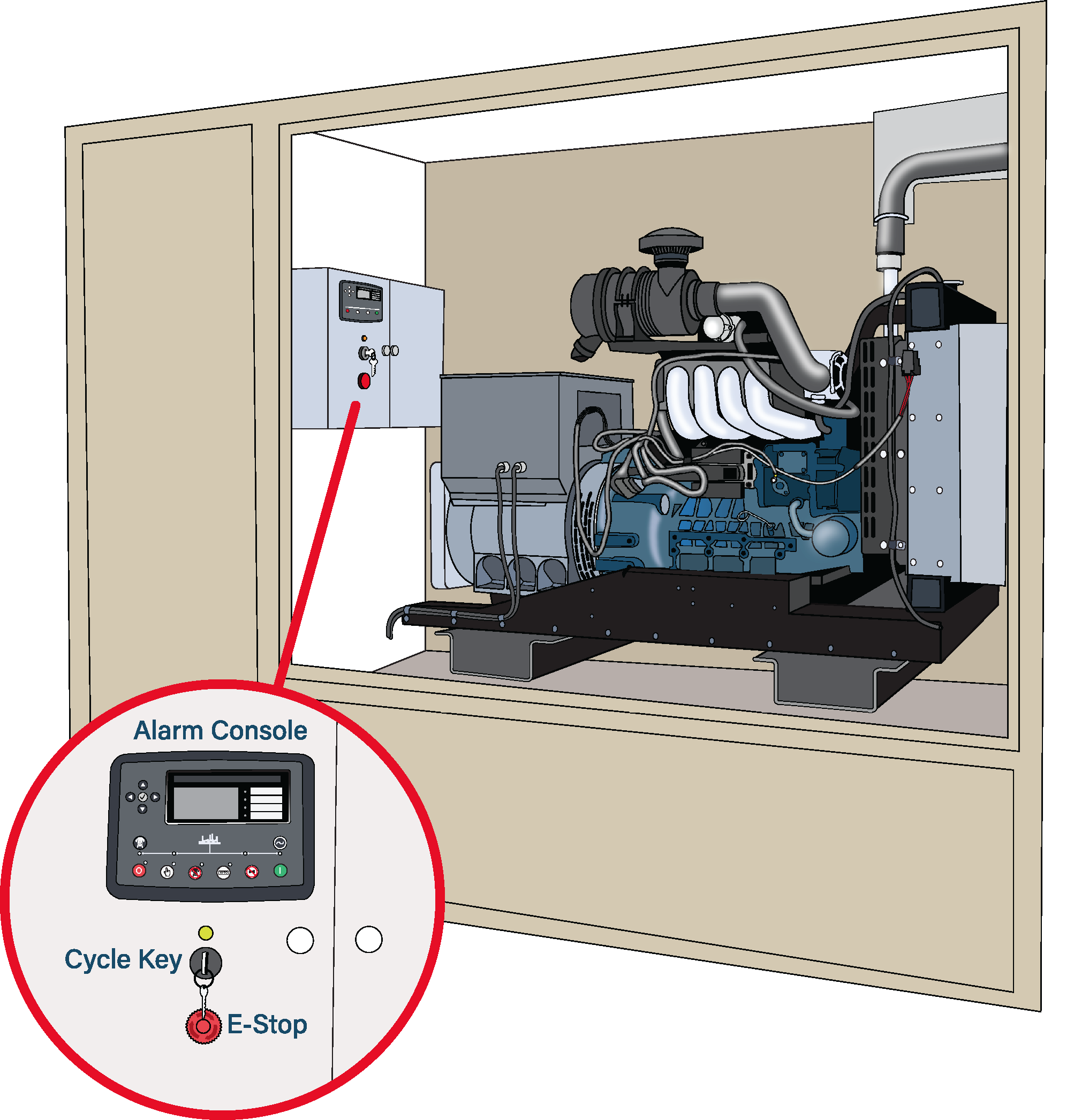
Credit: www.hcienergy.com
Frequently Asked Questions
What Does Generator Locked Out Mean?
Generator locked out refers to a safety feature designed to prevent accidental operation. This condition can occur when maintenance is ongoing or when there is a mechanical issue. It ensures that the generator remains inactive until it is safe to operate again.
Understanding this term is crucial for safe generator usage.
Why Does A Generator Get Locked Out?
Generators may get locked out for various reasons. Common causes include maintenance procedures, mechanical failures, or safety protocol activations. Lockouts are essential to protect both the equipment and the personnel working on it. Always consult your generator’s manual for specific lockout procedures and troubleshooting steps.
How To Unlock A Generator Safely?
To unlock a generator, first identify the lockout condition. Ensure that it is safe to operate and that maintenance is complete. Follow the manufacturer’s guidelines for resetting the lockout mechanism. Always prioritize safety and double-check that all systems are functioning properly before restarting.
Is A Locked-out Generator Dangerous?
A locked-out generator itself is not dangerous. It is a safety measure designed to prevent accidental start-up during maintenance. However, improperly handled lockouts can pose risks. Always follow safety protocols to ensure the safe operation of your generator when unlocking it.
Conclusion
Understanding “Generator Locked Out” is important for safe operation. It means the generator cannot run due to a problem. This situation often happens to protect the machine and users. Knowing the signs can help you act quickly. Always check the manual for troubleshooting tips.
Regular maintenance also helps prevent lockouts. Stay aware of your generator’s condition. This knowledge ensures it works smoothly when you need it. Keep your generator in good shape for reliable power.