

If you have a 200 amp electrical service in your home, you might be wondering: what size generator do you really need? Choosing the right generator isn’t just about matching numbers—it’s about making sure your power stays steady when the grid goes down.
You want to keep your lights on, your fridge running, and your important devices safe without overpaying or risking overload. You’ll learn exactly how to figure out the generator size that fits your 200 amp service perfectly. By the end, you’ll feel confident in making a smart, efficient choice that keeps your home powered through any outage.
Ready to find the right generator for your needs? Let’s dive in.

Credit: www.powerequipmentdirect.com
Generator Basics
Choosing the right generator size for a 200 amp service starts with understanding generator basics. A generator converts fuel into electrical power. It provides backup power when the main power fails.
Generators come in many sizes. They range from small portable units to large standby systems. Each size fits different power needs. Knowing key terms helps in selecting the right generator.
What Is A 200 Amp Service?
A 200 amp service means your home’s electrical panel can handle 200 amps of current. This is common in many homes. It supports many appliances and devices at once. The generator must supply enough power for this load.
Running Watts Vs. Starting Watts
Running watts are the power needed to keep an appliance running. Starting watts are higher. Appliances with motors like refrigerators need extra power to start. This surge can be twice the running watts. Your generator must handle both.
Why Generator Size Matters
A generator too small will overload and shut down. Too large wastes money and fuel. The right size runs efficiently and safely. It powers all needed appliances without strain. Correct sizing extends generator life.
200 Amp Service Explained
A 200 amp service is a common electrical service size for many homes. It means the main electrical panel can handle up to 200 amps of current. This size supports most household appliances and devices safely.
Understanding 200 amp service helps to choose the right generator size. It ensures the generator can supply enough power during an outage.
What Is 200 Amp Service?
200 amp service refers to the main electrical panel’s capacity. It controls the total electricity entering a home. This service size allows many appliances to run without tripping breakers.
Why Choose 200 Amp Service?
Many modern homes need 200 amp service due to increased power use. Air conditioning, heating, and electronics require more electricity. This service size supports larger loads safely and efficiently.
How Does 200 Amp Service Affect Generator Size?
The size of your generator depends on your 200 amp service load. A generator must handle the total wattage of appliances running at once. It also needs to cover the extra power for starting motors.
Choosing a generator that matches your service size prevents overloads. It keeps your home powered and safe during outages.
Calculating Power Needs
Calculating your power needs is essential before choosing a generator for 200 amp service. It helps ensure the generator can handle your home’s electrical load safely. Understanding watts and how to total them prevents buying a generator that is too small or too large. This section breaks down the key factors to consider when estimating your power requirements.
Running Watts
Running watts are the continuous power your appliances need to operate. This power level is what the appliance uses after starting up. Find this number on the appliance label or in the manual. If only voltage and amps are given, multiply them to get watts (Watts = Volts × Amps). Add the running watts of all devices you plan to use at the same time.
Starting Watts
Starting watts are the extra power needed to start motors or compressors. Appliances like refrigerators and air conditioners require more power at startup. This surge can be two to three times the running watts. Identify the highest starting wattage among your appliances. Add this to the total running watts to find your peak power need.
Appliance Wattage
List every appliance you want to power with the generator. Check each for running and starting wattage. This information is usually on labels or in the user manuals. Include lights, kitchen appliances, HVAC systems, and electronics. Accurate wattage data helps you select a generator that meets your home’s full load.
Listing Your Appliances
Listing your appliances is the first step to find the right generator size. Knowing each appliance’s power needs helps avoid buying a generator that is too small or too big.
Create a detailed list of all the appliances you want to run during a power outage. Include items like refrigerators, air conditioners, lights, and heaters.
This list guides you to calculate the total power needed for your 200 amp service.
Identify Each Appliance’s Running Wattage
Check the label or manual of each appliance for its running wattage. This number shows how much power the appliance uses continuously.
If you only see amps and volts, multiply them to get watts (Watts = Volts × Amps). Write down this value for every device.
Note Starting Wattage For Motors And Compressors
Appliances with motors, like refrigerators and air conditioners, need extra power to start. This is called starting wattage or surge wattage.
Find the starting wattage on the appliance label or manual. This number is higher than running wattage and must be included in your calculation.
Sum Running Wattages Of All Appliances
Add together the running wattages of all devices you plan to operate at the same time. This total shows the steady power your generator must supply.
Add The Highest Starting Wattage
Find the appliance with the largest starting wattage. Add this number to the total running wattage to cover the surge power needed at startup.
Choose A Generator With Adequate Wattage
Select a generator that offers a wattage rating equal to or higher than your total calculated power. This ensures your generator can handle all appliances safely.
Surge Vs Continuous Power
Choosing the right generator for a 200 amp service means understanding power needs. Two key power types matter: surge power and continuous power. Knowing the difference helps avoid buying a generator that is too small or too big.
Surge power is the extra energy required when an appliance starts. Continuous power is the steady energy needed to keep running appliances on. Both affect the size of the generator you need.
What Is Surge Power?
Surge power is a short burst of extra electricity. Appliances with motors or compressors need this to start up. For example, refrigerators and air conditioners use surge power at startup.
This power can be two to three times more than the running power. A generator must handle this surge to prevent tripping or damage. Without enough surge power, appliances may fail to start.
What Is Continuous Power?
Continuous power is the amount of energy needed all the time. It keeps appliances running smoothly after starting. This power level is steady and consistent.
The generator size should match or exceed the total continuous power of all devices running at once. If not, the generator may overload or shut down.
Why Both Matter For A 200 Amp Service
A 200 amp service can support many appliances and devices. Each device has running watts and surge watts. Adding these helps find the total power needs.
Choosing a generator means checking both surge and continuous power ratings. A generator with enough surge power will start all appliances. Enough continuous power will keep everything running.
Ignoring surge power can cause starting problems. Ignoring continuous power can cause overload. Both must be balanced for reliable power backup.
Fuel Types And Efficiency
Choosing the right fuel type affects a generator’s efficiency and running cost. Different fuels burn differently and impact performance. Understanding fuel types helps pick a generator that fits your 200 amp service needs.
Fuel efficiency means using less fuel to produce the same power. Efficient generators save money and reduce refueling frequency. Fuel availability also matters, especially during long power outages.
Gasoline Generators
Gasoline is common and easy to find. These generators start quickly and run smoothly. They work well for short-term use and smaller power needs. Gasoline burns faster, so these generators may need more fuel.
Propane Generators
Propane burns cleaner than gasoline. It produces fewer emissions and lasts longer in storage. Propane generators often run quieter and need less maintenance. They may cost more but offer better long-term value.
Diesel Generators
Diesel fuel is dense and highly efficient. Diesel generators provide strong power for heavy loads. They last longer and handle continuous use well. Diesel engines may be louder and need regular servicing.
Natural Gas Generators
Natural gas is convenient and often cheaper than other fuels. These generators connect directly to gas lines for continuous supply. They run clean and require less fuel storage. Efficiency depends on gas pressure and quality.
Whole-house Or Partial Backup
Choosing the right generator size for a 200 amp service depends on backup needs. Whole-house and partial backup are two common options. Each serves different purposes and affects generator size.
Whole-house backup powers your entire home during outages. It keeps all appliances and systems running. Partial backup powers only essential circuits. This option saves fuel and reduces generator size.
Whole-house Backup
Whole-house backup needs a larger generator. It must handle the total load of your home. This includes lights, HVAC, kitchen appliances, and more. A 200 amp service can require a generator rated between 20,000 to 30,000 watts. This size ensures all systems run smoothly without overload.
This setup offers maximum comfort and convenience. Power stays on everywhere in your house. It suits homes with many electric appliances or central air conditioning.
Partial Backup
Partial backup supports only critical circuits. Examples include the refrigerator, a few lights, and medical equipment. This option reduces the generator size needed.
Generators for partial backup often range from 5,000 to 10,000 watts. It cuts fuel costs and noise. This setup is good for smaller homes or those with fewer power needs.
Partial backup keeps essentials running. It helps save money while still providing safety during outages.
Adding Future Power Needs
Planning for future power needs is important when choosing a generator for 200 amp service. Your home’s energy use may grow over time. New appliances or electrical systems can increase power demand. A generator that meets only current needs might not be enough later.
Choosing a generator with extra capacity helps avoid frequent upgrades. It also ensures your home stays powered during outages. Consider possible additions like electric vehicles, heating systems, or workshop tools. Estimating future power use keeps your generator size practical and efficient.
Assessing Planned Home Upgrades
Think about any new appliances or systems you may add. An extra refrigerator, air conditioner, or electric heater can raise power needs. Upgrading to an electric car charger is another big power user. List all possible new devices to estimate their wattage.
This helps calculate the total wattage your generator must handle. Adding these future loads prevents under-sizing your generator.
Allowing Capacity For Increased Load
Choose a generator with at least 20% more capacity than your current total load. This margin covers unexpected increases in power use. It also handles the starting surge wattage of motor-driven appliances. A generator with extra capacity runs more efficiently and lasts longer.
Planning For Emergency And Peak Usage
Generators must support peak power demand during outages. Emergency equipment like sump pumps or medical devices need reliable power. Peak usage may exceed normal daily consumption. Ensure your generator can handle these spikes without overload.
This prevents power interruptions and protects your appliances.
Generator Sizing Tips
Choosing the right generator size is key for a 200 amp service. Proper sizing ensures your home or business gets enough power without wasting energy. It also protects your equipment and helps the generator last longer. Use these generator sizing tips to find the best fit for your needs.
Calculate Total Running Watts
List all appliances you want to power at the same time. Check each appliance’s running wattage on its label or manual. Add all running watts together for a total power need.
Include Starting Wattage
Some appliances need extra power to start. This is called starting or surge wattage. Find the highest starting wattage among your appliances. Add this to the total running watts.
Use The Watts Formula
If you only have amps and volts, multiply them to get watts. Watts = Volts x Amps. This helps estimate power use for appliances without watt labels.
Choose A Generator With Extra Capacity
Pick a generator with a watt rating above your total needs. This prevents overload and allows for power surges. A 200 amp service usually needs a generator around 20,000 watts or more.
Consider Future Power Needs
Think about adding new appliances later. Choose a generator that can handle more than today’s load. This saves money and hassle in the long run.
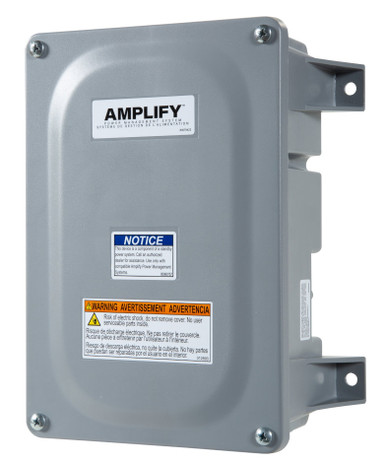
Credit: norwall.com
Common Generator Sizes
Choosing the right generator size for a 200 amp service depends on understanding common generator sizes. Generators come in various capacities to meet different power needs. Knowing these sizes helps match your home’s requirements accurately.
Generators are rated by their power output in watts or kilowatts. The size you pick must handle the total load of your home’s electrical system. This includes running all appliances and devices safely without overloading the generator.
5,000 To 7,500 Watts Generators
These generators are common for small homes or partial backup power. They can run essential appliances like refrigerators, lights, and a few outlets. They usually cannot support full 200 amp service but are good for limited power needs.
10,000 To 15,000 Watts Generators
This size can power most of a typical household. It supports multiple appliances and systems at once, including air conditioning units. Many 200 amp service homes use generators in this range for balanced coverage.
20,000 Watts And Above Generators
Generators of 20,000 watts or more can handle full 200 amp service loads. They supply power to all home circuits, including heavy equipment. These are ideal for large homes or homes with high energy demands.
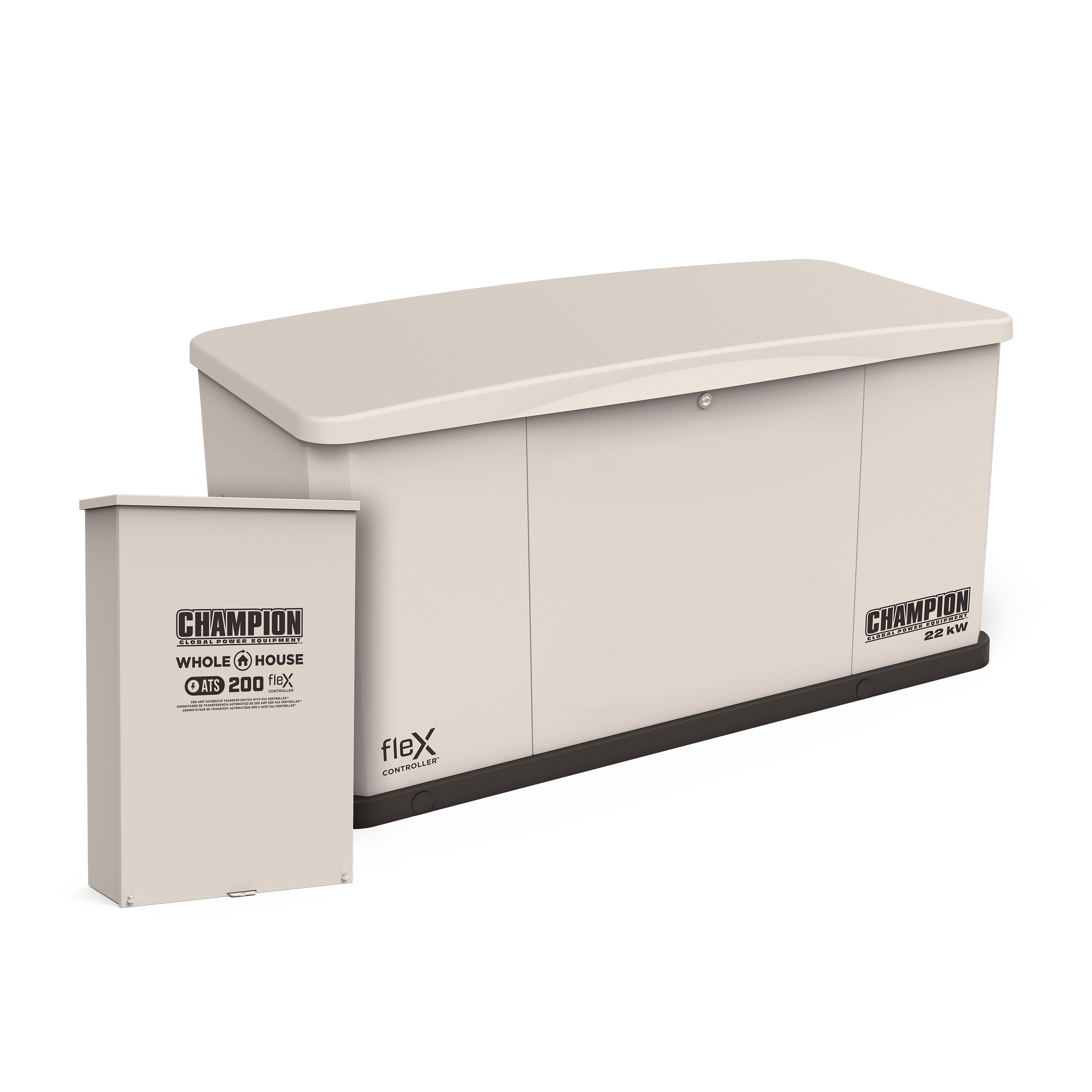
Credit: www.championpowerequipment.com
Frequently Asked Questions
How Big Of A Generator Do I Need For A 200 Amp House?
A 200 amp house typically needs a 10,000 to 12,000-watt generator. Calculate total running and starting watts of appliances. Choose a generator that meets or exceeds this total for reliable power supply.
How Big Of A Generator To Run A 200 Amp Welder?
A 200 amp welder typically requires a generator rated at least 15,000 watts. Ensure the generator handles both running and surge wattage for safe operation.
How Do I Calculate What Size Generator I Need?
Add the running watts of all appliances used simultaneously. Then add the highest starting wattage of any single appliance. Choose a generator with a wattage rating equal to or above this total. This ensures your generator meets both continuous and startup power needs effectively.
How Many Watts Does It Take To Run A 200 Amp Panel?
A 200 amp panel typically requires about 48,000 watts (200 amps x 240 volts). Actual wattage depends on connected load.
What Size Generator Is Needed For A 200 Amp Service?
A 200 amp service usually requires a generator of 7,500 to 10,000 watts capacity.
How To Calculate Generator Size For 200 Amp Electrical Panel?
Add up running watts of all appliances and add the highest starting watt wattage.
Can A 10,000-watt Generator Handle A 200 Amp Home?
Yes, a 10,000-watt generator can power most 200 amp homes under normal loads.
What Appliances Affect Generator Size For 200 Amp Service?
Air conditioners, refrigerators, water heaters, and electric ovens require higher generator capacity.
Is A 200 Amp Generator Different From A 200 Amp Service?
Yes, generator size depends on wattage needs, not just the amperage rating of service.
How Many Watts Does A 200 Amp Service Require?
Approximately 48,000 watts max, but typical generator size is much lower due to load diversity.
Conclusion
Choosing the right generator size for a 200 amp service is essential. Calculate the total wattage of all devices you plan to run. Remember to add extra power for appliances that need a surge at startup. Pick a generator that meets or exceeds this total wattage.
This ensures your home stays powered safely and efficiently. A properly sized generator helps avoid overloads and keeps your electrical system stable. Take your time with calculations for the best results. Power your home with confidence and peace of mind.