
When the power goes out, your furnace is one of the most important appliances to keep running—especially during cold nights. But how do you make sure your generator can handle it?
Choosing the right size generator to run your furnace is key to staying warm and safe without wasting money on too much power. You’ll discover exactly what size generator you need, how to figure it out based on your furnace type, and simple steps to ensure your home stays cozy no matter what.
Keep reading to avoid costly mistakes and get peace of mind when the lights go out.
Types Of Furnaces
Furnaces come in different types, each with unique power needs. Knowing the furnace type helps pick the right generator size.
Some furnaces use gas or propane for heat but need electricity to run parts. Others use only electricity to create heat.
Gas Or Propane Furnace
This furnace burns gas or propane to produce heat. It uses electricity for the blower motor, ignitor, and control systems.
It needs less electrical power than electric furnaces but still requires a generator that can handle startup surge.
Electric Furnace
Electric furnaces rely entirely on electricity for heating elements and the fan. They consume much more power than gas furnaces.
A generator for an electric furnace must support higher running watts and a strong surge capacity at startup.
Dual Fuel Furnace
Dual fuel furnaces combine gas heat with electric heat pumps. They switch between power sources for efficiency.
Generators for dual fuel systems should cover both electrical and gas components during power outages.
Credit: www.jackery.com
Power Needs Of Gas Furnaces
Gas furnaces use natural gas or propane to produce heat. They still require electricity to run some parts. These parts include the blower motor, ignitor, and control system. Knowing the power needs helps pick the right generator size.
Electricity powers the blower motor that circulates warm air. The ignitor lights the gas burner. The controls manage the furnace’s functions. Each part needs a certain amount of watts to operate.
Generators must handle both the running watts and the surge watts. Surge watts are higher power needed at startup. The blower motor draws more power when it starts than while running.
Running Watts Of A Gas Furnace
Running watts are the power needed to keep the furnace on. Most gas furnaces use between 600 and 1200 running watts. This amount powers the blower motor and control board.
Smaller furnaces use less power. Larger models or those with variable speed motors use more. Check the furnace label or manual to find exact running watts.
Starting Watts (surge Watts) Of A Gas Furnace
Starting watts are extra power needed to start the blower motor. This surge can be two to three times the running watts. For example, a furnace using 800 running watts might need 1600 to 2400 surge watts.
Generators must supply this extra power briefly. Without enough surge watts, the blower motor may fail to start. This can cause the furnace to shut down or run poorly.
Other Electrical Components In A Gas Furnace
Besides the blower motor and ignitor, the furnace has electronic controls. These need small amounts of power, usually under 100 watts. They run continuously while the furnace operates.
Some modern furnaces have additional features like electronic air cleaners or humidifiers. These add to the overall power needs. Include them when calculating total watts.
Power Needs Of Electric Furnaces
Electric furnaces need a steady and strong power supply to run properly. They use electricity to heat the air and to power the fan that blows warm air into your home. Understanding the power needs of an electric furnace helps you choose the right generator size. This ensures the furnace runs smoothly during power outages.
The total power requirement includes both the heating elements and the blower motor. These parts work together but have different power demands. The heating elements use the most electricity, while the blower motor needs less but still important power.
Running Watts Of Electric Furnaces
The running watts is the continuous power the furnace needs to operate. Electric furnaces usually require between 7,000 and 15,000 running watts. The exact number depends on the furnace size and model. Check the furnace label or manual for specific wattage information.
Starting Watts Or Surge Watts
Starting watts are higher than running watts. This power surge happens when the blower motor starts. The motor needs extra power to get moving. Surge watts can be 2 to 3 times the running watts. A generator must handle this extra load to prevent shutting off.
Power Factor And Efficiency
Electric furnaces may have different power factors. This means the actual power used can be less than the electrical power supplied. Efficiency ratings affect how much electricity the furnace needs to produce heat. Higher efficiency means less power use but can still require a strong generator.
Other Electrical Loads
The furnace control system also uses electricity. Controls include thermostats, safety switches, and ignition systems. These parts need a small but steady power supply. The total generator size must cover these loads as well as the main heating parts.
Starting Vs Running Watts
Understanding the difference between starting watts and running watts is key to choosing the right generator size for your furnace. Starting watts are the extra power needed to start the furnace motor. Running watts are the continuous power the furnace uses while operating.
Generators must supply enough starting watts to handle the initial power surge. Without this, the generator may overload and shut down. Running watts are usually lower but must be sustained for the furnace to work properly.
What Are Starting Watts?
Starting watts, also called surge watts, are the extra energy needed to start electric motors. Furnaces have motors for blowers and ignitors. These motors draw more power at startup than during normal operation. The generator must supply this higher wattage briefly to start the furnace.
What Are Running Watts?
Running watts refer to the power the furnace needs to keep running after startup. This includes energy for the blower motor, control board, and other components. Running watts remain steady while the furnace operates.
Why Starting Watts Matter For Furnace Generators
Furnace motors need a burst of power to start. If the generator cannot provide enough starting watts, the furnace will not start properly. This can cause the generator to trip or damage the furnace. Choosing a generator with sufficient starting watts avoids these issues.
How To Find Your Furnace’s Starting And Running Watts
Check the furnace label, manual, or manufacturer website for wattage information. Look for both running watts and starting watts or surge watts. If not listed, estimate starting watts as 2 to 3 times the running watts for motor-driven parts.
Finding Furnace Wattage
Determine your furnace’s wattage by checking its label or manual for running and starting watts. Gas furnaces need less power than electric ones. Choose a generator that covers the highest starting wattage to keep your furnace running smoothly.
Knowing the wattage of your furnace helps pick the right generator size. Furnaces use power to run fans, ignitors, and controls. Gas and electric furnaces differ in their power needs.
Gas furnaces mainly use electricity for the blower motor and control systems. Electric furnaces use electricity for heating and the fan. This means electric furnaces require more power than gas ones.
Check The Furnace Label Or Manual
Look for a label on the furnace or check the owner’s manual. The label shows running watts and starting watts (sometimes called surge watts). Starting watts are higher because the motor needs extra power to start.
If you cannot find the label or manual, visit the manufacturer’s website. Many brands list wattage information online for each model.
Calculate Running And Starting Watts
Running watts show the power your furnace uses during normal operation. Starting watts show the extra power needed to start the motor or ignitor.
Always use the higher starting watts number to size your generator. This ensures the generator can handle the power surge when the furnace turns on.
Consider Other Appliances
Think about other devices you want to run with the furnace. Generators should handle total wattage of all appliances running at once.
Adding refrigerator or lights to your furnace load means choosing a larger generator. Add all running watts and starting watts for accurate sizing.
Credit: newriverheatingandair.com
Calculating Generator Size
Calculating the right generator size for your furnace is important. It ensures your furnace runs smoothly during a power outage. You must know the power needs of your furnace before choosing a generator.
Furnaces use electricity differently depending on their type. Gas furnaces need electricity only for the blower motor and controls. Electric furnaces use electricity for heating and the fan, so they need more power. Knowing these details helps to pick the correct generator size.
Identify Your Furnace Type
First, find out if your furnace is gas or electric. Gas furnaces use fuel to create heat but need electricity for parts like the blower. Electric furnaces rely fully on electricity to heat your home. This difference changes the generator size you need.
Check Running And Starting Watts
Look at your furnace’s manual or nameplate for power ratings. Find running watts, which is the power needed to keep the furnace on. Check starting watts, also called surge watts, which is the extra power needed when the furnace starts. The generator must handle both.
Calculate Total Power Needs
Add the starting watts to the running watts for total power demand. For example, a gas furnace might need 600 running watts and 1200 starting watts. The generator should support the higher starting watt value to prevent overload.
Consider Other Appliances
Think about other devices you want to run with the furnace. If you need to power lights or a refrigerator, add their wattage to the total. This step ensures your generator can supply enough power for all appliances during an outage.
Generator Types For Furnaces
Choosing the right generator for your furnace depends on the type of furnace you have. Different furnaces need different amounts of power. Knowing the generator types helps you pick one that runs your furnace smoothly. This also protects the generator from damage caused by overloads.
Portable Generators
Portable generators are small and easy to move. They use gasoline or propane as fuel. These generators work well for gas furnaces with low power needs. They can power the furnace blower and controls during outages. Portable generators are budget-friendly but might not supply enough power for electric furnaces.
Inverter Generators
Inverter generators produce clean, stable power. They are quieter and more fuel-efficient than portable models. Inverter generators are good for sensitive electronics and furnace controls. They provide steady power needed for gas or electric furnaces. These generators are often lightweight and easy to transport.
Standby Generators
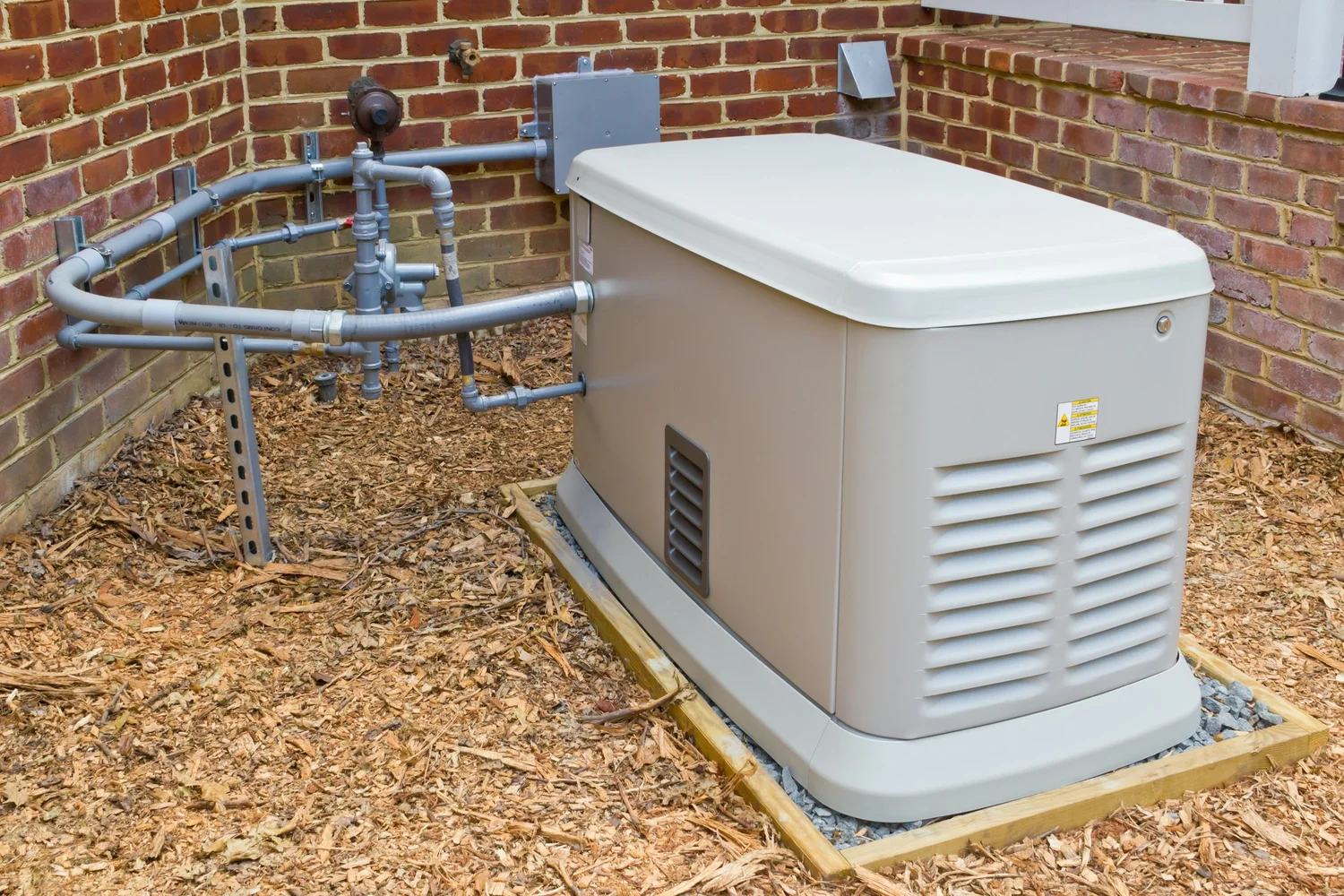
Standby generators are permanently installed outside your home. They run on natural gas or propane. These generators start automatically during a power outage. Standby generators can power whole-house systems, including large electric furnaces. They offer reliable and continuous power without manual setup.

Credit: weather.com
Generator Capacity For Multiple Appliances
Choosing the right generator capacity matters when running multiple appliances. A furnace alone needs a certain power level, but adding other devices changes the total load. This means the generator must handle all appliances at once without overload. Planning helps avoid power shortages and protects your equipment.
Calculating Total Wattage For Appliances
Start by listing all appliances you want to run. Find each appliance’s running and starting wattage. Add the running watts to get the continuous power needed. Add the highest starting wattage for surge power. This total shows the minimum generator size you need.
Considering Furnace Power Requirements
Gas furnaces use electricity for the blower and controls, so check their wattage. Electric furnaces need more power because they heat with electricity. Always use the furnace’s manual or label to find exact wattage. Include these numbers in your total wattage calculation.
Allowing Extra Capacity For Safety
Generators should have extra capacity above the total wattage. A 20% to 25% margin prevents overload during power surges. This margin helps the generator run smoothly and lasts longer. Choose a generator slightly bigger than your total calculated watts.
Examples Of Multiple Appliance Loads
Running a furnace, refrigerator, and lights needs more power. For example, a gas furnace might need 1,000 watts, a fridge 700 watts, and lights 300 watts. Total running watts would be around 2,000. Add surge watts, and a 2,500-watt generator would be safe.
Safety Tips For Generator Use
Using a generator to power your furnace requires careful attention to safety. Generators produce electricity but can also pose risks if handled incorrectly. Follow these safety tips to protect yourself and your home.
Proper use helps avoid accidents such as fires, electric shocks, and carbon monoxide poisoning. Knowing how to operate your generator safely ensures reliable power during outages.
Place Generator Outdoors Only
Always run your generator outside. Keep it far from doors and windows. This prevents dangerous fumes from entering your home. Never use a generator in a garage or enclosed space.
Use Proper Extension Cords
Choose heavy-duty extension cords rated for outdoor use. The cords should match the generator’s power output. Avoid using damaged or frayed cords to reduce fire risk.
Keep Generator Dry
Protect your generator from rain or snow. Operate it on a dry surface under a canopy if possible. Water can cause electric shock or damage the unit.
Turn Off Furnace Before Connecting
Switch off your furnace before linking it to the generator. This prevents electrical surges that can harm the furnace or generator. Turn the furnace back on after the connection is secure.
Check Fuel Supply Regularly
Maintain enough fuel to run the generator safely. Store fuel in approved containers away from the generator. Refuel only when the generator is off and cooled down.
Install Carbon Monoxide Detectors
Place carbon monoxide alarms inside your home. This alerts you to dangerous gas buildup. Generators produce carbon monoxide, which is odorless and deadly.
Cost And Efficiency Considerations
Choosing the right generator size to run a furnace depends on cost and efficiency factors. These elements affect both the initial investment and the ongoing expenses. Balancing power needs with budget helps avoid overspending or undersizing.
Efficiency impacts how much fuel the generator uses. A more efficient generator saves money over time. It also reduces noise and emissions, making it better for home use.
Initial Cost Of Generators
Generators vary widely in price depending on size and brand. Smaller models that just power a furnace cost less upfront. Larger generators that support more appliances demand a higher initial cost. Consider your budget and power needs carefully before buying.
Fuel Consumption And Operating Costs
Fuel type affects operating expenses. Gasoline generators are common but may cost more to run. Propane and diesel options can be more fuel-efficient. Look for a generator with a good runtime per gallon to save money.
Efficiency Ratings And Power Output
Generators come with efficiency ratings that indicate how well they convert fuel into power. Higher-rated models use less fuel for the same output. Check the wattage requirements of your furnace. Match the generator’s power output to these needs to avoid waste.
Long-term Maintenance Expenses
Regular maintenance keeps generators running efficiently. Maintenance costs vary by model and fuel type. Some require more frequent oil changes or filter replacements. Factor these costs into your decision to ensure budget accuracy over time.
Frequently Asked Questions
Will A 5000 Watt Generator Run A Furnace?
A 5000 watt generator can run most gas furnaces, powering the blower and controls. Electric furnaces need larger generators due to higher power use. Check your furnace’s wattage requirements to confirm compatibility.
Can I Run My Furnace With A Generator?
Yes, you can run your furnace with a generator. Choose a generator that meets your furnace’s starting and running wattage. Check the furnace’s label for exact power needs. Gas furnaces need less power than electric ones. Ensure the generator supports your furnace’s blower motor and controls safely.
Can A 2000w Generator Run A Furnace?
A 2000W generator can run a gas furnace blower but may not power electric furnaces. Check your furnace’s startup and running wattage to confirm compatibility.
Will A 7500 Watt Generator Run An Electric Furnace?
A 7500 watt generator can run an electric furnace if the furnace’s starting and running watts are below this limit. Check your furnace’s wattage requirements to ensure compatibility.
What Size Generator Is Needed To Run A Gas Furnace?
A 1500 to 2000-watt generator usually powers a gas furnace blower and controls.
How Many Watts Does A Typical Electric Furnace Require?
Electric furnaces need 10,000 to 15,000 watts due to heating elements and fans.
Can A Small Generator Run Both Furnace And Refrigerator?
A 3000 to 4000-watt generator can handle a furnace plus a fridge together.
What Is Starting Watts Versus Running Watts For A Furnace?
Starting watts are higher power needed at startup; running watts are steady operating power.
How To Find My Furnace’s Wattage Requirements?
Check the furnace label, manual, or manufacturer’s website for wattage details.
Is It Safe To Run A Furnace On A Portable Generator?
Yes, with proper setup and enough power, a generator safely runs a furnace.
Conclusion
Choosing the right generator size ensures your furnace runs smoothly during outages. Gas furnaces need less power than electric ones. Check your furnace’s watt requirements before buying a generator. A slightly larger generator handles startup surges well. Don’t forget to factor in other devices you want to power.
Proper planning keeps your home warm and safe. A good generator size means comfort without stress. Keep your home cozy, even when the power goes out.