
When it comes to power outages, having a generator can make all the difference. But before you rush out to buy one, there are several important factors to consider.
This decision can impact your comfort, safety, and even your budget. You don’t want to end up with a generator that doesn’t meet your needs or one that’s too complicated to use. We’ll break down the key elements to think about before making your purchase.
Whether it’s the size, type, or features, understanding what suits you best will ensure you make a smart investment. Stay with us as we guide you through these considerations, so you can find the perfect generator for your home. Don’t miss out on essential tips that can save you time and money!

Credit: www.youtube.com
Types Of Generators
Choosing the right generator involves several important factors. Think about your power needs and the generator’s fuel type. Consider portability, noise level, and budget as well. Understanding these aspects will help you make a better decision.
Understanding the different types of generators is crucial before making a purchase. Each type serves unique needs and situations. Knowing what’s available will help you choose the best option for your lifestyle or emergency preparedness.Portable Models
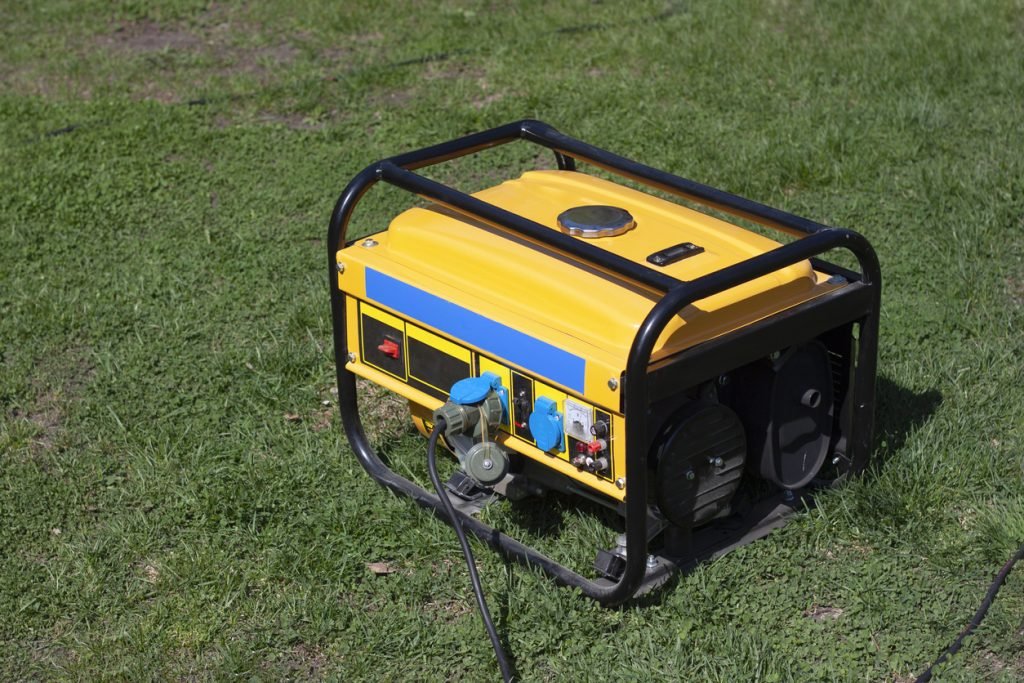
Portable generators are versatile and easy to move around. They are ideal for outdoor activities like camping or tailgating, and they can also provide backup power during outages. These generators typically run on gasoline and can power essential appliances such as refrigerators, lights, and electronics. Look for models that have a power output suitable for your needs, often measured in watts. Consider the weight and size of the generator. If you plan to transport it frequently, lightweight options with convenient handles are more practical.Standby Systems
Standby generators are permanently installed and automatically kick in during power failures. This type offers peace of mind, as you don’t have to worry about manually starting it in an emergency. They are powered by natural gas or propane, making them a reliable choice for continuous power supply. A standby system can power your entire home, ensuring that everything runs smoothly until utility power returns. Installation is more complex than portable models, so hiring a professional is recommended. Think about your long-term needs—if you often experience outages, this could be a smart investment.Inverter Options
Inverter generators are known for their quiet operation and clean power output. They are perfect for sensitive electronics like laptops and smartphones. These generators are compact and lightweight, making them easy to transport. Many models can be connected in parallel for increased power capacity. Consider how much wattage you need and whether portability is a priority. If you enjoy camping but don’t want to disturb the peace, an inverter generator could be your best bet. Which type of generator aligns with your needs? Think about your lifestyle and how often you require backup power.Power Requirements
Power requirements are crucial when choosing a generator. Consider the wattage needed to run your appliances. Understanding your power needs ensures you select a generator that fits your home or business.
Understanding your power requirements is crucial before buying a generator. Knowing how much energy you need ensures that you select a unit capable of supporting your essential devices during an outage. Let’s break down the key aspects you should consider regarding power requirements.Estimating Wattage Needs
Start by calculating the total wattage your household consumes. You can find the wattage of each appliance on its label. Create a list of items you want to power:- Refrigerator: 600-800 watts
- Heating/Cooling System: 1500-3000 watts
- Lights: 60 watts each
- Television: 100-400 watts
Critical Appliances To Power
Identify which appliances are essential during a power outage. Prioritize them based on necessity. For instance, your refrigerator is critical to prevent food spoilage. Your heating or cooling system might be vital for comfort, especially in extreme weather. Make a separate list of these critical appliances and their wattage. This will help you choose a generator that can handle the load without overloading.Future Expansion Considerations
Think about your future needs. Are you planning to add more appliances or upgrade your home? Assess whether you might need to power additional devices, like a home office or outdoor tools. Choose a generator that allows for flexibility in your power needs. Consider a generator with a slightly higher capacity than your current requirements. This way, you won’t have to buy a new one if your power needs increase down the line. Taking the time to understand your power requirements can save you from frustration later. What appliances would you prioritize in an emergency? Your choices now can make all the difference when the lights go out.Fuel Options
Choosing the right fuel option is crucial for your generator. Each type has its own benefits and drawbacks. Understanding these can help you make a better choice.
Gasoline Generators
Gasoline generators are the most common type. They are easy to find and usually cost less. They start quickly and are portable. However, they can be noisy and less efficient.
Gasoline also has a short shelf life. It can go bad after a few months. This means you need to refill it often. Consider your storage options before choosing this type.
Diesel Generators
Diesel generators are known for their durability. They are usually more fuel-efficient than gasoline models. Diesel fuel has a longer shelf life too. This means it can sit for a long time without going bad.
However, diesel generators can be heavier and more expensive. They may also require more maintenance. Think about where you will place your generator before deciding.
Propane And Natural Gas Choices
Propane and natural gas generators are clean-burning options. They produce less pollution compared to gasoline or diesel. Propane is easy to store in tanks. Natural gas connects to your home’s supply.
These generators often run quietly. They can also be less expensive to operate. However, they may not be as portable. Consider your needs and local availability before making a choice.

Credit: outrig.com
Size And Portability
Choosing the right generator involves understanding size and portability. These factors affect how you use and store the generator. A good fit ensures you get the power you need without hassle.
Consider where you will use the generator. Will it be for camping, home backup, or job sites? The answer helps narrow down your choices.
Compact Designs
Compact generators are easy to move. They fit in small spaces and are lightweight. This makes them great for camping or tailgating. You can easily transport them in your car.
Look for models with built-in handles. These features enhance portability. Compact designs often come with lower power output. They work well for small devices like phones and lights.
Larger Units For Homes
Larger generators provide more power. They can run multiple appliances at once. These units are ideal for home backup during outages. They often require more space for storage.
Consider your power needs. A larger generator can support heating and cooling systems. Look for models that can handle your specific requirements.
Ease Of Transport
Transporting a generator should be simple. Check for wheels or a sturdy frame. These features help move heavier units easily.
Consider weight. Lighter models are easier to carry. If you plan to move your generator often, weight matters.
Think about storage as well. Some models fold or collapse for easy storage. This saves space and keeps your area tidy.
Noise Levels
Noise levels are an important factor to consider before buying a generator. A loud generator can disrupt your peace. It may also annoy your neighbors. Choosing a quieter model can make a big difference.
Quiet Operation Models
Quiet operation models are designed to minimize noise. They use advanced technology to run silently. Many brands offer these types of generators. Look for models that advertise low decibel ratings. They are perfect for camping, home use, or events.
Noise Ratings To Check
Check the noise rating before making a purchase. Noise is measured in decibels (dB). A rating below 60 dB is considered quiet. Some generators operate at 50 dB or less. These are ideal for areas with noise restrictions.
Impact On Neighbors
Consider how noise will affect your neighbors. Loud generators can create tension. It is important to keep the peace in your community. A quiet generator will help maintain good relationships. Be a considerate neighbor while enjoying your power needs.
Credit: www.homedepot.com
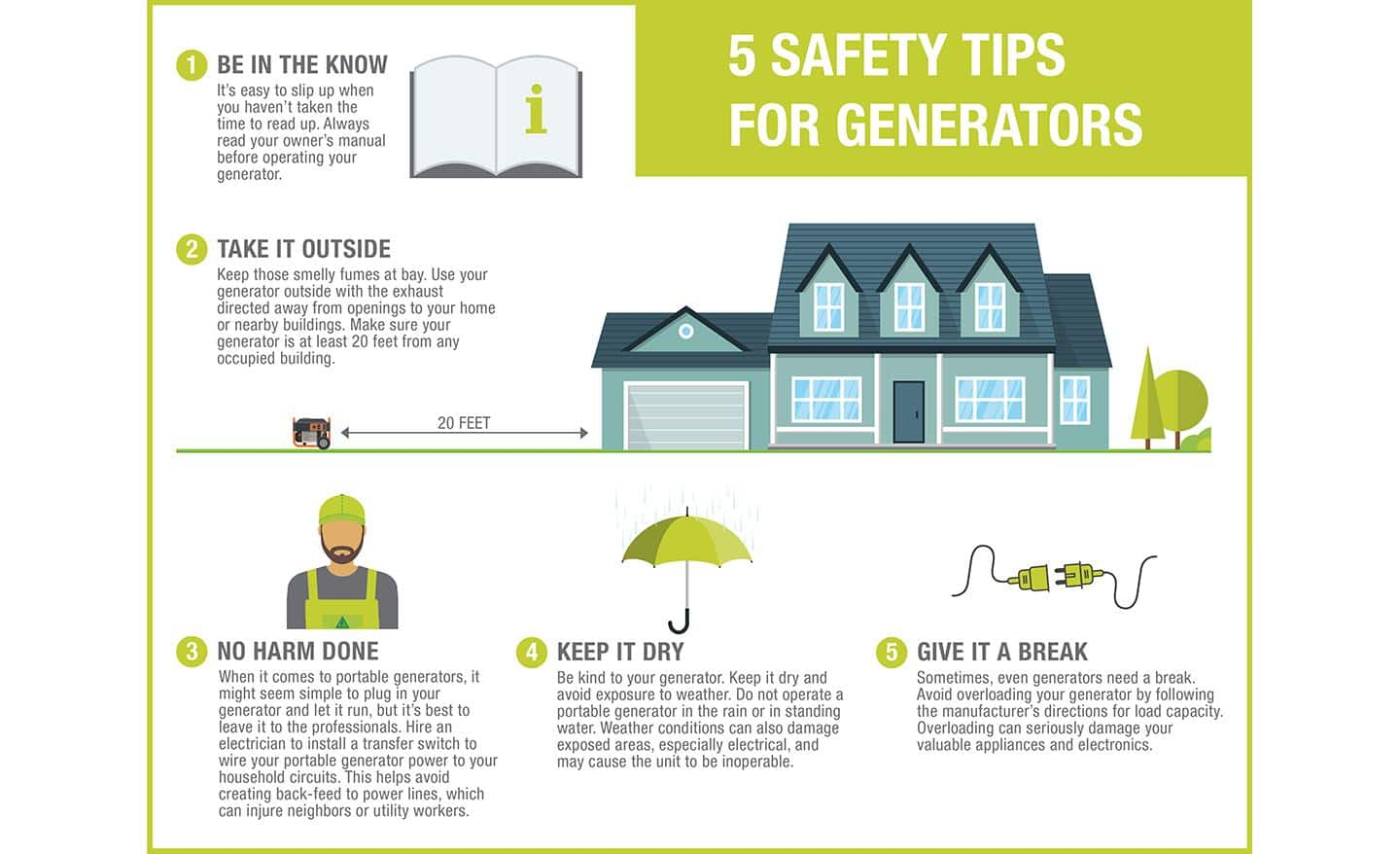
Safety Features
Safety is key when buying a generator. A generator can be helpful, but it can also be dangerous. Knowing the safety features can help you make a smart choice. Here are the main safety features to consider.
Automatic Shutoffs
Automatic shutoff features are essential. They turn off the generator when it overheats or runs low on oil. This helps prevent damage to the unit. It also lowers the risk of fire. Look for generators with this feature for added safety.
Surge Protection
Surge protection is important for your devices. It prevents power spikes that can damage electronics. A generator with built-in surge protection keeps your appliances safe. This feature is crucial for sensitive devices like computers and TVs.
Carbon Monoxide Detectors
Carbon monoxide detectors save lives. Generators can produce harmful gases. A detector alerts you if carbon monoxide levels rise. Choose a generator with an integrated detector. This feature helps keep your family safe from poisoning.
Maintenance Requirements
Choosing a generator means thinking about maintenance. Regular care helps your generator run well. You want a machine that lasts. Consider how much work it takes to keep it in shape. Look at routine servicing, replacement parts, and long-term reliability.
Routine Servicing
Routine servicing is key for any generator. This includes oil changes, filter replacements, and battery checks. Some generators need servicing every few months. Others may require it yearly. Check the manufacturer’s guidelines. Follow these to keep your generator healthy. Regular maintenance prevents small issues from becoming big problems.
Replacement Parts Availability
Check if replacement parts are easy to find. Some brands have parts available everywhere. Others might be harder to get. Look for models with a good support network. This makes repairs faster and easier. You do not want to wait weeks for a simple part. Quick access to parts saves time and keeps your generator running.
Long-term Reliability
Long-term reliability matters. Research brands known for durability. Some generators last for years with minimal issues. Read reviews to find trustworthy options. Talk to other users about their experiences. A reliable generator reduces stress during power outages. It is an investment that pays off over time.
Budget Considerations
Buying a generator involves careful thought about your budget. The initial cost is just the start. Understanding all expenses helps in making a smart choice.
Initial Purchase Cost
The first thing to check is the price tag. Generators come in various price ranges. Small units cost less, while larger ones can be expensive. Consider the features you need. A higher price often means better quality. Look for the best value for your money.
Operating Expenses
Think about ongoing costs too. Fuel is a major expense. Some generators use gasoline, while others run on propane or diesel. Fuel prices can change often. Maintenance costs are another factor. Regular upkeep keeps your generator running well. Include these costs in your budget.
Warranty And Service Coverage
A good warranty saves money in the long run. Check what the warranty covers. Some brands offer better service options. Look for a manufacturer with a solid reputation. Understanding service coverage helps you avoid future costs.
Frequently Asked Questions
What Are The Types Of Generators Available?
Generators come in various types, including portable, standby, and inverter generators. Portable generators are versatile and easy to move. Standby generators are permanently installed and provide power during outages. Inverter generators are quieter and more fuel-efficient, making them ideal for camping or sensitive electronics.
How Do I Choose The Right Generator Size?
To choose the right generator size, assess your power needs. Calculate the wattage of essential appliances you want to run. Consider starting and running wattages, as some appliances require more power to start. A generator with a higher wattage rating ensures you can safely run all your devices.
What Fuel Types Do Generators Use?
Generators typically use gasoline, diesel, propane, or natural gas. Gasoline generators are common for portability. Diesel generators are known for their durability and efficiency. Propane and natural gas generators offer cleaner operation and are suitable for longer-term use. Choose the fuel type that best fits your needs and availability.
How Much Maintenance Do Generators Require?
Generators require regular maintenance to ensure optimal performance. Change the oil, check the air filter, and inspect spark plugs periodically. Run the generator monthly to keep it in good condition. Following the manufacturer’s maintenance schedule helps extend its lifespan and ensures reliability during power outages.
Conclusion
Choosing a generator is an important decision. Think about your needs first. Consider power output, fuel type, and size. Look at the brand’s reputation too. Read reviews from other users. Check for warranty and support options. Safety features are essential for peace of mind.
Make sure it fits your budget. A good generator can provide reliable backup power. Take your time to decide. Your choice can make a big difference in emergencies.