
When your generator gets wet, it can be a cause for concern. You might wonder if it’s safe to use or if it’s damaged beyond repair.
The truth is, knowing what to do when your generator encounters water is crucial for your safety and the longevity of your equipment. You’ll discover the essential steps to take immediately after your generator gets wet. We’ll guide you through the dos and don’ts, ensuring you can make informed decisions without risking your safety or your investment.
Don’t let a little water ruin your power supply; read on to find out how to handle this situation effectively.
Credit: www.gentent.com
Safety Precautions
Generators and water don’t mix. If your generator gets wet, turn it off immediately. Wait for it to dry completely before trying to restart it. Always check for damage and follow safety tips to avoid accidents.
When your generator gets wet, safety should be your top priority. Water and electricity are a dangerous combination. Knowing the right precautions can prevent accidents and ensure you stay safe.Turn Off The Generator Immediately
The first step is simple: turn off the generator right away. Do not attempt to troubleshoot or fix anything while it’s still running. This action minimizes the risk of electric shock and further damage. Make sure to unplug any devices connected to the generator. This can prevent back-feeding electricity into your home or other circuits. If the generator is in a wet area, keep your distance until you can safely address the situation.Avoid Direct Contact With Wet Parts
If you see water pooling around the generator, do not touch it. Water can easily conduct electricity, increasing the risk of shock. Stand on a dry surface and assess the situation. Look for any signs of damage or corrosion, but avoid reaching into any wet areas. If you need to inspect it further, wait for the generator to dry out completely. Your safety should always come first.Wear Protective Gear
Before approaching the generator, wear protective gear. Rubber boots and gloves are essential to prevent electrical shock. Even if the generator appears to be off, it’s better to be safe than sorry. Consider using a waterproof poncho or rain jacket if you need to inspect it in the rain. Staying dry helps keep you focused on safety. Your generator is a valuable tool, but it must be treated with respect. Have you thought about how you would handle this situation? Taking these precautions can make all the difference.
Credit: outbax.com.au
Assessing The Damage
Water can harm your generator. Quick action is vital. Start by assessing the damage. This helps you decide what to do next. Follow these steps carefully.
Inspect For Visible Water Accumulation
Look for any water pooling around the generator. Check the outer casing and fuel tank. Remove any visible water. Use a cloth or sponge to soak it up. Pay special attention to the air intake and exhaust. These areas can trap water.
Check Electrical Components
Examine all electrical parts closely. Look for signs of corrosion or rust. Check the wiring, connectors, and battery. Do not touch any wet components. Water can cause electric shocks. If you see moisture, let it dry completely.
Evaluate Internal Engine Condition
Open the generator casing if possible. Look inside for water or rust. Check the oil for any signs of water contamination. If the oil looks milky, this is a problem. Do not attempt to start the generator yet. Allow everything to dry before considering a restart.
Drying The Generator
Generators and water do not mix well. If your generator gets wet, turn it off immediately. Allow it to dry completely before attempting to restart. Inspect for any damage, and check the oil and fuel levels before use. Safety first!
Drying your generator quickly and effectively is crucial after it gets wet. Water can cause serious damage to the electrical components. Taking immediate action can save you time, money, and hassle down the line.Use Towels Or Cloths
Start by grabbing some absorbent towels or cloths. Wipe down all the external surfaces of the generator. Pay special attention to areas where water might accumulate, such as crevices and connectors. You can also use paper towels if you don’t have cloths on hand. The goal is to remove as much moisture as possible before moving on to other drying methods.Place In A Ventilated Area
Next, find a well-ventilated area to let the generator air out. Avoid enclosed spaces where moisture can linger, as this will prolong the drying process. Setting the generator outside in a shaded spot can work well, especially on a sunny day. Just keep it away from direct rain or any chance of more water exposure.Utilize Heat Sources Safely
If you need to speed up the drying process, consider using a safe heat source. A fan can help circulate air around the generator. Position the fan so that it blows directly onto the wet areas. You might also use a heat lamp, but keep it at a safe distance to prevent overheating. Avoid using open flames or high-heat sources, as these can cause damage or create fire hazards. Taking these steps helps ensure your generator is ready to work when you need it. Have you ever had to deal with a wet generator? What methods did you find effective?Testing After Drying
After a generator gets wet, drying is only the first step. Testing is crucial before using it again. Follow these steps to ensure safety and functionality.
Perform A Visual Inspection
Start with a careful visual check. Look for any signs of water damage. Check the exterior for rust or corrosion.
Examine the vents and openings. Ensure they are free from debris. This can help prevent further issues.
Inspect the fuel and oil levels. Ensure they are clean and dry. Look for leaks or stains around the generator.
Check Wiring And Connections
Next, check the wiring and connections. Look for frayed or damaged wires. Wet wires can cause serious problems.
Ensure all connections are tight and secure. Loose connections can lead to electrical failures. Use a multimeter to check for continuity.
Replace any damaged parts before proceeding. Safety is the top priority with electrical equipment.
Run A Small Test Load
After the inspection, run a small test load. This step verifies that the generator works correctly.
Connect a small appliance to the generator. Observe how it performs. Listen for any unusual noises or vibrations.
Check the power output. Ensure it matches the specifications. If everything seems fine, your generator is ready.
Preventive Measures
Keeping your generator dry is key. Wet generators can cause damage. Here are some simple steps to protect your generator from rain and moisture.
Use Weatherproof Covers
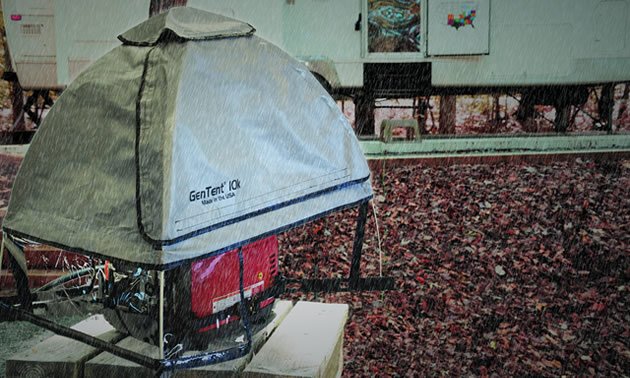
Invest in a weatherproof cover. This cover fits snugly over the generator. It shields against rain, snow, and dust. Choose a breathable material. This prevents moisture buildup inside.
Elevate The Generator
Place your generator on a raised platform. This keeps it off the ground. It protects from standing water. Use concrete blocks or a wooden pallet. Elevation helps airflow and reduces dampness.
Store In A Dry Location
Always store your generator indoors. A garage or shed works well. Avoid leaving it outside. Moisture from the environment can damage it. Choose a cool, dry place for storage.

Credit: outbax.com.au
When To Seek Professional Help
Water damage can harm your generator. Knowing when to call for help is crucial. Some signs point to serious issues. Address these quickly to prevent further damage.
Signs Of Persistent Damage
Look for rust or corrosion on the generator. This indicates long-term water exposure. Strange noises during operation also signal problems. If the generator struggles to start, seek help. These signs often mean the damage is severe.
Electrical Malfunction Risks
Water can cause electrical faults. Check for tripped breakers or blown fuses. Flickering lights or erratic behavior are warning signs. These issues can lead to larger electrical hazards. Professional help is necessary to ensure safety.
Water Inside The Engine
Water in the engine is a serious problem. It can cause extensive damage quickly. Look for signs of water in the oil. If the oil looks milky, contact a professional immediately. This condition can lead to engine failure.
Frequently Asked Questions
What Should I Do Immediately If My Generator Gets Wet?
If your generator gets wet, turn it off immediately and disconnect it from any power source. Allow it to dry completely before attempting to restart it. Inspect for any visible damage or corrosion. If unsure, consult a professional technician for further evaluation and repairs.
Can I Use My Generator After It Gets Wet?
Using a wet generator is not safe. Water can cause short circuits or electrical shocks. It’s crucial to let it dry thoroughly before use. Additionally, check for any damage or malfunctioning parts before attempting to operate it again. Safety should always be your top priority.
How Long Should I Wait To Start A Wet Generator?
Wait at least 24 hours before attempting to start a wet generator. This allows sufficient time for internal components to dry out. In humid conditions, you may need to wait longer. Always ensure the generator is completely dry to prevent electrical hazards.
What Are The Risks Of A Wet Generator?
A wet generator poses several risks, including electrical shock and fire hazards. Water can cause short circuits, leading to equipment damage or injury. It’s essential to address any wet conditions promptly to ensure safety and maintain the generator’s functionality.
Conclusion
A wet generator can lead to serious issues. Safety is the top priority. Always turn off the generator and unplug it. Let it dry completely before trying to start it again. Check for damage and consult a professional if needed.
Taking these steps can help prevent further problems. Regular maintenance is key for a safe and reliable generator. Stay cautious and keep your equipment in good shape. Following these tips will keep your generator running smoothly.