
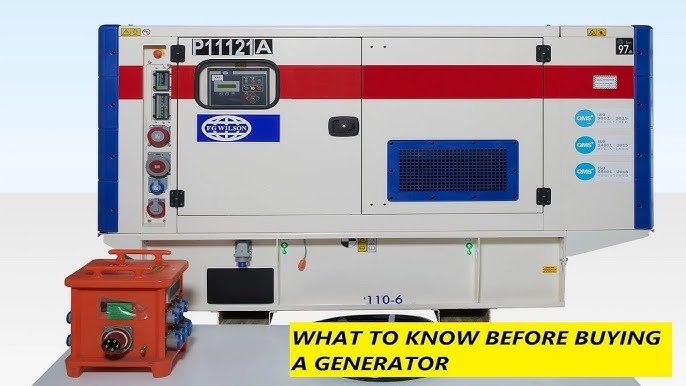
When the power goes out, the last thing you want is to be left in the dark. A generator can be a lifesaver, providing you with electricity when you need it most.
But before you make a purchase, there are several important factors to consider. You might be wondering about the right size, type, and features that suit your needs. The choices can feel overwhelming, but that’s where this guide comes in.
We’ll break down everything you need to know before buying a generator. By the end, you’ll feel confident in making the right decision for your home or business. Let’s dive in and help you find the perfect generator to keep your life running smoothly, even when the lights go out.

Credit: www.youtube.com
Types Of Generators
Choosing the right generator is crucial. Different types serve various needs. Understanding these options helps in making the right choice. Here are the main types of generators.
Portable Models
Portable generators are easy to move. They are ideal for camping or outdoor events. These models provide power where you need it. They run on gasoline or propane.
Portable generators come in various sizes. Smaller models are lightweight. Larger models can power more devices. Check the wattage before buying.
Standby Units
Standby generators are fixed installations. They automatically turn on during a power outage. These units connect to your home’s electrical system.
Standby models run on natural gas or propane. They provide continuous power during outages. Installation is more complex than portable models.
Inverter Generators
Inverter generators are quiet and efficient. They produce clean power suitable for sensitive devices. These models adjust their speed based on load.
Inverter generators are portable and lightweight. They are great for road trips or tailgating. Their technology makes them more fuel-efficient.

Credit: www.sonomanews.com
Power Output Requirements
Choosing the right generator starts with understanding power output. Power output is the amount of electricity a generator can provide. Knowing your needs helps you select the right size. This ensures your generator can handle essential appliances.
Calculating Wattage Needs
Start by listing all appliances you want to power. Each appliance has a wattage rating. This rating shows how much power it needs to run. Look for the wattage on labels or in manuals.
Add up the wattage for all appliances. This total gives you the minimum power output needed. Don’t forget to account for starting wattage. Some appliances need more power to start up.
Essential Appliances To Power
Focus on critical items first. Refrigerators, heaters, and lights often top the list. These keep your home safe and comfortable. Consider other devices like phones or medical equipment.
Make a priority list. Decide what you cannot live without. This will help you choose the right generator size.
Future Expansion Considerations
Think about future needs. Will you add more appliances later? If so, plan for extra wattage. Buying a slightly larger generator now can save you later.
Consider lifestyle changes too. Family growth or new hobbies may increase power needs. Choose a generator that fits both now and later.
Fuel Options
Choosing the right fuel option is vital for your generator. Each type has its pros and cons. Understanding these can help you make an informed choice.
Gasoline Generators
Gasoline generators are common and easy to find. They are portable and often less expensive. Many homeowners choose them for backup power.
However, gasoline has a short shelf life. It can go bad in a few months. This means you need to store it properly.
Gasoline generators can be noisy. They may not be ideal for quiet settings. Consider your environment before purchasing.
Diesel Alternatives
Diesel generators are known for their durability. They can run longer than gasoline models. This makes them a good choice for heavy use.
Diesel fuel is more efficient. It tends to provide more power per gallon. However, they can be more expensive upfront.
Noise levels are generally lower. But diesel engines can produce more emissions. Think about your needs and priorities.
Propane And Natural Gas Choices
Propane generators are clean and efficient. They burn cleaner than gasoline and diesel. This means less pollution and fewer odors.
Natural gas generators connect to your home’s supply. They offer convenience and are easy to refuel. You won’t need to store fuel on-site.
Both options provide quiet operation. They may also require more complex installations. Weigh the benefits against your specific needs.
Noise Levels
Noise levels are an important factor to consider before buying a generator. A quieter model can make a big difference, especially in residential areas. Check the decibel rating to ensure it meets your needs for comfort and convenience.
Understanding noise levels is crucial when buying a generator. You want a machine that meets your power needs without disrupting your peace or your neighbors. Noise can be a dealbreaker, especially in quiet residential areas or when camping in nature.Decibel Ratings
Decibel ratings are your first clue into a generator’s noise level. Most generators range from 50 to 80 decibels. – 50-60 decibels: Comparable to a normal conversation or background music. – 60-70 decibels: Similar to a vacuum cleaner or a busy office. – 70-80 decibels: This level is akin to a loud radio or a lawnmower. Always check the product specifications. A lower decibel rating means a quieter generator, which is beneficial for both you and your environment.Impact On Residential Areas
Consider your neighborhood dynamics. If you live in a densely populated area, noise from a generator can disrupt your neighbors. Imagine running a generator during a family gathering. If the noise is too loud, it can turn a joyful occasion into a source of annoyance. Some towns have noise ordinances that limit generator use during certain hours. Be aware of local regulations to avoid fines or complaints. Think about your lifestyle. Will you need to run the generator during the day or at night? Your answer can heavily influence your choice.Quiet Models For Sensitive Locations
You can find quiet models designed specifically for sensitive locations. These generators often feature sound-dampening technology or an enclosed design. Popular quiet brands include Honda and Yamaha, known for their reliable and low-noise generators. When shopping, look for models labeled as “inverter generators.” They typically run at lower decibel levels and adjust their power output according to the load. Reading customer reviews can also provide insights. Many users share real experiences that highlight how noisy or quiet a generator truly is. Would you prefer a quieter generator that costs a bit more, or are you willing to sacrifice some peace for a lower price? Your decision will directly affect your comfort and satisfaction.Portability And Size
Choosing the right generator involves considering its portability and size. A generator that is easy to move can make your life much simpler. You want it to fit your needs and lifestyle.
Generators come in various sizes. Some are small and lightweight, while others are larger and heavier. Think about where you will use it. Will you need to carry it often?
Weight And Dimensions
The weight of a generator matters. A heavy generator can be hard to lift and move. Smaller generators usually weigh less. They are easier to transport.
Check the dimensions too. A compact generator fits well in tight spaces. Measure your storage area before buying. Make sure it will fit comfortably.
Wheels And Handles
Wheels and handles add to a generator’s portability. Generators with wheels are easier to roll around. Look for sturdy handles that make lifting simple.
Some models have collapsible handles. These save space during storage. Consider how often you will move the generator.
Storage Considerations
Think about where you will store the generator. A designated storage space keeps it safe and clean. Avoid areas with moisture to prevent rust.
Check if the generator can fit in your garage or shed. Keeping it protected extends its life. Make sure it is accessible for use when needed.
Safety Features
Safety features are crucial when buying a generator. Look for options like automatic shut-off and overload protection. These features help prevent accidents and ensure safe operation during use. Always check for safety ratings to make informed choices. Your safety should be a top priority in every purchase.
When considering the purchase of a generator, prioritizing safety features is essential. These features can protect you, your family, and your property from potential hazards. Understanding what safety mechanisms are available can help you make an informed decision and choose the right generator for your needs.Automatic Shutoff Mechanisms
Automatic shutoff mechanisms are designed to turn off the generator when certain conditions are met. This feature is crucial for preventing accidents, especially when the generator runs out of fuel. Imagine a scenario where you’re using a generator during a power outage, and it suddenly runs out of gas. Without an automatic shutoff, it could overheat and cause damage or even a fire. Look for generators that offer this feature to ensure peace of mind.Co Detection Systems
Carbon monoxide (CO) is a silent killer that can build up quickly in enclosed spaces. A CO detection system in your generator will automatically shut it down if dangerous levels of CO are detected. Think about the last time you used a generator. If you were in a garage or close to windows, did you consider the risk of CO poisoning? A reliable CO detection system can save lives by shutting off the generator before levels become harmful.Overload Protection
Overload protection is another vital safety feature. It prevents the generator from running beyond its capacity, which can lead to overheating and potential damage. Picture this: you plug in too many devices, and your generator struggles to keep up. With overload protection, it will shut down before any serious issues occur. This feature not only protects the generator but also your valuable electronics from voltage spikes. By focusing on these safety features, you can ensure that your generator operates reliably and securely. Are you ready to choose a generator that prioritizes safety?Maintenance And Longevity
Buying a generator is a big decision. Understanding how to keep it running well is key. Proper maintenance can extend the life of your generator. Here are some important points to consider.
Routine Servicing
Regular servicing is crucial for your generator’s health. Follow the manufacturer’s service schedule. Change the oil regularly. Check the air filter and replace it if dirty. Clean the spark plugs to ensure good performance. Inspect fuel lines for leaks or cracks. Routine checks can prevent bigger problems later.
Durability Of Components
Look for generators made with high-quality materials. Strong components last longer and work better. Stainless steel and aluminum resist rust and corrosion. Check reviews for insights on durability. Choose models known for robust parts. This choice can save money on repairs over time.
Warranty And Support
A good warranty offers peace of mind. Check what the warranty covers. Look for support options like customer service and parts availability. A reliable company will help you when needed. Read reviews about their support experience. It can make a big difference in your ownership experience.
Credit: www.homedepot.com
Cost Factors
Understanding cost factors is essential before buying a generator. Prices vary based on size, brand, and features. Consider fuel type, maintenance costs, and warranty options to make an informed decision. Budgeting wisely can help you find the right generator for your needs.
Understanding the cost factors of a generator is essential before making a purchase. You want to ensure you’re not only getting a good deal upfront but also considering the ongoing expenses and the overall value over time. Let’s break down the key aspects that will help you make an informed decision.Initial Purchase Price
The initial purchase price of a generator can vary widely. Basic portable models may start at a few hundred dollars, while larger, standby generators can cost thousands. Consider the features you need. Do you require a generator for occasional camping trips, or do you need a reliable source of power for your home during outages? Key features to consider include: – Wattage capacity – Fuel type (gas, propane, or diesel) – Portability – Noise level I learned this the hard way when I bought a low-cost generator that couldn’t handle my needs during a power outage. It left me searching for alternatives when I needed it most.Operating Costs
Operating costs are another crucial factor to keep in mind. These include fuel expenses, maintenance, and any necessary repairs. Fuel costs can fluctuate based on: – Current fuel prices – Your generator’s efficiency – How often you use it Regular maintenance is essential for optimal performance. Setting aside a budget for oil changes, filter replacements, and other upkeep can save you from costly repairs down the road. Think about how often you plan to run your generator. If you only need it occasionally, the operating costs might be manageable. However, if you expect frequent use, those costs can add up quickly.Long-term Value
Evaluate the long-term value of the generator you choose. A higher initial investment may lead to lower operating costs and greater reliability. Consider the warranty and customer support offered. A generator with a longer warranty might be worth the extra cost, as it often indicates confidence in the product’s durability. Ask yourself these questions: – How long do you expect to keep the generator? – Will it meet your needs over time, even as they change? I’ve experienced the frustration of cheap products that fail just outside their warranty period. Investing in quality can save you money and headaches in the long run. Taking these cost factors into account ensures that you make a smart purchase that fits your needs and budget. Knowing what to expect can help you avoid pitfalls and enjoy the peace of mind that comes with reliable power.Frequently Asked Questions
What Size Generator Do I Need For My Home?
Choosing the right generator size depends on your power needs. Calculate the wattage of essential appliances and devices you want to run. A generator with a capacity of 5,000 to 7,500 watts is often suitable for most homes. Always consider some extra capacity for future needs.
How Much Does A Generator Cost?
The cost of a generator varies widely based on type and size. Portable generators typically range from $300 to $1,500. Standby generators can cost between $2,000 and $10,000, including installation. Always factor in maintenance and fuel costs when budgeting.
How Long Can A Generator Run Continuously?
Most generators can run continuously for 8 to 12 hours on a full tank. However, this can vary by model and fuel type. Propane generators may have different run times than gasoline ones. Regular breaks are essential for maintenance and to prevent overheating.
Are Generators Safe To Use Indoors?
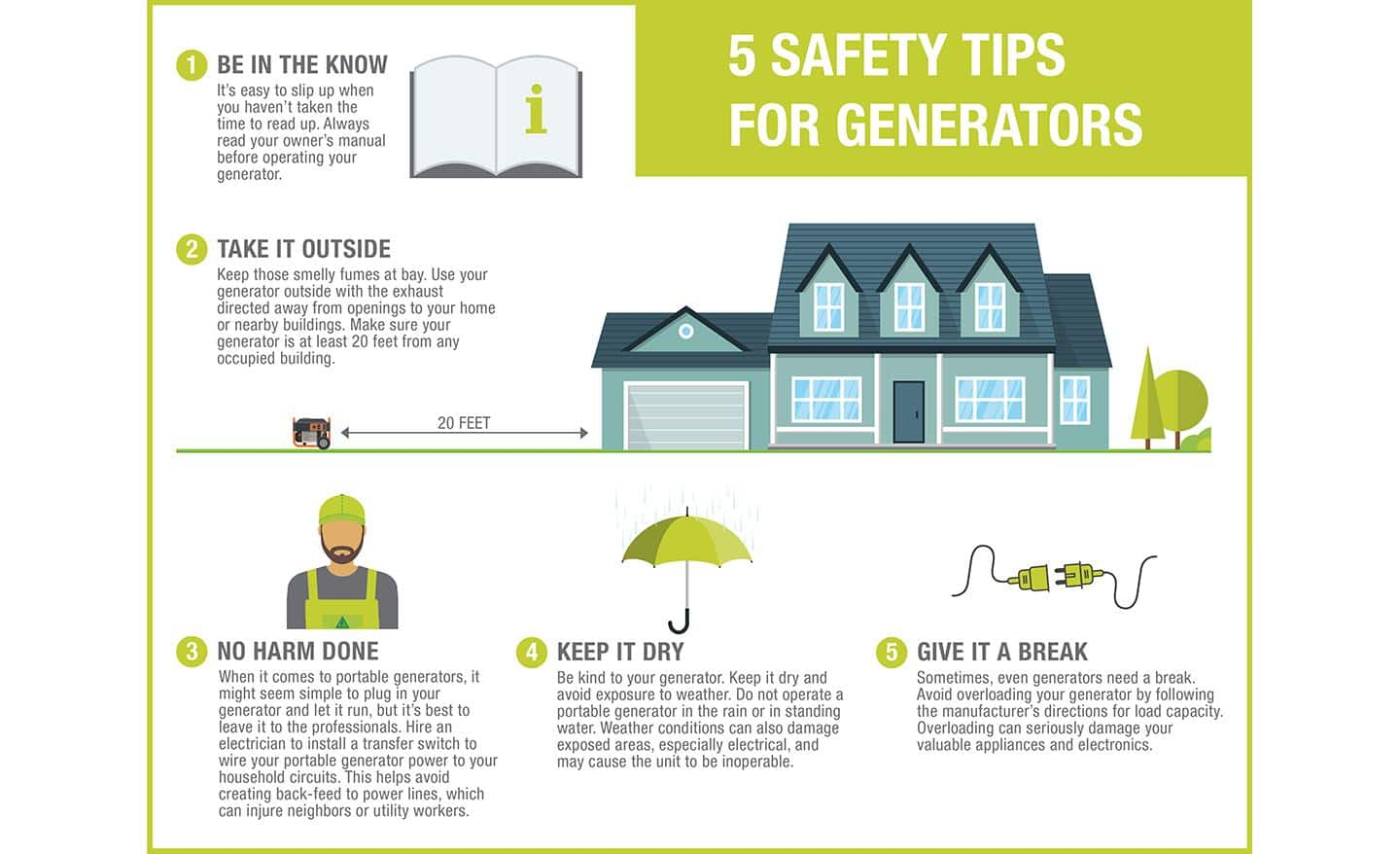
Generators should never be used indoors due to carbon monoxide risks. Always operate them outside in well-ventilated areas. Ensure the exhaust is directed away from doors and windows. Installing carbon monoxide detectors can enhance safety in your home.
Conclusion
Buying a generator requires careful thought. Choose the right size for your needs. Think about fuel type and efficiency. Consider noise levels and portability. Always check safety features and warranty options. Research brands and read reviews. Ask friends for recommendations.
With the right information, you can make a smart choice. A good generator provides peace of mind. Stay prepared for any power outage. Your investment will serve you well for years to come.