
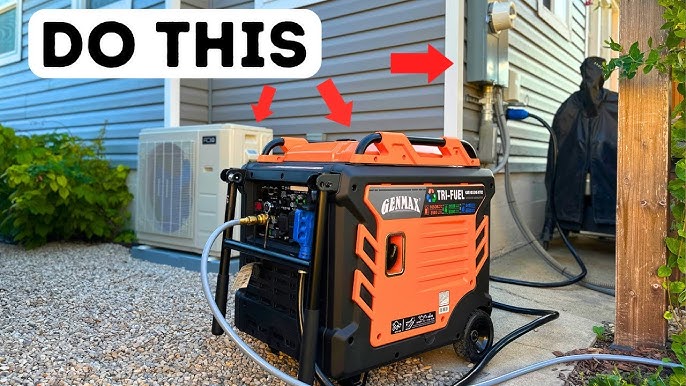
Are you wondering if your generator can power your air conditioner? You’re not alone.
Many people face this dilemma, especially during hot summer months when the heat can be unbearable. Understanding the compatibility between your generator and air conditioning unit is crucial for your comfort and peace of mind. We’ll break down everything you need to know.
You’ll learn how to determine if your generator has enough power, what type of generator is best for your AC unit, and tips for safe operation. By the end, you’ll have the confidence to make informed decisions about using your generator to keep your home cool. Don’t miss out on essential insights that could help you stay comfortable when it matters most!
Credit: www.oliverheatcool.com
Generator Types
Different types of generators can power your air conditioner. Each type has unique features and uses. Understanding these types helps you choose the right one.
Portable Generators
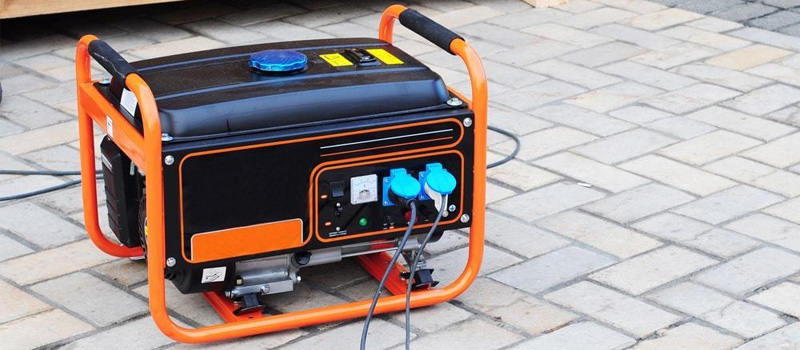
Portable generators are easy to move. They are great for outdoor events or emergencies. You can use them for your air conditioner during a power outage.
These generators usually run on gasoline. They offer enough power for small to medium units. Check the wattage before connecting your AC.
Standby Generators
Standby generators provide power automatically. They stay connected to your home. These generators kick in during power failures.
They run on natural gas or propane. Standby generators can handle larger air conditioning systems. They ensure your home stays cool without interruptions.
Inverter Generators
Inverter generators are quiet and efficient. They produce clean energy, safe for sensitive electronics. This makes them ideal for air conditioners.
These generators adjust their power output. They can handle variable loads easily. Inverter generators are great for energy savings.
Air Conditioner Power Needs
Understanding air conditioner power needs is important for proper operation. Air conditioners require a specific amount of energy to run efficiently. Knowing these needs helps you choose the right generator.
Two key factors determine power requirements: BTU ratings and wattage. Let’s explore these factors.
Btu Ratings And Energy Consumption
BTU stands for British Thermal Unit. It measures the cooling capacity of an air conditioner. Higher BTU ratings mean more cooling power. This also means more energy use.
For example, a 5,000 BTU unit cools small rooms. It uses about 500 watts. Larger units, like 12,000 BTU, are for bigger spaces. They may use 1,200 watts or more.
Choose an air conditioner based on the room size. Match the BTU to your needs. This helps save energy and money.
Startup Wattage Vs Running Wattage
Wattage is key to understanding energy needs. There are two types: startup wattage and running wattage. Startup wattage is the power needed to start the unit. It is higher than running wattage.
Running wattage is the power used while the unit operates. For example, an air conditioner may need 1,200 watts to run. But it could require 2,000 watts to start.
Generators must handle both wattages. Select a generator with enough capacity. This ensures your air conditioner runs smoothly.
Matching Generator Capacity
Choosing the right generator for your air conditioner is crucial. A generator must provide enough power. It should match the demands of your AC unit. Understanding how to determine this is key.
Calculating Total Power Requirements
First, you need to know your air conditioner’s power needs. Look for the wattage rating on the unit. This rating tells you how much power it uses. Many air conditioners need between 2000 and 5000 watts.
Consider starting and running wattage. Air conditioners often require more power at start-up. This is called surge wattage. Make sure to factor this into your calculations.
Choosing The Right Generator Size
Once you know the total wattage, choose a generator that meets this need. Select a generator with a higher wattage than your total requirement. This extra capacity helps avoid overload. It also allows for additional appliances.
Generators come in various sizes. Pick one that balances power and portability. A larger generator may provide more power but can be heavy. Consider your specific needs and space.
Common Challenges
Using a generator to run an air conditioner can be tricky. Many face challenges that can affect performance. Understanding these challenges helps in making better choices.
Overloading Risks
Overloading is a major concern with generators. Each generator has a power limit. Running an air conditioner often requires more power than expected.
Too much load can damage the generator. It can also lead to power outages. Always check the air conditioner’s wattage before connecting.
Voltage Fluctuations
Voltage fluctuations can harm your air conditioner. Generators may not provide stable voltage. This can cause the air conditioner to malfunction or break.
Use a voltage regulator to manage this issue. It helps maintain a steady voltage level. This protects your air conditioning unit from damage.
Energy-saving Tips
A generator can run an air conditioner, but it depends on the generator’s power output. Make sure to check the AC unit’s wattage. Choosing the right generator helps save energy and keeps your home cool during outages.
Energy-saving tips can significantly reduce your electricity bill while ensuring your air conditioner runs efficiently. Whether you’re relying on a generator to power your AC or using your home’s electrical supply, making small adjustments can lead to big savings. Here are some practical strategies to maximize your energy efficiency.Using Energy-efficient Air Conditioners
Choosing the right air conditioner is crucial for saving energy. Look for models with high Energy Efficiency Ratio (EER) ratings. – Inverter air conditioners are a great choice. They adjust their speed based on the cooling demand, using less energy overall. – Smart thermostats can also help you regulate your cooling preferences efficiently. They learn your habits and adjust settings accordingly. When I switched to an inverter AC, I noticed a significant drop in my monthly bill. It not only cooled my home faster but also kept my energy consumption in check.Optimizing Usage Patterns
Adjusting how and when you use your air conditioner can lead to substantial savings. – Set your thermostat to a higher temperature when you’re not home. Even a few degrees can make a difference. – Use fans to circulate air, allowing you to set the thermostat a bit higher without sacrificing comfort. Consider creating a schedule for your AC usage. For example, running it during cooler parts of the day can save energy. How often do you think about the temperature settings on your thermostat? Small changes can lead to big savings. By implementing these energy-saving tips, you can enjoy a cooler home without breaking the bank.
Credit: www.youtube.com
Safety Precautions
Using a generator to run an air conditioner requires careful planning. Ensure the generator has enough wattage for the AC unit. Always follow safety guidelines to prevent accidents and protect your equipment.
Safety is a top priority when using a generator to run your air conditioner. While it can be a lifesaver during power outages, improper use can lead to dangerous situations. Taking a few safety precautions can protect you, your home, and your appliances.Proper Ventilation
Generators produce carbon monoxide, a colorless and odorless gas that can be lethal. Always place your generator outdoors, away from windows, doors, and vents. This ensures that the gas does not enter your home. Consider using an extension cord to connect the generator to your air conditioner, keeping the generator at least 20 feet away. Have you ever wondered how many lives could be saved by simply ensuring proper ventilation? An open garage door does not count; the gas can still seep in. Invest in a carbon monoxide detector to provide an extra layer of safety.Preventing Electrical Hazards
Electrical hazards can arise from improper connections between your generator and air conditioner. Use a heavy-duty extension cord rated for outdoor use. Check the wattage of your air conditioner and ensure your generator can handle it. Overloading your generator can lead to a fire or damage your AC unit. Make sure to turn off the generator before connecting or disconnecting any equipment. Have you ever had a close call with a spark or a tripped breaker? These small actions can make a big difference. Always consult the generator’s manual for specific instructions on safe usage. By taking these precautions, you can enjoy the cool comfort of your air conditioner without compromising your safety.
Credit: www.inverter.com
Frequently Asked Questions
Can A Generator Power An Air Conditioner?
Yes, a generator can power an air conditioner. However, the generator must have sufficient wattage to handle the AC unit’s starting and running power requirements. It’s crucial to check the specifications of both the generator and the air conditioner to ensure compatibility and avoid damage.
What Size Generator Do I Need For My Ac?
To determine the size of the generator needed for your AC, calculate the starting and running wattage of your unit. Typically, a small air conditioner requires 2000-4000 watts, while larger units may need 5000 watts or more. Always choose a generator that exceeds these requirements for reliable performance.
How Long Can A Generator Run An Air Conditioner?
The runtime of a generator powering an air conditioner depends on its fuel capacity and load. Generally, a generator can run for 8 to 12 hours on a full tank. However, heavy usage may reduce this time, so always monitor fuel levels during operation.
What Type Of Generator Is Best For Air Conditioners?
Inverter generators are often the best choice for air conditioners. They provide clean, stable power and run quietly, making them ideal for sensitive appliances. Additionally, ensure the generator has enough wattage to support your AC unit’s starting and running requirements.
Conclusion
Can a generator run an air conditioner? Yes, it can. But you must choose the right generator. Check the power needs of your AC unit first. Look for generators with enough wattage. Some portable generators work well for small AC units.
Others may not have enough power. Always consider fuel type and runtime too. Running an air conditioner on a generator is possible and practical. It offers comfort during power outages. Make informed choices for the best results. Enjoy cool air, even when the power goes out.