
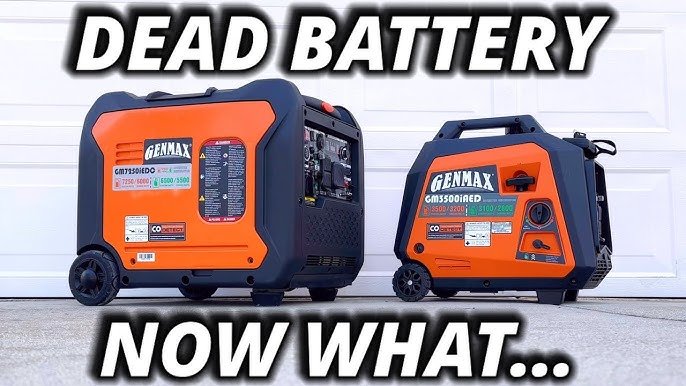
When it comes to generators, you might wonder, “Will my generator start without a battery?” This question is crucial, especially if you rely on your generator during power outages or in remote locations.
The last thing you want is to be left in the dark because your generator won’t cooperate. We’ll dive into the mechanics of generators and the role batteries play. You’ll discover whether it’s possible to start your generator without one and what alternatives you can consider.
Understanding this can save you time, money, and frustration when you need power the most. Keep reading to find out the answers you need and ensure you’re always prepared!

Credit: www.youtube.com
Role Of The Battery In A Generator
The battery is key to how a generator works. It provides the necessary power to start the engine. Without it, many generators can’t operate. This makes understanding its role important for users.
Generators need a strong battery to start. The battery powers the starter motor. This motor turns the engine over. Once the engine runs, the generator can produce electricity. A weak battery can lead to starting problems.
Starting The Engine
The battery sends power to the starter motor. This helps the engine begin to run. A good battery allows for quick starts. A weak or dead battery causes delays or failures in starting.
Powering The Control Panel
The battery also powers the control panel. This panel displays important information. It shows things like voltage and frequency. Without a battery, users can’t monitor the generator effectively.
Providing Backup Power
In emergencies, the battery provides backup power. This is crucial for safety and reliability. It ensures the generator starts when needed most. A reliable battery makes all the difference.
Importance Of Maintenance
Regular maintenance keeps the battery in good shape. Check battery levels and connections. Replace old batteries before they fail. This helps ensure the generator operates smoothly.
Generator Types And Battery Dependency
Understanding the relationship between generator types and their battery dependency is crucial for effective operation. Not all generators require a battery to start, and knowing which type you have can save you a lot of hassle during power outages. Let’s break down the key differences.
Portable Generators
Portable generators are often lightweight and easy to move. Many of these models come with a pull-start mechanism, which means they do not rely on a battery. You can simply pull a cord and get the power flowing.
However, some advanced portable generators may have electric start options, necessitating a battery. If your generator has this feature, ensure the battery is charged. It’s a quick fix that can save you from frustration during an outage.
Standby Generators
Standby generators are designed for automatic power restoration. These units typically rely on a battery to start, as they monitor your home’s power supply continuously. When the grid goes down, the battery kicks in, triggering the generator.
Regular maintenance of the battery is essential. A dead battery can mean no power when you need it most. Have you checked your generator’s battery recently?
Inverter Generators
Inverter generators combine portability with advanced technology. Many models feature electric starts and, therefore, require a battery. They are known for their quiet operation and fuel efficiency.
Make sure you understand your inverter’s starting mechanism. Knowing whether it can run without a battery can help you plan better for emergencies.
Hybrid Generators
Hybrid generators can run on both gasoline and propane, offering flexibility. Some models use a battery for starting, while others may not. This versatility can be a game-changer during extended power outages.
Check the specifications of your hybrid generator. It can make a difference in how you prepare for power failures. Are you equipped to handle various fuel sources?
Understanding the battery dependency of your generator type is vital. It not only affects how you use your generator but also impacts your preparedness for unexpected power outages. Knowledge is power—how prepared are you for the next blackout?
Starting Mechanisms Without A Battery
Generators can sometimes start without a battery. This process relies on other methods, like a pull start or a manual crank. Understanding these options helps in situations where a battery is not available.
Starting mechanisms without a battery can be a lifesaver in situations where power sources are limited or unreliable. Many generators are designed to operate without the need for a traditional battery. Understanding these mechanisms can not only save you time but also enhance your generator’s versatility.Manual Start Options
Manual start options provide a straightforward way to get your generator running without a battery. A pull-start mechanism is common in many portable generators. You simply pull a cord to engage the engine. Another option is a crank start, which may resemble the old-fashioned hand-cranked engines. This method requires physical effort but guarantees that you can start your generator when you need it most. Many people find manual starts reliable, especially in emergencies. Have you ever been caught in a power outage with no battery backup? Knowing how to manually start your generator can bring peace of mind.Electric Start Challenges
Electric start systems are convenient but come with challenges when the battery is dead or missing. These systems rely heavily on battery power to ignite the engine. If your generator has this feature, and the battery fails, you’re left with a non-functional unit. Even if you have a charged battery, the wiring and connections can cause issues. Corrosion or loose connections could prevent the generator from starting, leaving you scrambling for alternatives. Before relying solely on electric starts, consider the limitations. Have you ever faced a situation where your battery died unexpectedly? Being prepared with manual options can save you from frustration in those critical moments. By understanding the starting mechanisms without a battery, you can ensure that your generator is always ready when you need it.
Credit: www.amazon.com
Impact On Performance And Reliability
Generators depend on batteries for smooth starting and operation. Without a battery, performance and reliability may suffer. This can lead to difficulties in starting and inconsistent power supply. Proper battery maintenance is essential for optimal generator function.
The performance and reliability of a generator without a battery can be a game changer for many users. Understanding how the absence of a battery affects these aspects is crucial for anyone considering generator usage. Let’s dive into the specifics.Power Output Considerations
A generator typically relies on a battery to start its engine. Without this power source, you may find that your generator struggles to produce consistent output. – Starting Issues: Without a battery, the generator may not start at all or may have delayed responses. This can be frustrating during emergencies when you need power immediately. – Voltage Stability: The stability of the voltage output can also diminish. Fluctuating power can lead to damage to your appliances, causing costly repairs. – Reduced Efficiency: Generators without a battery may run less efficiently, impacting how long they can operate on a full tank of fuel. You want to ensure that your generator is running optimally to maximize its potential.Long-term Wear And Tear
Running a generator without a battery can lead to increased wear and tear over time. – Engine Strain: Starting the generator without a battery can put extra strain on the engine. This strain may lead to premature failure, costing you more in repairs or replacement. – Component Damage: When voltage fluctuates, sensitive electronic components can become damaged. This issue can escalate if you regularly run your generator without a battery. – Maintenance Costs: You may find yourself spending more on maintenance if you choose to run your generator in this manner. Regular maintenance is essential to keep your generator in good shape, and ignoring this can lead to significant expenses down the line. Have you ever faced a situation where your generator failed to start? The frustration can be immense, especially when you rely on it for critical needs. Understanding these impacts can help you make informed decisions about your generator and whether a battery is necessary for your performance and reliability.Situations Where Battery Is Essential
Understanding the importance of a battery in a generator can save you from unexpected headaches. There are specific situations where a battery is not just helpful but essential for your generator to function properly. Let’s dive into these scenarios and see why having a reliable battery is crucial.
Emergency Power Outages
During a power outage, your generator is your lifeline. It needs a battery to start and provide power to your home. Without it, you’ll be left in the dark, both literally and figuratively.
Imagine being in the middle of a storm, and the lights suddenly go out. Your generator could have saved the day, but it won’t start without a charged battery. This situation emphasizes the need for a reliable battery backup.
Cold Weather Conditions
Cold temperatures can affect battery performance significantly. In freezing conditions, a weak battery might fail to crank the engine. If you live in a colder climate, you know how vital it is to have a fully charged battery.
Consider those chilly winter nights when you need to keep your heating system running. Your generator won’t start if the battery is dead. Keeping your battery in good condition is essential in these situations.
Regular Maintenance Checks
Routine maintenance is not just about fuel and oil; it also involves checking your battery. Over time, batteries can lose charge or corrode. Regular checks can prevent a situation where your generator won’t start when you need it most.
Have you ever forgotten to check your battery before a big event? You might find yourself scrambling to find a replacement at the last minute. Consistent maintenance can help you avoid these stressful moments.
Remote Locations
If you’re using a generator in a remote area, having a battery is crucial. You might not have easy access to power sources or repair services. A battery ensures that your generator starts when you need it, especially in off-grid situations.
Picture yourself camping in the wilderness. The last thing you want is for your generator to fail because of a dead battery. It’s essential to prepare for these scenarios to ensure your plans go smoothly.
Backup For Start-up Power
Some generators rely on batteries for initial start-up power. This feature becomes critical, especially for larger generators that require more energy to start. Without a battery, your generator won’t even get off the ground.
Have you ever faced the embarrassment of trying to start a generator in front of friends or family, only to realize the battery is dead? It’s a moment you want to avoid. Ensuring your battery is charged can save you from these awkward situations.
In these situations, having a battery is not just helpful; it is absolutely essential for smooth operation. Keeping your generator ready with a reliable battery can provide peace of mind and assurance when you need power the most.
Maintenance Tips For Battery-free Operation
Keeping your generator in good shape is important. Regular care helps it run smoothly without a battery. Here are some tips to maintain your generator.
Regular System Checks
Check your generator often. Look for any loose wires or parts. Tighten them if needed. Clean the exterior to avoid dirt buildup.
Inspect the air filter. A clean filter helps the engine breathe better. Replace it if it looks dirty. Make sure all connections are secure.
Fuel And Spark Optimization
Use fresh fuel. Old fuel can cause starting problems. Check the fuel lines for cracks or leaks. Replace any damaged lines.
Inspect the spark plug regularly. A clean spark plug ensures proper ignition. Replace it if it is worn out or dirty. This will help your generator start easily.
Choosing The Right Generator For Your Needs
Choosing the right generator for your needs can make a significant difference in how effectively you handle power outages or outdoor activities. Whether you need a generator for emergency backup or recreational use, understanding your specific requirements is essential. This decision can impact your comfort, convenience, and even your budget.
Assess Your Power Needs
Start by determining how much power you require. Make a list of essential appliances you plan to run, such as refrigerators, heaters, or power tools. Each device has a wattage rating, and adding these figures will give you a clearer picture of your needs.
- Refrigerator: ~600-800 watts
- Microwave: ~1000 watts
- Space Heater: ~1500 watts
- Power Tools: ~500-2000 watts
Once you have a total wattage, consider whether you want to run everything simultaneously or prioritize specific items. This understanding will guide you in selecting a generator with the right output.
Consider Generator Types
Generators come in various types, each with distinct advantages. Portable generators are great for camping or job sites, while standby generators automatically kick in during outages.
Do you need a generator that runs on gasoline, propane, or diesel? Each fuel type has its pros and cons. Gasoline is widely available, but propane has a longer shelf life.
Evaluate Size And Portability
Size matters, especially if you plan to move the generator often. Portable units are typically lighter and easier to transport. However, they might not provide enough power for larger households.
Think about where you will store the generator. A compact model might fit better in a garage or shed. Make sure to factor in weight and dimensions into your decision.
Review Noise Levels
No one wants a loud generator disrupting the peace. Check the decibel ratings before you buy. Some models are designed to operate quietly, which can be a game-changer during a camping trip or while using it in your backyard.
Have you ever been bothered by the noise from a neighbor’s generator? A quieter model can save you from such discomfort.
Understand Maintenance And Longevity
Look into the maintenance requirements of the generator. Some models need regular oil changes and filter replacements. A generator that’s easier to maintain will save you time and money in the long run.
Think about how long you plan to use the generator. Investing a bit more upfront for a durable model can pay off if you plan to use it frequently.
By considering these factors, you can find a generator that fits your lifestyle and meets your power needs effectively. What features are most important to you? Understanding this can help guide your decision-making process.

Credit: waltpower.com
Frequently Asked Questions
Can A Generator Run Without A Battery?
No, most generators require a battery to start. The battery powers the ignition system and the control panel. Without it, the generator may not crank or start, even if fuel is available. Some models have pull-start options, but battery operation is standard for most generators.
What Happens If A Generator Battery Is Dead?
If the generator battery is dead, the generator won’t start. This is because the battery supplies necessary power for the ignition system. You may need to jump-start the battery or replace it. Regular maintenance of the battery can prevent starting issues in the future.
Can I Jump-start A Generator Battery?
Yes, you can jump-start a generator battery using jumper cables. Connect the cables from a working battery to your generator’s battery. Ensure you follow safety protocols to avoid damage or injury. After jump-starting, check the battery condition and consider replacing it if necessary.
How Do I Maintain My Generator Battery?
To maintain your generator battery, keep it clean and fully charged. Inspect the terminals for corrosion and clean them regularly. Store the generator in a cool, dry place to prolong battery life. Regular maintenance checks will help ensure reliable operation when needed.
Conclusion
Generators typically need a battery to start. Without one, they may not work at all. Some models can start without a battery, but this is rare. Always check your generator’s manual for details. Regular maintenance can help ensure your generator starts easily.
If you face issues, seek professional help. Understanding how your generator works makes ownership easier. A good generator can provide power when you need it most. Stay informed and keep your equipment ready for use.