
Connect your Westinghouse generator to your house using a manual transfer switch and proper inlet wiring.
I have built and connected several home backup setups. This guide explains how to connect Westinghouse generator to house with safety, code, and step-by-step wiring. I will show options, tools, and tips from real installs. You will learn when to hire an electrician, how to wire a transfer switch, grounding needs, and common mistakes to avoid. Read on to get a clear, practical plan for powering your home with a Westinghouse generator.

Why connect a Westinghouse generator to your house
Connecting a Westinghouse generator to house gives you steady backup power during outages. A safe connection keeps you from backfeeding the grid. Backfeeding can injure line workers and damage equipment. This guide covers safe options like manual transfer switches, interlock kits, and inlet boxes. You will see how each option works and which fits your needs. I use simple terms and real examples so you can act with confidence.

Safety first and legal requirements
Safety is the top priority. Never connect a generator to house wiring without a transfer switch or approved interlock. Doing so risks electrocution and fines. Check local codes and utility rules before you start. Many areas require permits and inspections for permanent generator connections. If you are unsure about wiring or codes, hire a licensed electrician.

Tools and materials you will need
Have the right parts ready. This saves time and keeps the job safe.
- Transfer switch sized for your panel and load
- Generator inlet box matched to Westinghouse output
- Heavy-duty generator power cord rated for your generator
- Proper gauge copper wires and conduit
- Circuit breakers and labeled breakers for transfer switch
- Grounding rod, clamp, and wire if required
- Screwdrivers, wire strippers, crimper, drill, and multimeter
- Safety gear: gloves and eye protection
Make sure equipment matches your Westinghouse model. Check the manual for output voltage and breaker sizing. Buying the wrong cord or inlet causes voltage drop and heat.

Transfer switch versus interlock: choose the right method
There are two safe ways to connect a portable generator to house wiring.
- Manual transfer switch
- Pros: Full safety, selectable circuits, code friendly
- Cons: Higher cost, requires panel work
- Interlock kit with dedicated inlet
- Pros: Lower cost, keeps main and generator breakers from closing together
- Cons: Less convenient than transfer switch for many loads
For most Westinghouse portable models, a hardwired manual transfer switch is the best balance of safety and function. If you want to power your whole house, consult an electrician about a larger transfer solution.
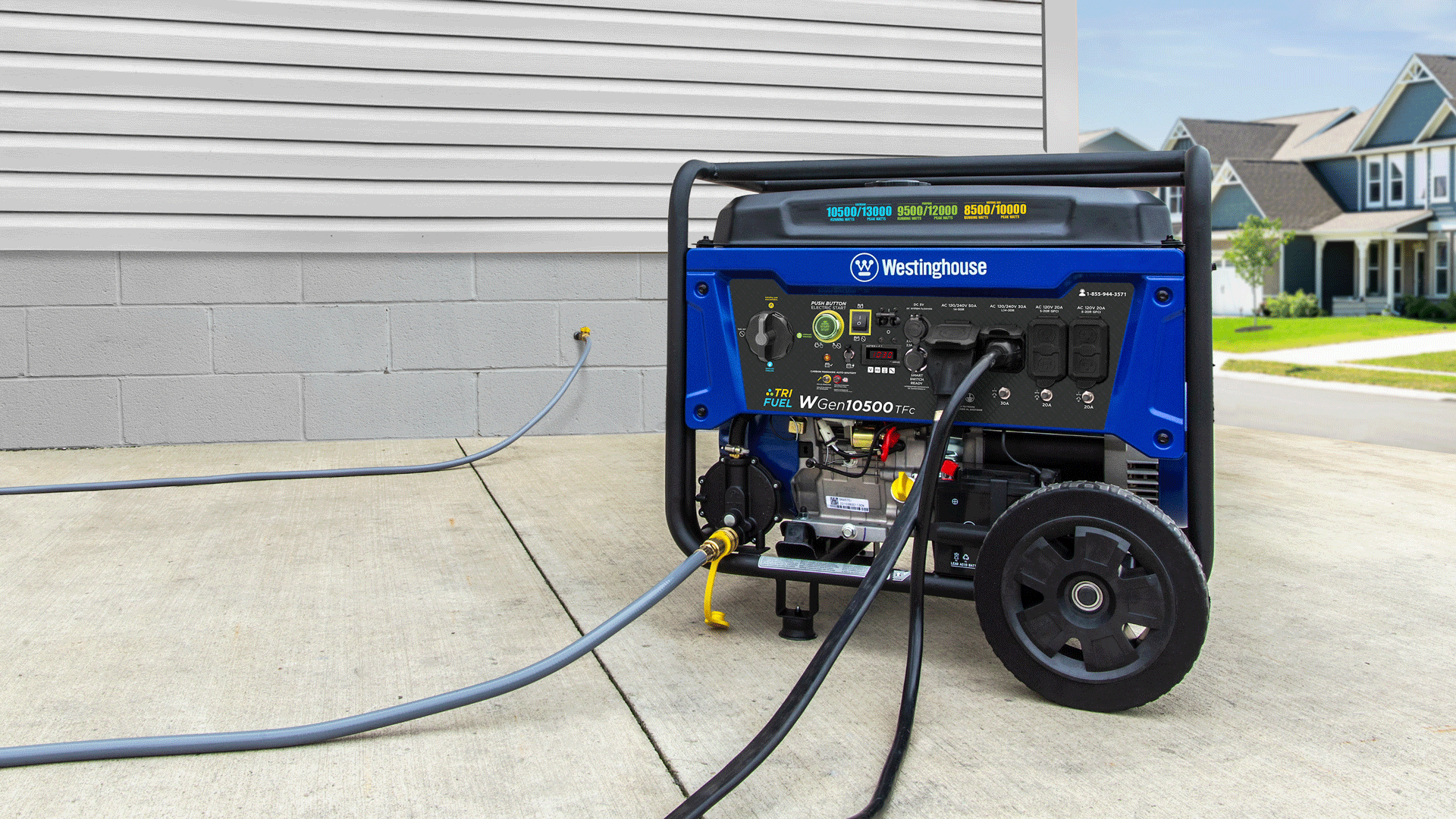
Step-by-step: how to connect Westinghouse generator to house
Follow these steps for a typical manual transfer switch install. This is a general guide. Your model and local code may differ.
- Plan and size the system
- Decide which circuits to power and the generator size.
- Confirm the Westinghouse generator output is enough for chosen circuits.
- Turn off the main breaker
- Cut all power. Verify with a multimeter.
- Mount the inlet box outside
– Place near the main panel. Use weatherproof inlet rated for generator amperage. - Run conduit and wire to the transfer switch
- Use proper gauge wire for amperage. Label wires clearly.
- Install the manual transfer switch or subpanel
- Mount next to the main panel. Follow the transfer switch instructions.
- Connect chosen circuits to the transfer switch
- Move breaker-fed circuits to the transfer switch per instructions.
- Connect the inlet to the transfer switch
- Tighten terminals. Seal conduit for weather protection.
- Ground the generator inlet and panel
- Install a grounding rod if required. Bond per code.
- Test the system
- With utility power on, start generator test. Switch to generator mode and check circuits.
- Get inspection and approval
- Have the work inspected if required by local code before using.
If you are not a licensed electrician, do not attempt permanent panel changes. I have moved breakers myself only after getting permits and following inspection rules.

Wiring specifics and sizing
Use correct wire sizes. Wrong wire causes heat and failure.
- 30 amp 120V circuit
- Use 10 AWG copper for continuous loads
- 50 amp 240V generator inlet
- Use 6 AWG copper for long runs
- Breaker sizing
- Match breaker size to inlet rating
- Use two-pole breakers for 240V feeds
Use a multimeter and clamp meter to check voltage and current on test runs. Label the transfer switch circuits for easy use during outages. Keep wire runs as short as practical to reduce voltage drop.

Grounding and bonding
Grounding is vital for safety. Many Westinghouse portable generators have a floating neutral. That affects bonding rules.
- If generator has floating neutral
- Bonding at the transfer switch is required for standalone generator operation.
- If generator has bonded neutral to frame
- Do not bond neutral again at the house; consult code.
Drive a grounding rod near the inlet if local code requires. Connect generator frame, inlet, and transfer switch ground to the rod. If unsure, have an electrician test continuity and bonding. I have seen mis-bonded systems trip GFCIs; testing solved the issue.

Common mistakes and troubleshooting
Avoid these common errors.
- Backfeeding without a transfer switch
- This is dangerous and illegal in many areas.
- Wrong wire gauge
- Causes overheating and breaker trips.
- Not testing under load
- Some issues only appear when the generator is loaded.
- Poor connections
- Loose terminals create heat and failure.
Troubleshooting tips:
- If a circuit trips, reduce load and check breaker ratings.
- If lights flicker under load, test voltage at the panel and generator.
- If GFCIs trip, check neutral bonding and shared neutrals.
From my experience, labeling and a simple test checklist prevent most problems. Test the setup with typical home loads like fridge and a few lights before counting on it.
Maintenance and testing
Routine care keeps the system reliable.
- Run the generator monthly for 15–30 minutes
- Change oil per Westinghouse schedule
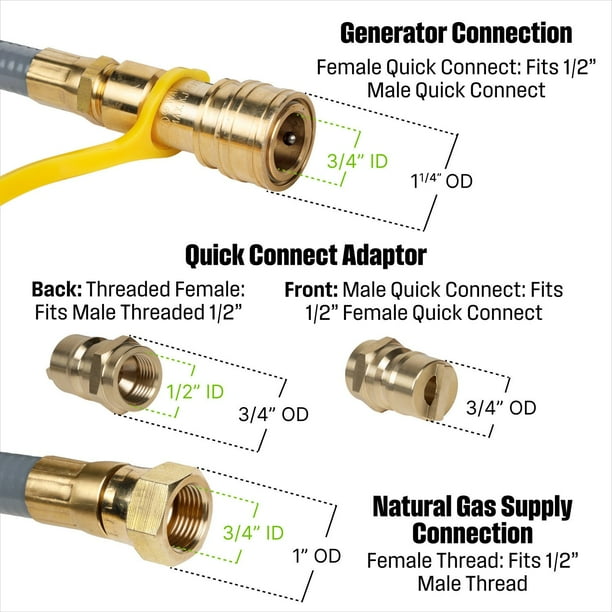
- Check fuel lines and battery (if electric start)
- Inspect inlet and cords for wear
- Test transfer switch operation annually
Keep spare oil and a basic tool kit near the unit. I keep a short checklist by my panel. It saves time and keeps my house powered when storms hit.
Frequently Asked Questions of how to connect westinghouse generator to house
How do I safely connect a Westinghouse generator to my home?
Use a manual transfer switch or code-approved interlock with a proper generator inlet. Never backfeed through a wall outlet.
Do I need a licensed electrician to connect a generator?
Local codes often require licensed electricians for permanent panel work and inspections. Hire one if you are not confident with electrical panels.
What size generator do I need for whole-house backup?
Whole-house needs vary by home. Add up the watts of major appliances and HVAC. A generator rated large enough to cover peak loads is required for full-home backup.
Can I use an extension cord to power my house?
No. Extension cords are unsafe for whole–house power. Use a proper inlet and transfer switch designed for generator connections.
How often should I test my Westinghouse generator system?
Run the generator monthly and test the transfer switch annually. Regular tests keep the unit ready and show wiring issues early.
Conclusion
You can connect a Westinghouse generator to house safely with the right gear and steps. Use a manual transfer switch or approved interlock, size wiring correctly, and follow grounding rules. If you are unsure, hire a licensed electrician and get permits. Start by planning which circuits you need, gather the right tools, and run a careful test. Take action now: review your panel, pick the correct transfer option, and schedule a professional if you need help. Share your questions or experiences below and subscribe for more practical home power guides.