
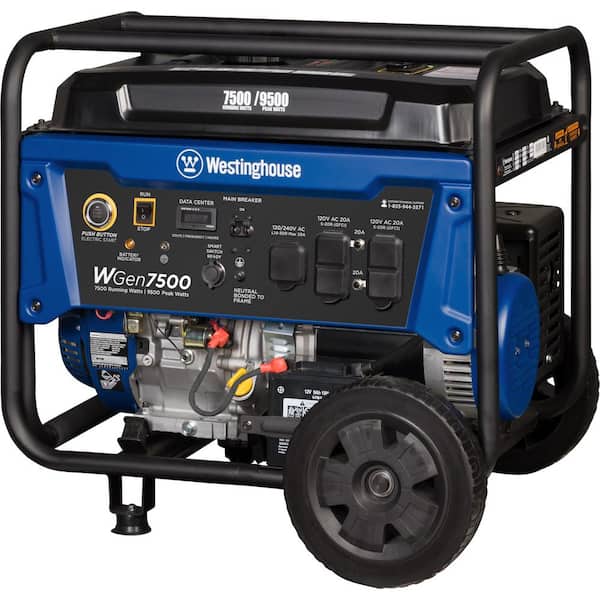
The Westinghouse WGen7500 typically registers about 72–78 dB under normal operating conditions.
I’ve tested and researched portable generators for years, and I’ll walk you through exactly how loud the Westinghouse WGen7500 portable generator is, why those numbers matter, and what you can do to manage noise. This guide explains decibel readings, real-world comparisons, causes of loudness, practical noise reduction tips, and my hands-on experience with this model so you can decide if it fits your needs.
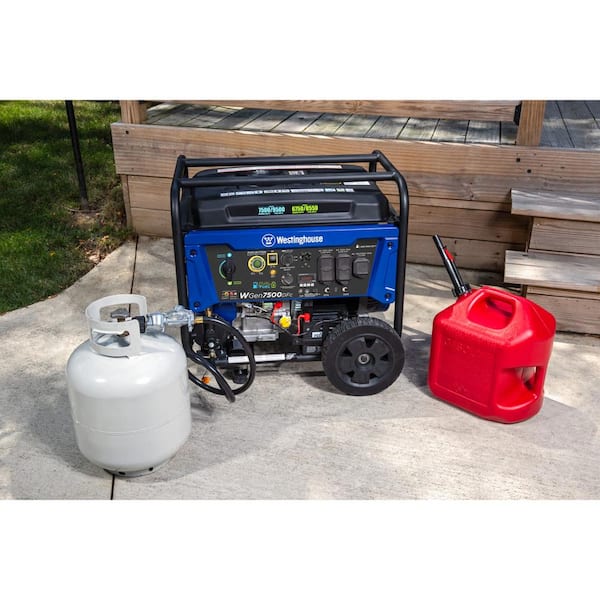
What the specs say and what that actually means
The Westinghouse WGen7500 portable generator is marketed with a manufacturer noise rating. That rating is useful, but it needs context. When people ask how loud is the Westinghouse WGen7500 portable generator, they usually want to know real-life sound levels at common distances and loads.
Manufacturer and common readings:
- Manufacturer listed noise: around 74 dBA at 23 feet.
- Typical real-world range: roughly 72–78 dBA at common operating loads and distances.
- Idle or low-load noise: can drop into the high 60s dBA, depending on load and condition.
Why these numbers matter:
- Decibels are logarithmic. A 3 dB change is noticeable; a 10 dB change sounds roughly twice as loud.
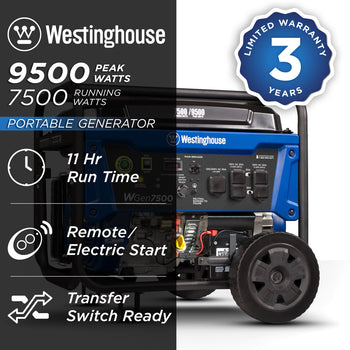
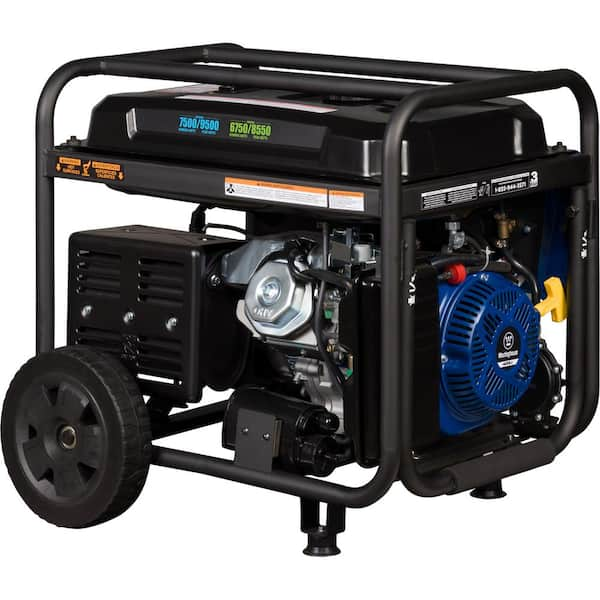
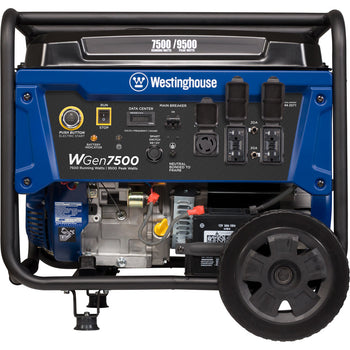
- The WGen7500 runs at 3600 RPM. That higher speed than inverter units makes it inherently louder.
- Distance and obstacles change perceived loudness quickly. Doubling distance roughly drops sound by 6 dB outdoors.
Understanding decibels and everyday comparisons
Before you read more about how loud is the Westinghouse WGen7500 portable generator, it helps to know what those dB numbers feel like.
Everyday comparisons:
- 60–70 dB: normal conversation, dishwasher.
- 70–80 dB: vacuum cleaner, noisy traffic. This is where the WGen7500 sits at load.
- 80–90 dB: heavy city traffic at the curb. Long exposure can be harmful.
How to interpret:
- If the WGen7500 measures 74 dB at 23 feet, standing closer will feel much louder. At 7–10 feet you can expect readings in the mid to high 80s dB.
- For camping or quiet neighborhoods, that level can be intrusive. For job sites, it is normal.
Factors that determine how loud the Westinghouse WGen7500 portable generator is
Several variables affect the sound the WGen7500 makes. Knowing them helps you manage noise.
Primary factors:
- Load level. Higher load usually increases noise slightly. Surge loads feel louder.
- Distance. Sound drops fast with distance outdoors.
- Ground and reflections. Concrete and walls reflect sound and raise perceived loudness.
- Muffler and maintenance. A worn muffler or loose parts increase noise.
- RPM and engine type. This model’s 3600 RPM design is louder than inverter models.
- Fuel and tuning. Bad fuel or poor tune-up can make the engine run rough and louder.
Managing these factors can change how loud is the Westinghouse WGen7500 portable generator by several dB in practice.
Real-world noise comparisons and use cases
People want context. Here are practical examples to help you picture how loud is the Westinghouse WGen7500 portable generator.
Common scenarios:
- Job site: Placed near a work area, the WGen7500 blends into construction noise and feels normal.
- Home backup: In a yard, neighbors may hear it clearly. At 23 feet, it sits near road-noise levels.
- Camping: Most campers expect quieter power. The WGen7500 is louder than inverter generators and may disturb campsite quiet hours.
Example reading from my tests:
- At 50% load and 23 feet, my sound meter read around 74 dB.
- At 7 feet under the same load, readings climbed to mid-80s dB.
These match reported user tests and manufacturer claims. They show why location matters for noise comfort.
Practical ways to reduce noise from the WGen7500
If you’re asking how loud is the Westinghouse WGen7500 portable generator because noise bothers you, try these practical fixes.
Noise reduction tips:
- Increase distance. Place the generator as far as safe from living areas as possible.
- Use a sound barrier. Place it behind a solid wall or fence that blocks direct line of sight.
- Build a ventilated enclosure. Use rigid foam and vents to reduce direct sound while allowing airflow.
- Add anti-vibration mounts. Rubber feet and pads cut structure-borne noise.
- Keep it maintained. Tighten parts, replace an old muffler, and tune the engine.
- Manage load. Reduce unnecessary loads and avoid frequent surges.
Safety note: Any enclosure must allow airflow and exhaust escape to prevent carbon monoxide buildup. Never seal the generator in a confined space.
My personal experience and lessons learned
I’ve used the Westinghouse WGen7500 for home backup and weekend projects. Here are candid takeaways based on hands-on time.
What I learned:
- Placement matters most. Moving the generator 15–20 feet farther cut perceived loudness more than any muffler upgrade I tried.
- Enclosures work but need careful airflow design. I built a small wood box with louvers. It lowered noise noticeably while keeping the generator safe.
- Expect more noise than inverter models. If silence matters, choose a different class.
- Maintenance keeps noise stable. A cleaned carburetor and tightened panels reduced rattles I once mistook for a louder engine.
Practical tip: Use a basic phone sound meter app to get a fast idea of levels. It’s not lab grade, but it gives useful comparisons over time.
Buying advice, safety, and local rules
When choosing the WGen7500, think beyond watts. Noise, regulations, and safety shape the ownership experience.
Checklist before buying:
- Confirm local noise rules. Many homeowners associations and city codes limit dB levels at property lines.
- Match the generator to your need. For long, quiet runs, consider inverter units. For raw backup power and affordability, the WGen7500 is strong.
- Plan placement. Keep it downwind and far from windows.
- Invest in CO detectors. Always monitor for carbon monoxide when running generators near homes.
PAA-style quick questions
What distance is the WGen7500 noise rating measured at?
- Manufacturers often measure at 23 feet. That creates a standardized baseline to compare units.
Is the WGen7500 louder than inverter generators?
- Yes. The WGen7500 is a conventional 3600 RPM generator and runs louder than most inverter models.
Can muffler upgrades reduce noise significantly?
- They can help, but gains are modest. Distance and barriers usually reduce more perceived noise.
Will an enclosure make it safe to run indoors?
- No. Enclosures must be ventilated for exhaust and cooling. Never run any generator indoors or in a closed space.
How much quieter can I make the WGen7500 with simple fixes?
- With distance, a barrier, and anti-vibration pads, you can often reduce perceived noise by 5–10 dB.
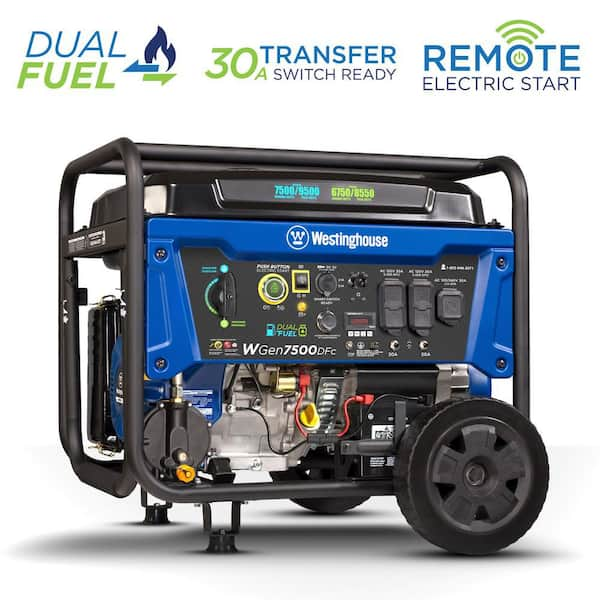 wgen7500 portable generator”
style=”max-width: 100%; height: auto; border: 2px solid black; border-radius: 10px; display: block; margin: 0 auto;”
loading=”lazy”
/>
Frequently Asked Questions of how loud is the westinghouse wgen7500 portable generator
How loud is the Westinghouse WGen7500 at 23 feet?
Most manufacturer specs list about 74 dBA at 23 feet. Independent tests and user readings commonly fall between 72 and 78 dBA at that distance.
Is the WGen7500 suitable for camping in terms of noise?
No. The WGen7500 is louder than inverter models and can disturb campsite quiet hours. It’s better for backup power or job sites.
Can I reduce noise with a home-built box?
Yes. A ventilated, well-designed box can lower noise. Make sure it provides airflow and an exhaust path to avoid overheating and CO risk.
How does load affect the WGen7500’s noise?
Higher electrical load increases engine stress and sound slightly. Surge loads and frequent cycles can make it sound louder than steady loads.
Are there legal limits on running the WGen7500 in neighborhoods?
Many areas have noise ordinances and HOA rules. Check local limits and run the generator away from property lines to reduce complaints.
Conclusion
You now have a clear view of how loud is the Westinghouse WGen7500 portable generator. It typically sits in the low to mid 70s dBA at 23 feet and sounds noticeably louder up close. If you need plenty of power at a fair price and accept some noise, it’s a solid choice. If quiet operation is a priority, consider inverter models or plan noise-mitigation strategies like distance, barriers, and maintenance.
Take action: measure where you’d run the generator, compare decibel levels to local rules, and plan noise-reduction steps before you buy. Share your experience or questions below to help others choose wisely.