
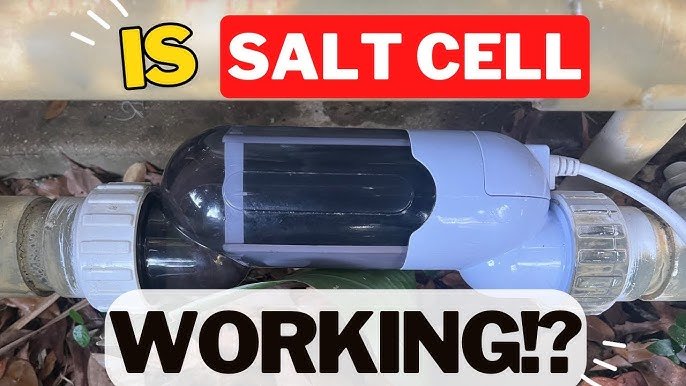
Is your pool water crystal clear, or does it look like a swamp? If you have a saltwater pool, the performance of your salt generator plays a crucial role in maintaining that sparkling clarity.
But how do you know if your salt generator is working properly? You might be asking yourself this very question, especially if you’ve noticed changes in your pool’s appearance or quality. You’ll discover the key signs that indicate whether your salt generator is functioning well.
We’ll break down simple tests you can perform and the common issues to look out for. By the end, you’ll have the confidence to troubleshoot your system and ensure your pool remains a refreshing oasis. Let’s dive in and make sure your salt generator is doing its job!

Credit: www.youtube.com
Signs Of Proper Functioning
Knowing if your salt generator works well is important. Look for clear signs. These signs show that your system is doing its job.
Stable Chlorine Levels
Check your chlorine levels regularly. They should stay within the ideal range. This range is usually between 1 and 3 parts per million (ppm). Low or high levels can indicate a problem. A stable reading means your generator is producing chlorine correctly.
Clear And Clean Pool Water
Your pool water should look clear and inviting. Cloudy or green water suggests issues. A working salt generator helps maintain cleanliness. It keeps algae and bacteria at bay. Regular checks will show if your water stays clear.
Minimal Chlorine Odor
Take a moment to notice the smell. A strong chlorine odor can signal trouble. A properly functioning generator produces less odor. You should smell only a faint scent. This means your pool is balanced and safe for swimming.
Common Issues To Watch For
Keeping your salt generator in good shape is important. Some issues can signal problems. Watch for these signs to ensure your generator works well.
Low Chlorine Production
Low chlorine levels can indicate a problem. Check your pool’s chlorine readings. They should be within the recommended range. If levels are low, your salt generator may not be producing enough chlorine. This can lead to algae growth and cloudy water.
Unusual Pool Water Appearance
Clear water is a sign of a healthy pool. Cloudy or green water suggests trouble. This may mean your salt generator is not functioning. Look for debris or unusual odors as well. These can be signs that your generator needs attention.
Error Codes On The Control Panel
Error codes are clear warnings. They help identify specific issues. Always check the control panel for any codes. Refer to the user manual for meanings. Address any issues as soon as possible to keep your generator running smoothly.
Testing The Salt Generator
Testing your salt generator is key to keeping your pool clean. Regular checks help ensure it works properly. This section covers the main tests you can do.
Checking Chlorine Output
First, check the chlorine output from your salt generator. Chlorine keeps your pool water safe. Look for a reading of 1 to 3 ppm. This range indicates proper chlorine levels.
If the output is low, your generator may not be working. Check the settings on your unit. Ensure it runs for the right amount of time. A malfunctioning generator will need repairs.
Inspecting Salt Levels
Next, inspect the salt levels in your pool. The ideal salt level usually ranges from 2700 to 3400 ppm. Use a salt test strip or meter to measure this.
Low salt levels can affect chlorine production. Add more salt if levels are too low. Always follow the manufacturer’s guidelines for the right amount.
Using A Water Testing Kit
Finally, use a water testing kit. This kit helps you check various water parameters. Look for pH, alkalinity, and chlorine levels.
Maintenance Practices
Taking care of your salt generator is crucial. Regular maintenance ensures it works well. A few simple steps help keep it in top shape.
Regular Cleaning Of The Cell
Cleaning the cell is essential. Debris can build up over time. This buildup reduces efficiency. Check the manufacturer’s guidelines for cleaning frequency.
Use a soft brush and mild cleaner. Avoid harsh chemicals. Rinse thoroughly after cleaning. This prevents damage to the cell components.
Inspecting For Calcium Buildup
Calcium buildup can hinder performance. Regularly inspect the cell for white deposits. These deposits can block the flow of water. Remove any buildup as soon as you see it.
Use vinegar for a natural cleaning solution. Soak the cell in vinegar to dissolve calcium. Rinse well afterward to ensure no residue remains.
Monitoring Salt Concentration
Salt concentration affects the generator’s function. Check the salt level regularly. Use a reliable test strip or meter for accuracy.
Adjust salt levels according to the manufacturer’s recommendations. Proper levels ensure effective chlorine production. This keeps your pool water clean and safe.
When To Seek Professional Help
A salt generator should be checked if your pool water feels off or if the chlorine levels are low. Signs like cloudy water or algae growth indicate a problem. Seeking professional help can ensure your system runs smoothly and maintains water quality.
Knowing when to seek professional help for your salt generator can save you both time and money. You might feel unsure about the right moment to call in an expert. Identifying specific issues can lead you to a clearer decision. Let’s look at some signs that signal it’s time to get professional assistance.
Persistent Low Chlorine Levels
If you consistently notice low chlorine levels in your pool, it’s a red flag. Salt generators should maintain a steady chlorine output. When your readings remain low despite adjusting settings and ensuring proper salt levels, it’s time to consult a professional. You might have tried adding more salt or adjusting the generator’s settings. If nothing improves, you’re facing an underlying issue. Professionals can assess whether the generator is functioning correctly or if there’s a problem with the cell itself.
Unresolved Error Messages
Error messages can be frustrating and confusing. If your salt generator displays persistent error codes, don’t ignore them. These messages often indicate malfunctions that require expert attention. After troubleshooting on your own, do you still see the same errors? If so, it’s best to seek help. A qualified technician can diagnose the problem accurately and prevent further damage to your system.
Cell Replacement Or Repairs
Over time, the cell in your salt generator may need replacement or repair. If you notice a significant drop in performance, this could be the cause. Cells have a limited lifespan and can wear out, affecting chlorine production. Attempting to replace or repair the cell yourself can lead to mistakes. Calling a professional ensures that the job is done right. They’ll check for any additional issues and help you maintain optimal pool conditions. Don’t hesitate to reach out for help when faced with these challenges. Your pool’s health depends on it.

Credit: www.reddit.com

Credit: www.astralpool.com.au
Frequently Asked Questions
How Can I Tell If My Salt Generator Is Faulty?
To determine if your salt generator is faulty, check for error codes on the control panel. Ensure that the salt level is adequate and the water temperature is within the recommended range. Inspect the cell for signs of scaling or corrosion, as these can affect performance.
What Are The Signs Of A Working Salt Generator?
A working salt generator produces consistent chlorine levels in the pool water. You may notice clear water and a lack of algae or bacteria. Additionally, a steady flow of bubbles from the return jets indicates that the generator is actively converting salt into chlorine.
Why Is My Salt Generator Not Producing Chlorine?
If your salt generator is not producing chlorine, it could be due to low salt levels. Ensure that the salt concentration is within the manufacturer’s recommended range. Also, check for any debris or scaling in the cell, as these can obstruct proper function.
How Often Should I Check My Salt Generator?
You should check your salt generator every few weeks, especially during peak swimming season. Regular checks help maintain optimal chlorine production and prevent potential issues. Additionally, monitor the salt levels and clean the cell as needed for efficient operation.
Conclusion
Knowing if your salt generator works is essential. Regular checks help maintain clean water. Look for clear signs, like consistent chlorine levels. A quick test can save time and money. Remember, a properly functioning generator keeps your pool safe. Don’t ignore any unusual signs.
Take action early to avoid bigger problems. Keeping your pool in good shape is worth the effort. Enjoy a refreshing swim in clear water. Stay vigilant and keep your salt generator running smoothly. Your pool deserves the best care.