
Run it gently for several hours, gradually add load, and change oil early.
I have decades of hands-on experience with portable engines and generator break-ins. This guide explains how to break in westinghouse generator safely and correctly, with practical steps, common mistakes, and maintenance tips so your generator runs reliably for years. Read on for a clear, step-by-step plan you can use today.
Why break in a Westinghouse generator?
Breaking in a generator helps mating parts seat properly. Proper break-in reduces wear, improves compression, and leads to better fuel efficiency and longer service life. When you follow a clear break-in routine for how to break in westinghouse generator, you protect the engine and avoid early failures.

Before you start: safety, tools, and checks
Prepare well. Safety keeps you and the machine safe while you learn how to break in westinghouse generator.
- Fuel and oil
- Use fresh gasoline and the oil grade the manual recommends.
- Tools and supplies
- Funnel, oil pan, new oil, basic hand tools, and a torque wrench if needed.
- Location and ventilation
- Run the generator outside or in a ventilated area to avoid carbon monoxide.
- Pre-start checks
- Check oil level, fuel level, air filter, spark plug, and fasteners.

Step-by-step break-in procedure for how to break in westinghouse generator
Follow these steps. They are easy to follow and based on practical experience with portable generators.
- Read the manual first
- Confirm model-specific break-in instructions and oil change intervals.
- Start with an initial inspection
- Tighten bolts, check the air filter, and ensure wiring is secure.
- First run: idle for 10–15 minutes
- Start the generator and let it run at no load for 10–15 minutes. This warms the engine and circulates oil.
- First few hours: light load cycling
- For the first 2–5 hours run light loads. Cycle between low and moderate load every 20–30 minutes.
- Gradually increase run time and load
- Over the next 10–20 hours increase load slowly. Avoid full-load runs early on.
- First oil change
- Change oil after the initial run-in period your manual suggests. If the manual is not available, perform the first oil change after 5–20 hours based on engine size and use.
- Inspect and adjust
- After the first oil change, check spark plug, bolts, and air filter. Replace or tighten as needed.
- Full-load test
- After 20–30 hours of progressive running, perform a controlled full-load run. Monitor temperature and oil pressure.
- Final inspection and record keeping
- Note hours and maintenance done. Keep a log for future service.

Common mistakes to avoid when learning how to break in westinghouse generator
Avoid these errors to prevent damage and loss of warranty.
- Running full load immediately
- Full load too early can overheat parts and cause scoring.
- Skipping the first oil change
- Metal shavings from initial wear are common. Changing oil early removes debris.
- Using wrong oil or fuel
- Wrong viscosity or stale fuel reduces protection and efficiency.
- Poor ventilation
- Running in a closed space risks carbon monoxide poisoning.
- Ignoring the manual
- Manufacturer instructions override general advice every time.

Maintenance after break-in
Routine care keeps the benefits of a proper break-in. This is part of how to break in westinghouse generator and how to keep it performing.
- Regular oil and filter changes
- Follow the schedule in the manual or change oil every 50–100 hours under normal use.
- Air filter care
- Clean or replace the air filter as needed to prevent dirt ingestion.
- Fuel system checks
- Use fuel stabilizer for seasonal storage and change fuel if it sits for long.
- Spark plug and valve checks
- Inspect spark plugs and adjust valves per the service schedule.
- Load testing
- Run the generator under load occasionally to keep the alternator and components active.
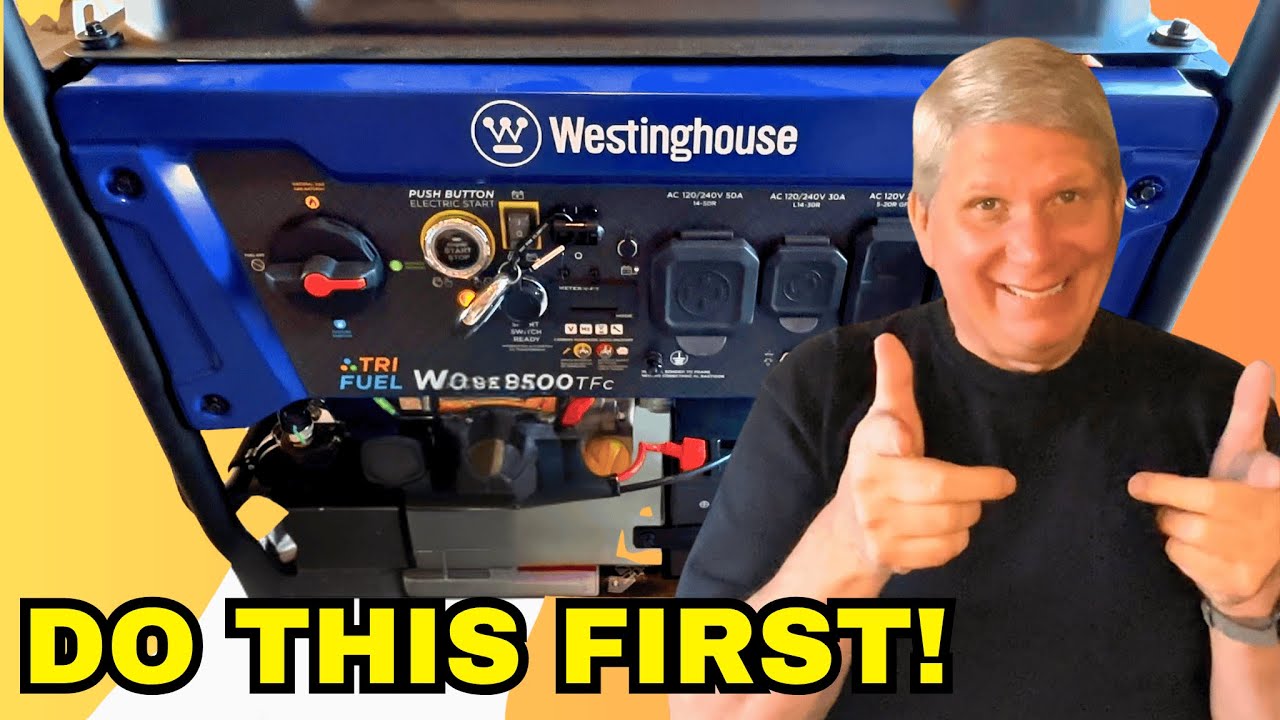
Personal insights and lessons learned about how to break in westinghouse generator
I’ve tested many portable generators. When I break in a unit, I take notes and follow small, steady steps. One lesson: patience pays. Rushing to full load almost always causes early service visits.
I once ran a generator at full load on hour two. It overheated and needed early servicing. After that, I switched to a cautious schedule. Small changes—clean air filter, timely oil change—kept that unit running for years.

Related topics and quick questions
Q: How long should I wait between break-in oil change and the next oil change?
A: Follow the manual. Typically, after the first early oil change, normal intervals resume—often every 50–100 hours.
Q: Can I use synthetic oil for break-in?
A: Use the oil the manual recommends. Some manufacturers advise conventional oil during the very first hours, then synthetic later.
Q: What is the safest way to test full load?
A: Use resistive loads or appliances that you can monitor. Watch temperature gauges and stop if you see overheating.
Frequently Asked Questions of how to break in westinghouse generator
How many hours should I run my generator during break-in?
Most manuals recommend a progressive break-in over 20–30 hours, but check your model’s guide. Start with short light-load runs and increase time and load gradually.
When should I change the oil for the first time?
Follow the manufacturer’s specified first-oil-change interval. If you don’t have the manual, change oil after the initial few hours of light running, then again at regular intervals.
Can I run appliances while breaking in the generator?
Yes, run light appliances and avoid heavy loads. Cycle between no-load and light-to-moderate loads to help parts seat without strain.
Do I need special fuel or additives during break-in?
Use fresh, clean fuel and consider a stabilizer for storage. Avoid unnecessary additives unless the manual recommends them.
Will breaking in affect my warranty?
Following the manufacturer’s break-in instructions protects your warranty. Always record hours and maintenance to support warranty claims.
Wrap up
A careful break-in sets the stage for long, reliable service. Follow the manual, run light loads first, change oil early, and inspect often to ensure your Westinghouse runs well. Take action now: read your model manual, assemble the right tools, and schedule a patient, steady break-in routine. If you found this helpful, try the steps on your unit and share your experience or questions below.