

Improving your generator’s power factor can make a significant difference in efficiency and performance. If you’re noticing higher energy costs or reduced output, you might be dealing with a power factor issue.
Understanding how to enhance this crucial aspect can save you money and extend the life of your equipment. You’ll discover practical tips and strategies tailored for your needs. Whether you’re a business owner, an engineer, or simply someone interested in optimizing your generator, you’ll find valuable insights that can lead to immediate benefits.
Don’t miss out on the chance to boost your generator’s efficiency and performance—let’s dive in!
Power Factor Basics
Understanding power factor is key for generator performance. It affects efficiency and energy costs. A good power factor means better use of electrical power.
Let’s explore the basics of power factor. We will cover its definition, importance, and the concepts of real and reactive power.
Definition And Importance
Power factor is a measure of how effectively electrical power is used. It is the ratio of real power to apparent power. A power factor close to 1 is ideal.
A low power factor indicates poor efficiency. It can lead to higher energy costs and wasted capacity. Utilities may charge extra fees for low power factors.
Real And Reactive Power
Real power, measured in watts, does useful work. It powers lights, motors, and appliances. Reactive power, measured in volt-amperes reactive (VAR), does not perform work. It supports the voltage needed for equipment operation.
Both types of power are vital for electrical systems. Real power drives productivity. Reactive power helps maintain voltage levels.
Balancing both powers improves the power factor. This leads to better performance and reduced costs. Understanding these concepts is essential for managing generator efficiency.
Causes Of Low Power Factor
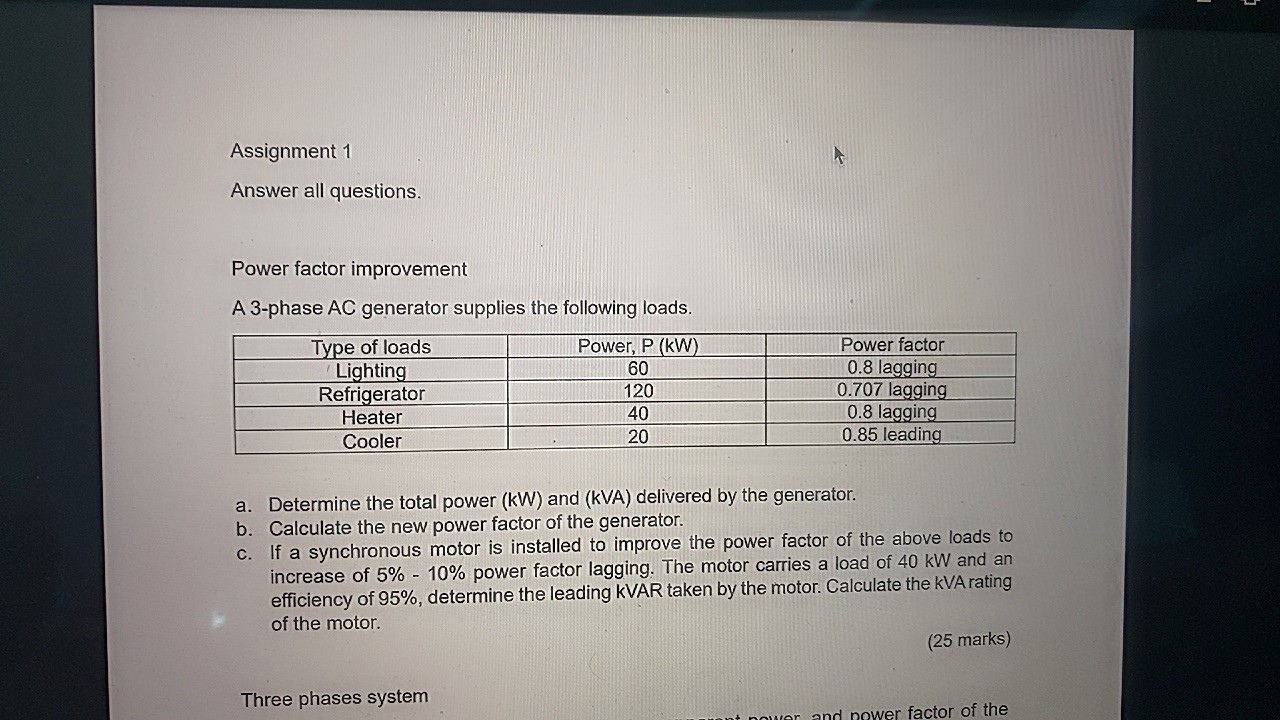
Low power factor can result from inductive loads like motors and transformers. Poor wiring and harmonics from electronic devices also contribute. Understanding these causes is essential to improve generator power factor effectively.
Understanding the causes of low power factor is crucial for optimizing your generator’s performance. A low power factor can lead to inefficiencies, increased energy costs, and potential damage to your equipment. Let’s break down the main factors that contribute to this issue.
Load Characteristics
The type of load connected to your generator significantly influences the power factor. Resistive loads, like heaters and incandescent bulbs, use power efficiently. In contrast, appliances that require motors or transformers can create a lagging power factor, as they demand more reactive power. Have you noticed that certain appliances, such as air conditioners or refrigerators, draw more power when they start up? This surge can momentarily lower your power factor, impacting overall performance. Keeping an eye on your load characteristics helps you manage your generator’s efficiency effectively.
Impact Of Inductive Loads
Inductive loads are one of the primary culprits behind low power factors. These loads include motors, pumps, and transformers. They require both real power and reactive power to operate, leading to a phase difference between voltage and current. Consider how your industrial equipment might be affecting your generator. If you have multiple inductive loads running simultaneously, your generator will struggle to supply sufficient power. This not only lowers the power factor but can also result in overheating and premature wear on your equipment.
Harmonic Distortions
Harmonic distortions stem from non-linear loads, such as variable frequency drives and computer systems. These distortions can create additional current that does not contribute to useful work, further reducing the power factor. Have you experienced flickering lights or unusual noises from your generator? These could be signs of harmonic distortions at play. Regularly monitoring and managing these distortions can enhance your generator’s efficiency and prolong its lifespan.
Understanding these causes empowers you to take actionable steps. Assess your load characteristics, consider the impact of inductive loads, and keep an eye on harmonic distortions. Identifying these issues early on can make a significant difference in your generator’s performance.
Methods To Enhance Power Factor
Improving the power factor of a generator helps it run more efficiently. A better power factor reduces energy waste and improves performance. Several methods can help achieve this goal. Below are some effective techniques.
Capacitor Installation
Installing capacitors is a common method to enhance power factor. Capacitors store electrical energy and release it when needed. This reduces the amount of reactive power drawn from the grid. By using capacitors, you can balance the inductive loads in your system.
Choose the right size and type of capacitor for your needs. Proper sizing is crucial for effectiveness. Over or under-sizing can lead to issues. Regular maintenance is also important for long-term performance.
Synchronous Condensers
Synchronous condensers are another option to improve power factor. These devices can adjust their output to match the load. They provide reactive power support in real time. This helps maintain a stable voltage level in the system.
Synchronous condensers can also improve system stability. They can respond quickly to changes in load. This flexibility makes them suitable for various applications.
Power Factor Correction Devices
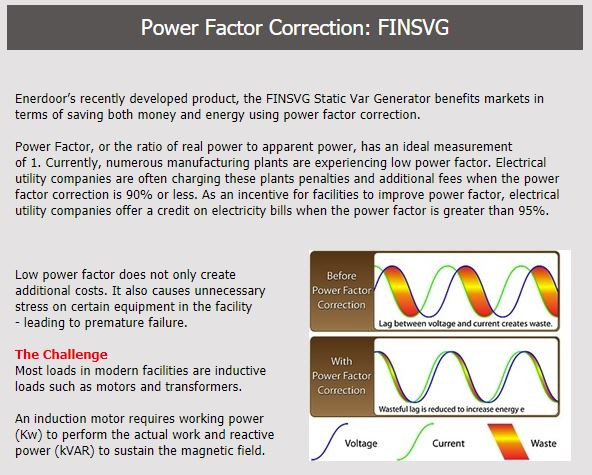
Power factor correction devices are designed to enhance efficiency. These devices automatically adjust the power factor. They can sense changes in the system and act accordingly.
Some correction devices include automatic capacitor banks and filters. These tools help maintain a desired power factor. They minimize energy losses and improve overall performance.
Credit: www.enerdoor.com
Generator Design Considerations
Generator design plays a key role in improving power factor. Proper design helps generators perform efficiently. It reduces losses and enhances overall performance. Focusing on generator sizing and excitation systems makes a significant difference.
Optimizing Generator Sizing
Correctly sizing a generator is crucial. An undersized generator leads to poor performance. It cannot meet the load demands. This results in a lower power factor.
On the other hand, an oversized generator wastes energy. It operates inefficiently at low loads. Proper calculations are needed to find the right size. Consider factors like load type and peak usage.
Using load analysis tools helps in making the right choice. These tools analyze power needs over time. Accurate sizing improves the generator’s efficiency. It helps maintain a higher power factor.
Improving Excitation Systems
Excitation systems control the voltage of generators. A well-designed excitation system boosts power factor. It allows the generator to respond quickly to changes in load.
Upgrading to modern excitation systems can be beneficial. These systems offer better stability and control. They help maintain voltage levels during varying load conditions.
Regular maintenance of excitation systems is also important. It ensures they function correctly. A reliable system leads to a higher power factor. This ultimately enhances the generator’s performance.
Monitoring And Maintenance
Monitoring and maintenance are key to improving generator power factor. Regular checks can identify problems early. This helps in maintaining efficiency. Proper tools and routines ensure your generator runs well. Let’s explore important aspects of monitoring and maintenance.
Power Factor Monitoring Tools
Using the right tools is essential. Power factor meters measure the efficiency of your generator. These tools show how much power is wasted. Some tools can connect to your generator’s control panel. They provide real-time data.
Software applications can also help. They analyze trends over time. This helps you understand your generator’s performance. Accurate monitoring leads to better decision-making.
Routine System Checks
Routine system checks keep your generator in top shape. Schedule checks every month. Inspect connections, cables, and components. Look for signs of wear or damage. Replace any faulty parts immediately.
Check the fuel and oil levels regularly. Clean filters and vents to prevent blockages. Ensure that the cooling system works efficiently. Addressing small issues prevents bigger problems later.
Document all maintenance activities. This creates a history of your generator’s health. Use this information for future reference. It helps in planning further maintenance.

Credit: www.tycorun.com
Benefits Of Improving Power Factor
Improving the power factor of a generator offers several advantages. It boosts efficiency, reduces energy costs, and minimizes stress on equipment. A better power factor leads to a more reliable power supply and can extend the generator’s lifespan.
Improving your generator’s power factor can lead to significant benefits for your energy consumption and overall operational efficiency. Understanding these advantages can motivate you to take action and make necessary adjustments. Here are some key benefits of enhancing your generator’s power factor.
Enhanced Energy Efficiency
Improving your power factor directly translates to better energy efficiency. When your generator operates with a higher power factor, it uses electrical energy more effectively. This means that more of the energy consumed goes towards doing useful work rather than being wasted. You might notice that your equipment runs smoother and your energy bills decrease. This improvement can lead to a more sustainable operation, reducing your carbon footprint.
Reduced Operational Costs
A higher power factor results in lower operational costs. Utility companies often charge penalties for low power factor readings. By enhancing your power factor, you can avoid these extra charges, leading to significant savings. Think about it: what would you do with the extra money saved on your monthly bills? Investing that savings back into your business could lead to further improvements and growth.
Prolonged Equipment Lifespan
Your equipment benefits from a higher power factor, extending its lifespan. When generators operate efficiently, they experience less stress and wear over time. This means fewer breakdowns and less frequent repairs. Have you ever had to replace a piece of equipment prematurely? Improving your power factor can help you avoid those frustrating costs and interruptions, allowing your operations to run smoothly for years to come. Enhancing your generator’s power factor is not just a technical upgrade; it’s a smart business decision that pays off in multiple ways.
Credit: www.chegg.com
Frequently Asked Questions
How Does Power Factor Affect Generator Performance?
Power factor indicates how efficiently a generator converts electrical power into useful work. A low power factor means more energy is wasted. This inefficiency can lead to increased fuel consumption and higher operational costs. Improving the power factor enhances generator performance and reduces expenses.
What Are Common Methods To Improve Power Factor?
Common methods to improve power factor include installing capacitors, using synchronous condensers, and optimizing load management. Capacitors help offset inductive loads, while synchronous condensers provide reactive power support. Additionally, proper load balancing reduces the overall demand, helping to maintain a better power factor.
Why Is A High Power Factor Important?
A high power factor is crucial for efficient power use. It reduces energy losses, enhances generator capacity, and minimizes electricity costs. Utilities often charge higher rates for low power factor usage. Thus, maintaining a high power factor can lead to significant financial savings for businesses.
Can I Measure The Power Factor Of My Generator?
Yes, you can measure the power factor of your generator using a power meter. This device calculates the ratio of real power to apparent power. Regular measurements help identify issues and track improvements over time. Monitoring ensures that your generator operates efficiently and effectively.
Conclusion
Improving the power factor of your generator is essential. It helps save energy and reduces costs. Simple steps can make a big difference. Regular maintenance keeps your generator running smoothly. Using power factor correction devices also helps. Monitoring your power factor regularly ensures optimal performance.
Small changes lead to better efficiency. A good power factor means less waste and more savings. Focus on these tips to enhance your generator’s power factor. A better power factor benefits everyone involved.