
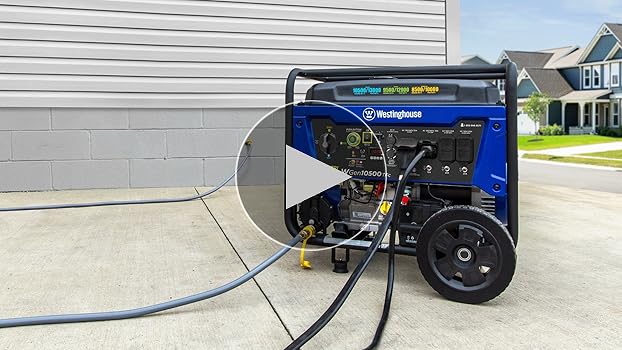
Turn a Westinghouse generator on by checking fuel and oil, setting switches, priming, then starting.
I have spent years working with portable generators and teaching homeowners and contractors how to operate them safely. In this article I will walk you through exactly how to turn on Westinghouse generator units step by step, explain safety checks, common problems, and maintenance tips so your generator starts reliably when you need it most. Read on to get clear, practical instructions and real-world advice you can trust.
Why you should know how to turn on Westinghouse generator
Knowing how to turn on Westinghouse generator models saves time and stress during power outages. Westinghouse makes many models with recoil and electric starts. The basic steps stay the same for most units. Learning these steps shortens downtime and prevents costly mistakes. This section gives context you need before starting.

Safety checks before you start
Always put safety first when you learn how to turn on Westinghouse generator. A safe start keeps you and others protected.
- Ensure the area is well ventilated. Generators produce carbon monoxide.
- Check fuel level. Use fresh fuel and the proper gasoline or propane for your model.
- Check oil level. Low oil often stops the engine via a shutoff sensor.
- Inspect spark plug and wiring for damage or loose connections.
- Confirm grounding and that cords are rated for outdoor use.
- Keep children and pets away while starting and running the generator.
Step-by-step: How to turn on Westinghouse generator
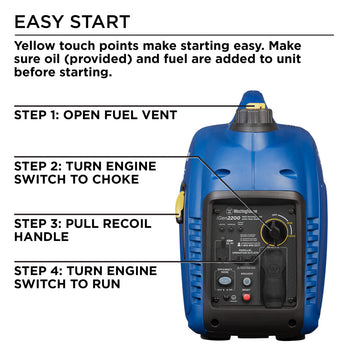
Follow these clear steps to start most Westinghouse generator models. I include both electric start and recoil start flows. Read all steps before you begin.
- Position the generator
- Place the generator on a flat, stable surface outdoors. Keep it away from doors and windows.
- Check fuel and oil
- Open the fuel cap and confirm fresh fuel. Check the oil dipstick and fill to the recommended level.
- Open the fuel valve
- Turn the fuel valve to the ON position. Some models have a petcock or fuel lever.
- Set the choke
- For cold starts, move the choke to CLOSED or START. For warm engines, set choke to OPEN or RUN.
- Turn the engine switch to ON
- Move the master switch or ignition to ON. This powers the ignition system.
- Prime if needed
- Some models have a primer bulb. Press it 3–5 times to move fuel to the carburetor.
- Starting method
- For electric start: Press the START button or key. Release when the engine runs.
- For recoil start: Pull the recoil handle smoothly until the engine fires. Do not yank; use steady force.
- Warm-up and adjust choke
- Let the engine run 1–3 minutes. Move the choke gradually to OPEN as the engine warms.
- Turn on the AC breaker
- Flip the generator's circuit breaker or outlet switch before connecting loads.
- Connect appliances safely
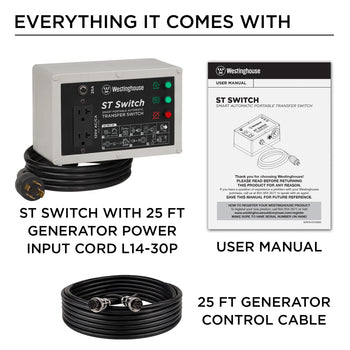
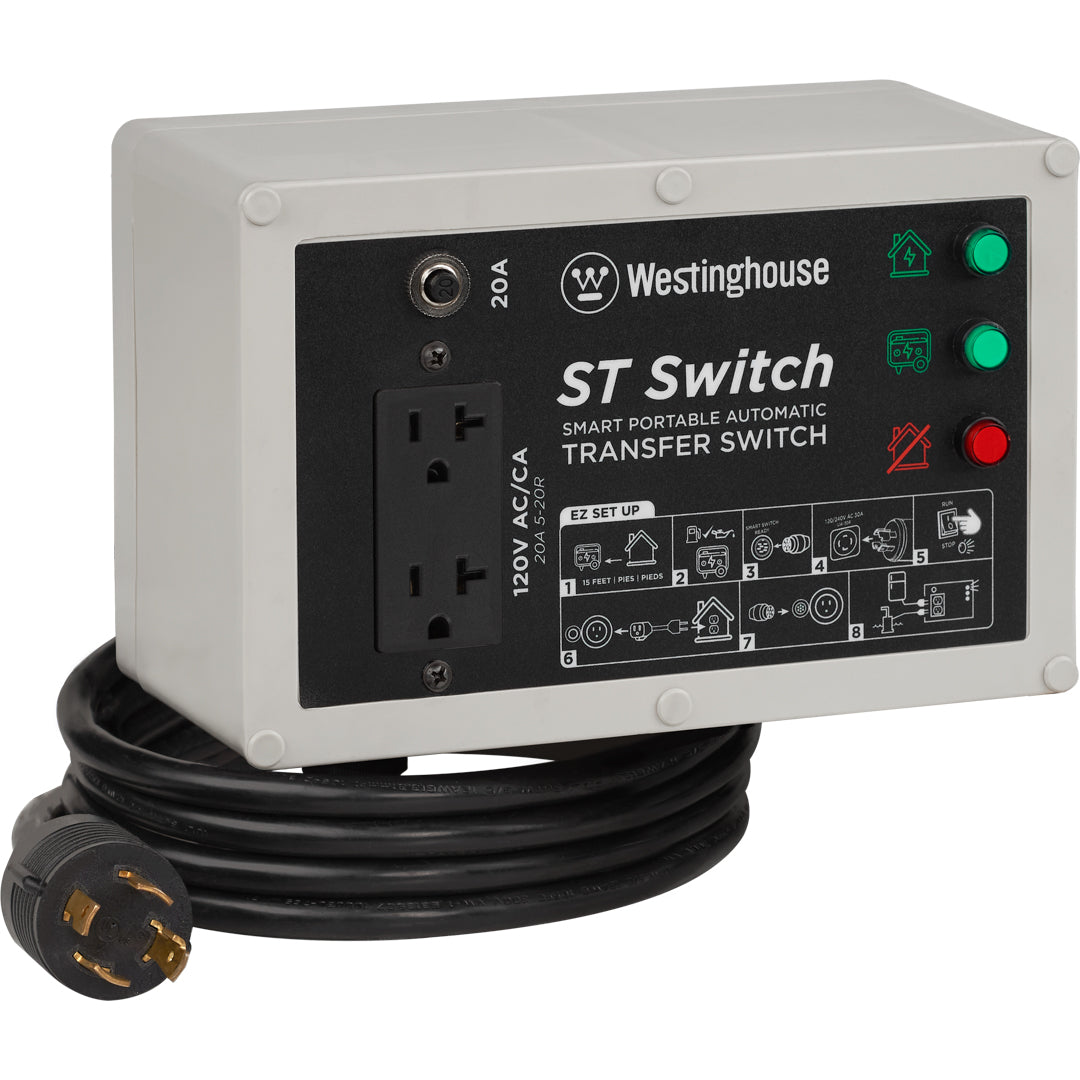
- Plug appliances directly or use a proper transfer switch. Add load slowly and keep under rated capacity.
If the generator does not start, stop and follow troubleshooting steps below. Never flood the engine with repeated pulls or prolonged cranking.

People also ask (short answers)
How long should I prime a Westinghouse generator?
Prime the bulb 3–5 firm presses. Over-priming can flood the carburetor.
Do I need to choke every time?
No. Use the choke for cold starts. Warm engines often start without choke.
Can I start the generator indoors?
No. Always start outdoors in well-ventilated areas to avoid carbon monoxide risk.
Troubleshooting common starting problems
Even with care, you may need to troubleshoot when learning how to turn on Westinghouse generator units. These checks fix most issues.
- No start and no sound
- Check fuel valve, on/off switch, and fuel level. Inspect battery for electric start models.
- Cranks but won’t fire
- Check spark plug, fuel flow, choke position, and primer bulb. Replace a foul spark plug.
- Starts then stalls
- Look for clogged fuel lines, stale fuel, or a dirty carburetor. Check the low-oil sensor.
- Flooded engine
- Remove and dry the spark plug. Crank with choke open to clear excess fuel.
- Electric start failures
- Charge or replace the battery. Clean battery terminals and check starter connections.
When in doubt, refer to the owner’s manual for model-specific diagnostic tips. If you find persistent electronic or mechanical faults, seek service from a qualified technician.
Maintenance tips to ensure reliable starts
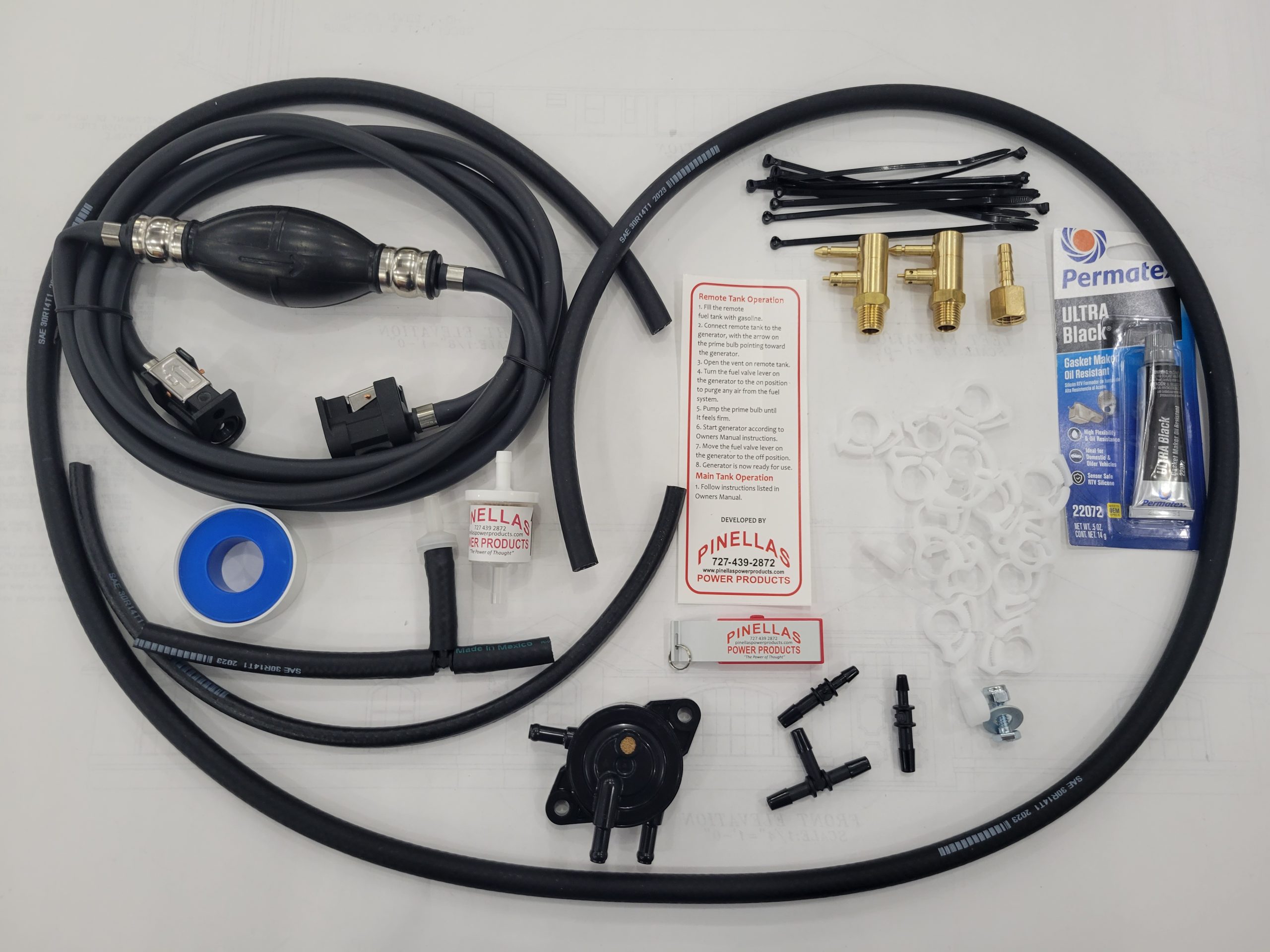
Routine care makes learning how to turn on Westinghouse generator easy over time. Do these simple tasks regularly.
- Change engine oil after first 20–30 hours, then every 50–100 hours or per manual.
- Add fuel stabilizer for seasonal storage and run the generator briefly every month.
- Inspect and replace the spark plug yearly or every 100 hours.
- Clean or replace the air filter if dusty or after extended use.
- For electric start models, keep the battery charged and check terminals.
- Store in a dry place and cover it to reduce dust and moisture.
A well-maintained unit starts quickly and runs cleaner. Keep a small service kit with spare spark plugs, oil, and fuel stabilizer handy.
Personal experience and real-life tips
I once helped a neighbor during a storm. Their Westinghouse generator would not start. We found stale fuel and a fouled plug. After fresh fuel and a quick plug change, it started on the first pull. Lesson learned: test and run your generator before you need it.
Practical tips I share often:
- Do a monthly test run under load for 10–20 minutes.
- Keep a printed checklist by the unit for quick pre-start checks.
- Label the fuel valve and switches if your model is not intuitive.
Small routines save stress during outages. Learning how to turn on Westinghouse generator becomes second nature with a short practice plan.

Frequently Asked Questions of how to turn on westinghouse generator(make it h2 tag)
How do I start a Westinghouse inverter generator with recoil start?
Check fuel and oil, open the fuel valve, set the choke for a cold start, and pull the recoil handle smoothly until the engine fires. Let it warm, then move the choke to run.
What if my Westinghouse generator won't start on electric start?
Check the battery charge, the starter connections, and the engine switch. If the battery is weak, charge or replace it and try again.
Should I leave the generator running on choke?
No. The choke should be used only for starting. Move the choke to OPEN as the engine warms to avoid fouling the spark plug.
Can I plug appliances into the generator while starting?
Do not connect heavy loads before the generator is running and warmed up. Turn on the AC breaker and add loads gradually after the engine runs smoothly.
How often should I test my Westinghouse generator?
Run it under load monthly for 10–20 minutes to keep fuel systems fresh and the battery charged. Regular tests prevent many starting issues.
Final thoughts
Mastering how to turn on Westinghouse generator takes a few simple habits: safety checks, correct start sequence, and routine maintenance. Practice these steps on a calm day. That way you will be ready when power goes out. Try a monthly test run, keep fresh fuel, and follow the checklist. If this guide helped, subscribe for more practical tips or leave a comment about your model and questions.