
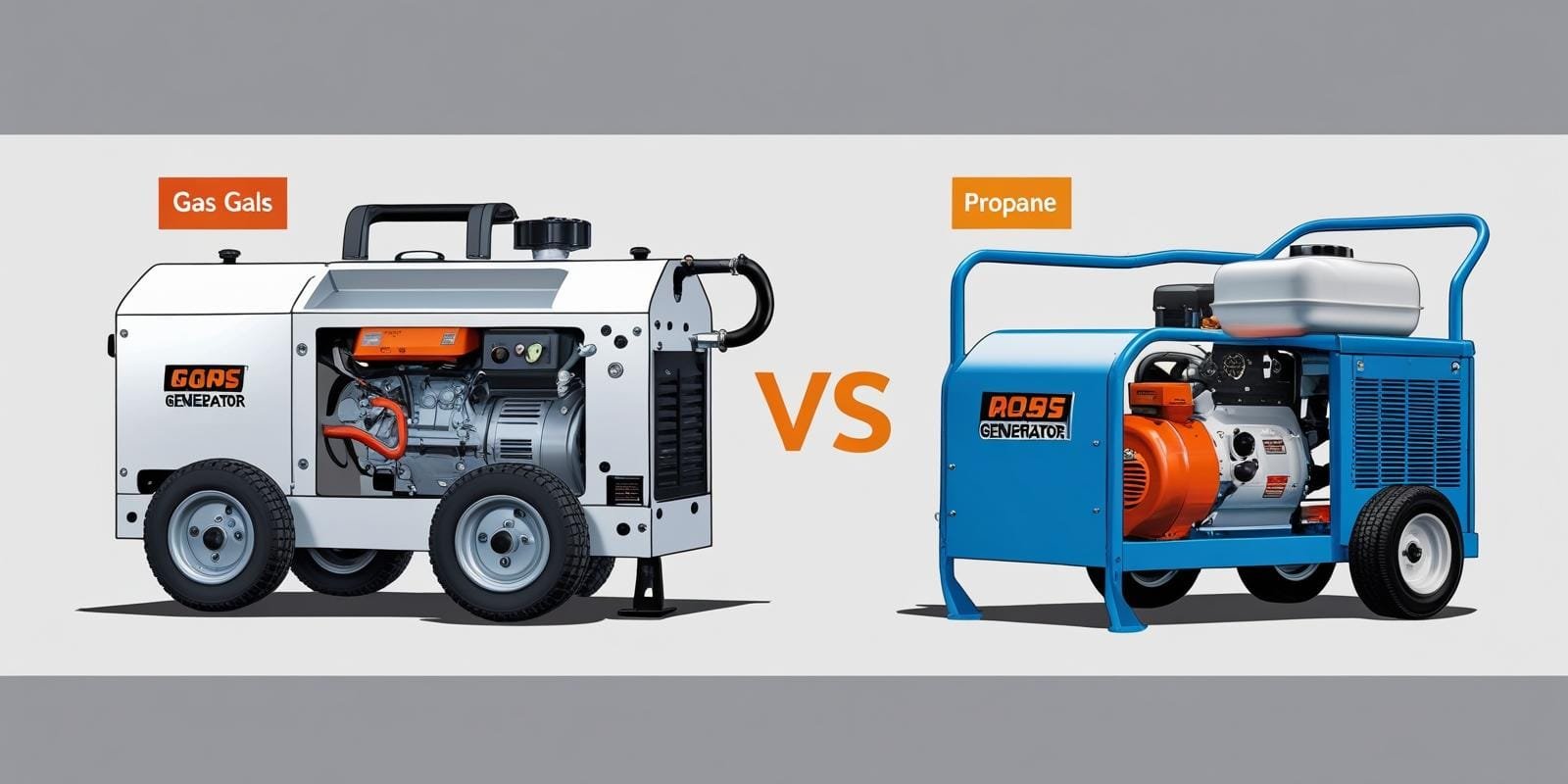
When it comes to choosing a generator, you might find yourself torn between propane and gas options. Each type has its unique benefits and drawbacks, which can make your decision feel overwhelming.
Are you looking for efficiency, cost-effectiveness, or ease of use? Understanding the differences can help you make the best choice for your needs. We’ll break down the key features of propane and gas generators. You’ll discover which one aligns better with your lifestyle and priorities.
By the end, you’ll have the clarity you need to choose the right generator that fits your requirements. Let’s dive in and simplify this important decision for you!
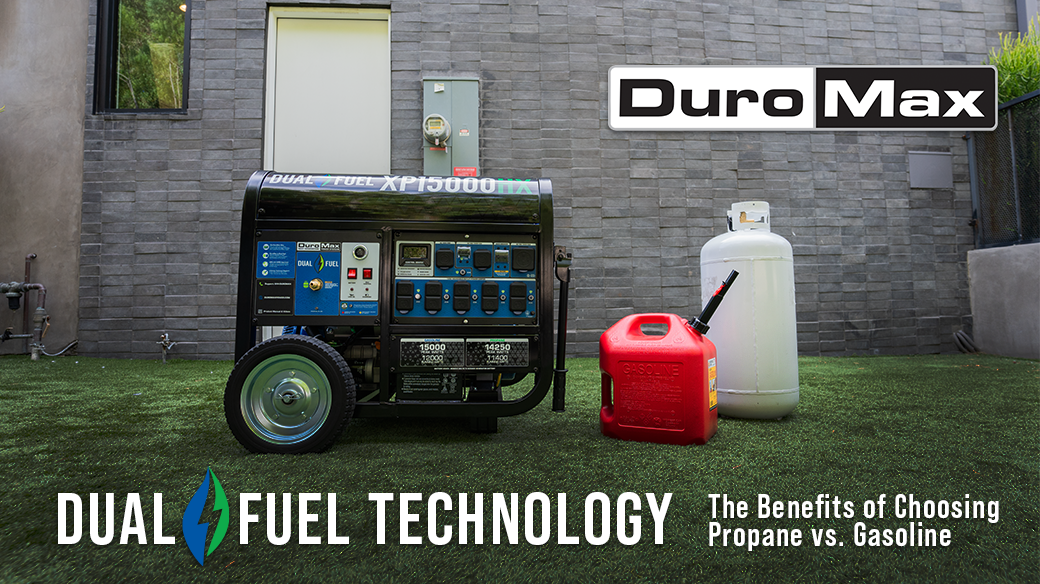
Credit: www.duromaxpower.com
Fuel Efficiency
Propane generators often offer better fuel efficiency than gas generators. They consume less fuel for the same power output. This means more runtime and savings in fuel costs. Choosing propane can be a smart choice for long-term use.
Fuel efficiency is a crucial factor when deciding between a propane and gas generator. Understanding how each type of fuel performs can significantly impact your operating costs and overall satisfaction. Let’s break down the fuel efficiency of propane and gas generators.
Understanding Fuel Efficiency
Fuel efficiency measures how effectively a generator converts fuel into energy. A more efficient generator uses less fuel to produce the same amount of power. This can lead to significant savings over time.
Propane Generator Efficiency
Propane generators generally provide better fuel efficiency compared to gas generators. They often run longer on a gallon of fuel, translating to fewer refueling stops. – Longer runtime: You can expect a propane generator to run about 10-20% longer than a comparable gas unit. – Lower emissions: Propane burns cleaner, which may extend the life of your generator. I remember using a propane generator during a power outage. It ran smoothly for hours, and I barely noticed any drop in fuel levels. This efficiency made a stressful situation much easier.
Gas Generator Efficiency
Gas generators can be less efficient, but they have their own advantages. They are generally easier to find and refill, often making them a practical choice for many users. – Availability: Gasoline is widely available at most gas stations. – Initial cost: Gas generators tend to be cheaper upfront than propane units. However, the fuel efficiency may not be as high. You might find yourself refueling more often, especially during extended outages. Have you thought about how often you want to refuel in an emergency?
Cost Considerations
When evaluating fuel efficiency, consider the cost of each fuel type. Propane prices can fluctuate, just like gasoline. Understanding the current prices in your area can help you make a more informed decision. – Propane: Typically more stable in price over time. – Gasoline: Prices can vary seasonally and due to market conditions. What are your priorities—lower fuel costs or easier access to fuel? Knowing your preferences can guide your choice.
Real-world Impact
Fuel efficiency isn’t just a number; it affects your daily life. Consider how often you plan to use your generator and for what purposes. If you rely on it regularly, the extra efficiency of propane might be worth the investment. Reflect on your past experiences with generators. Did you find yourself frustrated with frequent refueling? Your answer could steer you toward a more efficient option. Choosing between a propane and gas generator involves understanding their fuel efficiency. Think about your needs, usage frequency, and budget to find the best fit for you.

Credit: www.duromaxpower.com
Cost Comparison
Understanding the costs of propane and gas generators is important. Each type has unique expenses. This affects your choice based on your budget.
Initial Purchase Price
Propane generators often cost more than gas generators. The price difference can be significant. Buyers should consider their budget carefully. Gas generators are typically cheaper. They are easier to find and buy.
Fuel Costs
Fuel costs can vary greatly between propane and gas. Propane is usually more expensive than gasoline. However, propane burns cleaner. This means less maintenance over time. Gasoline prices can fluctuate more often. This can lead to unexpected expenses.
Maintenance Expenses
Maintenance costs differ for both generator types. Propane generators require less frequent service. This can save money in the long run. Gas generators need more regular upkeep. This can add to overall costs.
Resale Value
Resale value may impact your decision. Propane generators often hold their value better. This is due to their durability and lower maintenance. Gas generators can lose value faster. This is important for future planning.
Environmental Impact
Choosing between a propane and a gas generator involves more than just power output and price. The environmental impact of your choice plays a crucial role in the bigger picture of sustainability. You might be surprised by how much your generator affects the planet.
Emissions Comparison
One significant factor in the environmental impact is emissions. Propane generators tend to produce fewer greenhouse gases compared to gas generators. This means they contribute less to air pollution, making them a cleaner choice.
- Propane emits about 60% less carbon dioxide.
- Gas generators release higher levels of nitrogen oxides.
These differences matter. If you care about reducing your carbon footprint, propane may be the better option.
Fuel Production And Sourcing
The way fuel is produced also influences the environmental impact. Propane is a byproduct of natural gas processing and petroleum refining. Its production is generally less harmful to the environment than extracting and refining gasoline.
Gasoline requires extensive drilling and refining processes, which can lead to habitat destruction and water pollution. Choosing propane helps minimize these negative effects.
Noise Pollution
No one enjoys the sound of a loud generator. Propane generators are often quieter than their gas counterparts. This means you can enjoy your outdoor activities without disturbing neighbors or wildlife.
Consider the last time you were at a campsite. A quieter generator enhances the experience, allowing everyone to appreciate the natural surroundings.
Long-term Sustainability
Propane is often viewed as a more sustainable option in the long run. It is cleaner burning and more efficient, which can lead to lower emissions over time. If you are looking at long-term use, propane may be the smarter choice.
What about your energy source? Is it renewable or finite? These questions can guide your decision.
Evaluating the environmental impact of your generator choice is essential. Each option has its pros and cons, but your choice can contribute to a cleaner planet. Which generator aligns with your values and lifestyle? The decision is in your hands.
Performance In Different Climates
Choosing between propane and gas generators involves understanding how each performs in various climates. Different weather conditions can affect generator efficiency. Knowing these differences helps you make a better decision.
Cold Weather Performance
Cold temperatures can impact both propane and gas generators. Propane tends to perform better in the cold. It flows easily, even at low temperatures. Gas may thicken and cause starting issues.
In very cold conditions, propane can vaporize effectively. This means reliable starts and consistent power. Gas generators may struggle, leading to performance drops.
Hot Weather Performance
High temperatures can also affect generator performance. Gasoline can evaporate quickly in heat. This can lead to loss of fuel efficiency. Propane does not evaporate as easily. It remains stable in hot conditions.
For hot climates, propane generators often run smoother. They maintain output without overheating issues. Gas generators may require more maintenance in extreme heat.
Humidity And Rain Effects
Humidity and rain can impact both types of generators. Gasoline can absorb moisture, leading to fuel issues. This can cause starting problems or engine performance drops.
Propane is less affected by moisture. It burns cleanly and effectively, even in humid conditions. This makes it a safer choice during wet weather.
Altitude Considerations
Altitude plays a role in generator performance. Gasoline engines may lose power at high altitudes. This happens due to thinner air reducing combustion efficiency.
Propane performs better at higher elevations. It maintains power levels more effectively. This makes propane a good option for mountain areas.
Maintenance Requirements
Understanding the maintenance requirements of propane and gas generators can help you make a more informed decision. You want a generator that is not only efficient but also easy to maintain. Let’s break down what each type requires to keep running smoothly.
Propane Generator Maintenance
Propane generators are known for their cleaner operation. One of the significant advantages is less frequent maintenance. Here are some key points:
- Fuel Quality:Use only high-quality propane to avoid residue buildup.
- Oil Changes:Change the oil every 100 hours of operation or annually, whichever comes first.
- Air Filters:Clean or replace air filters every 50 hours or as needed.
During my last camping trip, I noticed my propane generator was still running smoothly after several uses. Regularly checking the oil and keeping the air filters clean made a huge difference. You’ll appreciate the long intervals between maintenance checks.
Gas Generator Maintenance
Gas generators often require a bit more attention. They can be prone to issues like fuel varnish and engine wear. Here’s what you should keep in mind:
- Fuel Stabilizer:Always add a stabilizer to the gas to prevent it from breaking down.
- Oil Changes:Change the oil after the first 20-25 hours, then every 50 hours.
- Cleaning the Carburetor:Regularly clean the carburetor to prevent clogs.
I learned the hard way during a power outage when my gas generator wouldn’t start. A quick inspection revealed a gunky carburetor and old oil. Keeping a maintenance schedule can save you from those frustrating moments.
Comparative Maintenance Efforts
So how do these two stacks up against each other? Here’s a quick table comparing their maintenance needs:
| Maintenance Task | Propane Generator | Gas Generator |
|---|---|---|
| Fuel Quality Check | Yes, high-quality propane | Yes, use stabilizer |
| Oil Change Frequency | Every 100 hours | Every 50 hours |
| Air Filter Maintenance | Every 50 hours | Not applicable |
| Carburetor Cleaning | No | Yes, regularly |
Which maintenance routine sounds more manageable for you? Your choice may depend on how much effort you want to invest in upkeep. Propane might offer less hassle, but gas generators can still be reliable with the right care.
Understanding these maintenance requirements can empower you to make the best choice for your needs. Whether you opt for the low-maintenance propane or the more hands-on gas generator, your decision should align with your lifestyle and usage patterns.
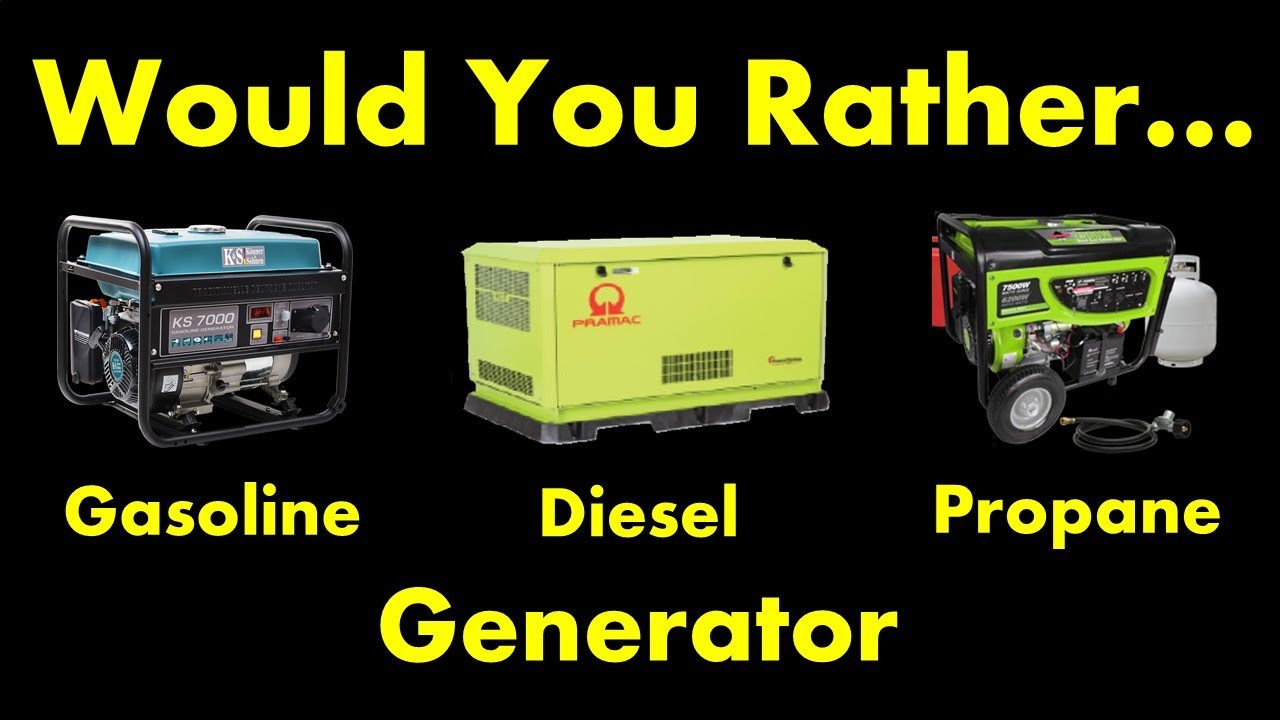
Credit: www.youtube.com
Safety Considerations
Choosing between propane and gas generators involves safety. Each fuel type has its own risks. Understanding these risks is important for safe use.
Carbon Monoxide Risks
Gas generators produce carbon monoxide. This gas is colorless and odorless. It can be deadly in enclosed spaces. Proper ventilation is crucial when using gas generators.
Fuel Storage
Propane tanks need careful storage. They must stay upright and away from heat. Gasoline is also flammable. Store it in a cool, dry place, away from sparks.
Fire Hazards
Both fuel types are flammable. Avoid using generators near flammable materials. Keep a fire extinguisher nearby for safety. Regular maintenance can reduce fire risks.
Generator Placement
Always place generators outside. Do not use them indoors or in garages. This prevents harmful fumes from entering your home. Keep them at least 20 feet away from windows and doors.
Electrical Safety
Generators must connect to your home safely. Use transfer switches to prevent back-feeding. This protects both your home and utility workers. Follow all electrical codes for safe setup.
Storage And Accessibility
Choosing between propane and gas generators affects storage and accessibility. Each type has unique needs. Understanding these can help in making a smart choice.
Propane Generator Storage
Propane is stored in pressurized tanks. These tanks can be large or small. Small tanks are portable and easy to move. Large tanks require more space. Propane tanks must be kept upright. They also need to be in a well-ventilated area.
Storing propane is generally safe. Tanks are designed to prevent leaks. Regular checks help ensure safety. Keep tanks away from heat sources. Always follow safety guidelines for storage.
Gas Generator Storage
Gasoline is stored in fuel tanks. These tanks are built into the generator. They can also be stored in separate containers. Gasoline requires more care than propane. It can go bad after a while. Use fuel stabilizers to extend its life.
Gasoline must be stored in a cool, dry place. Avoid sunlight and heat. This prevents evaporation and keeps fuel fresh. Check containers regularly for leaks or damage.
Accessibility Of Propane Generators
Propane generators are easy to access. You can find propane suppliers in many areas. Refilling tanks is simple. Many suppliers offer delivery services.
Transporting propane tanks is easy. They are lightweight and portable. This makes them convenient for camping or outdoor use.
Accessibility Of Gas Generators
Gasoline is widely available. Most gas stations sell fuel. This makes refueling quick and easy. No need to search for special suppliers.
Gasoline generators may be heavier. They can be harder to move. This can limit where you use them. Always have extra fuel on hand for emergencies.
Power Output And Reliability
Choosing between propane and gas generators involves understanding power output and reliability. Both types provide energy, but they differ in performance and dependability. Knowing these differences helps in making the right choice.
Power Output
Power output measures how much energy a generator can produce. Propane generators often have lower wattage than gas models. They can still run essential appliances effectively.
Gas generators usually provide higher power output. This makes them suitable for larger homes or heavy-duty equipment. They can handle demanding tasks without issues.
Reliability
Reliability is key for any generator. Propane has a longer shelf life than gas. It can be stored safely for years without losing effectiveness.
Gas, on the other hand, can degrade over time. It may cause issues if stored too long. Propane generators tend to start easily in cold weather. Gas generators might struggle in similar conditions.
Both types require regular maintenance. Keeping them in good shape ensures they work when needed. Proper care enhances their reliability.
Ease Of Refueling
Refueling is a key factor for any generator. Propane and gas generators have different processes. Each has its own advantages. Understanding these differences helps users choose wisely.
Refueling A Propane Generator
Refueling a propane generator is simple. You can find propane tanks at many stores. These tanks are easy to transport. Just connect the tank to the generator.
Propane does not expire. You can store it for a long time. This makes it convenient for emergencies. You can keep extra tanks ready. That way, you won’t run out of fuel.
Refueling A Gas Generator
Refueling a gas generator takes a bit more effort. You need to find gasoline. Gas stations are common but can be far away.
Gasoline can spoil over time. You must use it or replace it. This makes planning important. You might need to check your fuel often.
Cost Of Refueling
The cost of propane and gasoline can vary. Propane is often cheaper per gallon. Gas prices can rise quickly. This affects how much you spend over time.
Consider your usage. If you use the generator often, propane may save money. But if you use it rarely, gasoline might be easier.
Propane is cleaner than gasoline. It produces fewer emissions. This is better for the environment. Gasoline can pollute more, especially in high amounts.
Choosing propane may be better for nature. It helps reduce air pollution. This is something to think about when refueling.
Best Use Cases
Choosing between propane and gas generators depends on your needs. Each type has its strengths. Understanding these can help you make the right choice.
Home Backup Power
Propane generators work well for home backup. They can keep your lights on during a blackout. Propane stays stable for longer. This makes it easy to store. Gas generators also provide power. They are easy to find and often cheaper.
Campsites And Rvs
For camping, propane is a favorite. It burns clean and is quiet. This is great for nature lovers. Gas generators are popular for RVs. They can power appliances easily. However, they can be noisy.
Construction Sites
Construction sites need reliable power. Gas generators are usually the go-to choice. They offer high power and fast setup. Propane can also work, but may need more storage. Gas is often easier to refill on-site.
Emergency Preparedness
For emergencies, propane generators shine. They have a long shelf life. This makes them ideal for preparedness kits. Gas generators may require more maintenance. They can also be less reliable during long outages.
Outdoor Events
Outdoor events benefit from both types. Propane is cleaner and quieter. This is key for family gatherings. Gas generators can power larger equipment. They are useful for concerts or festivals.
Frequently Asked Questions
What Is The Difference Between Propane And Gas Generators?
Propane generators run on propane fuel, while gas generators use gasoline. They differ in fuel type and efficiency.
Which Generator Is More Efficient, Propane Or Gas?
Propane generators are often more efficient. They produce more energy per unit than gasoline generators.
Are Propane Generators Safer Than Gas Generators?
Yes, propane is less flammable than gasoline. This makes propane generators generally safer to use.
How Long Can A Propane Generator Run?
A propane generator can run for several hours, depending on the size of the tank and load.
What Are The Maintenance Needs For Propane Generators?
Propane generators require regular checks, oil changes, and air filter replacements for optimal performance.
Can I Switch From Gas To Propane In A Generator?
Some generators allow for conversion from gas to propane. Check the manufacturer’s guidelines first.
Do Propane Generators Produce More Power Than Gas Generators?
Propane generators can produce comparable power. Their efficiency often leads to better performance in specific situations.
What Are The Costs Of Propane Vs Gas Generators?
Propane generators may have higher upfront costs, but lower fuel costs can save money over time.
Are Propane Generators Quieter Than Gas Generators?
Propane generators are generally quieter. This makes them suitable for residential areas or camping.
Which Generator Is Better For Emergency Power?
Both types are good for emergencies. Choose based on fuel availability and personal needs. “`
Conclusion
Choosing between propane and gas generators matters. Each type has its pros and cons. Propane is cleaner and often more efficient. Gas generators are easier to find and use. Think about your needs and preferences. Consider cost, availability, and maintenance.
Both options can power your home or tools. Take your time to decide. A well-informed choice leads to better results. Make sure to pick the generator that fits your lifestyle best. Your power needs deserve careful thought and planning.