
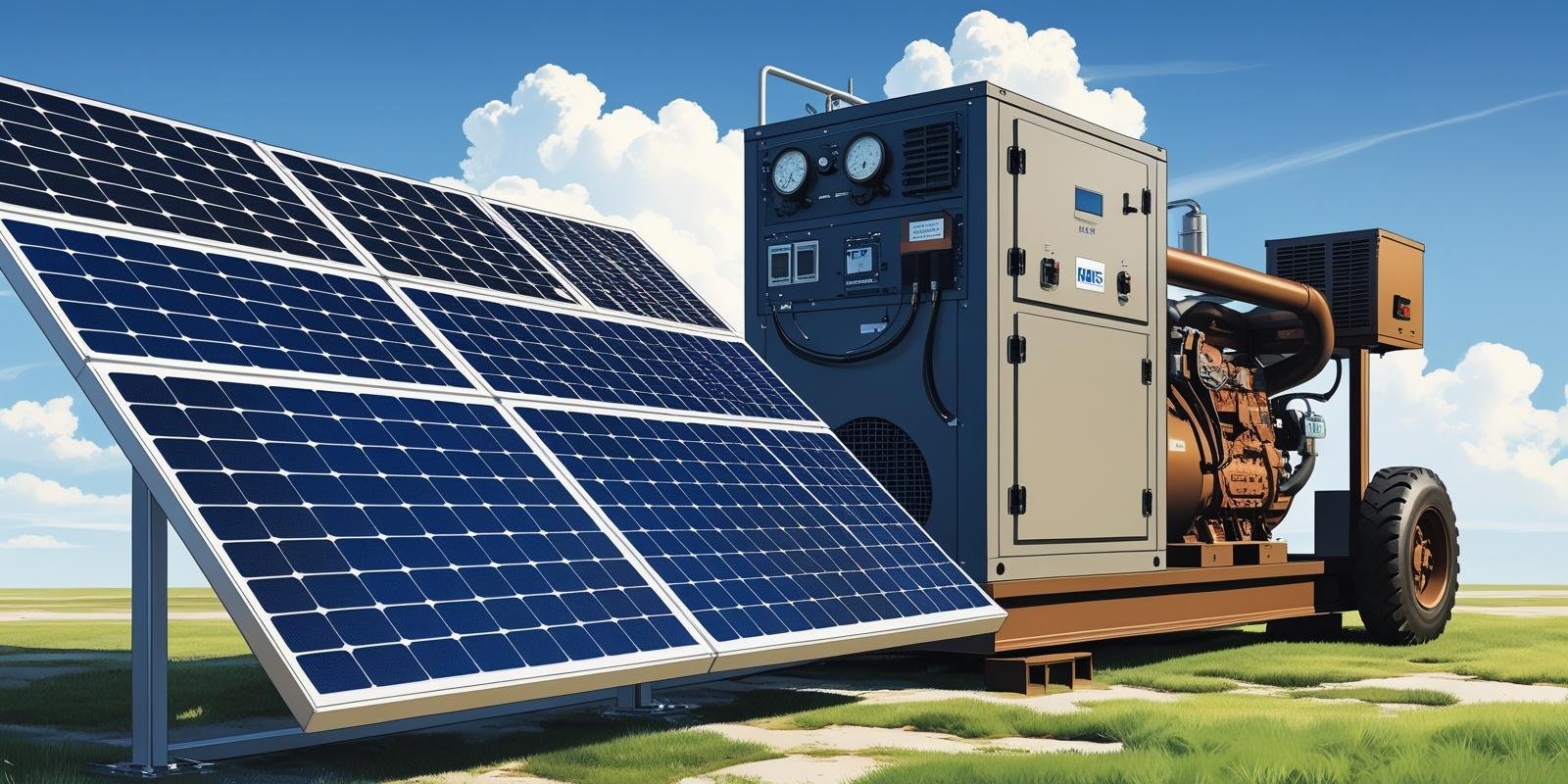
When it comes to powering your home or business, you face a crucial choice: solar energy or a generator. Each option has its own set of advantages and challenges.
You might be wondering which is best for your needs. Are you looking for long-term savings, reliability during outages, or eco-friendliness? Understanding the differences can help you make an informed decision that fits your lifestyle and budget. We’ll break down the key factors to consider when comparing solar and generators.
By the end, you’ll have the knowledge to choose the right power source for your situation. Let’s dive in and find out which option will light up your life!
Solar Energy Basics
Understanding solar energy is essential as you weigh your options between solar panels and generators. Solar energy harnesses sunlight to produce electricity, offering a clean and sustainable power source. As you consider your energy needs, knowing the basics can help you make an informed choice.
What Is Solar Energy?
Solar energy is the energy we get from the sun’s rays. This energy is captured using solar panels, which convert sunlight into electricity. It’s a renewable resource, meaning it won’t run out as long as the sun is shining.
How Do Solar Panels Work?
Solar panels consist of many solar cells made from silicon. When sunlight hits these cells, it generates an electric current. This direct current (DC) is then converted into alternating current (AC) for your home use.
Benefits Of Using Solar Energy
- Environmentally Friendly:Solar energy reduces your carbon footprint.
- Cost Savings:After the initial investment, solar energy can lower your electricity bills.
- Energy Independence:You rely less on the grid, especially during power outages.
Challenges Of Solar Energy
Solar energy isn’t without its challenges. Weather conditions can affect efficiency. Additionally, the initial setup cost for solar panels can be high, but many find the long-term savings worth it.
Is Solar Energy Right For You?
Consider your energy needs and lifestyle. Do you live in an area with plenty of sunlight? Are you ready for the upfront costs for long-term savings? Weigh these factors carefully.
As you reflect on the potential of solar energy, think about how it aligns with your values and goals. The shift towards sustainability is more than just a trend; it’s a commitment to a better future for you and your community.
How Generators Work
Solar power systems harness sunlight to generate electricity, while generators convert fuel into power. Both options provide energy, but their methods differ. Solar energy is renewable and quiet, while generators can deliver power quickly but often produce noise and emissions.
Understanding these differences helps in choosing the right energy source.
How Generators Work Understanding how generators function can help you make informed decisions about power sources. Generators are mechanical devices that convert energy from one form to another, typically converting fuel into electrical energy. This conversion process is crucial, especially during power outages or in remote locations.
Basic Components Of A Generator
A generator consists of several key components:
- Engine:This is the heart of the generator, burning fuel to create mechanical energy.
- Alternator:It converts the mechanical energy into electrical energy.
- Fuel System:This includes the fuel tank, lines, and filters that supply fuel to the engine.
- Control Panel:This allows you to manage the generator’s operations and monitor its performance.
Each component plays a vital role in ensuring your generator operates efficiently and reliably.
How Energy Conversion Happens
The process begins when you start the generator. The engine ignites the fuel, creating mechanical energy. This energy spins the alternator, which then generates electricity. The electricity produced can be stored in batteries or directly supplied to your home or equipment. This makes generators an excellent backup power source for essential appliances during outages.
Types Of Generators
Generators come in various types, each suited for different needs:
- Portable Generators:Great for outdoor events or small power needs.
- Inverter Generators:These provide clean, stable power for sensitive electronics.
- Standby Generators:Automatically kick in during a power outage, ideal for homes.
Choosing the right type depends on your specific requirements. Have you considered what your power needs would be in an emergency?
Fuel Choices And Efficiency
Generators can run on various fuels, including gasoline, diesel, propane, and natural gas. Each fuel type has its advantages and disadvantages. – Gasoline: Readily available but can be less efficient. – Diesel: More fuel-efficient but can be noisier. – Propane: Cleaner-burning and easier to store. – Natural Gas: Convenient if you have a supply but may require additional setup. Understanding these options can help you select a generator that aligns with your preferences and budget.
Maintenance And Longevity
Regular maintenance is crucial for your generator’s longevity. Tasks include: – Changing the oil and filters regularly. – Checking the fuel system for leaks. – Testing the battery and electrical connections. Neglecting maintenance can lead to unexpected failures. Have you set a maintenance schedule for your generator? Generators are reliable power sources, especially when you know how they work. With the right knowledge, you can ensure that your generator serves you well when you need it most.
Cost Comparison
Cost plays a crucial role in deciding between solar energy and traditional generators. Understanding the financial implications can help you make an informed choice. Let’s break down the costs associated with each option.
Initial Investment
Solar panels require a significant upfront investment. The average cost for a residential solar system can range from $15,000 to $25,000. This includes installation, equipment, and permits.
In contrast, a portable generator can cost between $500 and $3,000, depending on the type and power capacity. The initial expense for a generator is much lower, making it an attractive option for many homeowners.
Long-term Costs
Solar energy systems can drastically reduce your electricity bills. Many users report savings of 50% or more on their monthly energy costs. Plus, solar panels typically come with warranties lasting 25 years or more.
Generators, however, come with ongoing expenses. You’ll need to consider fuel costs, maintenance, and repairs. These costs can add up quickly, especially if you rely on your generator frequently.
Return On Investment
Investing in solar can pay off in the long run. Many states offer tax credits and incentives that can reduce your overall costs. Over time, solar energy can lead to substantial savings and even increase your property value.
Generators may not offer the same return. While they provide immediate power, they don’t typically increase your home’s value. You may end up spending more over time without the long-term benefits that solar provides.
Environmental Impact Costs
Solar energy is clean and renewable, with minimal environmental costs. You contribute to a healthier planet by reducing your carbon footprint. In contrast, generators run on fossil fuels, which contribute to pollution and greenhouse gas emissions.
Have you considered how your choice impacts the environment? Making a switch to solar not only saves you money but also promotes sustainability.
Conclusion: Making The Right Choice
Ultimately, the decision between solar and generators hinges on your financial situation and energy needs. If you can afford the initial investment, solar offers long-term savings and environmental benefits. Generators provide a quick, low-cost solution, but the ongoing expenses may catch you off guard.
What’s your priority: upfront savings or long-term investment? Weighing these factors will guide you toward the right decision for your home.
Environmental Impact
The environmental impact of energy sources is a pressing concern for many people today. Choosing between solar panels and generators can significantly affect our planet. Let’s break down how each option influences the environment.
Solar Energy: A Cleaner Choice
Solar energy harnesses the sun’s power, producing electricity without harmful emissions. Unlike generators that run on fossil fuels, solar panels generate energy quietly and cleanly. This means less air pollution and a reduction in greenhouse gases.
After installing solar panels at my home, I noticed a stark difference in my carbon footprint. It’s rewarding to know that my energy comes from a renewable source. You can feel good about contributing to a healthier planet.
Generators: Environmental Concerns
Generators often rely on gasoline or diesel, leading to significant emissions. Burning fossil fuels releases carbon dioxide, which contributes to global warming. Additionally, noise pollution from generators can disrupt local wildlife and communities.
Think about it: every time you start a generator, you’re adding to air and noise pollution. This can impact not only your environment but also your neighbors’ peace. Would you want to live next to constant noise and exhaust fumes?
Long-term Sustainability
Solar energy provides a sustainable and renewable option for the long term. Once installed, solar panels require minimal maintenance and can last for decades. They not only save you money on energy bills but also help preserve natural resources.
In contrast, generators have limited lifespans and require ongoing fuel purchases. This continual need for fuel means ongoing environmental harm. Wouldn’t you prefer a solution that benefits both your wallet and the Earth?
Conclusion: Making The Right Choice
When weighing solar energy against generators, consider the long-term effects on the environment. Solar panels offer a clean, renewable alternative, while generators contribute to pollution and resource depletion. Your choice can lead to a cleaner future for everyone.
What will you choose? The planet is counting on you.
Energy Efficiency
Energy efficiency is key for a sustainable future. Choosing between solar power and generators involves understanding how each option uses energy. This section explores their efficiency levels. Let’s dive into the details.
Solar Energy Efficiency
Solar panels convert sunlight into electricity. They work best in direct sunlight. Most solar panels have an efficiency of 15% to 22%. This means they convert 15% to 22% of sunlight into usable energy.
Once installed, solar systems need little maintenance. They provide energy without extra fuel costs. This can lead to savings over time. Solar energy is also clean, reducing carbon footprints.
Generator Energy Efficiency
Generators run on fuel like gasoline or diesel. Their efficiency varies based on the type and load. Most generators have an efficiency of around 20% to 30%. This means much energy is lost as heat.
Generators need regular maintenance. Fuel costs can add up over time. This affects overall efficiency. They also produce emissions, which can harm the environment.
Comparison Of Energy Use
Solar energy uses sunlight, a free and abundant resource. Generators rely on fuel, which can be costly. Over time, solar systems may save more energy and money.
Generators can provide power during outages. However, they cannot match the long-term efficiency of solar. Solar systems offer reliable energy without ongoing fuel costs.
Maintenance Requirements
Understanding the maintenance requirements of solar systems and generators is crucial for making an informed choice. Each option comes with its own set of responsibilities. You want to know what to expect so you can plan accordingly.
Solar System Maintenance
Solar systems are generally low-maintenance. Regular cleaning of the panels is the most significant task you’ll face.
- Dust, dirt, and debris can accumulate on the panels.
- Cleaning them a few times a year ensures optimal performance.
- Consider using a soft brush or a hose for this task.
Check the inverter and wiring annually. Look for any signs of wear or damage. Most systems come with warranties that cover maintenance for a certain period, giving you peace of mind.
Generator Maintenance
Generators require more hands-on care. You’ll need to perform regular checks and oil changes.
- Change the oil every 50 to 100 hours of use.
- Replace air and fuel filters regularly.
- Run the generator monthly to keep it in good working condition.
Keeping a maintenance log helps track these tasks. This is essential for ensuring reliability when you need the generator most.
Cost Implications Of Maintenance
Solar systems usually have lower maintenance costs. The main expenses are cleaning and occasional repairs.
Generators, however, can become costly over time. Fuel, oil changes, and parts replacement add up quickly.
Consider your budget. How much are you willing to spend on maintenance?
Time Commitment
With solar, you spend less time maintaining the system. Most tasks are quick and can be done a few times a year.
Generators demand more time and attention. You need to check various components regularly, which can be time-consuming.
Think about your lifestyle. Do you want a hassle-free energy source, or are you prepared to dedicate time to upkeep?
Reliability In Emergencies
When emergencies strike, having a reliable power source can make all the difference. Whether it’s a severe storm, a natural disaster, or a sudden blackout, your choice between solar power and a generator can impact your safety and comfort. Let’s dive into how each option holds up during critical times.
Understanding Generator Reliability
Generators are often viewed as traditional emergency power sources. They can deliver instant power at the flip of a switch. During my last power outage, my gas generator kicked in seamlessly, powering essential appliances like my refrigerator and lights.
However, generators come with limitations. They rely on fuel, which can run out, especially during widespread emergencies. If you can’t find gas, your backup might suddenly become useless.
Solar Power Systems: A Sustainable Backup
Solar power systems offer a different kind of reliability. Once installed, they harness sunlight to generate electricity, even during outages. I remember a neighbor whose solar setup kept their home running smoothly throughout an extended blackout.
Solar systems often include battery storage, allowing you to use stored energy when the sun isn’t shining. This capability ensures you have power even when traditional sources fail. However, their performance heavily depends on sunlight availability during emergencies.
Maintenance And Preparedness
Both systems require maintenance to ensure they function when you need them most. Generators need regular fuel checks and oil changes, while solar panels require cleaning and battery checks. Have you thought about how prepared your system is for an emergency?
Consider this: a well-maintained solar system can outlast a generator in a prolonged outage. Regular checks and upkeep are essential for both, but the effort pays off when reliability is on the line.
Cost Considerations
Initial costs for solar installations can be higher compared to buying a generator. However, think about the long-term savings. Solar systems often have lower operating costs and can provide energy independence in emergencies.
On the other hand, generators can incur ongoing fuel expenses. Do you want to invest in a system that may require constant spending during crises?
Generators, especially gas-powered ones, emit pollutants and contribute to noise pollution. In contrast, solar power is clean and renewable. During an emergency, wouldn’t you prefer a solution that’s better for the planet?
Choosing between solar and generators isn’t just about immediate needs; it’s about how you want to prepare for the future. Your decision can affect your comfort, your budget, and even the environment.
Long-term Investment
Choosing between solar energy and generators is important. Both options have their benefits. Understanding the long-term investment helps you make the right choice. Let’s explore how each option stacks up over time.
Initial Costs
Solar panels require a higher upfront cost. You pay for the system and installation. Generators are cheaper to buy initially. This makes them attractive for short-term use. Consider your budget carefully.
Maintenance Expenses
Solar systems need little maintenance. Cleaning panels once or twice a year is usually enough. Generators need regular upkeep. You must change the oil and filters often. This adds to the overall cost.
Energy Savings
Solar energy reduces your electricity bill. The sun provides free energy after installation. Generators need fuel to run. Fuel costs can add up quickly. Over time, solar saves more money.
Longevity And Durability
Solar panels last 25 years or more. They come with warranties too. Generators have a shorter lifespan. Most last around 10 to 15 years. This affects your long-term investment.
Solar energy is clean and renewable. It reduces your carbon footprint. Generators rely on fossil fuels. They contribute to pollution and climate change. This is an important factor to consider.
Resale Value
Homes with solar systems often sell for more. Buyers value energy-efficient features. Generators do not add as much value. They are seen as temporary solutions. Think about resale when making your choice.
Suitability For Remote Areas
Choosing between solar energy and generators for remote areas can significantly impact your lifestyle and activities. Each option has its unique strengths and weaknesses. Understanding these will help you make an informed decision.
Power Availability
Generators provide immediate power. They can run on diesel, gasoline, or propane. This makes them reliable for heavy-duty needs, especially if you have multiple devices to power.
Solar energy, on the other hand, depends on sunlight. If you live in a shaded area or during cloudy days, your energy supply may be limited. Think about your daily power requirements. Can you manage with potential interruptions?
Installation And Maintenance
Setting up a generator is often straightforward. You just need a suitable location and fuel. Regular maintenance is necessary to ensure it runs smoothly, including oil changes and fuel checks.
Solar panels require a more detailed installation process. You need to consider orientation, angle, and sun exposure. However, once set up, solar panels generally need less maintenance.
Generators emit fumes and contribute to air pollution. If you care about the environment, this is a significant factor to weigh. The noise can also be a disturbance, especially in serene, remote locations.
Solar energy is clean and renewable. It doesn’t produce emissions and is quieter. Living in harmony with nature can be quite fulfilling, don’t you think?
Cost Considerations
Generators can be less expensive upfront. However, fuel costs can add up over time. If you’re in a remote area where fuel is hard to find, this can turn into a hassle.
Solar panels have a higher initial investment. Yet, they can save you money in the long run. What is your budget, and how do you plan to use your energy?
Flexibility And Scalability
Generators offer instant power but lack flexibility. You can’t easily expand their capacity without purchasing additional units. This can be limiting if your energy needs grow.
Solar systems can be expanded gradually. You can start small and add more panels as needed. This adaptability might suit your evolving lifestyle better.
Choosing between solar and generators for remote areas is not just a technical decision. It’s about your lifestyle, values, and how you envision your future. What’s your priority: instant power or sustainability?
Choosing The Right Option
Choosing between solar power and generators can be tough. Both have pros and cons. Understanding each option helps you make a better choice.
Understanding Your Energy Needs
Start by assessing your energy needs. How much power do you require? List the devices you want to run. This will help you determine the capacity you need.
Evaluating Costs
Cost is an important factor. Solar panels have high upfront costs. However, they save money over time. Generators are cheaper initially but have ongoing fuel costs.
Considering Environmental Impact
Solar energy is clean and renewable. It reduces your carbon footprint. Generators rely on fossil fuels. They can harm the environment and contribute to pollution.
Assessing Maintenance Requirements
Maintenance varies between the two. Solar panels need little upkeep. Regular cleaning is usually enough. Generators require more frequent maintenance. They need fuel checks and oil changes.
Evaluating Space And Installation
Space is another consideration. Solar panels need roof or ground space. Generators can fit in smaller areas. Think about where you will place your system.
Thinking About Power Reliability
Reliability matters during outages. Solar power depends on sunlight. It may not work on cloudy days. Generators provide consistent power. They are dependable in emergencies.
Frequently Asked Questions
What Is Better: Solar Or Generator?
Choosing between solar and a generator depends on your needs and location.
How Do Solar Panels Work?
Solar panels convert sunlight into electricity using photovoltaic cells.
What Are The Main Benefits Of Solar Energy?
Solar energy is renewable, reduces bills, and has low maintenance costs.
What Are The Disadvantages Of Generators?
Generators can be noisy, require fuel, and produce harmful emissions.
How Much Do Solar Panels Cost?
Costs vary, but average installation can range from $15,000 to $30,000.
Do Generators Work During A Power Outage?
Yes, generators provide backup power during outages, keeping your home running.
How Long Do Solar Panels Last?
Most solar panels last 25 years or more with proper care.
What Maintenance Is Needed For Solar Panels?
Regular cleaning and inspections are usually enough to keep them working well.
Can Generators Run On Solar Energy?
Some generators can be powered by solar panels using special setups.
Which Is More Eco-friendly: Solar Or Generator?
Solar energy is more eco-friendly since it produces no emissions during use. “`
Conclusion
Choosing between solar power and generators depends on your needs. Solar energy offers long-term savings and sustainability. Generators provide immediate power but come with fuel costs. Think about your budget and how often you need power. Each option has its benefits and downsides.
Consider your lifestyle and how you use energy. Making the right choice can lead to better energy solutions for you. Take time to weigh your options carefully. Your decision can impact your wallet and the environment. Make a choice that fits your needs best.