
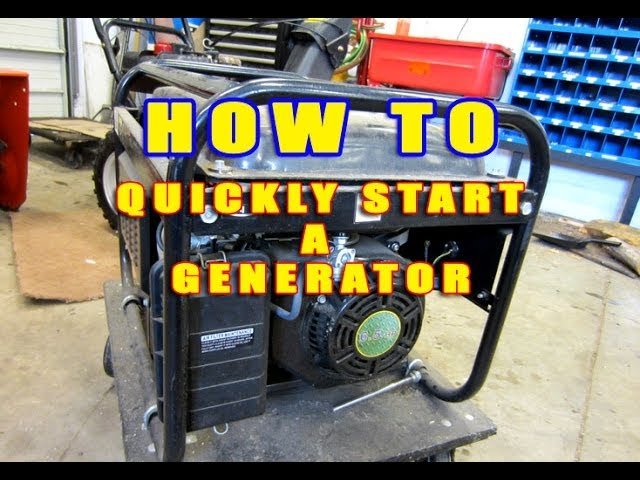
Is your generator refusing to start when you need it the most? You’re not alone, and it can be incredibly frustrating.
Whether you’re preparing for a power outage, working on a project, or just trying to enjoy a weekend getaway, a malfunctioning generator can throw a wrench in your plans. But don’t worry; you can troubleshoot the issue and get it running again.
You’ll discover practical steps to take when your generator won’t start. From checking the fuel level to inspecting the spark plugs, we’ll guide you through each step. You’ll feel more confident and capable of resolving the issue yourself. So, let’s dive in and get your generator back in action!
Common Causes Of Startup Issues
Understanding the common causes of startup issues with your generator can save you time and frustration. Generators are reliable machines, but they can encounter problems like any other equipment. Recognizing these issues early can help you troubleshoot efficiently.
Fuel Problems
One of the first things to check is the fuel. If your generator won’t start, it could be due to stale or contaminated fuel. Always use fresh fuel and store it properly.
- Check the fuel gauge. Is it empty?
- Inspect for leaks or signs of contamination.
- Replace old fuel with new, clean gasoline.
Did you know that fuel can go bad in just a few months? I learned this the hard way when I tried to start my generator after a long winter. The stale fuel caused it to sputter and die almost immediately.
Battery Issues
Your generator needs a fully charged battery to start. If you hear a clicking sound but the engine doesn’t turn over, the battery might be the culprit.
- Check the battery connections for corrosion.
- Make sure the battery is charged. Use a multimeter for accuracy.
- Replace the battery if it’s old or damaged.
Once, I forgot to disconnect the battery during winter. It drained completely, leaving me stranded during a storm. Regular maintenance can prevent this hassle.
Oil Level And Quality
Low or dirty oil can prevent your generator from starting. Oil lubricates the engine, and without it, you risk serious damage.
- Check the oil level using the dipstick.
- Change the oil if it’s dark or gritty.
- Use the oil type recommended in the user manual.
Checking the oil is like a simple health check for your generator. I remember a time I skipped this step, and my generator seized up. A quick oil check could have saved me from that headache.
Starter Motor Issues
The starter motor is essential for kicking things into gear. If it’s malfunctioning, your generator won’t start.
- Listen for unusual noises when you turn the key.
- Inspect the wiring connected to the starter motor.
- Consider having a technician check it if you’re unsure.
One time, I was convinced my generator was broken, but it turned out to be a loose wire. A simple inspection saved me from an unnecessary repair bill.
Electrical Issues
Faulty wiring or blown fuses can halt your generator’s operation. If you’ve ruled out fuel and battery issues, electrical problems might be the next suspect.
- Inspect all wiring for signs of wear or damage.
- Check the fuses and replace any that are blown.
- Look at the circuit breaker for any tripped switches.
Electrical issues can be tricky. I once spent hours troubleshooting only to find a single blown fuse was the problem. Always start with the basics!
Identifying the common causes of startup issues can empower you. The next time your generator refuses to start, you’ll have a roadmap to follow. What steps will you take first to troubleshoot your generator?
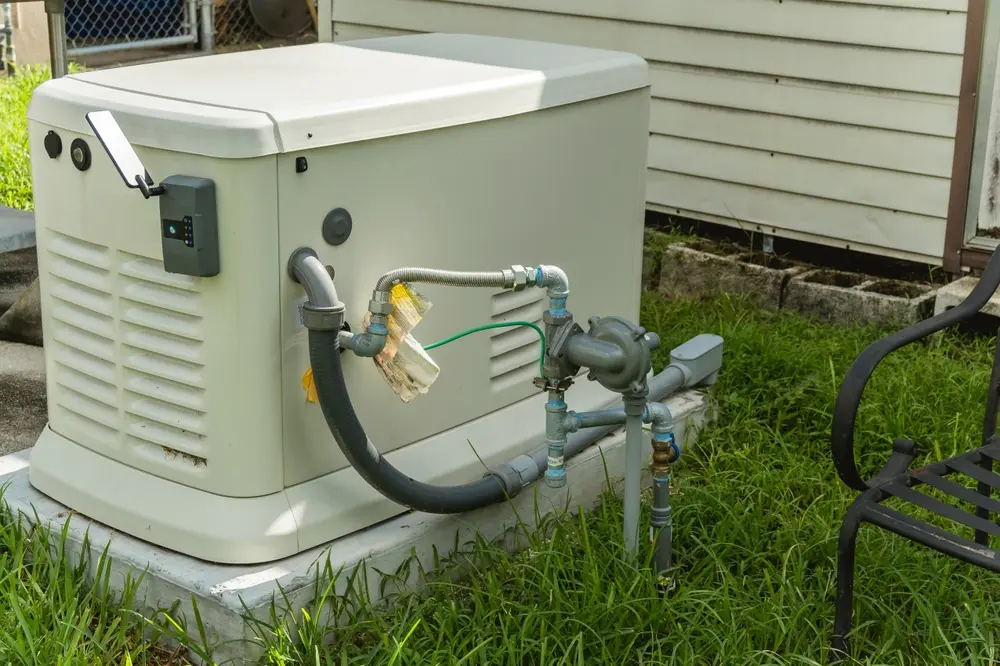
Credit: limric.com
Checking Fuel And Oil Levels
Generators need fuel and oil to run smoothly. Low levels can cause starting issues. Before troubleshooting further, check these two essentials. This simple step can save you time and effort.
Inspecting Fuel Levels
Start by checking the fuel tank. Open the cap and look inside. Is there enough fuel? If the tank is empty, fill it with fresh fuel. Old fuel can cause problems too. If the fuel smells bad or looks cloudy, replace it.
Make sure to use the right type of fuel. Read your generator’s manual for guidance. Using the wrong fuel can lead to damage.
Checking Oil Levels
Next, check the oil level. Open the oil cap and pull out the dipstick. Wipe it clean, then reinsert it. Pull it out again to check the oil level. It should be between the minimum and maximum marks.
If the oil level is low, add the correct oil type. Again, refer to the manual for the right specifications. Using the wrong oil can harm your generator.
Inspecting The Spark Plug
Inspect the spark plug to find common issues. A dirty or worn spark plug can prevent your generator from starting. Clean or replace it if needed for better performance.
Inspecting the spark plug is a crucial step when your generator won’t start. This small component plays a significant role in igniting the fuel-air mixture in the engine. A faulty spark plug can be the reason why your generator is silent when you need it the most.
Understanding The Spark Plug’s Role
The spark plug ignites the fuel in your generator’s engine. If it’s dirty or damaged, it can prevent the engine from starting. A well-functioning spark plug is essential for optimal performance.
Visual Inspection
Begin by removing the spark plug from your generator. Check for any visible damage like cracks or wear. – Look for carbon deposits, which indicate that the plug is dirty. – If the ceramic insulator is chipped, replace it immediately. A clean spark plug can make a world of difference in starting your generator smoothly.
Testing The Spark Plug
You can test the spark plug with a multimeter. Set it to the resistance setting and connect the leads. – A reading of 5k ohms or less typically indicates a good spark plug. – If you get a higher reading, it’s time to get a new one. Sometimes, simply re-seating the spark plug can resolve the issue.
Cleaning The Spark Plug
If the spark plug is dirty but not damaged, cleaning it is a great option. Use a wire brush or a spark plug cleaner to remove carbon buildup. – Make sure to clean the electrode carefully. – After cleaning, check the gap between the electrodes. It should be within the manufacturer’s specifications. A clean spark plug can revive your generator and save you from unnecessary expenses.
Replacing The Spark Plug
If your inspection and cleaning don’t yield results, it might be time for a replacement. Choose the spark plug that matches your generator’s specifications. – Always refer to your user manual for the right type. – Installing a new spark plug is straightforward and can be done with basic tools. Taking the time to inspect and maintain your spark plug can prevent headaches down the line. Have you ever experienced the frustration of a generator that won’t start? Checking the spark plug might just be your quick fix.

Credit: www.anoffgridlife.com
Examining The Air Filter
An air filter plays a crucial role in a generator’s performance. A clogged or dirty filter can prevent the generator from starting. Check and clean the air filter regularly to ensure smooth operation.
Examining the air filter is a crucial step when your generator won’t start. A clean air filter ensures that your generator receives the right amount of air for combustion. If it’s clogged or dirty, it can hinder performance and even prevent starting altogether.
Identifying A Clogged Air Filter
Inspect the air filter visually. If it appears dark, dusty, or covered in debris, it needs attention. You can also perform a simple test: remove the filter and shine a light through it. If the light barely passes through, it’s time for a replacement.
Cleaning Or Replacing The Filter
If your air filter is reusable, you can clean it with warm, soapy water. Make sure to dry it completely before reinstalling. For disposable filters, consider replacing it. Check your generator’s manual for the specific type you need.
Regular Maintenance Tips
To prevent future issues, make checking the air filter part of your routine maintenance. – Check the filter every month during heavy use. – Replace it at least once a year, or more often in dusty conditions. A clean air filter not only helps your generator start but also extends its lifespan. Have you ever had your generator fail to start due to a simple issue like this? Addressing the air filter can save you from bigger problems down the line.
Testing The Battery
A generator won’t start? Check the battery first. A weak or dead battery is a common issue. This simple check can save time and frustration.
Check Battery Connections
Start by inspecting the battery connections. Ensure they are tight and clean. Loose or corroded connections can stop the generator from starting.
Test The Battery Voltage
Use a multimeter to check the battery voltage. A healthy battery should read around 12.6 volts. If it reads lower, the battery may need charging or replacement.
Charge The Battery
If the voltage is low, try charging the battery. Use a proper charger for the battery type. Allow it to charge fully before testing the generator again.
Replace The Battery
Still no luck? Consider replacing the battery. Old batteries lose their ability to hold a charge. A new battery can solve starting issues.
Resetting The Circuit Breaker
If your generator won’t start, one of the first things you should check is the circuit breaker. Resetting the circuit breaker is often a simple yet effective solution. It’s easy to overlook this step, but a tripped breaker can be the culprit behind your generator’s failure to start.
Understanding The Circuit Breaker
A circuit breaker is a safety device that prevents electrical overload. If too much current flows, the breaker trips, cutting off power to protect your generator. This feature is essential for avoiding damage to your equipment.
Locating The Circuit Breaker
Finding the circuit breaker is straightforward. Most generators have a panel where the breaker is located. Check the user manual if you’re unsure where to look.
How To Reset The Circuit Breaker
Resetting the breaker is a quick process. First, switch it to the “off” position. Then, firmly move it back to the “on” position. You should hear a click, indicating it has been reset.
Testing The Generator
After resetting, try starting your generator again. If it starts, you’ve likely resolved the issue. If it doesn’t, further troubleshooting may be necessary.
Preventing Future Issues
Regular maintenance can help prevent circuit breaker trips. Keep the generator clean and check for any signs of wear and tear. Consider running your generator monthly to keep it in good condition.
Have you ever faced a situation where resetting the circuit breaker saved your day? Share your experience! It’s always enlightening to learn how a small step can lead to big results.
Looking For Loose Connections
Generators can be tricky. They often fail to start due to loose connections. Checking these connections is a simple first step. It can save time and frustration.
Check The Battery Connections
A loose battery connection can stop your generator from starting. Examine the battery terminals closely. Make sure they are tight and free from corrosion. Clean any dirt or rust you find.
Inspect The Fuel Lines
Fuel lines can become loose over time. Check all connections in the fuel system. Ensure they are secure and not leaking. Even a small leak can cause starting issues.
Look At The Spark Plug Wires
Spark plug wires must be connected properly. Loose wires can prevent the engine from firing. Remove and reattach them to ensure a secure fit.
Examine The Control Panel Connections
The control panel has several connections. Check for any loose or damaged wires. Tighten any connections that seem weak. A solid connection ensures proper function.
Review Ground Connections
A good ground connection is vital for your generator. Look for loose or corroded ground wires. Tighten or replace them if necessary. A strong ground helps the generator run smoothly.
Cleaning The Carburetor
A clean carburetor is key for a generator’s performance. It helps the engine start and run smoothly. Dirt and fuel residue can block the carburetor. This makes it hard for the generator to function. Cleaning it can solve many starting issues.
Understanding The Carburetor
The carburetor mixes air and fuel for the engine. It controls the fuel flow. If it’s dirty, the engine can’t get enough fuel. This can lead to starting problems.
Gathering Your Tools
Before cleaning, gather essential tools. You will need a screwdriver, a clean cloth, and carburetor cleaner. A small brush can help remove stubborn dirt. Safety goggles and gloves are wise to wear.
Removing The Carburetor
Start by turning off the generator. Disconnect the fuel line carefully. Unscrew the bolts holding the carburetor in place. Gently lift it off the engine. Take care not to damage any parts.
Cleaning The Carburetor Parts
Use the carburetor cleaner on all parts. Spray inside the carburetor and let it soak. Use the small brush to scrub hard-to-reach areas. Wipe everything down with a clean cloth. Ensure no dirt remains.
Reassembling The Carburetor
Once clean, reattach the carburetor to the engine. Make sure all bolts are tight. Connect the fuel line securely. Check for any leaks before starting.
Testing The Generator
After reassembly, start the generator. Listen for smooth operation. If it runs well, your cleaning worked. If not, check for other issues.
Checking For Overloading
Overloading can cause a generator to fail to start. Check the load connected to the generator. Make sure it is within the generator’s capacity. Reducing the load may solve the starting issue.
Checking for Overloading When your generator won’t start, one common culprit is overloading. This happens when you try to draw more power than the generator can handle. It’s crucial to ensure that your generator is not overloaded, as this can prevent it from running effectively and damage the unit over time.
Understanding Generator Capacity
Every generator has a specific capacity, usually measured in watts. This rating indicates how much power it can safely provide. Always check your generator’s manual for its maximum output. If you plan to run multiple devices simultaneously, add up their wattage. It’s easy to underestimate the total power needed.
Identifying Overloaded Circuits
Look for any devices that might be connected to the generator. Are you trying to power your refrigerator, heater, and multiple lights at once? Disconnect non-essential devices and try starting the generator again. This simple step can often solve your problem.
Using A Watt Meter
A watt meter is a handy tool to measure your power usage. Plug it into the generator, then connect your devices to the meter. This will give you a clear idea of how much power you are drawing. If you’re close to or over the generator’s limit, reduce the load accordingly.
Recognizing Signs Of Overloading
Watch for warning signs that your generator is overloaded. – Frequent tripping of circuit breakers – Unusual noises coming from the generator – Burning smells or overheating If you notice any of these symptoms, it’s time to reassess your power usage. Understanding your generator’s limits and adjusting your load is essential. Have you ever faced a situation where your generator just wouldn’t start? It can be frustrating, but by checking for overloading, you might just find the solution you need.
When To Call A Professional
A generator that won’t start can be frustrating. If basic troubleshooting doesn’t work, it’s time to call a professional. They have the right tools and experience to diagnose the problem safely and effectively. Don’t risk further damage by trying to fix it yourself.
When your generator won’t start, it can be frustrating and stressful. Knowing when to call a professional can save you time, money, and potential hazards. Here’s a guide to help you recognize those critical moments.
Signs That You Need Expert Help
If your generator has been cranking but won’t turn over, this could indicate serious issues. If you’ve checked the fuel, oil, and battery connections and it still won’t start, it’s time to reach out to a professional. Struggling with frequent breakdowns? Persistent problems can signal deeper mechanical failures. An expert can provide a thorough assessment.
Safety Concerns
Generators can be dangerous if not handled properly. If you notice any fuel leaks or strange odors, stop using the generator immediately. Your safety is paramount. Professionals know how to manage these issues safely, ensuring you avoid potential hazards.
Warranty And Insurance Considerations
If your generator is still under warranty, attempting DIY repairs may void it. Always check warranty terms before making any changes. Consulting a professional can preserve your warranty. Plus, many insurance policies require professional service for claims related to generator failures.
Complex Mechanical Issues
Some problems are beyond basic troubleshooting. If you suspect internal damage or electrical malfunctions, don’t hesitate to call in experts. They have the tools and expertise to diagnose complex issues effectively. You wouldn’t want to create further damage by trying to fix it yourself. Knowing when to call a professional can save you from unnecessary stress and ensure your generator is back in action safely. Trust your instincts—if something feels off, it’s always better to seek help.

Credit: m.youtube.com
Frequently Asked Questions
Why Won’t My Generator Start?
There can be several reasons why your generator won’t start. Common issues include a dead battery, fuel problems, or a clogged air filter. Always check these components first. Regular maintenance can help prevent starting issues in the future.
How Can I Troubleshoot A Generator?
To troubleshoot a generator, start by checking the fuel level and battery connections. Inspect the oil level and air filter for clogs. If these components are fine, consult the user manual for additional troubleshooting steps. Keep safety in mind and disconnect the power before working on it.
What Causes A Generator To Lose Power?
A generator may lose power due to fuel starvation, a faulty battery, or electrical overload. Check for fuel leaks or blockages. Additionally, ensure that the generator is not overloaded with too many appliances. Regular maintenance can help avoid power loss issues.
Can Bad Fuel Prevent Generator Startup?
Yes, bad fuel can definitely prevent a generator from starting. Old or contaminated fuel can clog the fuel lines and filters. It’s essential to use fresh fuel and store it properly. If you suspect bad fuel, drain the tank and replace it with fresh gasoline.
Conclusion
A generator that won’t start can be frustrating. Follow these steps to troubleshoot. Check the fuel first. Then inspect the battery and connections. Clean or replace filters if needed. Sometimes, it helps to check the oil level too. If these tips don’t work, seek professional help.
Regular maintenance keeps your generator running smoothly. Don’t let a small issue stop your power supply. Stay prepared and keep your generator in good shape. You’ll thank yourself later when you need it most.