
Install a compatible electric-start kit, battery, starter motor, solenoid, and correct wiring.
I have worked on small engines and portable generators for years, and I’ll walk you step-by-step through how to make my wen generator electric start. This guide covers compatibility checks, parts, installation steps, troubleshooting, and real-world tips so you can convert a recoil-start WEN generator into a reliable electric-start unit with confidence.
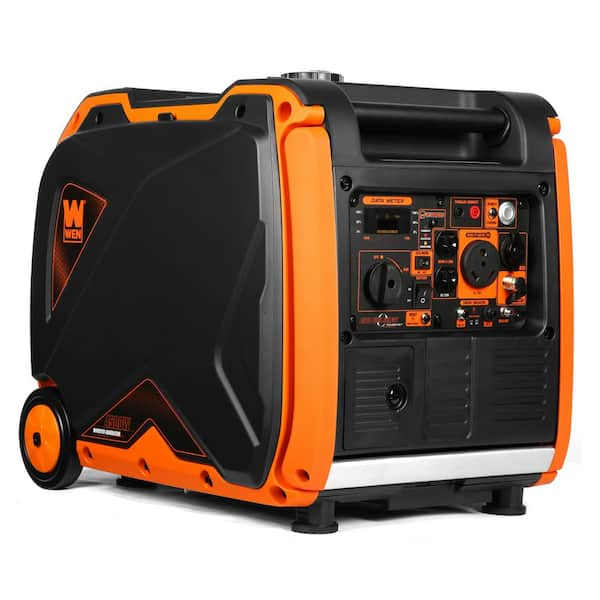
Understanding your WEN generator and electric start basics
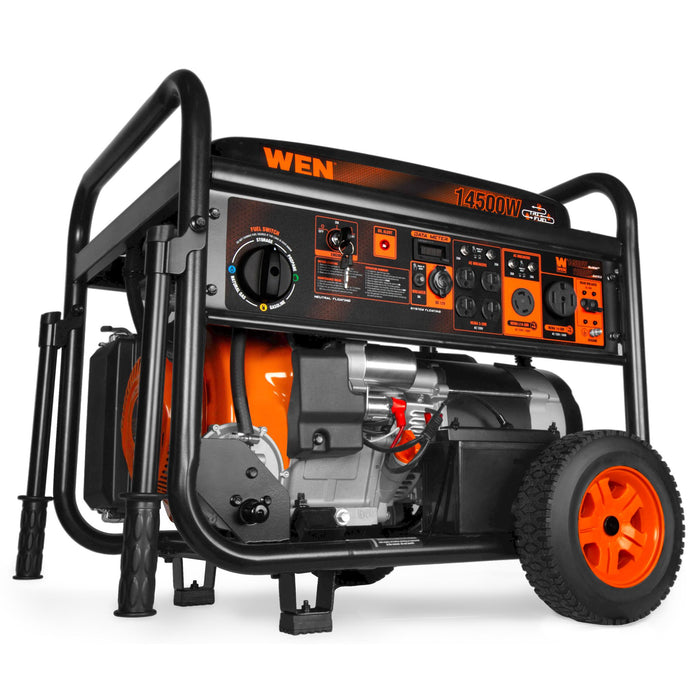
Before you begin, learn your generator’s engine model, flywheel type, and available mounting points. The phrase how to make my wen generator electric start describes a conversion, not a universal swap. Some WEN models already have bolt holes or adapter plates for an electric-start kit, while others need a ring gear or flexplate.
A basic electric-start system uses a starter motor, solenoid, a battery, a switch or key, and wiring. You must match the starter pinion or bolt pattern to your engine’s flywheel or add a ring gear to mesh with the starter. Knowing these basics saves time and avoids buying incompatible parts.

Tools, parts, and safety checklist for conversion
Parts you will typically need:
- Starter motor sized for small engines
- Starter solenoid or relay
- 12V lead-acid or AGM battery and hold-down
- Wiring harness, ring terminals, and fuses
- Key switch or push-button start
- Mounting bracket or adapter plate
- Ring gear or flexplate if flywheel lacks teeth
- Ground strap and appropriate fasteners
Essential tools:
- Socket set and wrenches
- Screwdrivers and pliers
- Torque wrench or torque specs reference
- Multimeter for testing voltage and continuity
- Thread locker and anti-seize compound
Safety checklist:
- Work in a well-ventilated area away from open flames
- Disconnect spark plug wire before doing engine work
- Wear gloves and eye protection
- Use a battery charger safely; avoid sparks near battery
- Follow battery polarity carefully to prevent damage
How to make my wen generator electric start begins with the right parts and strict safety. If you skip safety, you risk fire, battery explosion, or damage to the starter and engine.
Step-by-step guide to installing an electric start on your WEN generator
- Verify model compatibility
- Read the WEN service manual or engine plate to get engine make and model. Confirm the flywheel diameter and whether ring gear teeth exist. If unsure, take photos and compare to kit specs.
- Choose the right kit
- Buy a kit designed for your engine or a universal kit with an adapter ring. Kits often include starter motor, solenoid, and mounting hardware.
- Secure the battery location
- Mount the battery in a tray away from hot exhaust and moving parts. Use a hold-down strap and rubber padding to reduce vibration.
- Remove the recoil starter if present
- Unbolt recoil housing and remove rope and pulley assembly to access the flywheel and mounting points.
- Fit starter or ring gear
- If your kit uses a starter that engages the flywheel, align and mount using existing bolt holes. If a ring gear is required, install it on the flywheel following the kit instructions. Ensure the starter pinion meshes smoothly.
- Mount the solenoid and starter
- Attach the solenoid near the starter to minimize heavy wiring run. Secure mounting bolts and route starter cable to battery positive.
- Wire the system
- Connect thick gauge battery cable from battery positive to solenoid input. Run cable from solenoid output to starter motor. Ground the battery negative to the engine block with a dedicated strap. Wire the ignition key or push button through the solenoid control terminal via a fuse.
- Install switch and safety interlocks
- Mount the key switch in an accessible spot. Include a fuse or circuit breaker between battery and solenoid. Consider adding a low-oil shutdown or choke safety if required.
- Test the system
- Reconnect the spark plug wire temporarily to prevent accidental start when cranking. With the engine blocked, turn the key to crank and listen. Check for smooth engagement, no grinding, and solid cranking speed. Then reconnect spark and do a live start test.
Personal tip: I once used a starter with the wrong pinion tooth count. It cranked but ground the ring gear. I recommend dry-fitting parts and checking mesh before final torque. Take photos during disassembly to help reassembly.
Troubleshooting common issues after installation
No crank when key pressed:
- Check battery voltage and connections. A low battery or loose cable will prevent cranking.
Slow or weak crank: - Clean terminals and try a fully charged battery. Measure voltage under load; it should stay above 10 volts during cranking.
Starter clicks but doesn’t spin: - The solenoid may click while the starter sees weak current. Inspect heavy cables, grounds, and solenoid terminals for corrosion.
Starter spins but engine won’t turn over: - Verify starter pinion engages the flywheel ring gear properly. Look for tooth damage or misalignment if it slips.
Battery drains quickly: - Check for parasitic draw from the starter circuit or a stuck solenoid. Ensure the alternator or charging circuit on the WEN model is adequate to recharge the battery when running.
If you still struggle after these steps, consult a service manual or a small-engine technician rather than forcing parts.
Maintenance and best practices for electric-start WEN generators
Battery care:
- Keep the battery charged. Use a smart charger during storage and keep terminals clean and tight.
Routine checks: - Inspect starter wiring, ground straps, and solenoid connections every 10 to 20 hours of use. Replace corroded parts promptly.
Exercise the starter: - Start the generator monthly to keep contacts and the starter motor in good working order. Run the generator under light load for 15–30 minutes.
Protect the starter: - Avoid over-cranking. If the engine does not start after 10–15 seconds, wait and allow the starter to cool to prevent damage.
Following these habits will keep your conversion reliable and extend the life of the starter and battery after you learn how to make my wen generator electric start.
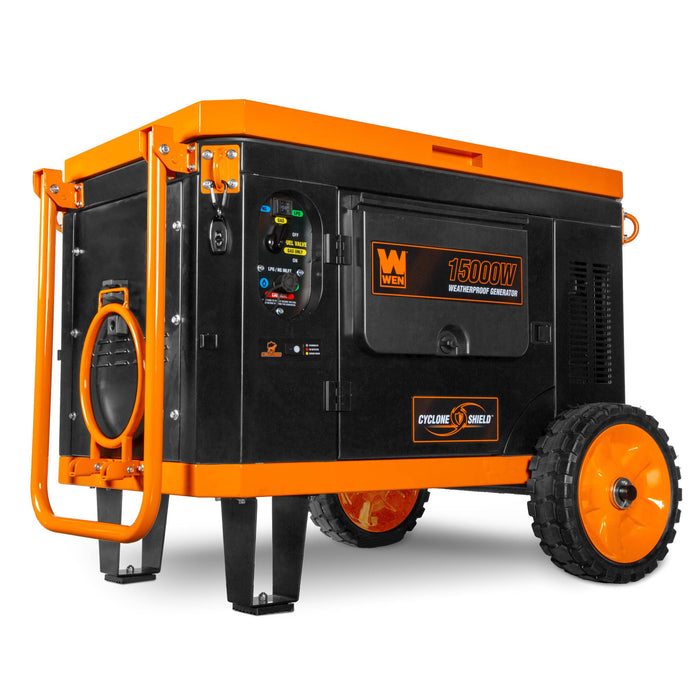
Costs, benefits, and limitations of converting to electric start
Typical costs:
- Basic starter kit plus wiring and battery can run from moderate to high depending on parts quality. Expect parts costs to range widely; labor adds if you hire help.
Benefits: - Faster starts, convenience for emergency power, and easier cold-weather starting are the main gains.
Limitations: - Some WEN models may void warranty if modified. Conversions add weight and require space for a battery. Charging may strain small generator alternators, so confirm the charging capability.
Weigh cost, time, and warranty impact before you proceed. Knowing how to make my wen generator electric start helps you decide if a conversion is worth it for your needs.

Frequently Asked Questions of how to make my wen generator electric start(make it h2 tag)
What parts are essential to convert my WEN generator to electric start?
You need a starter motor, solenoid, 12V battery, wiring harness, switch, and mounting hardware. Some engines also require a ring gear or adapter plate to match the flywheel.
Can I install an electric start on any WEN model?
Not always. Many models are compatible, but some lack mounting points or space. Check engine model, flywheel type, and kit compatibility before buying parts.
Will converting affect my generator warranty?
Modifications can void the warranty on some units. Review the WEN warranty terms and consider aftermarket vs OEM kits to reduce risk.
How do I know the starter motor will fit the flywheel?
Measure bolt patterns, flywheel diameter, and tooth count if using a ring gear. Follow kit specs and dry-fit before final assembly to ensure proper mesh.
How do I prevent the battery from draining when the generator is off?
Install a fuse and use a solenoid or switch to isolate the battery. Consider a battery disconnect switch or smart charger that maintains charge during storage.
Do I need special tools to do the conversion?
Basic hand tools, a multimeter, and sometimes a torque wrench are usually enough. Specialty tools are rarely required unless the kit specifies them.
How long should the battery last on a converted WEN generator?
Battery life depends on usage, charging, and maintenance. A well-maintained AGM or lead-acid battery can last several years with regular charging and cycling.
Conclusion
Converting a WEN generator to electric start is a practical upgrade that improves convenience and reliability. Start by confirming compatibility, buying the right kit, and following the step-by-step installation and safety tips. Test thoroughly, maintain the battery and wiring, and address issues with simple troubleshooting steps. Take action: gather your model info, choose a compatible kit, and try the conversion—then share your results or questions below to help others learn from your experience.